

When you think of the saxophone, your mind might immediately jump to jazz clubs, smoky bars, and fiery improvisations.
But did you know that the saxophone also has a rich history in classical music?
Despite its reputation as a jazz icon, the saxophone was originally designed for orchestral and chamber settings.
Over the years, composers have embraced its unique sound (rich, expressive, and deeply emotive) to create some of the most captivating works in the classical repertoire.
What Makes The Saxophone Unique In Classical Music
Source: Pexels
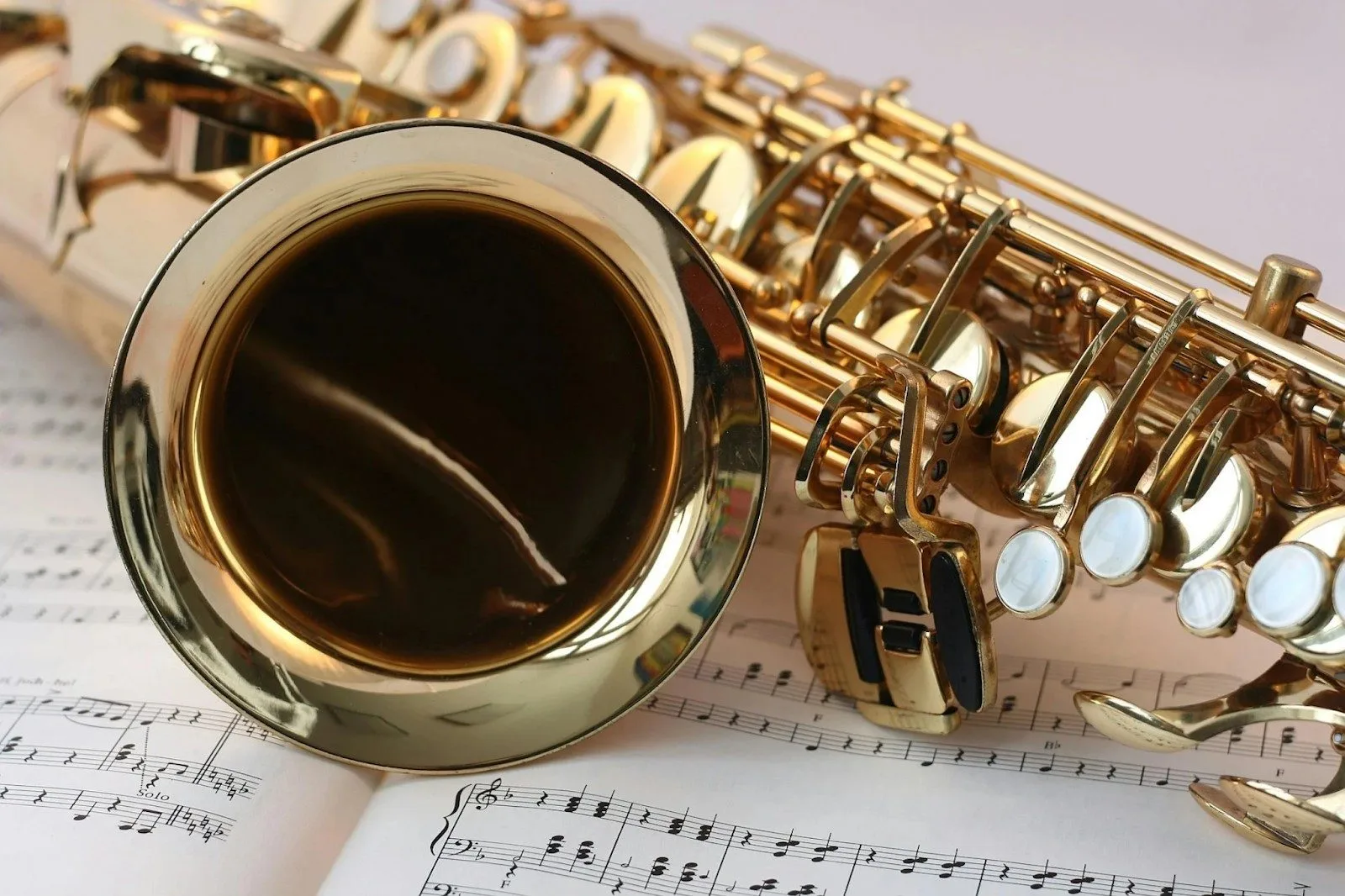
The saxophone’s journey into classical music began with its invention in the 1840s by Adolphe Sax, who envisioned it as a bridge between woodwinds and brass instruments.
Its ability to blend seamlessly with both families of instruments made it an intriguing choice for composers seeking new textures and timbres.
What sets the saxophone apart is its unparalleled expressiveness.
Capable of producing everything from velvety legatos to piercing crescendos, the saxophone can mimic the human voice with remarkable precision.
This quality makes it ideal for conveying emotion in classical compositions.
Unfortunately, the saxophone faced resistance in traditional orchestras due to its association with popular music genres like jazz.
However, visionary composers saw its potential and began incorporating it into their works, paving the way for its gradual acceptance in classical circles.
Today, the saxophone enjoys a respected position in the classical world, with numerous concertos, sonatas, and chamber pieces showcasing its dynamic range and lyrical beauty.
Famous Classical Pieces Written Specifically For The Saxophone
Alexander Glazunov’s “Concerto In E-Flat Major For Alto Saxophone And String Orchestra”
One of the most celebrated works for the saxophone, Glazunov’s concerto is a cornerstone of the classical saxophone repertoire.
Composed in 1934, it highlights the instrument’s lyrical capabilities while challenging performers with technical passages and intricate phrasing.
The piece opens with a dreamy, romantic theme before transitioning into a lively finale, demonstrating the saxophone’s versatility across moods and styles.
Glazunov’s concerto remains a favourite among saxophonists because it strikes a perfect balance between virtuosity and melody, making it a staple at recitals and competitions worldwide.
Claude Debussy’s “Rapsodie Pour Orchestre Et Saxophone”
Although left unfinished at his death, Debussy’s Rapsodie is another masterpiece written for the saxophone.
Commissioned by Elise Hall, a wealthy American patron and amateur saxophonist, the piece showcases the instrument’s ability to weave through lush orchestral textures.
Completed posthumously by Jean Roger-Ducasse, the work features sweeping melodies and dramatic contrasts, capturing the essence of French impressionism.
Debussy’s decision to include the saxophone reflects his fascination with unconventional sounds and his desire to push the boundaries of orchestration.
Jacques Ibert’s “Concertino Da Camera”
Another iconic work in the saxophone repertoire, Ibert’s Concertino Da Camera is a tour de force that combines elegance with technical brilliance.
Written in 1935, the piece alternates between playful, dance-like sections and introspective, lyrical moments.
It requires immense skill from the performer, particularly in navigating rapid runs and complex rhythms.
Ibert’s composition is often performed in conservatories and professional settings, serving as both a showcase for talent and a benchmark for mastery of the instrument.
Paul Creston’s “Sonata For Alto Saxophone And Piano, Op. 19”
Paul Creston’s Sonata is a standout example of mid-20th-century American classical music.
Composed in 1939, it explores the full expressive range of the saxophone, from soulful adagios to energetic allegros.
The second movement, marked “With Reverence,” is especially poignant, featuring long, singing lines that highlight the saxophone’s vocal qualities.
Creston’s Sonata has become a standard in saxophone literature, admired for its emotional depth and innovative use of rhythm.
How The Saxophone Found Its Place In Chamber And Orchestral Music

Source: Pexels
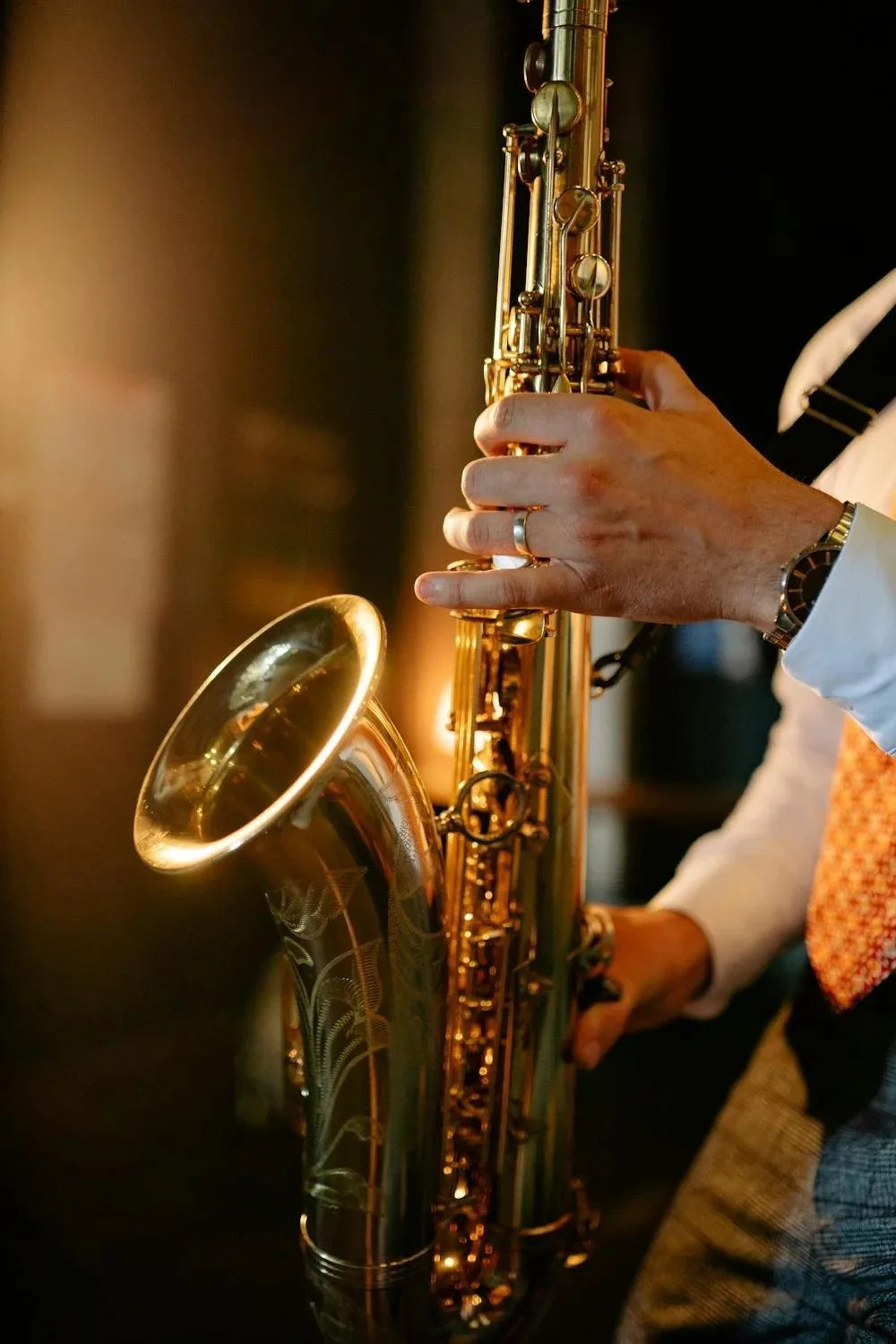
While solo concertos dominate the classical saxophone repertoire, the instrument has also made significant contributions to chamber and orchestral music.
Composers like Darius Milhaud and Heitor Villa-Lobos experimented with the saxophone in ensemble settings, using it to add colour and contrast to their scores.
For instance, Milhaud’s Scaramouche Suite (originally composed for saxophone and orchestra) is a vibrant work that highlights the saxophone’s agility and charm.
Similarly, Villa-Lobos’ Fantasia for Soprano Saxophone and Chamber Orchestra blends Brazilian folk influences with classical forms, creating a distinctly exotic sound.
In modern times, contemporary composers continue to write for the saxophone, expanding its role in avant-garde and experimental music.
Pieces like Philip Glass’s Concerto for Saxophone Quartet and Orchestra demonstrate the instrument’s adaptability, proving that it can thrive in diverse musical contexts.
Why The Saxophone Remains Underappreciated In Classical Music
Source: Pexels
Despite these remarkable contributions, the saxophone still struggles to gain widespread recognition in classical music.
One reason is its strong association with jazz and popular genres, which sometimes overshadows its classical accomplishments.
Additionally, the saxophone’s relatively late arrival on the musical scene means it lacks centuries of tradition compared to instruments like the violin or piano.
However, efforts to promote the saxophone in classical music are gaining momentum.
Organisations like the World Saxophone Congress and initiatives led by renowned saxophonists such as Marcel Mule and Sigurd Raschèr have helped elevate the instrument’s profile.
As more young musicians embrace the saxophone’s classical repertoire, its presence in concert halls continues to grow.
Real-Life Performances That Showcase The Saxophone’s Classical Brilliance
Source: Pexels
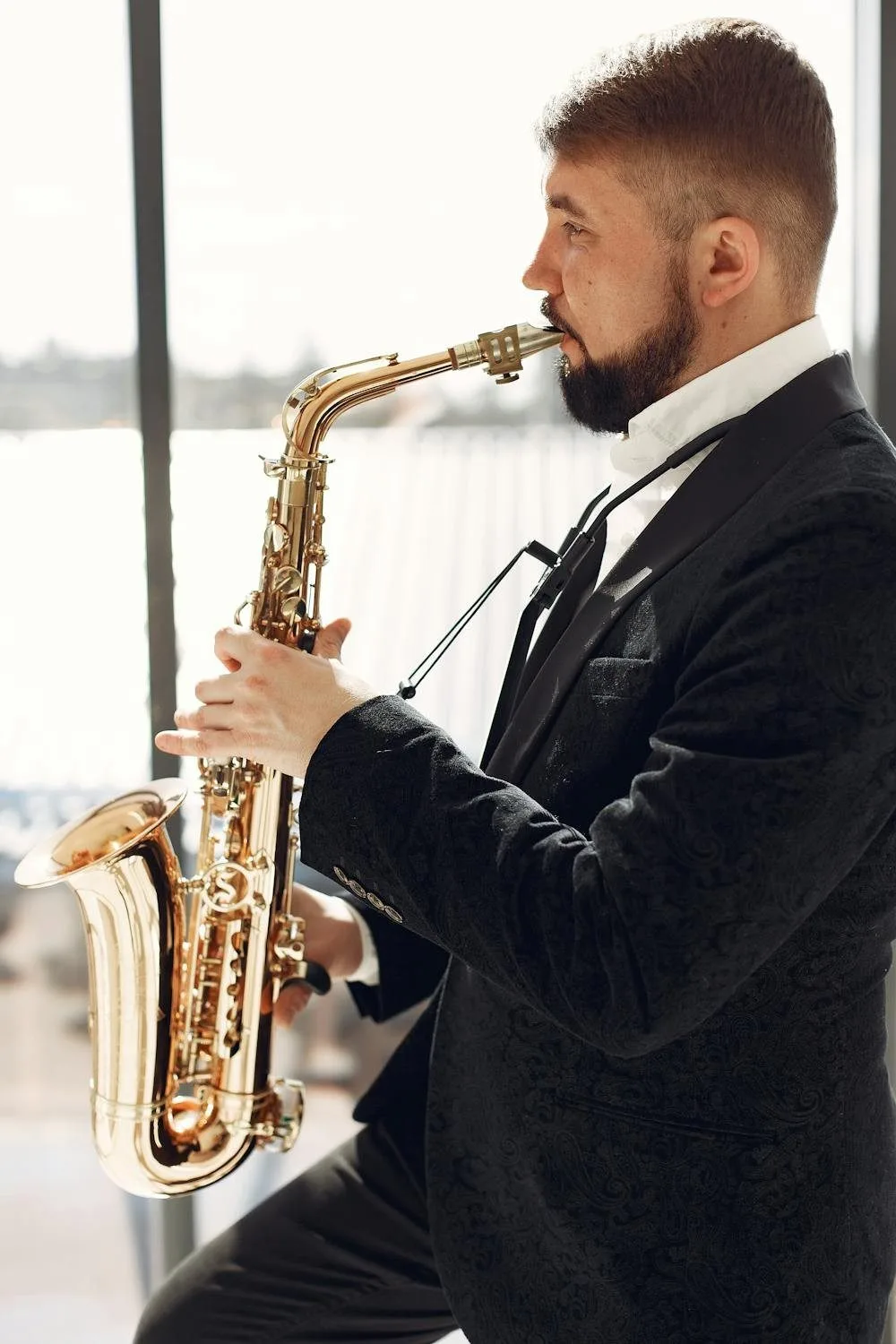
Imagine sitting in a grand concert hall as a saxophonist takes centre stage, poised to perform Glazunov’s concerto.
The opening notes float effortlessly over the strings, drawing you into a world of romance and drama.
Moments later, the tempo shifts, and the saxophone bursts into dazzling runs that leave the audience breathless.
Or picture a chamber ensemble performing Milhaud’s Scaramouche Suite, with the saxophone weaving through playful themes and syncopated rhythms.
Each note sparkles with energy, proving that the saxophone belongs just as much in classical ensembles as it does in jazz combos.
These performances remind us of the saxophone’s incredible versatility and its power to captivate listeners, regardless of genre.
Related To The Saxophone In Classical Music:
Falling Down the Musical Rabbit Hole: A How-to Guide to Discovering Tunes
The Soulful Journey Of The Saxophone: How The Instrument Became Jazz’s Voice