


You’ve probably seen it before.
Those bold “BPA-Free” labels proudly displayed on water bottles, food containers, and even baby products.
At first glance, it’s reassuring.
After all, if a product is labelled “BPA-free,” it must be safer, right?
But have you ever stopped to think: What exactly does BPA-free mean?
And does it guarantee that the product is truly free of harmful chemicals?
The truth is, while the shift away from BPA (bisphenol A) has been marketed as a step toward better health, the reality is more nuanced.
Let’s dive into what BPA actually is, why manufacturers started removing it, and whether “BPA-free” labels are as trustworthy as they seem.
What Is BPA And Why Should You Be Concerned About It In Plastic Products
Source: Pexels
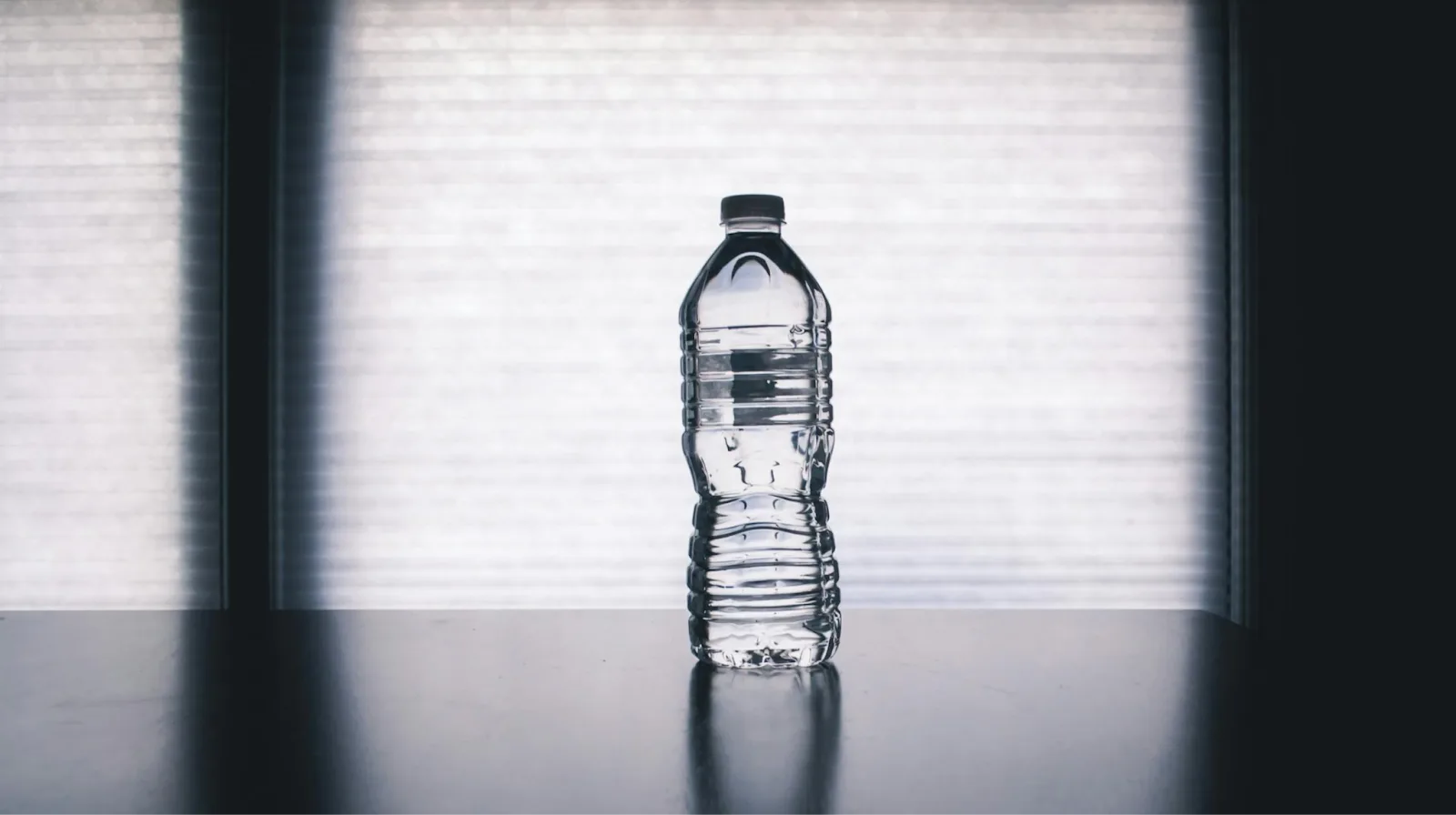
BPA, or bisphenol A, is a chemical compound used in the production of certain plastics and resins.
It’s commonly found in polycarbonate plastics (like reusable water bottles) and epoxy resins (used to line food and beverage cans).
For decades, BPA was celebrated for its durability and versatility, making it a staple in manufacturing.
However, concerns began to arise when studies suggested that BPA could leach into food and beverages, especially when exposed to heat or acidic conditions.
Once ingested, BPA acts as an endocrine disruptor, mimicking estrogen in the body.
This can potentially interfere with hormone regulation, leading to a range of health issues, including developmental problems in children, fertility issues, and an increased risk of certain cancers.
As public awareness grew, consumers demanded safer alternatives.
Manufacturers responded by phasing out BPA and slapping “BPA-Free” labels on their products.
But here’s the catch: just because a product is free of BPA doesn’t mean it’s free of other potentially harmful chemicals.
Why Did Companies Start Using BPA-Free Labels On Plastic Products
Source: Pexels
The rise of “BPA-free” labelling was largely driven by consumer demand.
As scientific studies linked BPA exposure to health risks, people became increasingly wary of products containing the chemical.
Parents, in particular, were alarmed by reports of BPA’s potential impact on children’s development, prompting many to seek out safer options for bottles, sippy cups, and food containers.
Manufacturers quickly realised that “BPA-free” was not just a safety measure—it was also a powerful marketing tool.
By removing BPA and highlighting this change, companies could reassure customers while capitalising on the growing trend toward health-conscious consumerism.
But here’s where things get tricky: while getting rid of BPA was a step in the right direction, it didn’t necessarily solve the problem.
In many cases, manufacturers simply replaced BPA with other chemicals that haven’t been as thoroughly studied.
Are Products Labelled As BPA-Free Actually Free From Harmful Chemicals?
Why Chemical Substitutes In BPA-Free Products May Still Be Dangerous
Source: Pexels
When manufacturers phased out BPA, they often replaced it with similar compounds, such as bisphenol S (BPS) or bisphenol F (BPF).
These chemicals are structurally similar to BPA and serve the same purpose in plastic production.
However, research suggests that these substitutes may not be much safer.
Studies have shown that BPS and BPF can also act as endocrine disruptors, potentially causing the same hormonal imbalances as BPA.
In some cases, these alternatives may even be more persistent in the environment, raising additional concerns about their long-term impact.
This raises an important question: Are we simply swapping one harmful chemical for another?
Unfortunately, the answer isn’t straightforward.
While “BPA-free” products eliminate one known risk, the lack of comprehensive testing on substitute chemicals means we don’t fully understand their effects on human health.
Why Regulatory Gaps Make BPA-Free Labels Misleading
Another issue is the lack of strict regulations surrounding chemical substitutes.
In many countries, manufacturers are not required to prove that alternative chemicals are safe before using them in consumer products.
This means that even if a product is labelled “BPA-free,” there’s no guarantee that it’s free of other potentially harmful substances.
For example, a 2011 study published in Environmental Health Perspectives tested a range of BPA-free products and found that many still released chemicals with estrogenic activity.
This highlights a troubling gap in oversight and underscores the need for more rigorous testing and transparency in the industry.
Examples Where BPA-Free Labels Don’t Guarantee Safety
Source: Unsplash
Imagine buying a reusable water bottle labelled “BPA-free” because you want to avoid harmful chemicals.
You feel good about your choice—until you learn that the bottle contains BPS, a chemical that behaves almost identically to BPA in the body.
Despite the label, you’re still being exposed to a potentially harmful substance.
Similarly, consider parents who switched to BPA-free baby bottles and sippy cups after hearing about the risks of BPA.
While these products may reduce BPA exposure, they could still contain other bisphenols that pose similar health risks.
Even products marketed as “eco-friendly” or “natural” aren’t immune to these issues.
Without clear guidelines and independent testing, it’s difficult to know whether a product is truly safer—or just cleverly marketed.
Safer Alternatives To Consider Beyond BPA-Free Plastic Water Bottles
Source: Pexels
So, what can you do if you’re concerned about the safety of your water bottles and food containers?
Here are a few alternatives worth exploring:
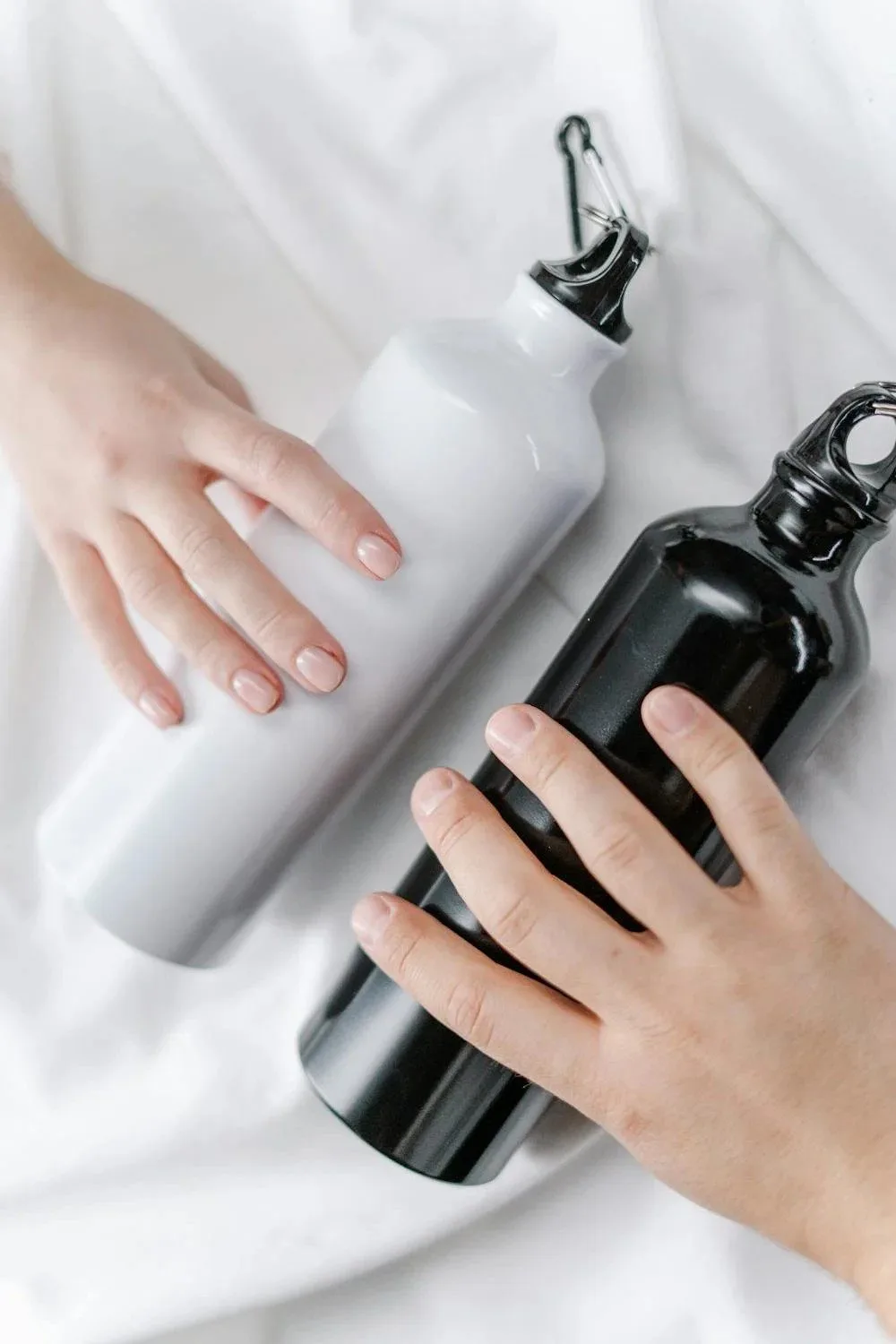
Stainless steel is a durable, reusable, and chemical-free option that’s perfect for staying hydrated on the go.
Brands like Hydro Flask and YETI have gained popularity for their high-quality designs.
Glass is another safe and eco-friendly choice.
It doesn’t leach chemicals, and it’s easy to clean.
Just be mindful of its fragility if you’re using it for travel.
Food-grade silicone is a flexible, non-toxic material that’s often used for collapsible bottles and food storage bags.
It’s a great alternative to plastic wraps and containers.
Ceramic and porcelain mugs are safe and stylish options for hot beverages that won’t interact with your drink.
By choosing materials like these, you can reduce your reliance on plastics altogether and sidestep the confusion surrounding “BPA-free” labels.
Why Consumer Awareness Is Crucial When Choosing Safe Plastic Products
At the end of the day, the responsibility shouldn’t fall entirely on consumers.
Manufacturers and regulators need to prioritize transparency and safety over profit margins.
Until stricter regulations are in place, it’s up to us to stay informed and make thoughtful choices about the products we buy.
One way to do this is by looking beyond labels and asking questions.
What materials are used in the product?
Has it been independently tested for safety?
Are there reviews or studies that support its claims?
Taking the time to research can help you make more informed decisions.
Related To BPA-Free Water Bottles: