


Architecture is much more than just creating buildings!
It is so much more than building walls and roofs but more about designing spaces where people live, work, and thrive. 🖊️
Good architecture can transform communities, promote well-being, and even drive innovation!
As technology evolves, architects and designers can use these tools to change the way we experience the world.
Architecture Plays An Important Part In Modern Society
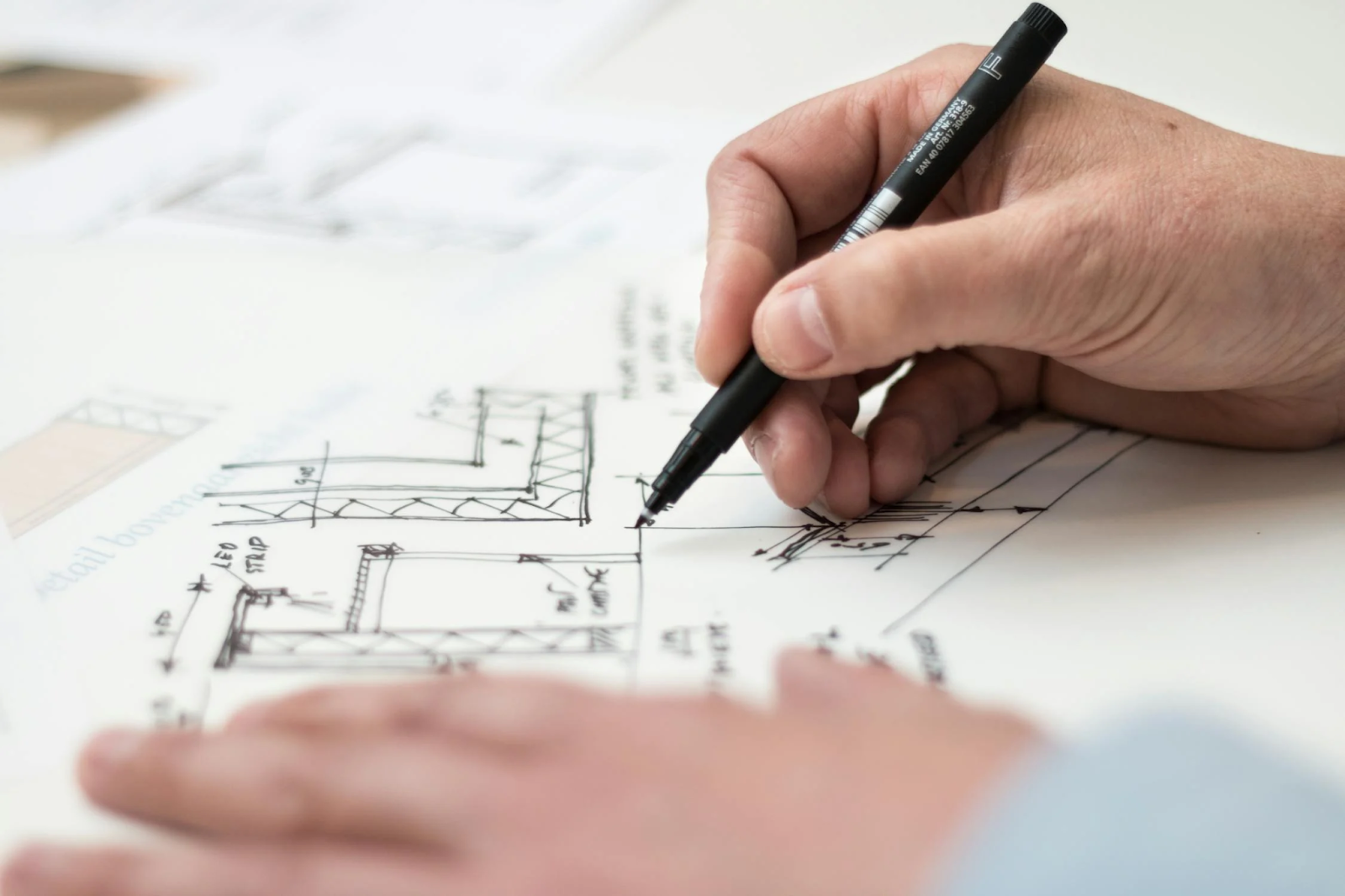
Impact On Daily Life
Source: Pexels
From the homes we live, to the offices we work at, every architectural decision influences how we interact with our environment.
Did you know that functional and aesthetic designs can enhance productivity, comfort, and happiness?
For instance, an open-plan office encourages collaboration, while sustainable homes reduce energy costs and environmental impact.
Architecture is not only a physical structure but also acts as a social bridge, fostering connections and addressing societal challenges.
Designed with inclusivity in mind, these projects can provide safe and welcoming spaces for marginalised groups.
Cultural Identity Of The Designs
Architecture often reflects the cultural and historical values of a society.
Iconic structures like the Eiffel Tower in Paris or the Sydney Opera House definitely represent more than just their utility! 🗼
They become a country’s symbols of heritage and pride.
Sustainability And The Environment
Source: Pexels
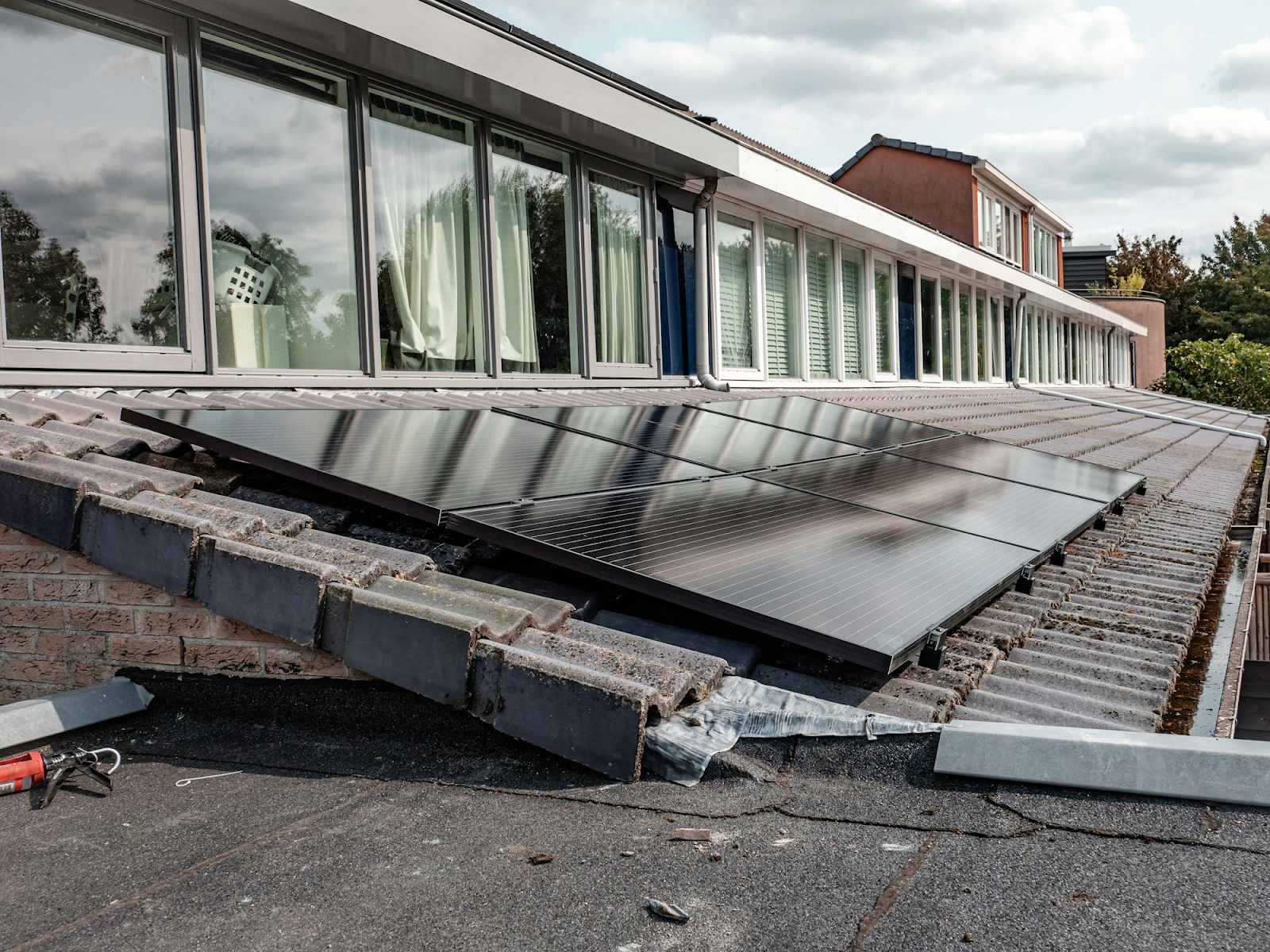
Modern architects are taking the lead in tackling climate change with their building creations! 🌍
They design eco-friendly and energy-efficient buildings, to reduce the overall carbon footprint.
Incorporating green roofs, solar panels, and sustainable materials is becoming standard in creating spaces that are kind to the planet.
Cool fact: Researchers are also working on using recycled plastic and algae to make bricks that can produce oxygen!
Future Trends In Modern Architecture
Technology Tools Is A Game-Changer For Architects
Architectural visualisation is no longer limited to blueprints and 2D drawings.
Advanced visualisation tools let architects create realistic and immersive 3D models.
Benefits of Visualisation
- The client can see exactly the final product and align it with their expectations easily.
- Architects can identify design flaws before construction actually begins, saving time and money.
- Developers can use visualisation to pitch projects to investors or market properties to potential buyers.
Virtual reality (VR) and augmented reality (AR) are also used to change how people experience architectural designs. 🧑💻
Clients can virtually walk through a building before it’s constructed, offering invaluable insights and feedback to architects.
AI can analyse environmental and social data to help architects create designs that make a positive impact.
For example, urban planners can use data to identify areas that need better infrastructure or green spaces. 🌲
Sustainable Urban Design To Reduce Carbon Emissions
Cities are taking their stand of being green by increasingly prioritising green spaces, renewable energy, and eco-friendly building materials.
This green approach not only reduces carbon footprints but also improves urban living conditions.
Modern architecture is all about experimenting with materials to create stronger, more sustainable, and visually appealing structures.
From transparent concrete to self-healing cement, the possibilities are endless!
Did you know researchers are working on bricks made from recycled plastic or algae that produce oxygen?
Such materials are not only eco-friendly but also push the boundaries of what’s possible in construction.
Materials play a crucial role in shaping the aesthetics and sustainability of buildings, giving architects endless opportunities to innovate.
Technology-Filled Smart Buildings
The integration of technology in architecture has led to the rise of smart buildings equipped with IoT devices, automated systems, and energy-efficient designs.
These buildings adapt to occupants’ needs, optimising comfort and energy use.
Biophilic Design Incorporated Into Our Architectural Spaces
Inspired by nature, biophilic design emphasises incorporating natural elements like plants, water, and sunlight into architectural spaces.
This trend promotes mental health and well-being.
By blending the creativity of human designers with the precision and speed of AI, architecture is becoming more efficient, collaborative, and imaginative than ever.
But if you’re facing challenges designing your dream home, why not consult a professional architect to bring your vision to life?
Whether you’re a seasoned architect or just someone passionate about design, the future is full of exciting possibilities.
We’re not just designing buildings—we’re shaping the future of our communities and the planet. 🌏
Related to Architecture:
Mahjong Is A Timeless Game Of Strategy And Culture – Guidesify
Chingay Parade: A Spectacular Celebration of Singapore’s Multicultural Heritage – Guidesify