


Have you ever found yourself scrolling endlessly through social media, unable to pull away? You get caught in a cycle of mindless browsing, only to realize hours have slipped by.
It’s a daily habit that many of us fall into, seeking a quick escape from the pressures of everyday life.
Now, this behaviour has a name: “Brain Rot.” Recently crowned Oxford’s Word of the Year for 2024, it describes the mental exhaustion that’s become all too familiar in today’s digital age.
But here’s the catch: what started as a harmless distraction might actually be doing more harm than we think. Studies are linking excessive screen time to “brain rot,” revealing the potential dangers it poses to both our mental and physical health.
What Is Brain Rot And How Became The Internet’s Favorite Diagnosis For Digital Overload”

Source: Pexels
Perplexing as it may seem, the term “brain rot” has seen a staggering 230% surge in usage between 2023 and 2024, according to Oxford University Press, highlighting the consequences of unchecked screen time.
Originally just a slang expression, it now refers to the potential health risks tied to endless scrolling on apps like TikTok, Instagram, and Twitter—better known as ‘doom scrolling.’
According to Oxford University Press, brain rot is defined as the ‘decline of a person’s mental or intellectual state’ due to the overconsumption of trivial or intellectually unstimulating content.
Why Does Brain Rot Occur?
Brain rot doesn’t happen overnight.
It sneaks up on you, a result of constant exposure to mindless, shallow content—think endless doom scrolling, watching videos without purpose, or getting lost in social media.
Over time, this never-ending stream of trivial material begins to take a toll on your brain.
When screen time becomes habitual and excessive, the brain gets overloaded with superficial stimuli. This doesn’t just zap your energy; it disrupts essential cognitive functions like attention span, memory, and emotional regulation.
It’s like your brain starts to shut down in response to the barrage of quick, easy content.
What Are The Consequences Of Brain Rot

Source: Pexels
So what happens if we ignore the problem of brain rot?
The consequences are dire.
While “brain rot” isn’t an official medical diagnosis, the excessive screen time it refers to can certainly contribute to a range of cognitive and emotional issues.
As the brain continues to be bombarded by content that requires little intellectual effort, it starts to lose its ability to engage in deeper thinking. This leads to a growing sense of mental fatigue, heightened stress, anxiety, and even depression.
Instead of being able to focus on complex tasks, problem-solve, or have meaningful conversations, the brain becomes trained to crave instant gratification and mindless distractions.
Essentially, brain rot is what happens when your mind is starved for mental stimulation and constantly fed with intellectual junk food. The more you scroll and binge, the further you fall into the trap, and the harder it becomes to break free.
This is why brain rot is a serious issue we should all be concerned about.
What starts as a harmless habit quickly escalates into a pattern that can significantly impact your cognitive health, leaving you disconnected from reality, your emotions, and your ability to think critically.
Why Children And Teenagers Are Most At Risk Of Brain Rot

Source: Pexels
Children and teens are particularly vulnerable to the dangers of brain rot, as excessive screen time during their crucial developmental years can lead to long-term cognitive and behavioural problems.
According to expert Laurie Ann Manwell, the impact of screen overload on young minds could result in a lifetime of struggles with focus, impulse control, and emotional regulation.
Dr. Leventhal adds, “Kids are in the process of building critical brain pathways, and heavy digital media use could easily disrupt this development.”
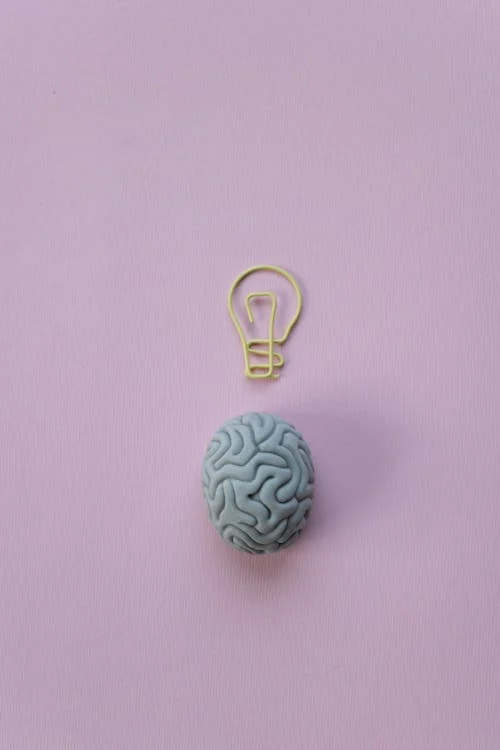
How To Break The Cycle Of Doom Scrolling And Get A Healthier Brain!
Source: Pexels
While brain rot might not be a formal medical diagnosis, there are steps you can take to prevent it and potentially reverse some of its impact.
Dr. Leventhal suggests that improving digital habits, such as taking regular screen breaks, setting time limits, and limiting access to certain apps, can significantly improve overall well-being.
For starters, try to minimize multitasking when using screens, and focus on efficient, single-tasking to reduce divided attention. When you do need to be on a screen, make it your sole focus to optimize your productivity.
Moreover, consider incorporating activities that promote neuroplasticity, such as learning new skills or engaging in mentally challenging tasks.
In the long run, it’s essential to develop sustainable habits that prioritize brain health. This might involve setting aside dedicated time for relaxation, socializing, and engaging in activities that bring you joy.
Remember, a healthier brain is just a few screen-free moments away!
Related to Brain Rot:
ORD Guide: Things Every NSFs & NSMen Must Do After ORD – Guidesify
Warning issued over ‘brain rot’, the 2024 habit that’s ‘on the rise’ | news.com.au