
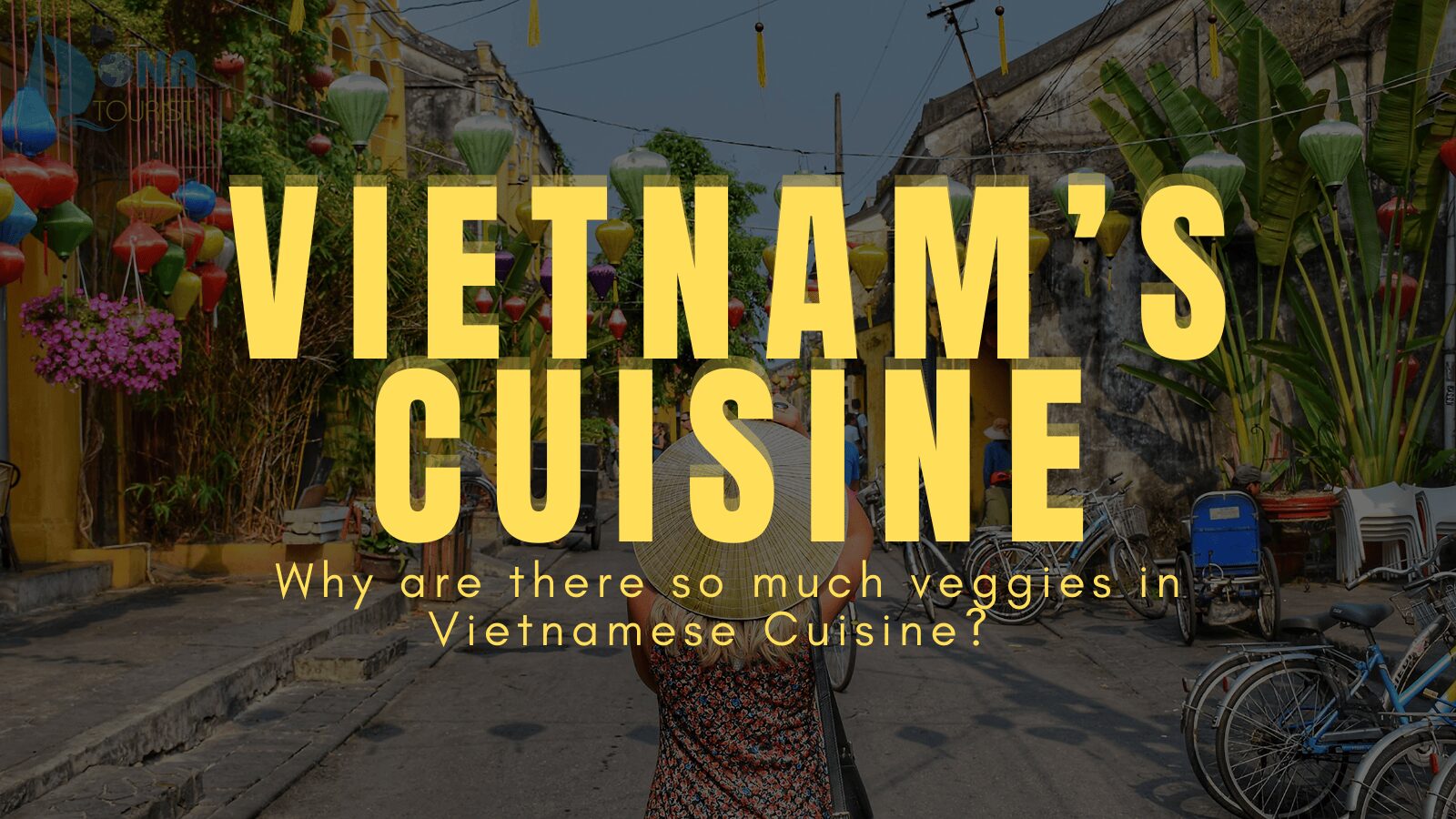

Have you ever had Vietnamese Cuisine before?
If you haven’t we highly recommend you do, especially if you are a big foodie!
Vietnamese cuisine is a symphony of flavours, a culinary tapestry that weaves together history, culture, and a diverse array of ingredients, making it healthy and yet such a delicious treat.
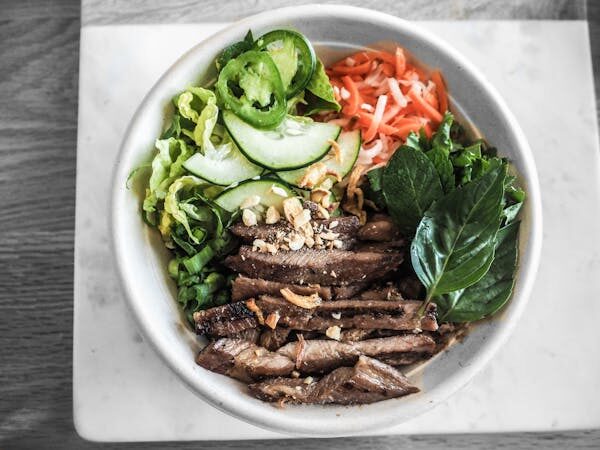
The Origins of Vietnamese Food: A Rich Cultural Heritage
Vietnamese cuisine finds its origins deeply embedded in the ancient Vietnamese people’s connection to the lush landscapes of the Red River Delta.
This culinary journey begins with the cultivation of rice, a staple that not only sustained communities but also became a symbol of cultural significance.
The ancient Vietnamese people’s mastery of rice cultivation in the Red River Delta laid the groundwork for what would later become the backbone of Vietnamese cuisine.
Early interactions with China played a pivotal role in shaping Vietnamese culinary techniques.
Influences from Chinese cuisine introduced the art of stir-frying, revolutionising the way ingredients were prepared in Vietnamese cuisine.
Additionally, the use of soy sauce, a must-have in Chinese cooking, became an integral part of the Vietnamese flavour palette, adding depth and savoury notes to various dishes.
The vibrant spices that characterise Vietnamese cuisine owe their introduction to the traders navigating Southeast Asian routes.
Indian and Thai traders brought an exotic array of spices, enriching Vietnamese dishes with layers of complexity and fragrance.
Key Ingredients in Vietnamese Cooking: Fresh Herbs, Fish Sauce, and Rice
Central to Vietnamese cuisine is fish sauce, a condiment that plays a pivotal role in elevating the taste of various dishes.
Crafted from fermented fish, this pungent and umami-rich sauce adds depth and complexity to Vietnamese cooking.
Fresh herbs and vegetables, such as mint, coriander (also known as cilantro), and basil, are commonly used, imparting a fragrant and aromatic quality to dishes.
Rice, often referred to as the staff of life there, holds a special and symbolic place in Vietnamese culture.
It is more than just a side dish; it is a fundamental element present in every meal, reflecting the nation’s deep agrarian heritage.
Regional Variations in Vietnamese Cuisine: A Mosaic of Flavors
Northern Vietnam
Northern Vietnamese cuisine is characterised by its milder flavours and reliance on freshwater ingredients, the cool climate of the north influences the use of ingredients such as freshwater fish, prawns, and herbs.
The culinary traditions in the north also bear the imprint of Chinese influence, evident in the cooking techniques and flavour profiles.
Central Vietnam
Central Vietnam offers a bold and spicy culinary experience, setting it apart from the other regions.
The region’s imperial history has significantly influenced its diverse range of dishes.
The imperial city of Hue, for instance, has left an indelible mark on the cuisine, with a focus on intricate preparation and vibrant presentation.
Southern Vietnam
Southern Vietnamese cuisine is renowned for its sweetness and the use of tropical fruits.
The use of coconut milk, herbs, and a harmonious balance of sweet and savoury flavours distinguishes Southern cuisine.
Popular dishes like “Cơm Niêu” (broken rice) and “Bánh Mì” (Vietnamese sandwich) find their roots in the south, showcasing the region’s culinary creativity.
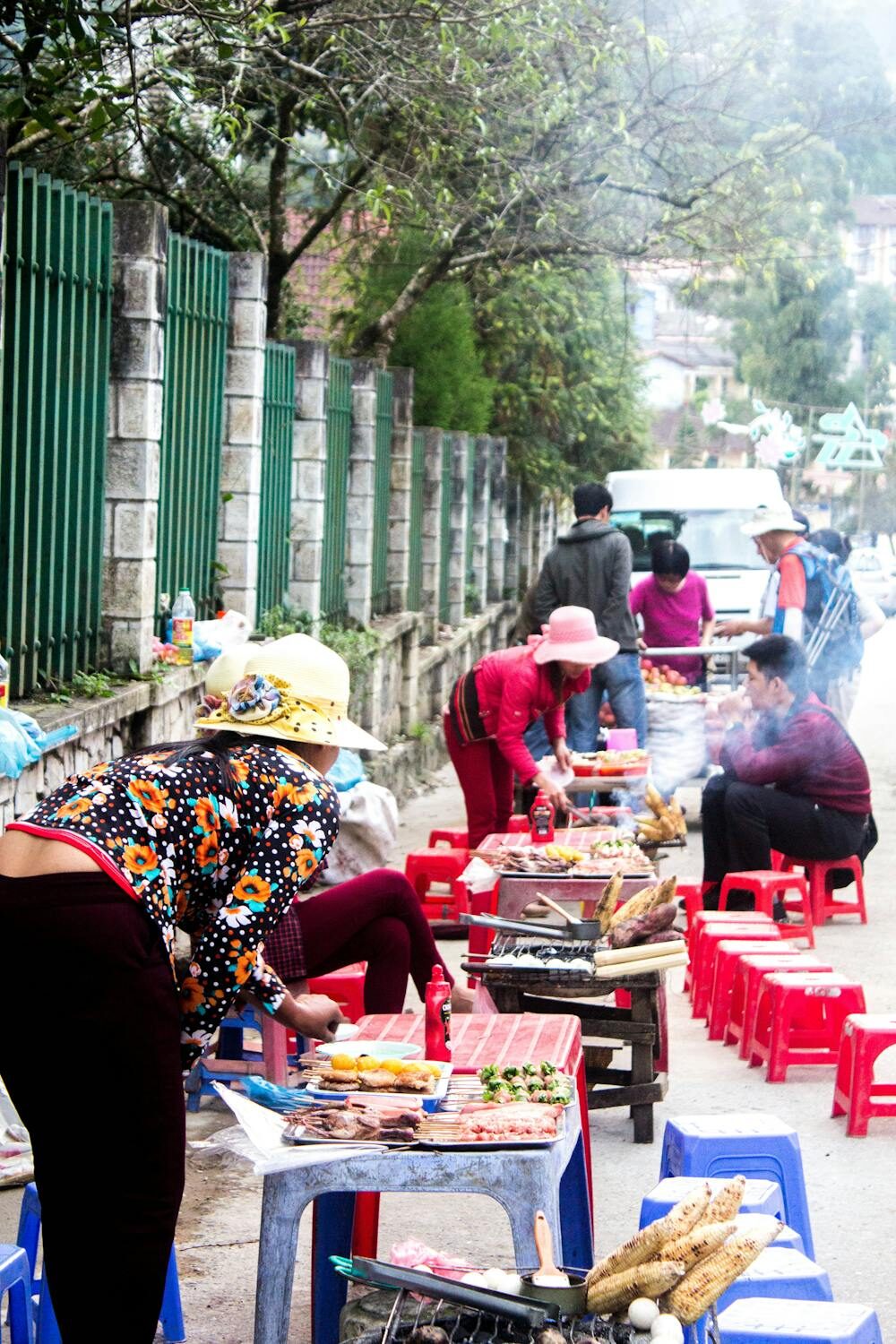
Vietnamese Street Food Culture: A Symphony of Aromas
Vietnam’s vibrant street food culture is a delightful reflection of the nation’s passion for on-the-go dining.
The bustling streets, adorned with the enticing aromas of sizzling delicacies, attract locals and tourists alike on a culinary adventure waiting to be explored.
Vietnamese street food offers a diverse array of on-the-go delicacies, each a testament to the nation’s culinary creativity.
Health Benefits of Vietnamese Cuisine: Nutrient-Rich Herbs and Lean Proteins
Vietnamese cuisine has long been celebrated not only for its exquisite flavours but also for its inherent focus on fresh, natural ingredients, making it a culinary choice that aligns well with a healthy and balanced lifestyle.
Vietnamese cuisine embraces a vibrant array of fresh herbs and vegetables, adding colour, freshness, and nutritional value to every meal.
Staples like mint, cilantro, coriander, and basil are commonly used, imparting a fragrant and aromatic quality to dishes.
Vegetables, from crisp bean sprouts to crunchy cucumbers, are not mere accompaniments but integral components that contribute to the overall balance and healthfulness of Vietnamese cuisine.
Proteins are a fundamental building block of a healthy diet, and Vietnamese cuisine incorporates lean protein sources judiciously.
Vietnamese cuisine is a journey through history, culture, and a diverse landscape of flavours.
From the bustling streets of Hanoi to the Mekong Delta’s tranquil waters, each dish tells a story of Vietnam’s resilience and culinary artistry. 🍲
Related To Vietnamese Cuisine:
Indian Cultures Across The World: Indian Culture Today The Impact They Had In Other Countries
Great Must-Have Indoor Plants For Tropical Countries Like Singapore!