

When coping with turbulence is hard enough, imagine being on a flight that suddenly takes a nosedive towards the ground. 🤯
The thought of airplanes suddenly nosediving towards the ground is a truly terrifying and unsettling idea.
Just imagine yourself being in that seat 😨. The video was recorded in March 2024 when a LATAM Airlines fight in Australia nosedived out of the blue.
The sheer speed and force at which they descend, combined with the knowledge of the potential catastrophic consequences, makes it a gut-wrenching watch. Fortunately, the incident resulted in only a few dozen injuries.
The same could not be said for China Eastern Airlines Flight 5735, in March 2022, when the nosediving plane, with 132 passengers and crew on board, met its ultimate demise.
According to western reports, the crash was deemed an intentional one. A tragic story of a murder suicide, this story reveals that nosedives are not just a consequence of natural forces, but also man-made ones.
In the backdrop of recent aviation episodes of sudden nosedives, severe turbulence, and fatal plane crashes, many fear that their next holiday visit may become their last. Yet, are such fears irrational or is there reasonable concern for the increasing trend of aviation disasters? 🤔
Nosedives During Flights Are Not a Common Occurrence
If you already struggle with a fear of flying, these stories might have you questioning your upcoming flights. The anxiety that stems from hearing about such incidents can be overwhelming, making it difficult to focus on the fact that air travel is statistically one of the safest modes of transportation.
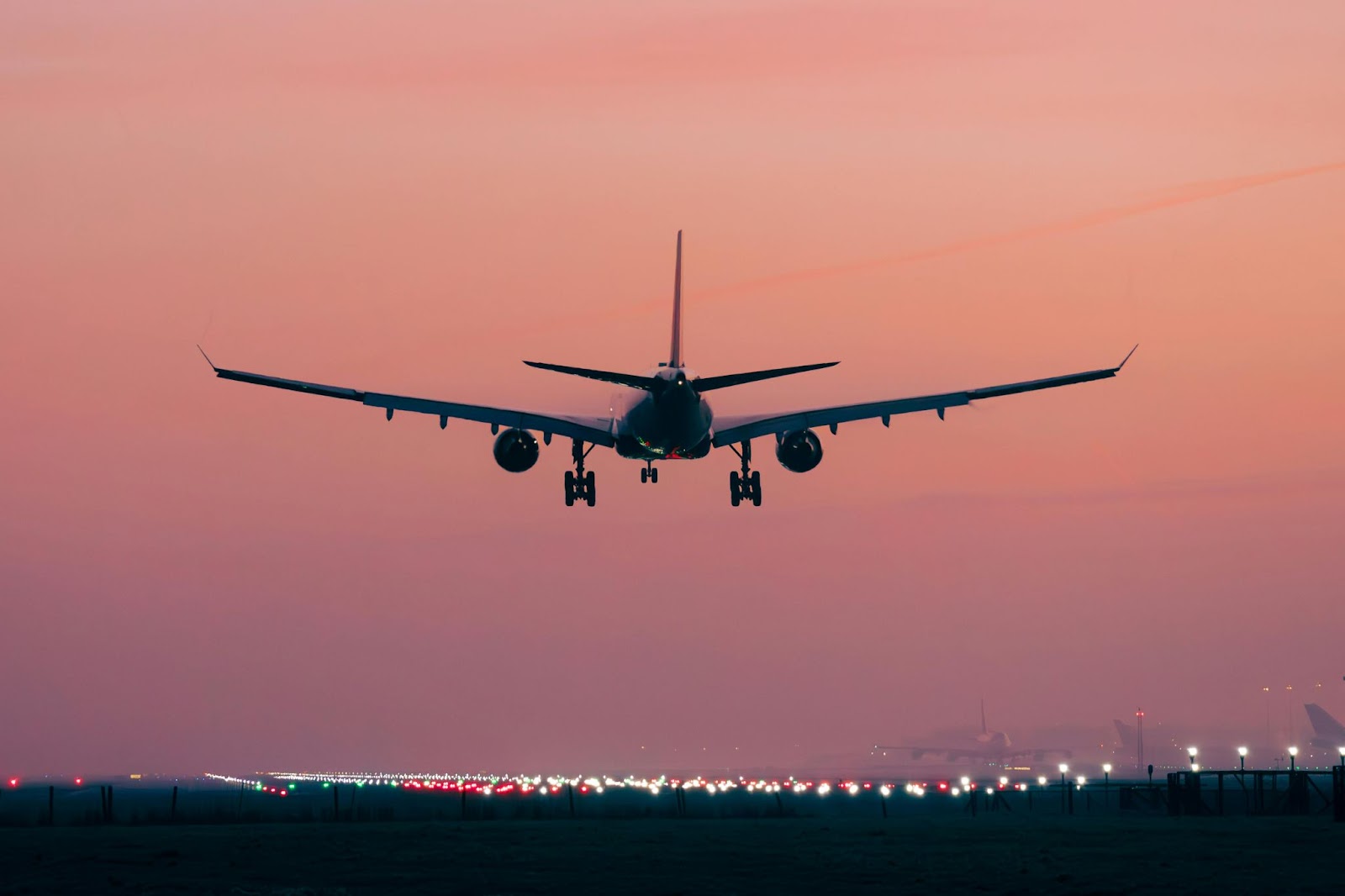
Source: Pexels
Yet, these incidents that are highlighted and reported by the media are just a small fraction of the over 20 million global flights a year. That means for every nosedive reported, there are 99.9% of flights that go off without a hitch and don’t receive any attention from the media. 📰
This vast number of successful flights is a testament to the rigorous safety standards and protocols that govern the aviation industry. These protocols are meticulously designed and continuously updated to ensure the utmost safety for passengers and crew alike.
Pilots go through thorough medical exams every year to ensure their health, and most commercial operators, especially the airlines, have two pilots at the helm to provide an additional layer of security and oversight. This dual-pilot system is crucial in managing the complex operations of modern aircraft and ensuring that any potential issues are addressed immediately and effectively.
Aircraft undergo regular and detailed inspections before hitting the runways, and professional mechanics must comply with strict standards to avoid blunders. These inspections cover every critical aspect of the aircraft, from the engines to the electronic systems, ensuring that each flight operates under optimal conditions. The expertise and dedication of these mechanics are essential in maintaining the high safety standards of the industry. 📜
Due to the way media has evolved, nosedives or major crashes spread disproportionately more fear and anxiety, despite how statistically rare they are. The sensational nature of these stories captures and holds the public’s attention, leading to a skewed perception of the actual risks involved. While these incidents are tragic and newsworthy, they do not reflect the overall safety and reliability of air travel. The focus on such dramatic events often overshadows the countless successful flights that occur every day without incident, reinforcing the importance of maintaining perspective when it comes to aviation safety.
Likely Causes of Nosedives
This facebook live stream was captured in the last moments by a passenger on the Yeti Airlines Flight 691, before the plane tilted to the left and abruptly crashed in 2023.
According to the detailed final incident report released by aviation authorities, there were numerous contributing factors that led to this devastating tragedy. Among them, human error played a significant role, primarily due to the high workload experienced by the flight crew. The report highlights how the stressful conditions and the complex demands placed on the crew members ultimately compromised their ability to manage the situation effectively, leading to the catastrophic outcome.
In a tragic and fatal coincidence, the co-pilot Anju Khatiwada passed away in the same manner as her late husband. Her husband, who was also a pilot for Yeti Airlines, tragically lost his life in a plane crash that occurred in 2006.
Barring suicidal attempts from the cockpit, when a nosedive does occur, it is usually due to a mix of human error and mechanical issues.
Despite stringent aviation standards for pilot competency and management, even if a pilot makes a mistake, planes are designed to correct these errors. However, many parts hold an airplane together, and while rare, they can fail.
In conclusion, while nosedives during flights are a frightening thought, they are statistically extremely rare. Most pilots are trained adequately and managed carefully to ensure each flight is in the hands of extremely capable and healthy individuals, and even if they are prone to errors (as humans are), planes are designed to prevent crashes.
So, the next time you’re on a flight, and you find yourself fearing for the worst, remember that you’re safer than you think. 🦺
Related to planes Nose Diving:
Lightning And Airplanes: How Aircraft Stay Safe In Stormy Skies