


There are so many food packaging materials to choose from, but choosing the right one can be daunting as a business!
With this guide, you can make the most suitable choice that not only protects your products but also appeals to your customers!
Why the Type of Products Matters?
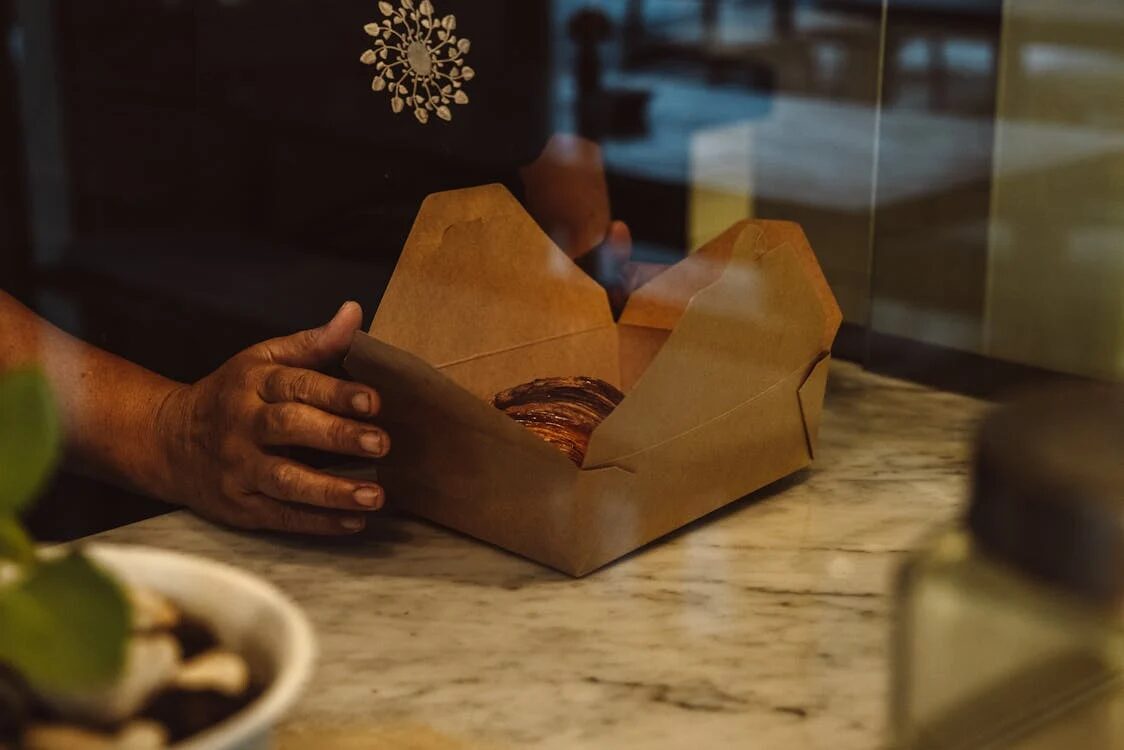
Image source: Pexels
When it comes to choosing the food packaging, the kind of products you’re selling matters.
If you’re serving hot beverages, you will need packaging that can withstand the high temperatures, without compromising on the quality of the drink!
Whereas, for cold drinks or desserts, the packaging should be able to keep them frozen for a longer period! ❄️
How to go Above and Beyond for Hot Beverages!
Hot paper cups are a staple in the coffee and tea industry, they’re affordable, convenient, and most importantly, they can withstand high temperatures.
However, not all hot paper cups are created equal. Look for cups that are made from high-quality paperboard and have a secure lid to prevent spills.
Additionally, consider cups with a decorative sleeve to give your brand an extra touch.
Food To-Go: Microwaveable Containers,
Microwaveable containers are a must-have for any food establishment that offers to-go meals.
They’re convenient, easy to use, and can be reheated in a matter of seconds.
When choosing microwaveable containers, look for ones that are made from BPA-free materials and have a secure lid to prevent spills. Additionally, consider containers with ventilation to prevent moisture buildup.
Fresh Produce: Breathable Packaging
When it comes to fresh products, usually require packaging that allows for airflow and moisture exchange, which is why breathable packaging such as paper bags, mesh bags, and vented containers are perfect for fruits and vegetables.
These types of packaging prevent moisture buildup, which can cause produce to spoil quickly. Consider looking for packaging that is made from sustainable materials and has a natural, earthy feel to it. 🪵
The Best Packaging For Frozen Food — Insulate
When it comes to frozen food, letting it melt would defeat the whole purpose! 🫠
Hence, in such cases, it’s best to get insulated packaging which can be foam containers, insulation bags, and frozen meal boxes which are perfect for frozen foods.
Using packaging that prevents temperature fluctuations can help minimize the risk of frozen food thawing.
These types of packaging prevent temperature fluctuations, which can cause frozen foods to thaw. Look for packaging that is made from high-quality materials and has a secure seal to prevent air from entering.
Snacks: Resealable Packaging
Snacks require packaging that is convenient and easy to use. Resealable packaging such as ziplock bags, resealable containers, and stand-up pouches are perfect for snacks.
These types of packaging allow customers to easily open and close them, making them perfect for on-the-go snacking. Look for packaging that is made from durable materials and has a secure seal to prevent spills.
Baked Goods: Decorative Packaging
Baked goods require packaging that is both functional and decorative. Decorative packaging such as paper bags, twine, and decorative boxes are perfect for baked goods.
These types of packaging add a touch of elegance and sophistication to your products. Look for packaging that is made from high-quality materials and has a natural, earthy feel to it.
The Sustainability Factor When It Comes To Food Packaging
Sustainability is a major concern in the food packaging industry. Consumers are becoming increasingly eco-conscious, and businesses are expected to follow suit.
Look for reliable suppliers to use packaging that is made from sustainable materials, recyclable, and biodegradable. Additionally, consider packaging that has a minimal environmental impact. For instance, instead of using individual packaging for each product, consider using bulk packaging.
The Cost Factor
The cost of packaging can add up quickly, and it’s essential to consider your budget when choosing the right packaging for your business.
Look for affordable packaging, that meets your product needs.
Consider the cost of materials, labour, and shipping when calculating the overall cost of packaging.
The Branding Factor
Your packaging is a reflection of your brand, and it’s essential to consider your branding when choosing the right packaging for your business.
Packaging must align with your brand’s values, mission, and aesthetic (look out for the colour, design, and overall look of your packaging). 👀
Does it reflect your brand’s personality? Does it appeal to your target audience?
By considering these factors, you can make an informed decision that will not only protect your products but also appeal to your customers.
Packing is often the first impression of your product, so make it count!
Related to Food Packaging:
Your Guide To Choosing The Right Flowers For Your Corporate Event – Guidesify