


Ever played with that one soccer teammate who’s always whining, rude, or just plain lazy?
Yeah, we’ve all been there. 🙄
Maybe you’ve even come across more than one of these people (if so, I’m really sorry 😥).
It’s tough, right? You want to focus on your game, but somehow, you’ve got to deal with their negativity too. Ughh
But here’s the good news: there’s usually only one or two toxic players in the team.
How do I actually deal with them without losing my cool? Can’t I just ignore them and let someone else handle it? 🤷♂️
If these questions are racing in your thoughts, don’t worry—it’s normal!
No one likes dealing with negative people, especially on the field where the pressure is already high.
But here’s the kicker: if you learn how to handle these moments like a pro, you’ll be invaluable to your team—on and off the pitch. 💪
(Note: If you can show such leadership traits, you will catch all the coaches’ eye)
The Hard Reality of Toxic Teammates
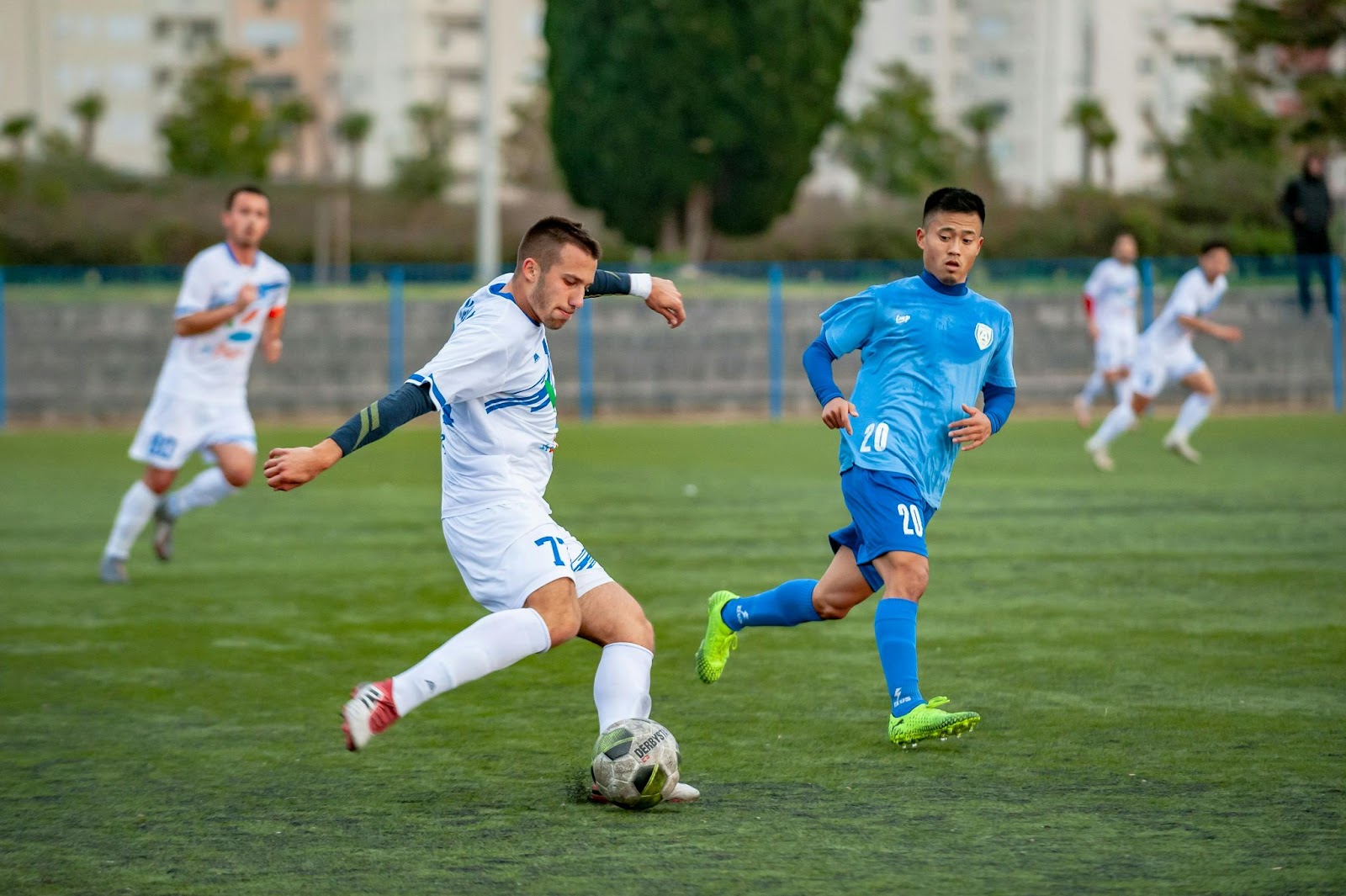
Source: Pexels
Having toxic people in your team is rough.
They bring down the team’s vibe, create unnecessary drama, and distract everyone from what really matters — winning. 🏆
It’s a challenge, but the key is knowing how to handle them and not let their behaviour ruin the whole experience.
Don’t Let Your Unpleasant Teammates Affect Your Confidence
One of the most important things to remember when dealing with toxic players is not to let their behaviour affect your confidence.
Your worth as a player is not determined by their opinions or actions. 💯
You’ve worked hard to get where you are, so don’t let some negative energy distract you.
Keep your head focused on your own performance and don’t get dragged into unnecessary arguments. 🧠
Rude Behaviour Stem From Deeper Issues
Remember, sometimes toxic behaviour stems from personal issues they’re dealing with.
Try to stay patient and, if possible, understand where they’re coming from.
But don’t let it slide either and acknowledge that their actions are causing hurt to others in the team.
Talk To Toxic Players With Honesty And Care, They Want To Be Heard
You know what works wonders with difficult teammates? Being candid with them.
It’s all about being honest and caring at the same time. 💌
You can call someone out on their behaviour but still show you care about them as a teammate.
Take an example of a lazy soccer player with a bad attitude.
Instead of saying, “You’re so lazy! You have been terrible the whole game and you are not playing for the team” (not helpful really).
You could say something like, “Hey, I’ve noticed we’ve been struggling in the last few games because we’re getting tired too quickly. How about we train together and boost our stamina for the team?”
The second addresses the deeper issue without directly conflicting with your teammate.
Show That Your Kindness Is Not A Weakness But A Strength

Source: Pexels
One of the best ways to handle rude or aggressive teammates is by showing kindness. Yep, you read that right!
Being kind doesn’t mean being weak; in fact, it shows you’re strong enough to rise above the negativity.
Responding with calmness and empathy can completely disarm them and send a message that their behaviour will not get to you.
For example, if someone starts shouting at you, instead of yelling back, you could say, “I hear you, but let’s focus on how we can win together.”
This approach helps de-escalate tension, showing you’re there for the team, even when things get heated. 🔥
Admittedly, this is one of the hardest things to do and feels like a lowering of ego, but it is so effective.
Sometimes, people act out because they’re frustrated or dealing with their own problems.
By responding kindly, you’re not just diffusing the situation but also showing emotional resilience. That makes you an MVP—on and off the field. 🏅
Demand Excellence And Don’t Expect Perfection
Here’s another tip: always strive for excellence in your team, but don’t expect perfection.
It’s crucial to hold everyone to a high standard, but also understand that no one is perfect—not even you. 💁♂️
Encourage your teammates to give it their all, but also keep emotions in check.
Arguments in soccer are unavoidable, after all it is an emotional game, so it is crucial to handle them maturely.
High standards are awesome for team growth, but remember that improvement is a journey, not an instant fix. 🚶♀️
So next time you’re dealing with that difficult soccer teammate, just remember—you’ve got this!
Keep calm, stay positive, and lead by example. 🌟
Related to Soccer:
How To Prep For Soccer Tryouts Effectively (POV By An Ex-Academy Player)
Step-by-Step Guide to Juggling a Soccer Ball Easily For Beginners