

When it comes to tablets, two names dominate the market: Apple’s iPad and Samsung’s Galaxy Tab.
Both offer sleek designs, powerful performance, and a range of features that cater to different needs.
But how do you choose between them?
If you’re already part of the Apple ecosystem, the iPad might feel like a natural fit.
On the other hand, Samsung’s Galaxy Tab offers versatility and flexibility that could appeal to Android users or those looking for something different.
Let’s break down the pros and cons of each tablet, explore how they integrate into your digital life, and help you decide which one suits your needs best.
Why The iPad Is A Great Choice If You’re Already In The Apple Ecosystem
Source: Pexels
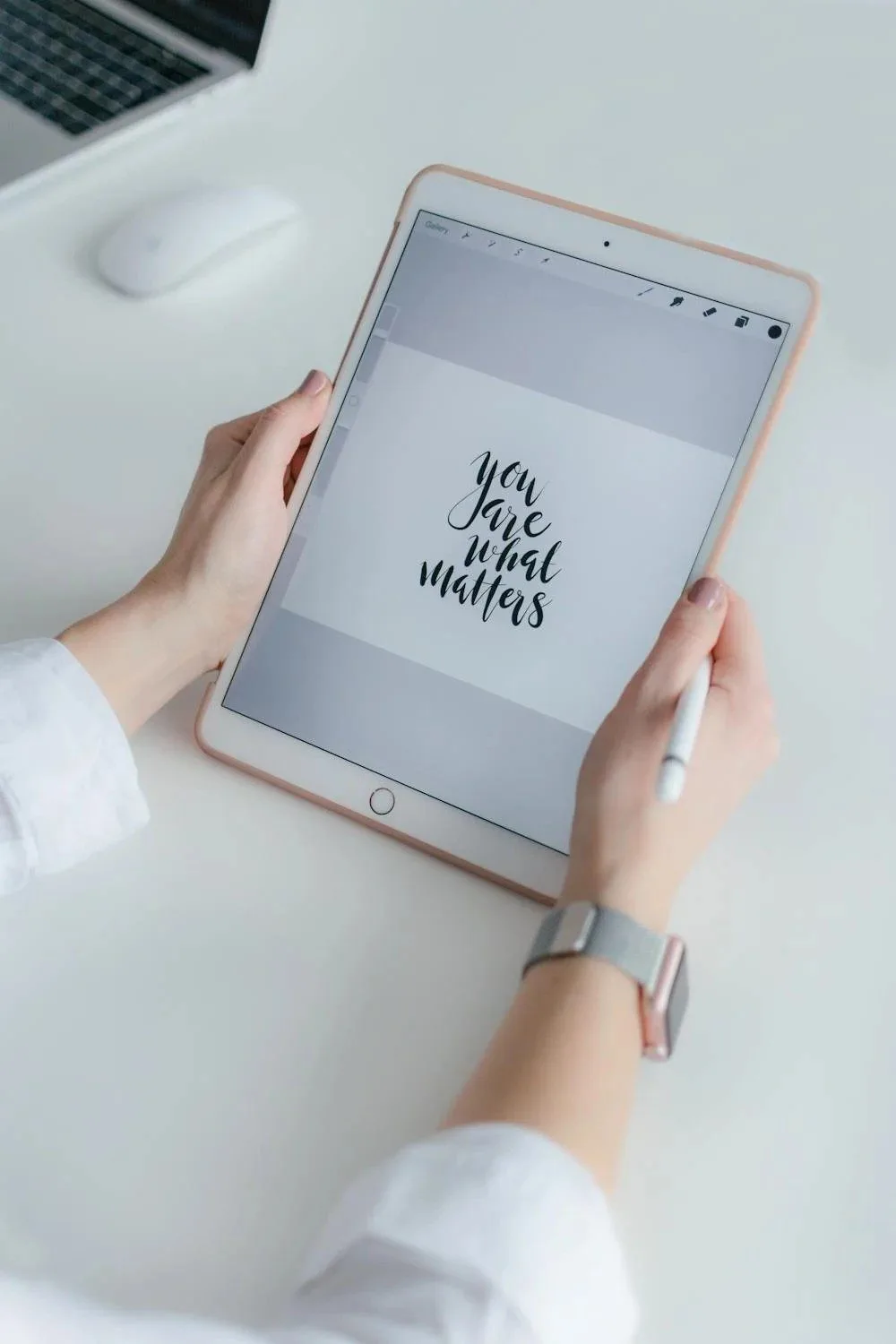
If you own an iPhone, MacBook, or Apple Watch, the iPad seamlessly integrates into your existing setup.
This is one of its biggest selling points.
Features like Handoff, AirDrop, and iCloud sync make it incredibly easy to move between devices.
For example, you can start writing an email on your iPhone and finish it on your iPad without missing a beat.
The iPad Also Benefits From Apple’s Robust Software Ecosystem
Source: Pexels
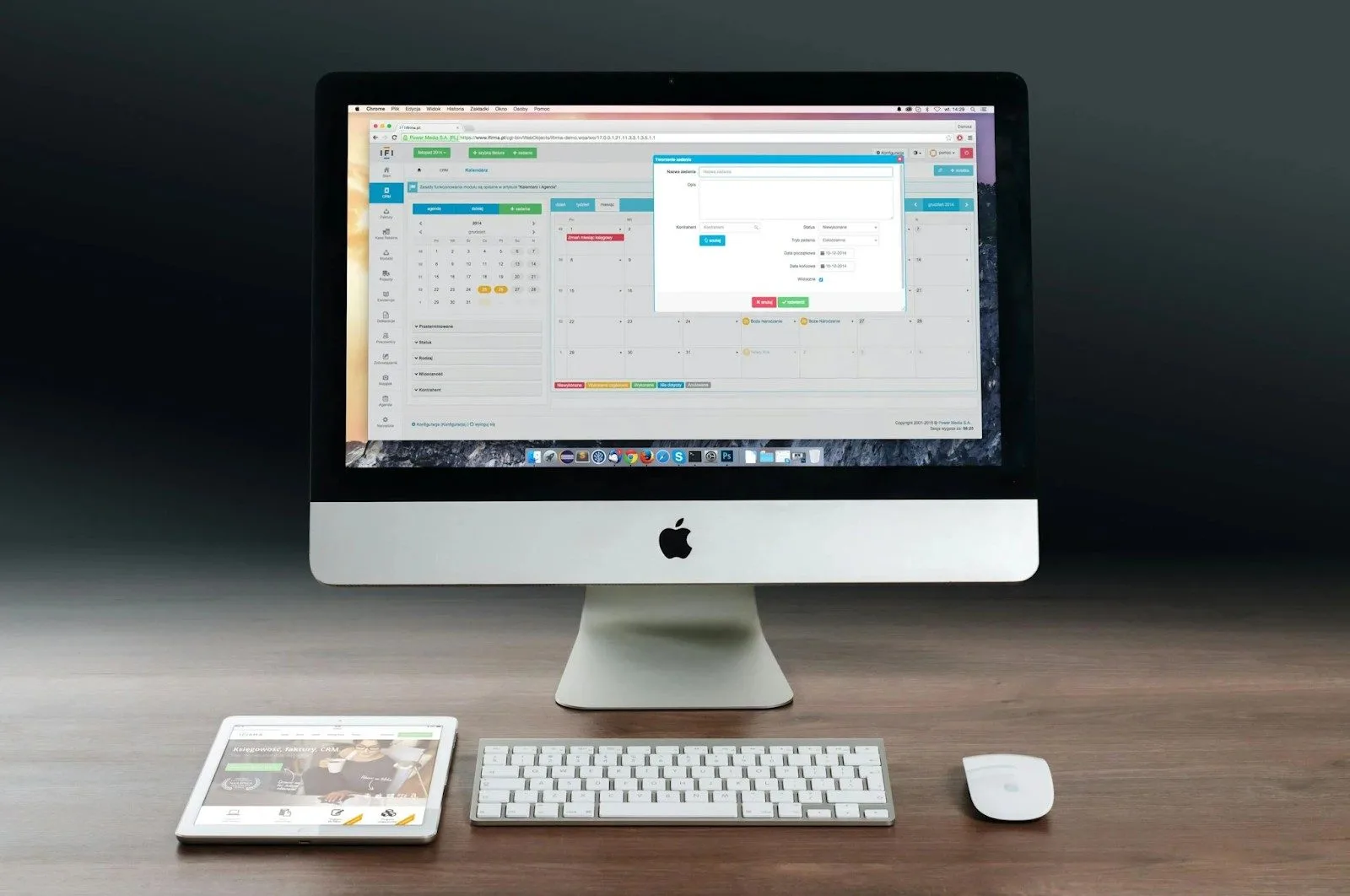
iPadOS is intuitive, optimised for touch, and packed with features like Split View, Slide Over, and Apple Pencil support, making multitasking and productivity a breeze.
Apps on the App Store are often designed with the iPad in mind, ensuring a smooth and polished user experience.
Another advantage is the iPad’s reputation for longevity.
Apple provides consistent software updates for years, meaning your device stays secure and up-to-date long after purchase.
This reliability makes the iPad a solid investment for those who value stability and long-term usability.
However, there are some downsides.
iPads tend to be more expensive than their Galaxy counterparts, especially when you factor in accessories like the Apple Pencil or Magic Keyboard.
Additionally, if you’re not already invested in the Apple ecosystem, the iPad might feel restrictive due to its lack of compatibility with non-Apple products.
Why The Galaxy Tablet Offers Flexibility And Versatility
Source: Pexels
Samsung’s Galaxy Tab series is a strong contender for anyone seeking a feature-rich tablet that works well with Android devices or even as a standalone powerhouse.
One of its standout advantages is its versatility.
Unlike the iPad, which locks you into Apple’s walled garden, the Galaxy Tab plays nicely with a wide range of platforms and services.
For instance, if you use Google Workspace apps like Gmail, Docs, and Drive, the Galaxy Tab feels right at home.
It also supports microSD cards for expandable storage, a feature absent in most iPads.
This makes it ideal for users who need extra space for large files, photos, or media libraries without relying on cloud storage.
The Galaxy Tab Excels In Hardware Innovation
Models like the Galaxy Tab S9 Ultra boast stunning AMOLED displays, powerful processors (often Snapdragon or Exynos), and advanced multitasking capabilities through Samsung’s DeX mode.
DeX transforms your tablet into a desktop-like interface, perfect for productivity enthusiasts.
On the flip side, while the Galaxy Tab offers incredible specs, its software experience isn’t quite as polished as iPadOS.
Updates can sometimes lag behind Apple’s timeline, and certain apps may not run as smoothly on Android tablets compared to their iOS counterparts.
Additionally, Samsung’s ecosystem doesn’t have the same level of seamless integration as Apple’s, which could frustrate users looking for a unified experience.
Pros And Cons Of Choosing An iPad Over A Galaxy Tablet
Why The iPad Might Be Your Best Bet
Seamless Integration: If you’re already using Apple devices, the iPad fits effortlessly into your workflow. Tools like Continuity Camera (which lets you take photos directly from your iPhone within iPad apps) and Universal Clipboard enhance productivity.
App Quality: The App Store has a vast selection of high-quality apps optimized specifically for iPadOS, giving you access to top-tier creative tools like Procreate and LumaFusion.
Longevity: With regular software updates and durable build quality, iPads remain functional and relevant for years.
However, the iPad’s premium price tag and limited cross-platform compatibility might deter budget-conscious buyers or those tied to non-Apple ecosystems.
Why The Galaxy Tablet Could Be A Better Fit
Customization: Android offers greater flexibility in terms of customization. You can tweak settings, install third-party launchers, and personalize your tablet to suit your preferences.
Expandable Storage: The ability to add microSD cards gives Galaxy Tabs an edge over iPads when it comes to managing storage.
Price-To-Performance Ratio: Samsung often provides excellent value for money, offering flagship-level specs at competitive prices.
That said, inconsistent software updates and occasional app optimization issues can detract from the overall experience.
Examples Where Each Tablet Shines In Real-Life Scenarios
Imagine you’re a student juggling notes, assignments, and presentations.
If you’re already using an iPhone and MacBook, the iPad becomes a no-brainer.
With Apple Notes, Pages, and Keynote syncing across all your devices, staying organized is effortless.
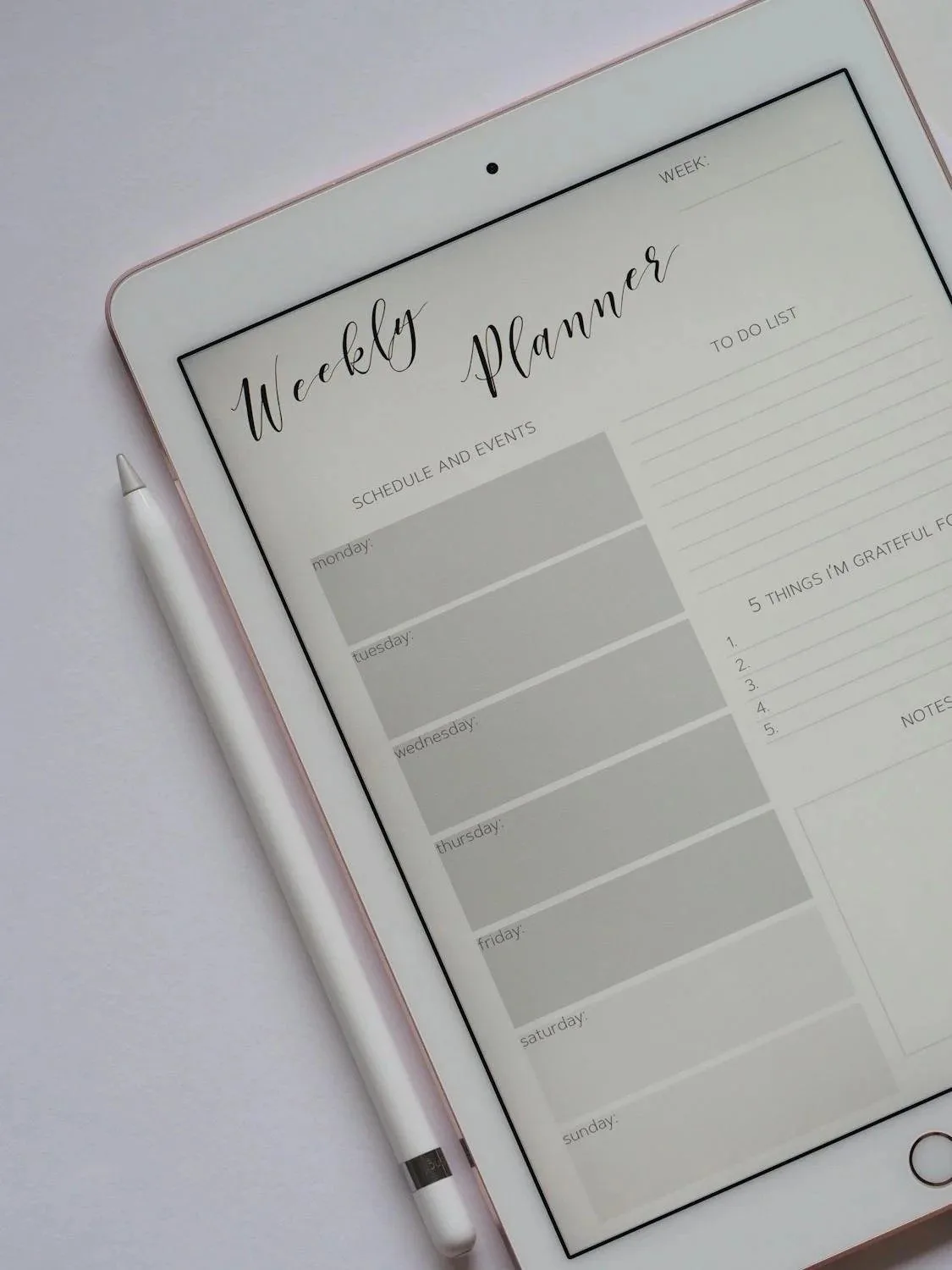
Pair it with an Apple Pencil, and taking handwritten notes during lectures feels intuitive and efficient.
Now, consider someone who relies heavily on Google services for work.
They’d likely gravitate toward a Galaxy Tab.
Its native integration with Gmail, Google Drive, and Google Docs ensures a hassle-free workflow.
Plus, the option to use DeX mode turns the tablet into a makeshift laptop replacement, complete with keyboard shortcuts and resizable windows.
Both tablets shine in different contexts.
The iPad excels in scenarios where ecosystem synergy matters, while the Galaxy Tab stands out for its adaptability and practicality.
Why Personal Preference Matters When Choosing Between iPad And Galaxy Tablet
Source: Pexels
At the end of the day, choosing between an iPad and a Galaxy Tab boils down to personal preference.
Are you someone who values simplicity, polish, and deep integration with other devices?
Then the iPad might be your perfect match.
On the other hand, if you prioritise customisation, affordability, and compatibility with multiple platforms, the Galaxy Tab could be the better choice.
Neither option is inherently “better”.
It’s about what aligns with your lifestyle and priorities.
Related To iPad And Galaxy Tab:
Things You Should Consider Before Sending Your Phone For Repair
The Rise Of Huawei: How Huawei Excelled in the Smartphone Industry