

Have you ever felt that something about the internet just seems…off?
Yeah, like you’re scrolling through social media but everything feels strangely repetitive, almost robotic.
What if I told you that a huge chunk of tweets, articles, and even comments on your favourite posts you see online, might not be written by real people?
Well, that’s the chilling premise behind the dead internet theory.
The internet is starting to feel less like a chaotic digital town square and more like a scripted show, where unseen forces decide what we see, talk, and even believe in.
If so much of the online world is artificial, it raises serious questions about its influence on our thoughts, behaviours, and perceptions of reality.
What Is The Dead Internet Theory?
The dead internet theory is the unsettling belief that much of the content in the online world is no longer driven by real humans but instead, predominantly by artificial intelligence (AI) agents.
These agents are capable of creating posts instantly alongside AI-generated images designed to farm engagements on platforms such as Facebook, Instagram, and TikTok.
But the theory doesn’t just stop there.
Many of the accounts engaging with such content also appear to be AI-operated, leading to an endless loop of artificial interactions.
This creates a vicious cycle of artificial engagement, making human participation increasingly irrelevant.
AI’s Role In Shaping Misinformation And Manipulating Public Opinion
The rise of AI has transformed the digital landscape, influencing how information is created, distributed, and consumed.
With its ability to analyse vast amounts of data, predict trends, and personalise content, AI is not just a tool for automation, it has become a force capable of shaping public perception.
Source: Pexels
AI-Generated Misinformation Is Changing The Narrative
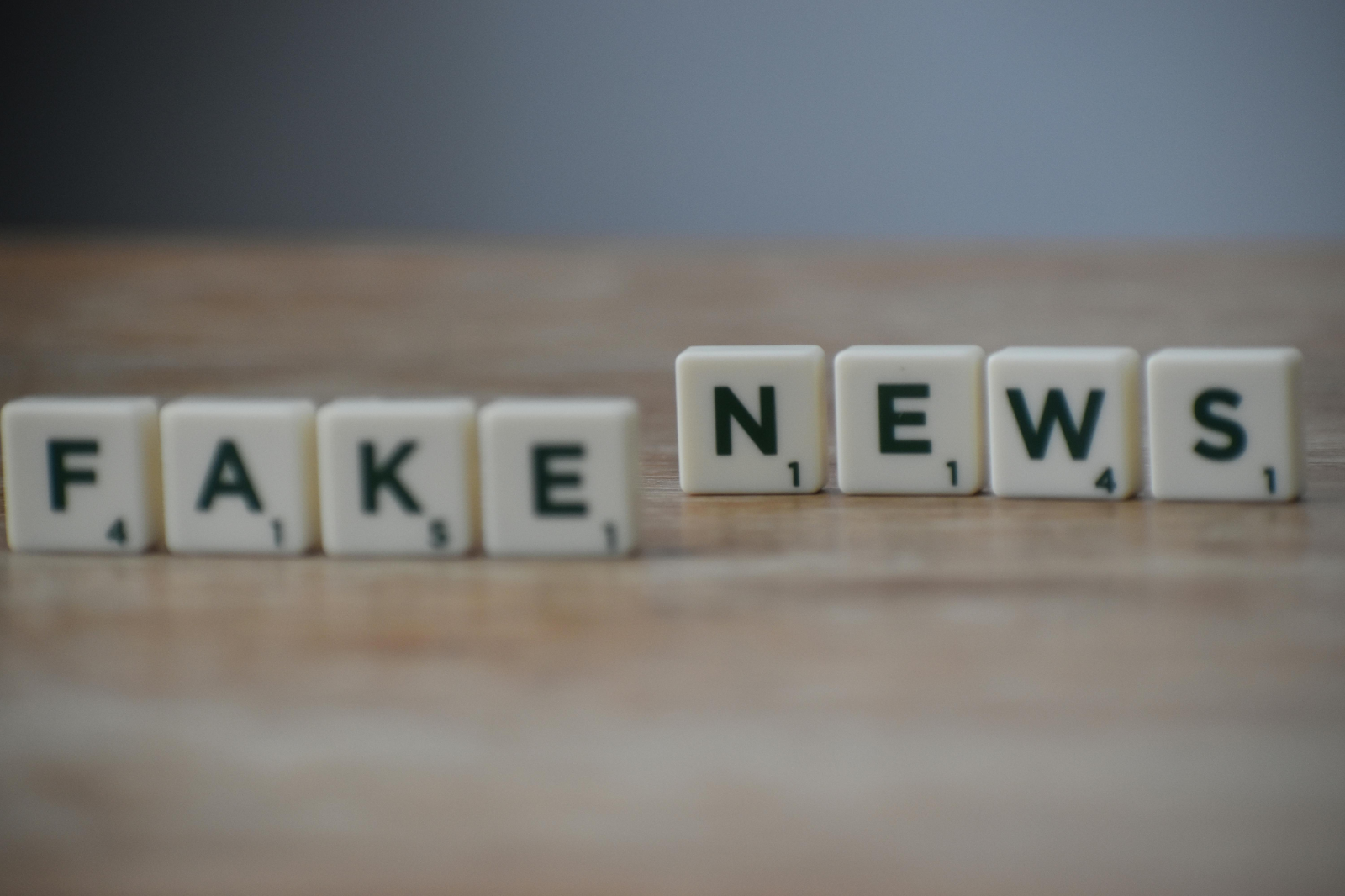
Misinformation has always been a challenge in the digital world, but AI has raised the stakes.
AI-driven tools can now generate realistic news articles, deepfake videos, and social media posts that are almost impossible to distinguish from authentic content.
This technological leap opens the door to a new era of manipulation.
How Bots Amplify Disinformation
Governments, corporations, and bad actors can exploit AI to spread propaganda, discredit political opponents, or fabricate events that never happened.
On X alone, the campaign deployed over 10,000 bot accounts to swiftly spread tens of thousands of pro-Kremlin messages, falsely attributing support for the war in Ukraine to U.S. and European celebrities.
As these AI-driven accounts grow in followers (many fake, some real), their high follower count legitimizes the account to real users.
This creates an army of accounts with inflated followings that can be deployed by those with the highest bid, further amplifying the spread of misinformation and distorting public discourse.
The ability to mass-produce deceptive content means that false narratives can reach millions of people instantly, with little to no oversight.
In that sense, history could be rewritten, public opinion manipulated, and social interactions hijacked by artificial entities posing as real people.
Are Internet Bots A Blessing Or Curse?
Source: Pexels
Bots, like many technological innovations, come with both advantages and drawbacks.
They can automate repetitive tasks, streamline processes, and improve efficiency across industries.
On the other hand, they can easily be misused, creating significant ethical and social concerns.
Their ability to simulate human interaction often blurs the line between genuine and artificial communication, leading to potential manipulation of public opinion.
In many ways, bots are a double-edged sword. They hold the potential to revolutionize how we work and interact but also pose risks that we must be vigilant about.
As we integrate them further into our digital lives, it’s essential to balance the benefits with the potential harms, ensuring they serve humanity’s best interests rather than undermine them.
Collapse of the Free Internet and the Rise of Controlled Online Spaces

Source: Pexels
The Dead Internet Theory isn’t claiming that your interactions online are entirely fake, but it does offer a thought-provoking way to think about the Internet today.
In this view, the open and creative internet we once knew, is essentially “dead.”
It’s no longer a space where people freely express themselves and share ideas.
Instead, the landscape has changed, and now it seems like the internet is more about controlling the flow of information.
Artificial intelligence and automated systems have shifted the balance, making the space feel less personal and more engineered.
We should remain sceptical, question prevailing narratives, and recognise that what feels like an organic movement may be a carefully crafted illusion.
Related to the Internet:
3 Types of Fake News We See on the Internet
AI Is Driving Consultants To A Corner, Is It The End For Consulting?