
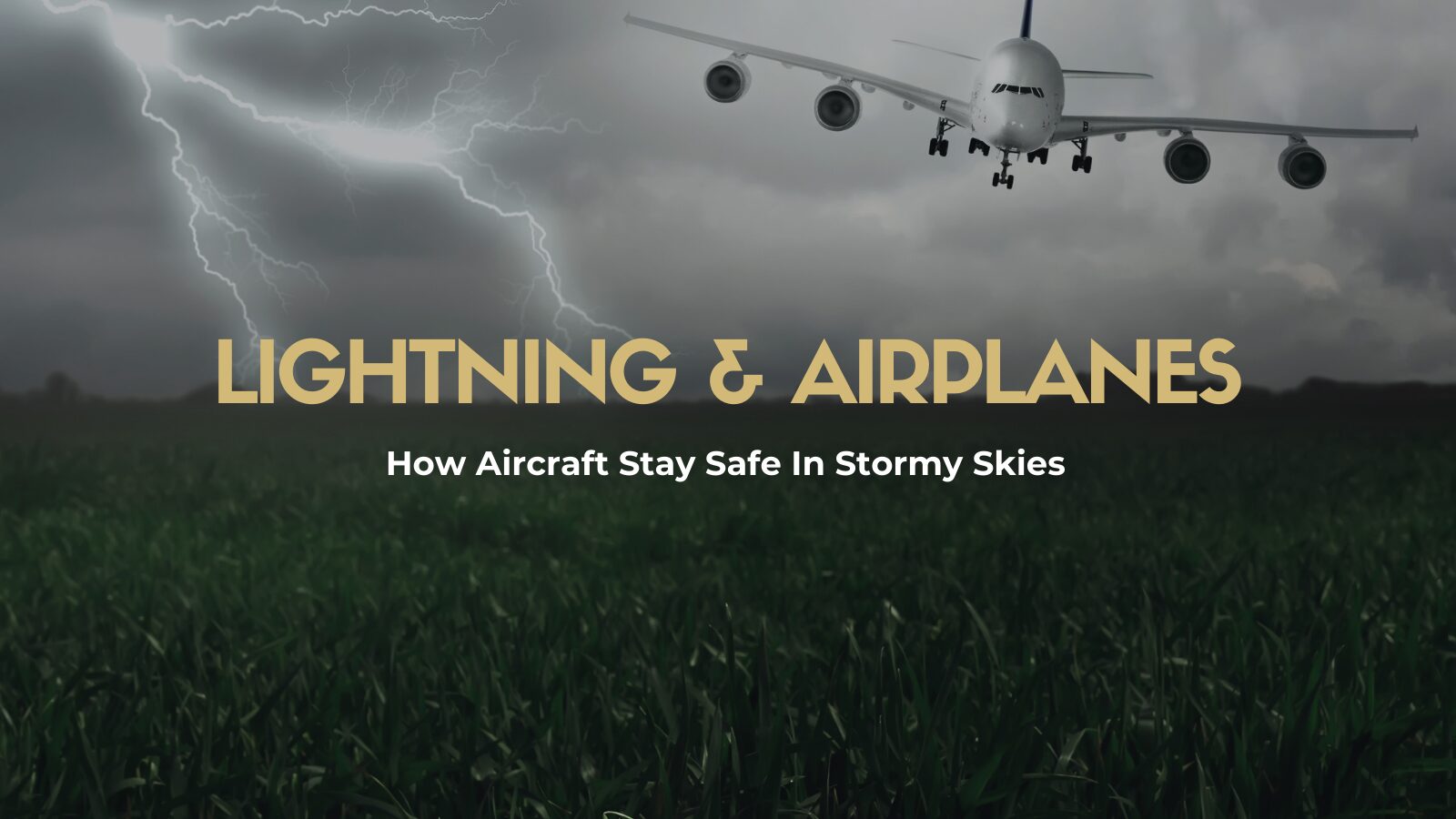

Flying in bad weather can be a nerve-wracking experience, but have you ever wondered what happens when an aircraft is hit by lightning? ✈️
Lightning Strikes on Aircraft Are More Common Than You Think!
Planes all over the world get struck by lightning almost daily as they are a natural target for lightning bolts! 🤯
On average, a commercial aircraft, that’s an aeroplane in commercial service, gets struck once per year.
Up until recently, planes were made from aluminium, which is a good conductor of electricity. If lightning strikes this metal, electricity flows along the route of least resistance, the metal skin, and exits harmlessly before continuing its natural journey to Earth.
What Can Affect Lightning Strike Occurrence?

Source: Pexels
The frequency of a specific aircraft getting hit depends on several factors.
The most obvious no-brainer factor is how many take-offs and landings the aircraft performs. Planes that are used infrequently have a lower chance of getting struck by lightning as compared to one that flies several times a day. 🤔
Another factor is the geographic location where the plane is flying. Areas near the equator are more prone to lightning and thunderstorms because the warm air in those areas creates convection currents! 🧑🔬
Lightning activity is also more prevalent at lower altitudes, between 5,000 and 15,000 feet. Most strikes also occur when an aircraft is flying through clouds ⛈️
How Is An Aircraft Strucked By Lightning Fine?
About 70% of lightning strikes occur in the presence of rain, while aeroplane strikes occur at nearly freezing temperatures. 🥶
During a flight, lightning typically makes contact with a protruding part of the plane, such as the nose or wing tip.
The aircraft then flies through the lightning flash, which travels along the body, choosing the path of least resistance.
A metal fuselage which is the main body of an airplane acts like a Faraday cage, protecting the inside of the plane while the voltage moves along the outside of the container.
Modern Planes and Lightning Strike Protection

Source: Pexels
Modern planes make extensive use of composite materials that don’t conduct electricity well, which complicates things. Here’s why.
Manufacturers have to interweave a thin metallic mesh, only a few thousandths of an inch thick, into the skin of the plane.
This system acts as an inductive shield, in much the same way as aluminium, allowing electrical energy to flow through it. ⚡
An aircraft will then need to undergo specific lightning tests to ensure they can withstand hits as part of their certification.
Examples of aircraft built with a mix of composite parts and metal are the Boeing 787 Dreamliner and Airbus A350!
Lightning Strike Can Damage Components Of The Plane
Potential short-term disruption with instruments may occur. The plane’s metal skin protection primarily extends to the delicate electrical wiring.
However, the current from the lightning can sometimes cause indirect lightning effects, where equipment beneath the skin is subjected to unwanted interference. 😵💫
For this reason, circuitry and equipment essential to the safe flight and landing of the aircraft must have specific protection in the form of shielding, grounding, insulation, and surge suppression.
Boeing notes that a strike of unusually high intensity can damage components such as electrically controlled fuel valves, generators, power feeders, and electrical distribution systems.
How Can Airlines Better Prepare For Lightning Strikes?
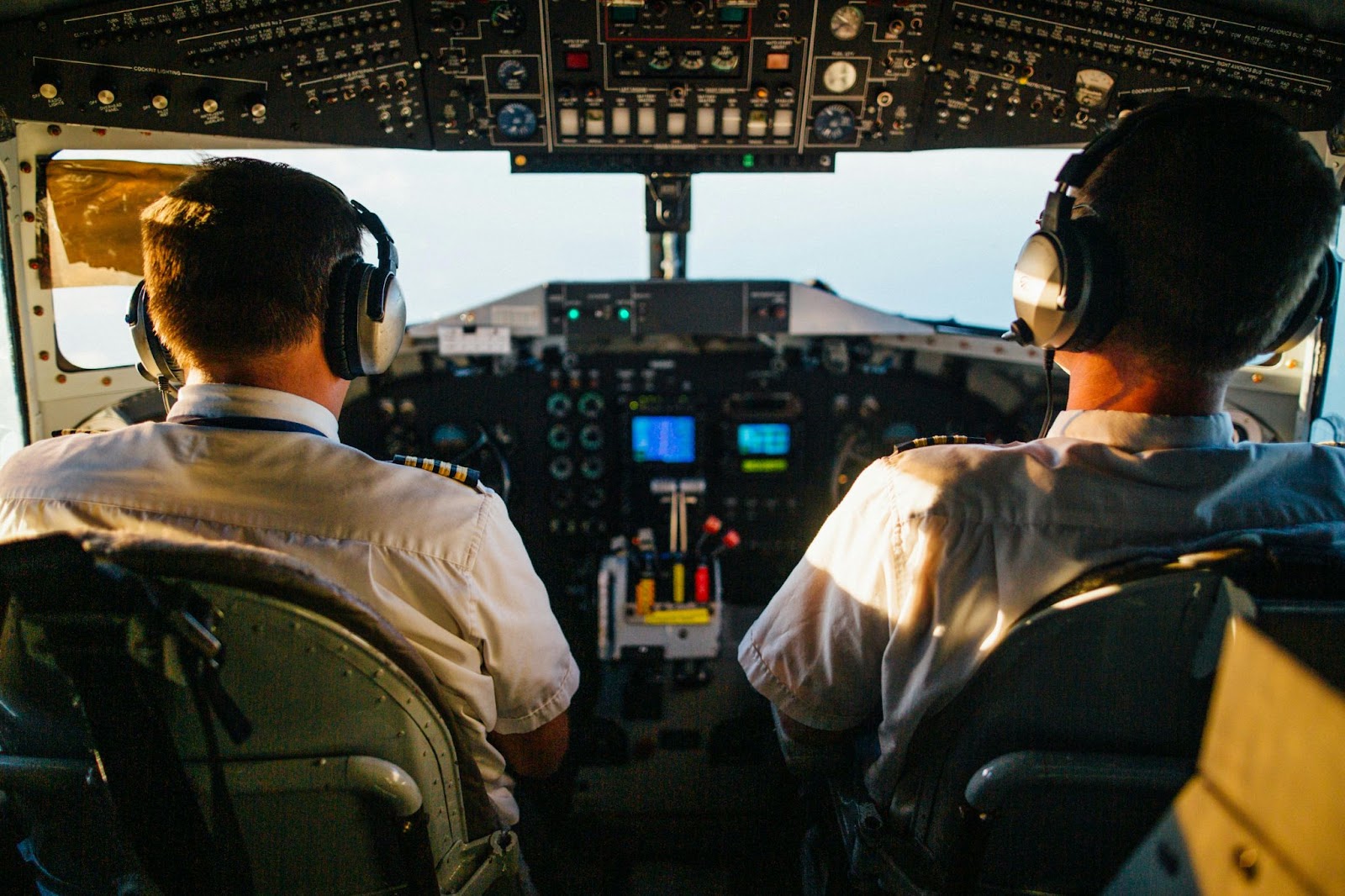
Source: Pexels
When constructing an aircraft’s fuel tank, it should be thick enough to withstand lightning and be heavily protected since it’s flammable.⚠️
All vents, access doors, and caps must adhere to the relevant lightning protection standards.
If the plane is struck by lightning, the trip can only be resumed if the pilots have ensured that all systems are functioning.
Otherwise, the aircraft will need to divert to the nearest airport to check for any damages on the ground.
Despite the frequency of lightning strikes, crashes following such occurrences are rare. So there’s no need to worry.
Related articles to planes:
Exploring the Safety of Air Travel: Planes, Hot Air Balloons, and Blimps Compared