

Starting an eCommerce store in 2025 is both thrilling and challenging.
With countless businesses competing for attention online, simply having a great product or a sleek website isn’t enough.
One of the most effective ways to attract consistent traffic to your store is through Search Engine Optimisation (SEO).
When done right, SEO can help your store rank higher in search results, bring in organic traffic, and ultimately drive sales.
Why Is SEO Essential For Growing Your Online Business?

Source: Pexels
Let’s face it: if people can’t find your store, they can’t buy from you.
That’s where SEO comes in.
Unlike paid ads, which stop delivering traffic once you pause your budget, SEO provides long-term benefits.
It helps your store rank higher on search engines like Google, making it easier for potential customers to discover you when they’re actively looking for products you sell.
SEO is a game-changer for eCommerce businesses.
Appearing on the first page of Google significantly increases your chances of being clicked, as studies show that the top three results get the majority of clicks.
Plus, SEO is cost-effective compared to paid advertising, and ranking highly in search results builds trust and credibility with users.
For example, imagine someone searching for “eco-friendly reusable water bottles.” If your store is optimised for that keyword, you’re much more likely to attract shoppers who are ready to buy.
Example Of A Successful eCommerce Store Driven By SEO
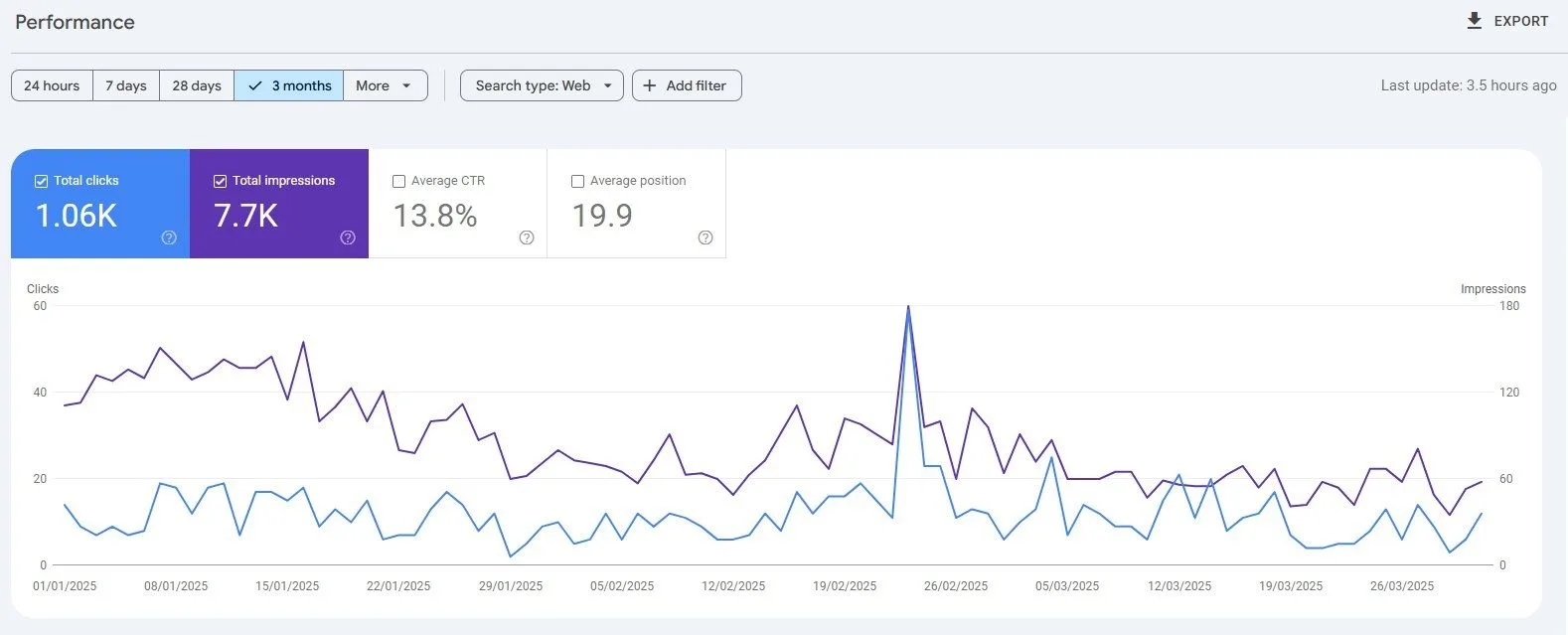
Source: Traffic Data For The Gentlemen’s Vault Website, Google Search Console
If you’re targeting niche markets like collectibles (e.g., Pokémon cards), SEO can be a game-changer.
Take The Gentlemen’s Vault, for example.
Their focus on rare Pokemon cards, combined with strategic keyword targeting, has made them a go-to destination for enthusiasts.
By optimising product pages for terms like “rare Pokémon cards” and “vintage collectibles,” they’ve driven significant organic traffic and built a loyal customer base.
How To Find Profitable Products To Sell Online Using Market Research

Source: Pexels
Finding the right products is the cornerstone of your eCommerce success.
Conduct thorough market research to identify trends and unmet customer needs.
Tools like Google Trends, Amazon Best Seller Lists, and social media platforms can provide valuable insights into emerging opportunities.
How to Conduct Keyword Research for Your Niche Market


Source: Pexels
Keyword research is the foundation of any successful SEO strategy.
Without knowing what your target audience is searching for, you’re essentially shooting in the dark.
Fortunately, tools like Google Keyword Planner, Ahrefs, and Semrush can help you uncover profitable keywords.
Focus On Long-Tail Keywords For Better Results
Start by identifying terms related to your products, but don’t just focus on high-volume keywords.
Look for long-tail keywords that are more specific and less competitive.
For instance, instead of targeting “yoga mats,” try “non-slip yoga mat for beginners.”
These longer phrases often convert better because they align closely with user intent.
Analyse Competitor Keywords To Find Gaps
Another valuable tip is to analyse your competitors.
Use tools like Ahrefs to see what keywords they’re ranking for and identify gaps in their strategy.
This can give you a significant edge in targeting underserved niches.
Optimising Product Pages To Rank Higher In Search Results
Your product pages are the heart of your eCommerce store, and they need to work hard to attract both search engines and customers.
Think of each page as a mini-landing page designed to convert visitors into buyers.
Craft Compelling Meta Titles And Descriptions
To optimise your product pages, start by writing compelling meta titles and descriptions.
These snippets appear in search results, so make them engaging and include your target keywords naturally.
For example, “Best Non-Slip Yoga Mat for Beginners – Eco-Friendly & Durable” is far more enticing than a generic title.
Write Unique And Detailed Product Descriptions
Next, create unique product descriptions.
Avoid copying manufacturer descriptions; instead, write detailed, original content that highlights the benefits and features of your products.
High-quality images are also crucial, so be sure to add descriptive alt text to help search engines understand your visuals.
Implement Schema Markup For Enhanced Visibility

Source: Pexels
Schema markup, also known as structured data, is a code that helps search engines understand your website content better by providing context and meaning to specific elements.
This increases your chances of appearing in rich snippets, and typically leads to richer search results.
For example, adding schema markup for reviews can make your product stand out in search results.
Building Authority Through Content Marketing for Your eCommerce Store
Content marketing isn’t just for blogs—it’s a powerful tool for eCommerce stores, too.
By creating valuable, informative content, you can attract backlinks, improve your domain authority, and drive more organic traffic.
Create Blog Posts That Solve Customer Problems
Consider writing blog posts that answer common questions in your niche.
For example, if you sell fitness equipment, you could write an article titled “How to Build a Home Gym on a Budget.”
Or, if your business offers digital marketing solutions, you could write an informative blog on the topic of “Using SEO to Drive Traffic to Your eCommerce Store”.
Not only does this provide value to readers, but it also allows you to link to relevant products in your store.
Leverage Video Tutorials And Buying Guides
Videos and buying guides are another great way to engage your audience.
A skincare brand, for instance, could create a video tutorial on “How to Layer Skincare Products Correctly,” embedding links to the featured products.
Platforms like YouTube and Pinterest are excellent for distributing this type of content widely.
Leveraging Technical SEO To Improve Website Performance
Technical SEO might sound intimidating, but it’s simply about ensuring your website is optimised for both users and search engines.
A well-structured site not only ranks better but also provides a smoother experience for your visitors.
Ensure Mobile Responsiveness For Better User Experience

Source: Pexels
Start by ensuring your site is mobile-responsive.
More than half of all web traffic comes from mobile devices, so your site must look great and function smoothly on smartphones and tablets.
Optimise Page Speed To Reduce Bounce Rates
Next, focus on page speed optimisation.
Slow-loading pages frustrate users and hurt your rankings, so use tools like Google PageSpeed Insights to identify issues and improve load times.
Use Internal Linking To Keep Visitors Engaged
Internal linking is another key area to focus on.
Strategically link related products and blog posts to keep visitors engaged and reduce bounce rates.
For example, if your checkout process takes too long to load, it could lead to cart abandonment.
By optimising your site speed, you’ll not only improve your SEO but also boost conversions.
Driving Local Traffic Through Local SEO Strategies
Source: Pexels
If your eCommerce store serves local customers, don’t underestimate the power of Local SEO.
Optimising for local searches can help you attract nearby shoppers looking for quick delivery or in-store pickup options.
Claim and Optimise Your Google My Business Listing
Start by claiming your Google My Business listing and ensuring your store’s information is accurate and up-to-date. Include location-specific keywords throughout your site, such as “handmade leather bags in Singapore,” to capture local traffic.
Encourage Positive Reviews to Boost Local Rankings

Source: Pexels
Encourage satisfied customers to leave positive reviews on platforms like Google and Yelp
These can significantly boost your local rankings.
Tracking Key Metrics To Measure SEO Success

Source: Pexels
Once you’ve implemented your SEO strategy, it’s important to monitor its performance.
Tools like Google Analytics and Google Search Console can help you track key metrics and identify areas for improvement.
Monitor Organic Traffic And Conversion Rates
Some important metrics to keep an eye on include organic traffic, bounce rate, and conversion rate.
For example, if you notice a high bounce rate on certain product pages, consider revising the content or improving the design to engage users better.
Common SEO Mistakes To Avoid When Running An eCommerce Store
Even the best-laid plans can go awry if you fall into common SEO traps.
Neglecting mobile optimisation, using duplicate content, or ignoring user experience can all harm your rankings and deter customers.
Focus On User Experience To Build Trust

Source: Pexels
Remember, SEO isn’t just about pleasing search engines.
It’s about providing value to your customers.
Secure payment gateways and trust badges further reassure shoppers about the safety of their transactions.
Maximising Traffic Through Strategic SEO To Kickstart Your eCommerce Store
Launching an eCommerce store is both challenging and rewarding. By implementing a robust SEO strategy, you can drive consistent traffic, build brand authority, and achieve sustainable growth.
Remember, SEO is a long-term investment.
Stay patient, continuously optimise, and enjoy the journey.
As you refine your approach, keep testing new tactics and adapting to changes in search algorithms.
With persistence and the right strategies, your eCommerce store can thrive in the competitive digital landscape.
Related To SEO: