
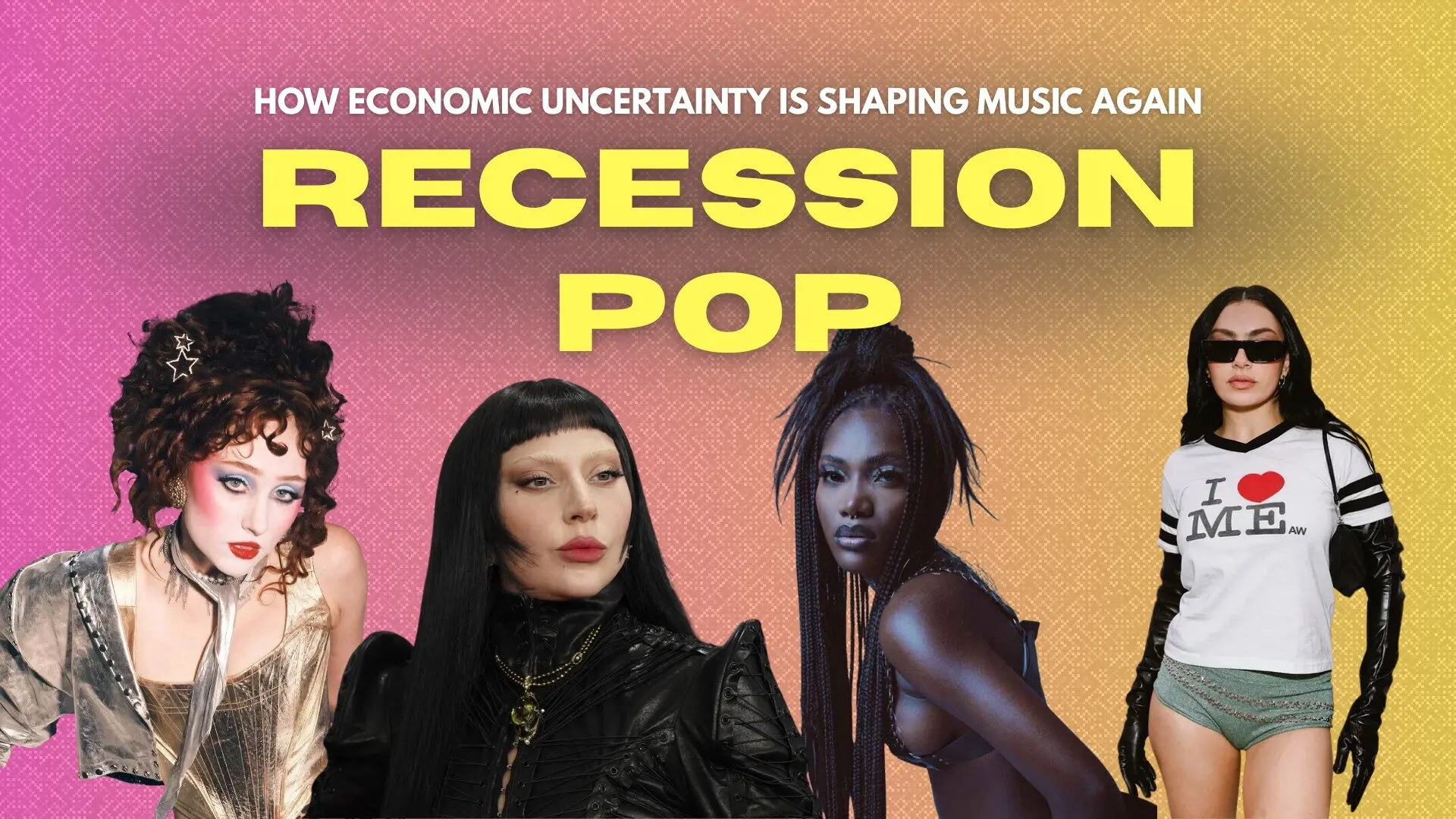

The 2008 financial crisis was a tumultuous time, marked by widespread uncertainty and economic insecurity.
Amidst the chaos, a unique sound emerged in the music scene: recession pop.
This genre, characterized by its DIY ethos, eclectic sound, and raw energy, resonated with a generation of young people struggling to navigate the uncertain economic landscape.
The Birth of Recession Pop
Source: NUS CNM Society
In the late 2000s, the music industry was experiencing a seismic shift.
The major label system, which had dominated the industry for decades, was crumbling.
Independent artists, equipped with access to affordable recording technology and social media platforms, were able to produce and distribute their music without relying on label support.
This democratization of music production led to a proliferation of new sounds and styles, including recession pop.
Recession pop was more than just a sound; it was a reflection of the times.
Experimental artists like Animal Collective, Grimes, and Sleigh Bells were creating music, unafraid to tackle the anxieties and uncertainties of the era.
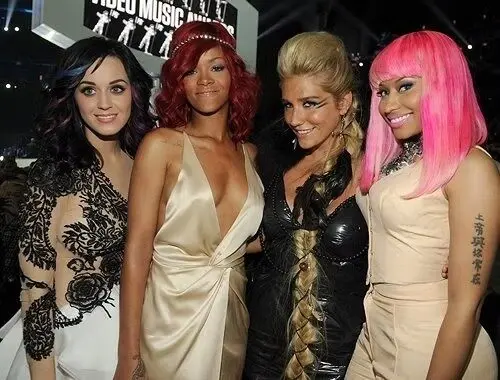
Nicki Minaj, Katy Perry, and Kesha constantly topped the charts with their party beats about embracing fun and enjoying life.
Their music was a response to the financial crisis, but also a rejection of the commercialism and superficiality that had come to define the music industry.
Recession Pop Making A Comeback
Fast forward to 2025, and recession pop is experiencing a resurgence.
The economic uncertainty of recent times has created a sense of déjà vu, with many young people feeling like they’re reliving the anxiety and uncertainty of the 2008 crisis.
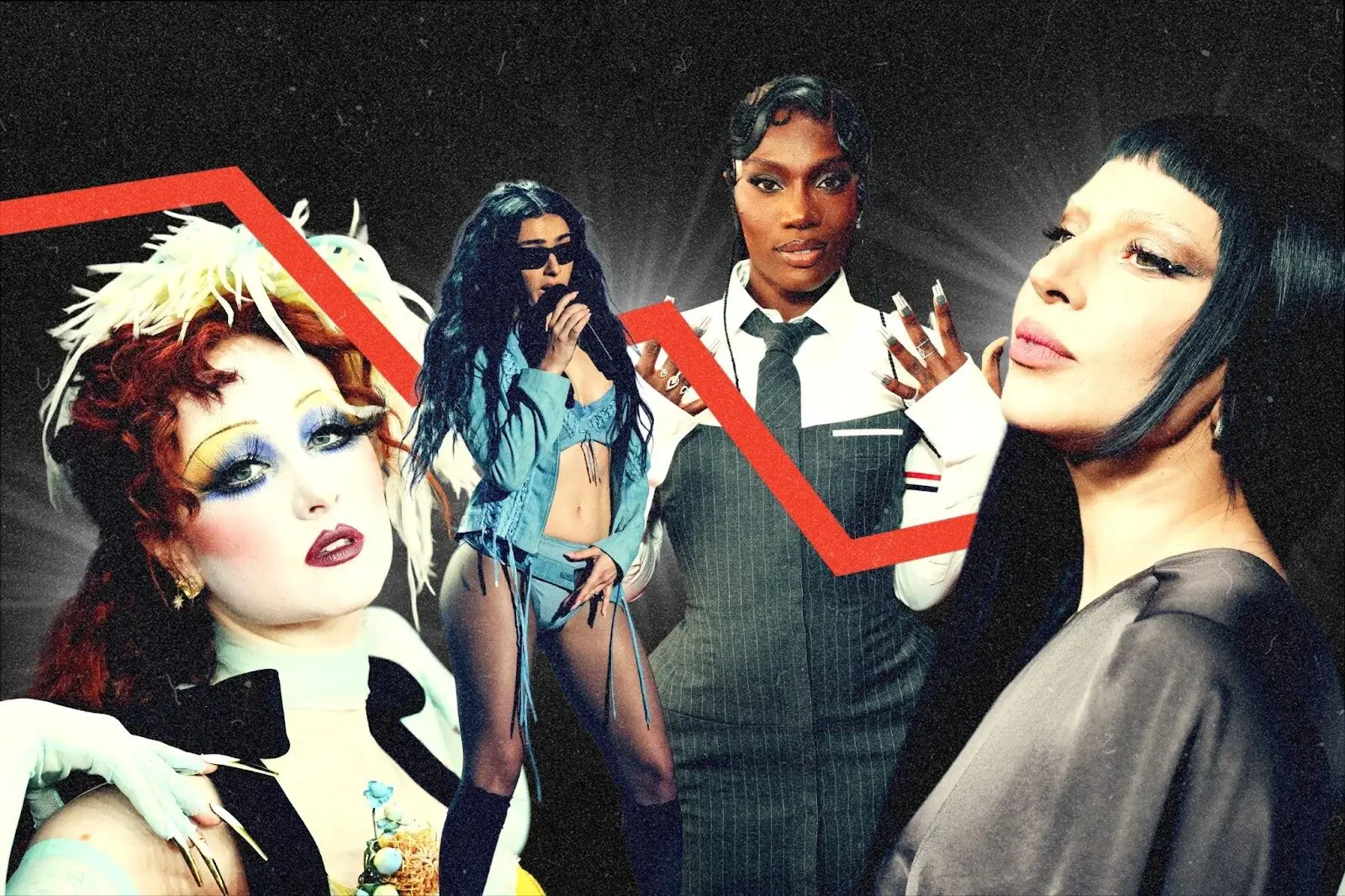
Artists like Charli XCX, Chappell Roan, and Sabrina Carpenter are drawing on the same experimental spirit that defined the original recession pop movement.
Their music is a reflection of the times, tackling themes of anxiety, identity, and vulnerability.
One of the key factors driving the resurgence of recession pop is the rise of bedroom pop.
Artists like Clairo, Rex Orange County, and Omar Apollo are creating music in their own homes, using minimal equipment and maximum creativity. This DIY approach is reminiscent of the early days of recession pop, when artists like Grimes and Sleigh Bells were creating music on a shoestring budget.
The result is a sound that is raw, intimate, and unapologetically experimental.
Key Elements Driving The Genre’s Appeal
Source: Time
So, what does recession pop sound like?
The answer is: it’s hard to pin down.
Recession pop is a genre that defies categorization, embracing a wide range of influences and styles.
From the psychedelic rock of Tame Impala to the camp and maximalist look of Chappell Roan, recession pop is a sonic melting pot.
What unites these artists is a commitment to experimentation and a willingness to push the boundaries of what is considered “normal” in music.
One of the defining characteristics of recession pop is its feel-good beats, familiar melodies and lyrics grounded in realism.
Artists like Doechii and Chappell Roan use these effects to create a sense of tension and uncertainty, mirroring the anxieties of the era.
The result is a sound that is both addictive and hypnotic, drawing the listener in with its raw energy and emotional intensity.
Where Realism Meets Rhythm in a Post-2008 World
Recession pop is more than just a sound; it’s a cultural phenomenon.
It’s a reflection of the times, a response to the economic uncertainty and social anxiety that has come to define our era.
Recession pop is also a rejection of the commercialism and superficiality that have come to define the music industry.
Artists are rejecting the glamour and glitz of mainstream pop, instead embracing a DIY ethos that values creativity and experimentation over commercial success.
The result is a music scene that is more diverse, more experimental, and more authentic than it has been in years.
TikTok, Trauma, and the Trends That Stick

Source: Story Magazine
Social media has played a crucial role in the resurgence of recession pop.
Platforms like Instagram and TikTok have democratized music distribution, allowing artists to reach a global audience without the need for label support.
This has created a level playing field where emerging artists can compete with established acts on equal terms.
Social media has also changed the way we consume music.
With the rise of playlists and algorithms, music is now curated and consumed in a way that is both personalized and insular.
This has created a sense of fragmentation, where artists are no longer competing for a share of the mainstream market, but instead are creating their own niches and communities.
The Next Chapter in Crisis-Era Expression
So what’s next for recession pop?
The answer is: it’s hard to predict.
The music scene is constantly evolving, and recession pop is no exception.
One thing is certain, however: the economic uncertainty and social anxiety that have defined our era will continue to shape the music scene for years to come.
New artists will emerge, new styles will develop, and the genre will continue to mutate and change.
One thing is certain, however: the spirit of recession pop will continue to resonate with a generation of young people hungry for music that reflects the times.
Redefining the Sound of the Mainstream
Recession pop has already had a significant impact on mainstream music.
Artists like Ariana Grande and Taylor Swift are incorporating elements of recession pop into their sound, embracing a more experimental and avant-garde approach.
Lady Gaga’s newest album, “MAYHEM,” is a major throwback to the 2000s, feeding fans much-needed nostalgia.
The Enduring Legacy of Recession Pop
In many ways, recession pop stands as both a mirror and a megaphone, reflecting the unease of turbulent times while amplifying voices that might otherwise go unheard.
Born from economic collapse and revived in the face of renewed instability, it thrives on authenticity, experimentation, and emotional honesty.
As it seeps into the mainstream and reshapes pop’s aesthetic boundaries, recession pop reminds us that some of the most innovative and resonant art emerges not despite crisis, but because of it.
Its legacy endures not just in the music itself, but in the community it builds and the truths it dares to tell.
Related To Music: