


When you’re feeling under the weather, it can be tough to decide whether to push through and exercise or take a break and rest.
You wake up, feeling tired and off, and wonder if it’s better to get to the gym or curl up on the couch. (Spoiler: Just stay in bed)
While exercising might be tempting for you gym rats out there, it is scientifically proven that exercising while you’re sick might backfire against you.
Understanding Symptoms Is A Signal To Your Body To REST NOT EXERCISE

Source: Pexels
When you’re feeling unwell, your body is sending you signals, and it’s essential to listen to them.
Dr. Greg Summerville, a sports medicine physician at the University of North Carolina at Chapel Hill, emphasises that your symptoms are there for a reason.
They’re trying to tell you something. When you first start to feel sick, take a step back, and evaluate how your whole body feels. If you’re experiencing symptoms like a runny nose, congestion, or a sore throat, you’re probably safe to work out as long as you feel up for it.
But if you’re feeling muscle aches, an elevated heart rate, or other symptoms below the neck, that’s a sign that your body is fighting off an infection, and exercising could set back your recovery time.
When Should You Stop Exercising For The Day?
Doctors are clear: if you have a fever of 37.8 degrees Celsius or higher, it’s a clear signal to rest, even if your symptoms are otherwise mild.
Additionally, if you’re experiencing vomiting or diarrhoea, it’s crucial to wait at least 24 hours after you’ve recovered from a gastrointestinal illness before exercising.
For flu-like symptoms, including muscle aches, fatigue, and joint pain, patients can return to exercise gradually when symptoms have resolved. If you’re recovering from a severe illness, such as pneumonia, or if you were hospitalised, ask your doctor when it is safe to exercise.
If you’ve contracted COVID-19, the guidance from the Centers for Disease Control and Prevention for returning to your normal activities is similar to that for other respiratory illnesses.
Consider the severity of your case before exercising. Dr. Comander points to the most recent guidelines from the American College of Cardiology: if you’re asymptomatic, you can try working out three days after you test positive.
However, if you have any significant heart- or lung-related symptoms, such as chest pressure or a persistent cough, wait until they resolve before exercising.
Decision To Get Back Into Exercising Should Depend On Your Body And How Are You Feeling

Source: Pexels
The decision on when you go back to working out should primarily be based on how you feel, not how you’re testing or how long you’ve caught an illness, says Dr Tanya Melnik, co-director of the Adult Post-Covid Clinic at M Health Fairview in Minnesota.
Individual responses to the infection can vary significantly. For people who experience more fatigue during and after COVID-19, “patience becomes a really necessary virtue.” Once you feel up for more activity, make sure you can do basic chores without feeling wiped out.
Try going up and down a flight of stairs, running errands, or simply standing up for a few minutes. If any of the activities leave you exhausted, it’s probably too early to exercise.
But if you’re able to do routine tasks without experiencing fatigue or shortness of breath, it’s safe to try low-intensity, short workouts.
Build up the intensity and duration of your exercise gradually, Dr. Melnik says, but not both at the same time.
Start slow, and be patient. Instead of going for a personal best once you’re feeling well enough to exercise again, focus on “completion days,” says Dr. Daniel Anderson, a cardiologist at Nebraska Medicine.
Pay less attention to your running pace or how much weight you can lift, and embrace the fact that you made it out the door. And do not be surprised if it takes a few weeks to get back to your usual exercise routine.
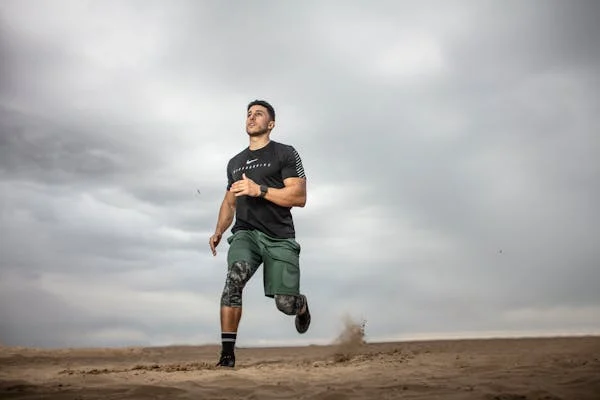
Health And Recovery Should Be Your No.1 Priority When You’re Sick, Not Working Out…
Source: Pexels
As you ramp back up, Dr. Anderson also recommends trying the talk test: if you cannot hold a conversation during your workout, you may need to dial it back. “The last thing you want to do is to get in trouble by doing too much coming out of the chute,” he says.
“Take it with caution, take it with ease.” It’s essential to prioritise your health and safety above your fitness goals. Remember, it’s okay to take a break and focus on getting better.
When you’re deciding whether to exercise while sick, it’s crucial to evaluate your symptoms and listen to your body. Ignoring your symptoms and pushing through can lead to setbacks in your recovery and even make your illness worse.
Be kind to yourself, and prioritise your health. With patience, caution, and a little bit of self-awareness, you can make it through your illness and get back to your usual exercise routine.
Related To Exercise:
The Ultimate Beginner’s Exercise Guide To Building Your Dream Body – Guidesify