


Ever wondered why dermatologists never skip sunscreen?
More than just a summer essential, daily sun protection shields your skin from harmful UV rays, prevents premature ageing, and reduces the risk of skin cancer.
In sunny climates like Singapore, where the sun blazes year-round, sunscreen isn’t optional.
It’s a necessity.
Here’s everything you need to know to make sunscreen a simple, lifelong habit.
Why Sunscreen Is Your Best Daily Skincare Investment
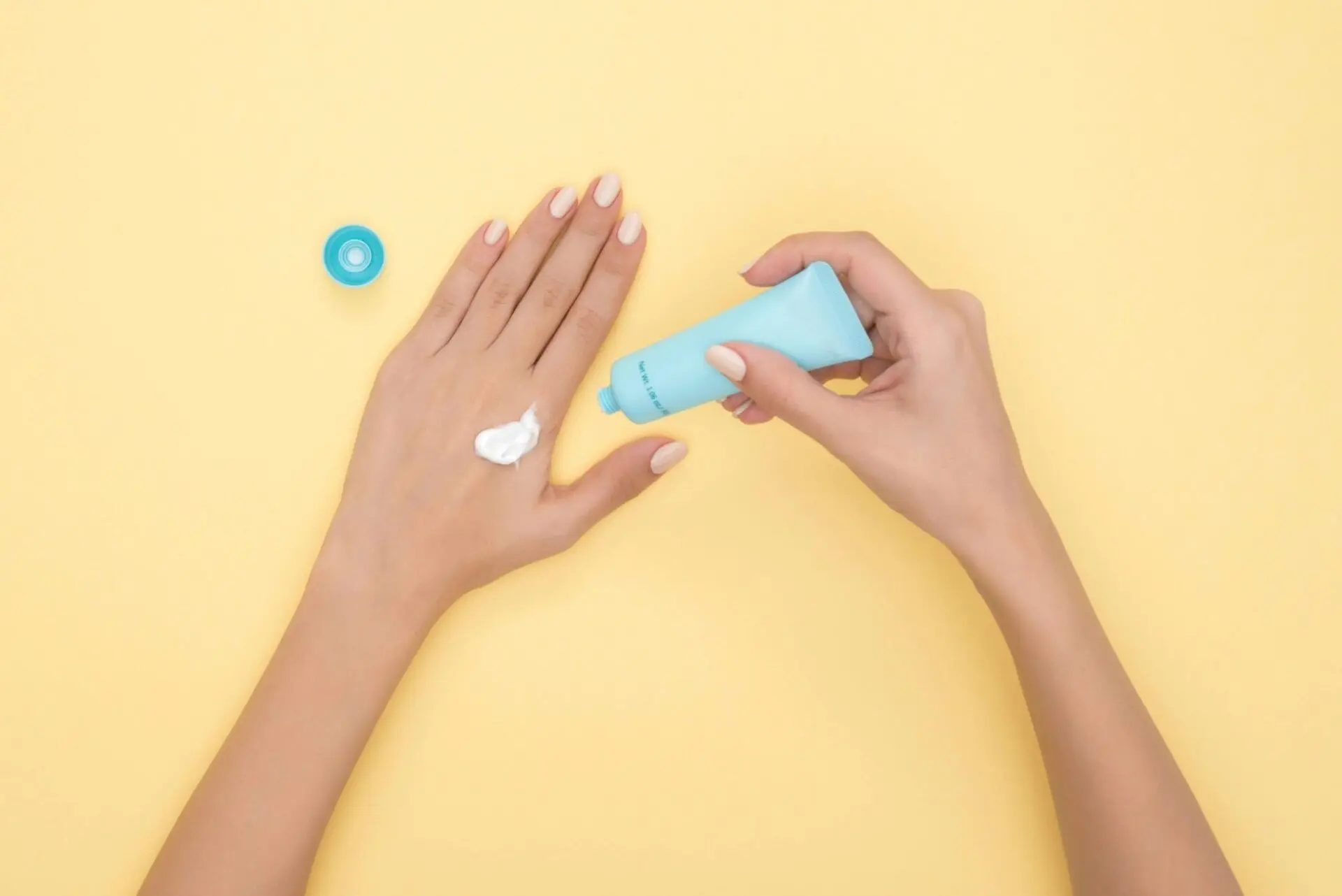
Source: Pexels
When it comes to skincare, people often think of cleansers, serums, or moisturisers as the most important steps.
However, the truth is that sunscreen is the single most valuable product you can apply every morning.
Unlike other skincare products that work to repair or enhance your skin, sunscreen acts as a protective shield, stopping damage before it even begins.
The sun’s ultraviolet (UV) rays are one of the biggest causes of premature ageing, sunburn, dark spots, and fine lines.
Over time, consistent exposure without protection can also lead to more serious issues like skin cancer.
By applying sunscreen daily, you’re investing in the long-term health and appearance of your skin.
It helps maintain an even skin tone, prevents collagen breakdown, and keeps your complexion youthful for years to come.
Think of sunscreen as insurance for your skin. A high-quality SPF doesn’t just protect against visible damage; it also blocks the invisible harm that accumulates beneath the surface.
Whether you spend hours outdoors or only step outside briefly, UV rays can still reach you.
How UV Rays Damage Skin And Speed Up Ageing
Most of the damage that makes skin look older isn’t caused by time; it’s caused by the sun.
Ultraviolet (UV) rays penetrate the skin and trigger harmful changes at a cellular level.
There are two main types of UV rays: UVA and UVB.
UVA rays penetrate deeply, breaking down collagen and elastin, which leads to sagging skin, wrinkles, and fine lines.
UVB rays affect the surface, causing painful sunburns and dark spots.
Together, they accelerate premature ageing and increase the risk of skin cancer.
Even on cloudy days, up to 80% of UV rays can still reach your skin.
That means daily exposure, whether you’re walking to lunch, driving, or sitting near a window, contributes to cumulative damage over time.
Unlike temporary dryness or irritation, UV damage builds silently and often appears years later.
Consistent use not only keeps your skin looking youthful but also significantly reduces long-term health risks.
The Importance Of Wearing Sunscreen In Singapore’s Hot And Humid Climate

Source: Pexels
Living in Singapore means being exposed to intense sunlight almost every day of the year.
Unlike seasonal climates, where UV exposure fluctuates, Singapore’s tropical weather ensures that the sun’s rays remain strong and consistent throughout the year.
This makes sunscreen not just a skincare step but an essential daily habit for protecting your skin.
The combination of high heat, humidity, and frequent outdoor activities can make your skin more vulnerable to sun damage.
In fact, UV levels in Singapore are often classified as “high” to “very high”, meaning unprotected skin can burn in less than 15 minutes.
Another factor is that UV rays penetrate clouds, so even on overcast days, your skin is still at risk.
Choosing The Right Sunscreen: SPF, PA Ratings, And Formulas Explained
Not all sunscreens are created equal, and picking the right one can make a big difference in how well your skin is protected.
The first thing to look at is SPF (Sun Protection Factor), which measures protection against UVB rays—the ones responsible for sunburn and surface damage.
For daily use, dermatologists recommend at least SPF 30, while higher SPF levels, like 50, offer stronger protection, especially in sunny climates like Singapore.
Next, check the PA rating, which indicates protection against UVA rays that penetrate deeper into the skin and cause premature ageing.
A “PA+++” or “PA++++” label means broad-spectrum defence, keeping your skin safe from both burning and ageing effects.
Formulas also matter.
Lightweight, gel-based sunscreens work well for oily or acne-prone skin in humid weather, while creamier formulas are better for dry skin.
If you’re active or outdoors often, look for water-resistant options to ensure lasting coverage.
Ultimately, the best sunscreen is the one you’ll use consistently.
Choosing a formula that feels comfortable on your skin ensures you’ll never skip this crucial step.
Simple Tips To Make Sunscreen A Non-Negotiable Daily Habit

Source: Pexels
Even the best sunscreen won’t protect your skin if you forget to apply it.
Building sunscreen into your daily routine can be simple with a few practical strategies.
Start by keeping your sunscreen somewhere visible, like next to your toothbrush or on your work desk, so it becomes a visual cue every morning.
Pair it with another morning habit, such as moisturising or applying makeup, to create a seamless routine.
For those with busy lifestyles, consider multi-purpose products like moisturisers or foundations that already contain SPF.
These make daily protection easier without adding extra steps.
Remember to reapply every 2–3 hours if you’re outdoors, especially when sweating or swimming.
Finally, choose a formula you enjoy using.
Lightweight gels, tinted sunscreens, or scented options can make the habit feel less like a chore and more like self-care.
Consistency is key: over time, wearing sunscreen will become second nature, ensuring your skin stays healthy, youthful, and protected for life.
Related To Sunscreen: