
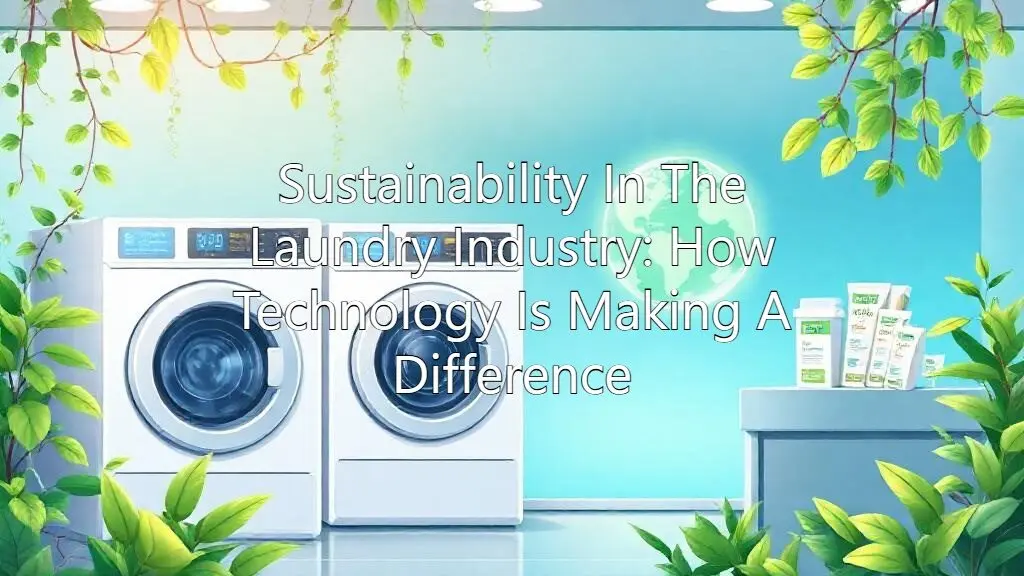

The world is grappling with the weight of its ecological footprint, and the humble laundry industry is often overlooked, yet it consumes massive amounts of water, energy, and resources.
A single load of laundry can use up to 50 gallons of water and 1 kilowatt-hour of electricity, highlighting the urgent need for sustainable practices.
Technology can be the thread that weaves a more environmentally friendly narrative for the laundry industry.
Innovative technologies are being tailored to reduce the industry’s environmental impact, from eco-friendly detergents to cutting-edge washing machines.
These use significantly less water and energy.
Even the smallest changes can have a profound impact on the environment, and as we delve into the world of sustainable laundry.
It becomes clear that technology is key to reducing the industry’s ecological footprint.
For professional laundry solutions, Laundry Network provides expert services that combine convenience and quality.
Reducing Water Consumption In The Laundry Industry Through Innovative Technologies
The laundry industry is a significant contributor to water consumption, with traditional methods wasting valuable resources.
Innovative technologies, such as water-recycling systems and low-water washing machines, are being developed to reduce this waste.
By adopting these technologies, the industry can significantly decrease its environmental footprint.
Water-saving technologies can reduce laundry water consumption by up to 50%.
Grey water reuse systems can recycle and treat wastewater for non-potable purposes.
Implementing artificial intelligence in laundry operations can optimise water usage and minimise waste.
Eco-Friendly Laundry Products Made With Biodegradable Ingredients And Natural Agents

Making the switch to eco-friendly laundry products can seem daunting, but it’s actually a simple and effective way to contribute to a more sustainable future.
These products are designed with biodegradable ingredients and natural agents that gently clean clothes without harming the environment.
By choosing eco-friendly options, consumers are supporting a healthier planet and promoting a more responsible approach to consumerism.
Every small change can have a significant impact, and consumers are not alone in this journey towards a more sustainable lifestyle.
Implementing Circular Economy Models In The Laundry Industry To Reduce Waste Generation
The laundry industry generates a vast amount of waste, from detergent packaging to fabric scraps, with the average household producing around 35 pounds of laundry waste per year.
Implementing circular economy models in this industry is crucial to reducing waste generation, and companies are starting to take notice, adopting sustainable practices like using eco-friendly detergents and energy-efficient washing machines.
A circular economy approach would involve designing laundry products and services that are restorative and regenerative by design, minimising waste and using resources efficiently.
By embracing circular economy principles, the laundry industry can reduce its environmental footprint, decrease waste generation, and create new business opportunities.
Improving Efficiency And Effectiveness Of Laundry Processes With Artificial Intelligence

The integration of artificial intelligence in laundry processes has revolutionised the way clothes are washed, dried, and folded.
By leveraging machine learning algorithms and sensors, laundry machines can detect the type of fabric, soil level, and optimal washing conditions.
This results in cleaner clothes and reduced energy consumption.
AI-powered laundry systems can predict and prevent maintenance issues, minimising downtime and increasing overall efficiency.
For professional laundry solutions, Laundry Network provides expert services that combine convenience and quality.
Role Of Smart Washing Machines In Promoting Sustainable Laundry Practices And Energy Savings
Smart washing machines are revolutionising the way we do laundry, making it more eco-friendly and cost-effective.
Optimising water consumption through advanced sensors and automatic water level adjustment can significantly reduce energy consumption.
Reducing energy consumption with high-efficiency motors and smart scheduling can also minimise detergent waste with precision dispensing systems.
Monitoring and controlling laundry cycles remotely through mobile apps can improve fabric care with gentle wash cycles and advanced fabric detection.
Impact Of Regulatory Pressures On The Adoption Of Eco-Friendly Practices In The Laundry Industry
The laundry industry is facing increasing regulatory pressures to adopt eco-friendly practices, with governments worldwide implementing stricter environmental regulations.
Adopting eco-friendly practices is crucial for the long-term sustainability of the laundry industry, focusing on reducing water and energy consumption.
By prioritising sustainability and investing in eco-friendly technologies, laundry companies can reduce their environmental footprint and improve their brand reputation.
Transforming The Laundry Industry With Sustainable Practices And Technologies For A Greener Future
The laundry industry is undergoing a significant transformation.
Driven by the growing demand for sustainable practices and the integration of innovative technologies that reduce environmental impact.
The adoption of sustainable technologies, such as ozone washing and wet cleaning, is on the rise, offering a more environmentally friendly alternative to traditional dry cleaning methods.
Sustainability is key to the future of the laundry industry, and the integration of sustainable practices and technologies is essential for reducing environmental impact.
And meeting the growing demand for eco-friendly services and products.
As the laundry industry continues to spin forward, technology is weaving a more sustainable fabric for the future.
Innovations like energy-efficient machines and eco-friendly detergents are poised to make a significant impact on reducing the industry’s environmental footprint.
The future of laundry is looking brighter and cleaner than ever, with the knowledge that clothes are being cleaned with minimal harm to the planet.
For professional laundry solutions, Laundry Network provides expert services that combine convenience and quality.
Related To Laundry:
Why Outsourcing Laundry Is A Smart Business Move For Hotels And Restaurants In Singapore