


Every year, tens of millions of tonnes of food are wasted, but what’s the real cost of tossing that leftover meal or uneaten snack into the bin? 🤷
When food is thrown away, it’s not just the food that is wasted.
Think also about the energy, water, fertiliser, feed, and labour involved in producing that unit of food. 🤯
All those precious and scarce resources go to waste when food hits the bin.
In Singapore, game-changing solutions are already being innovated to try and tackle this problem.
From tech-driven apps to smarter waste management, we’re seeing new ways to reduce waste and rethink how we consume food.
All of us can contribute to the solution of this growing problem.
Food Waste Is A Symptom Of Poor Resource Use

Source: Pexels
Food production is resource and land-intensive.
When wasted, it means the water, energy, and land do not get good use in the course of producing that food. 💧
In addition, food that ends up in landfills decomposes and produces methane gas, a very potent greenhouse gas.
While the causes of food waste are varied and can be hard to pinpoint, the figure reveals a larger problem of inefficient management by the country of its food resources.
If deployed efficiently at the lowest cost, food waste should be kept to a minimum where every unit of food is distributed and consumed across society.
But in most societies, this is not the case.
Food Establishments Are a Major Waste Contributor
Source: Pexels
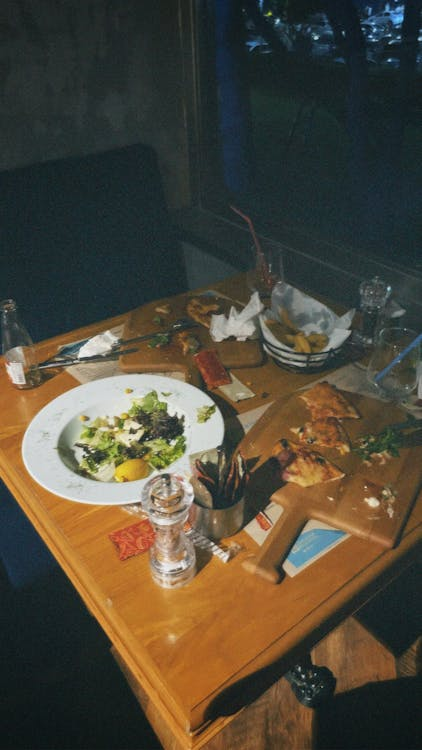
Restaurants, cafes, and other food establishments are some of the biggest contributors to food waste.
Generally speaking, every day, untold amounts of food are wasted, whether unsold meals, expired stock, or an over-preparation that goes unused.
These businesses tend to overstock their kitchens to ensure food items do not go out of stock.
Then when the perishable goods go bad, they will be discarded.
While businesses have been finding ways to cut food waste by optimising their inventory, the problem persists as it is difficult to predict demand.
Increasing Regulations To Reduce Food Waste In Singapore
The Resource Sustainability (Food Waste Segregation, Treatment, and Reporting) Regulations 2024 in Singapore was passed to hold businesses increasingly accountable for the food waste they generate.
Businesses are now compelled to segregate food waste, treat it sustainably, and report how much food they are discarding.
Previously, a food business could be held liable for selling spoiled food that would create a tremendous amount of waste. 🗑️
But new laws have been introduced that protect them from liability and encourage donations or selling of near-expired food at reduced prices to redistributors.
Software Solutions To Improve The Economy Of Leftover Food
Companies like Treatsure, Yindii, and Just Dabao have developed platforms for business to sell their near-expired groceries and food items directly to consumers at discounted prices.
These apps help businesses reduce food waste and recover some costs by selling the leftovers, and the consumers afford a cheaper but still delicious meal. 😋
A win-win for everyone involved.
The hope is that, over time, more businesses will be encouraged to donate or repurpose food, further reducing food waste.
(💡Note: The economy of selling leftovers is not profitable for food businesses, but is rather a last resort to reduce wasteful expenditure.)
Singaporean Households Waste A Lot Of Food Too
Food waste doesn’t just happen in restaurants and food stores, it also happens in households.
Whether it’s leftovers, overcooked meals, or food that spoils before we get a chance to eat it, homes contribute a huge chunk to food waste as well.
Much household food waste could be prevented if people only knew how to handle it better.
Piloting Composting Programs To Handle Household Food Waste
Composting is a simple process of converting organic food scraps into nutrient-rich soil, which would then be used to improve gardens or areas with green spaces. 🧑🌾
The food scraps are typically collected in a bin where it turns into compost with time.
(💡Note: Most people do not know where to put the compost and do not have any use for the compost, since most apartments have no gardens.)
Thankfully, attempts are being made to make composting easier.
The government and several organisations work on developing systems that could make composting easy even for apartment dwellers, such as Project Black Gold.
Community composting facilities and programs that allow drop-offs of your scraps to be taken elsewhere to be composted.
But such initiatives require high user participation rate to be effective, which could be a challenging hurdle to overcome.
Can We Make a Real Impact on Food Waste?
Source: Pexels
In a nutshell, food waste is an immense problem, from environmental damage to hitting our wallets. 🌳
Fortunately, innovative solutions are cropping up to help tackle the problem from all angles.
Whether it’s apps that sell surplus food, new laws that encourage businesses to reduce waste, or efforts to make composting more accessible to households, there is hope.
It is about paying more attention to what we eat and handling food waste better.
The more people start to be aware of how much waste occurs in the production cycle, the less this happens overall.
Of course, nobody likes the idea of wasting food when there are so many needy people, not to mention all the destruction that it causes to the environment.
The good news is that change is afoot.
Whether through technology, legislation, or individual action, we’re all playing a part in reducing food waste, and that’s something to feel good about. 👍
Related to Food Waste:
Singapore’s Waste And What You Can Do To Help Make A Greener Singapore