


Did you know that over 70% of all doctor visits could be handled remotely? 🤯
This staggering statistic highlights how much time and resources could be saved with telemedicine.
Something that has been revolutionising healthcare lately — telemedicine.
If you’ve ever wished for a way to skip those long hospital queues or get medical advice without leaving your home, telemedicine is your answer.
It’s not just a trend; it’s the future of healthcare. 🏥
What Is Telemedicine?
Source: Pexels
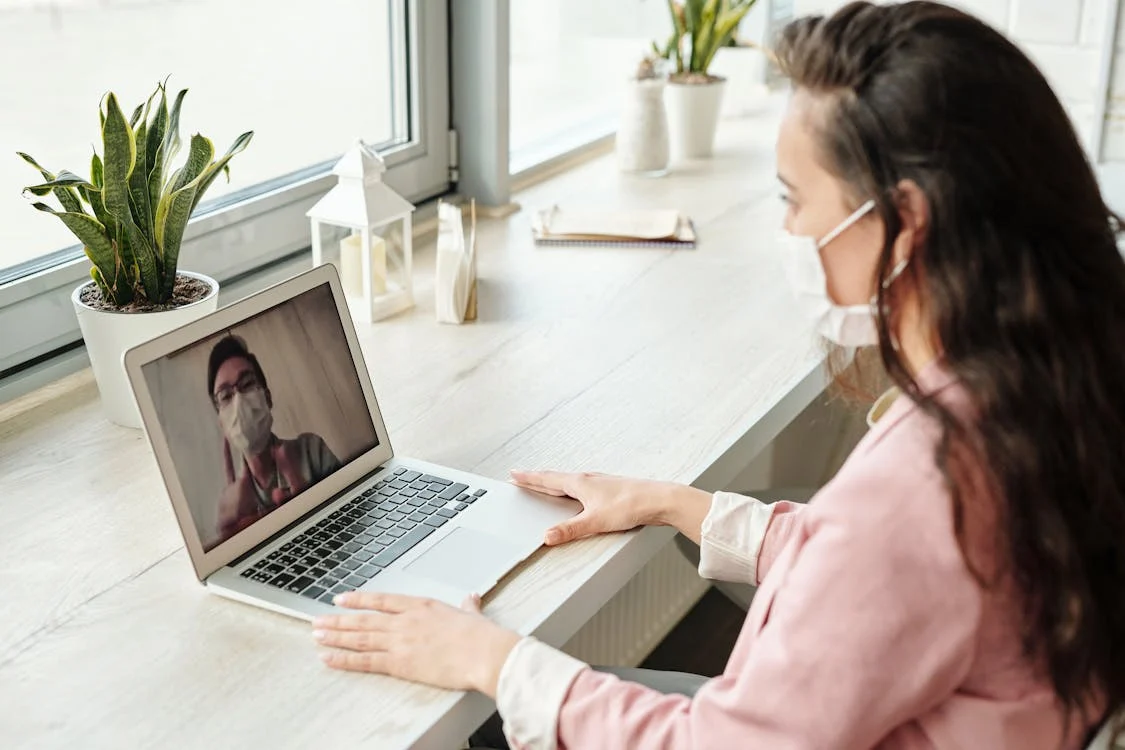
In simple terms, telemedicine is a way of receiving medical care from a distance through video calls, phone chats, or even apps.
Think of it like seeing a doctor without all the travel fuss.
It is ideal for busy schedules, people who live in remote areas, or even when one is too sick to get out of bed.
From quick check-ups to therapy sessions and chronic care management, the areas that telemedicine covers are many.
First, you’ll need to book an appointment, usually through an app or a website.
Pick a time that works for you, and you’re all set. 🗓️
At the scheduled time, you’ll hop on a call or video chat with your healthcare provider.
This is just like a regular visit but from the comfort of your couch.
You can discuss symptoms, ask questions, and even get prescriptions.
The Rise Of Telemedicine During The Covid Pandemic
During Covid-19, the rise of telemedicine was used to combat long queues at the clinics that would clog up doctors’ time.
As a result, people who just needed some flu medicine and an MC in abundance, will have increase the wait time for other patient’s that require more urgent medical attention.
The rise of telemedicine was borne out of a necessity to reduce the burden on healthcare resources, while still providing the necessary measures to allow sick individuals to rest at home.
Telemedicine Saves Time And Money
The cool thing with telemedicine is how it opens up health access.
Thanks to telemedicine, you could be in literally any place on the planet and communicate with experts.
Staying in difficult to access areas?
Or spend hours in traffic just to see a doctor for 10 minutes?
Telemedicine saves one time and money by avoiding these costly logistics.
On top of it, online visits are often more affordable than traditional ones, since an online doctor can take more online visits per hour than those at the clinic.
The Less Tech-Savvy Struggle With Telemedicine
Source: Pexels
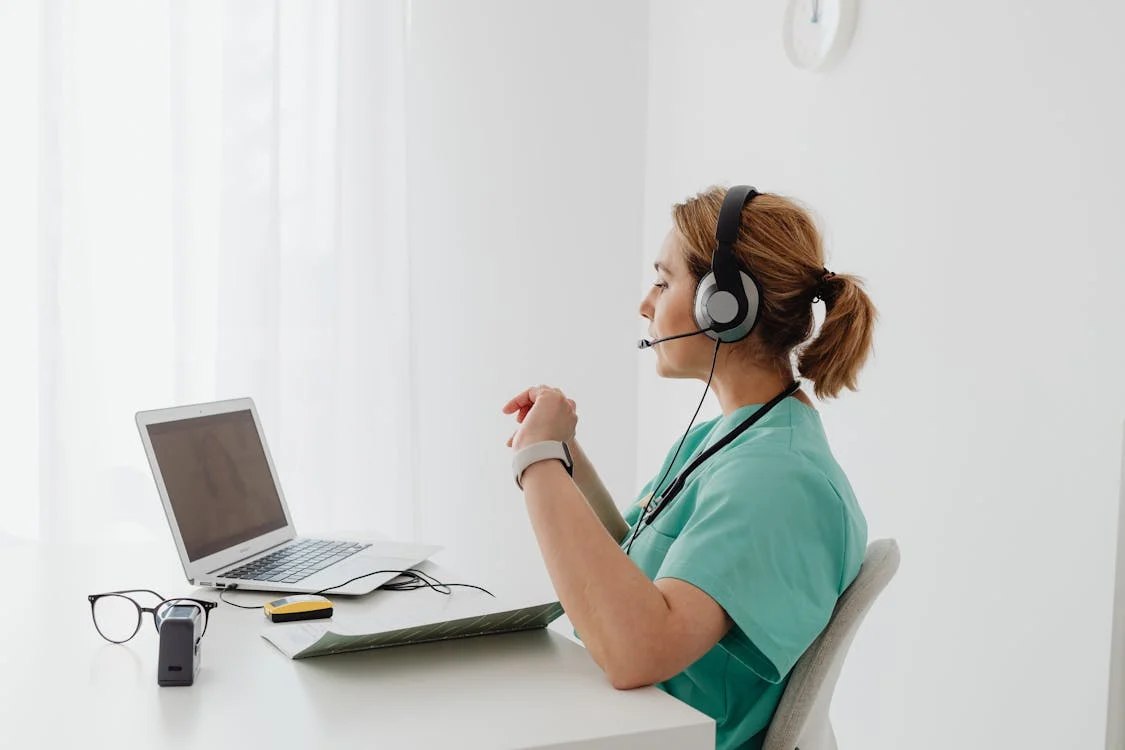
While telemedicine offers a load of benefits, it comes with some challenges.
Not everyone is ‘tech-savvy,’ and poor internet or crashing apps can make appointments impossible.
Delays or incomplete consultations resulting from these glitches often result in irritation on both the patient’s and healthcare provider’s end.
Furthermore, people in either rural or areas with less reliable internet access will not have access to remote healthcare.
Certain population groups will not benefit from telemedicine and further contribute to health inequalities.
Challenges in Regulating Telemedicine Providers
While telemedicine has transformed healthcare, ensuring compliance with regulations remains a challenge.
A recent Channel News Asia report revealed that Singapore’s Ministry of Health investigated eight telemedicine providers for non-compliance.
The digital nature of telemedicine makes it harder to monitor provider practices, verify doctor credentials, and ensure data security.
Strengthening regulatory frameworks and improving oversight will be essential to address these issues and maintain patient safety.
Patient Privacy Issues In A Telemedicine Model
Regarding privacy, there may be reluctance in sharing sensitive health information online by the patients for fear of hacking or data leak.
Healthcare providers, indeed, strive hard to set in place stringent measures for security that would protect patient data, such as encryption.
However, it is upon the patient to ensure he takes precautionary measures, too, in making sure he uses trusted, secure platforms. 🔐
Both providers and patients need to keep themselves updated about state-of-the-art data security practices in order to instill trust and make the online healthcare experience safe.
Telemedicine Is A Budding Industry With Limitless Potential

Source: Pexels
The future of telemedicine is incredibly exciting.
We’re already seeing AI-powered diagnostics that can analyse symptoms in seconds.
Wearable health trackers are becoming smarter, giving doctors real-time data to monitor patients’ health.
Virtual reality therapies for pain management and rehabilitation are also on the horizon.
And it will keep getting even better with each passing day because technology is evolving continuously.
Just imagine having a personal virtual assistant in health matters who would know your full medical history and would provide you with consultations on required actions in real time.
Telemedicine is not a convenience; it’s a necessity in today’s world.
It is breaking down barriers, saving time, and saving lives.
Worth embracing as a patient and a provider.
So, the next time you want to get your medical advice, go virtual- your health is worth it. 💖
Related to Telemedicine: