

If you’ve ever attended a formal military ceremony or watched a parade, you’ve likely been struck by the powerful and emotive music performed by military bands.
These ensembles are more than just a collection of musicians.
They are highly coordinated units where each instrument plays a vital role in creating iconic pieces like “The Star-Spangled Banner” or “God Save the Queen.”
While the melodies may seem straightforward, the intricate contributions of brass, woodwinds, and percussion instruments work together to evoke patriotism, pride, and reverence.
But how exactly do these instruments contribute?
How does percussion set the tempo during parades and marches?
Let’s break it down.
What Exactly Is Ceremonial Music In Military Bands
Source: Pexels
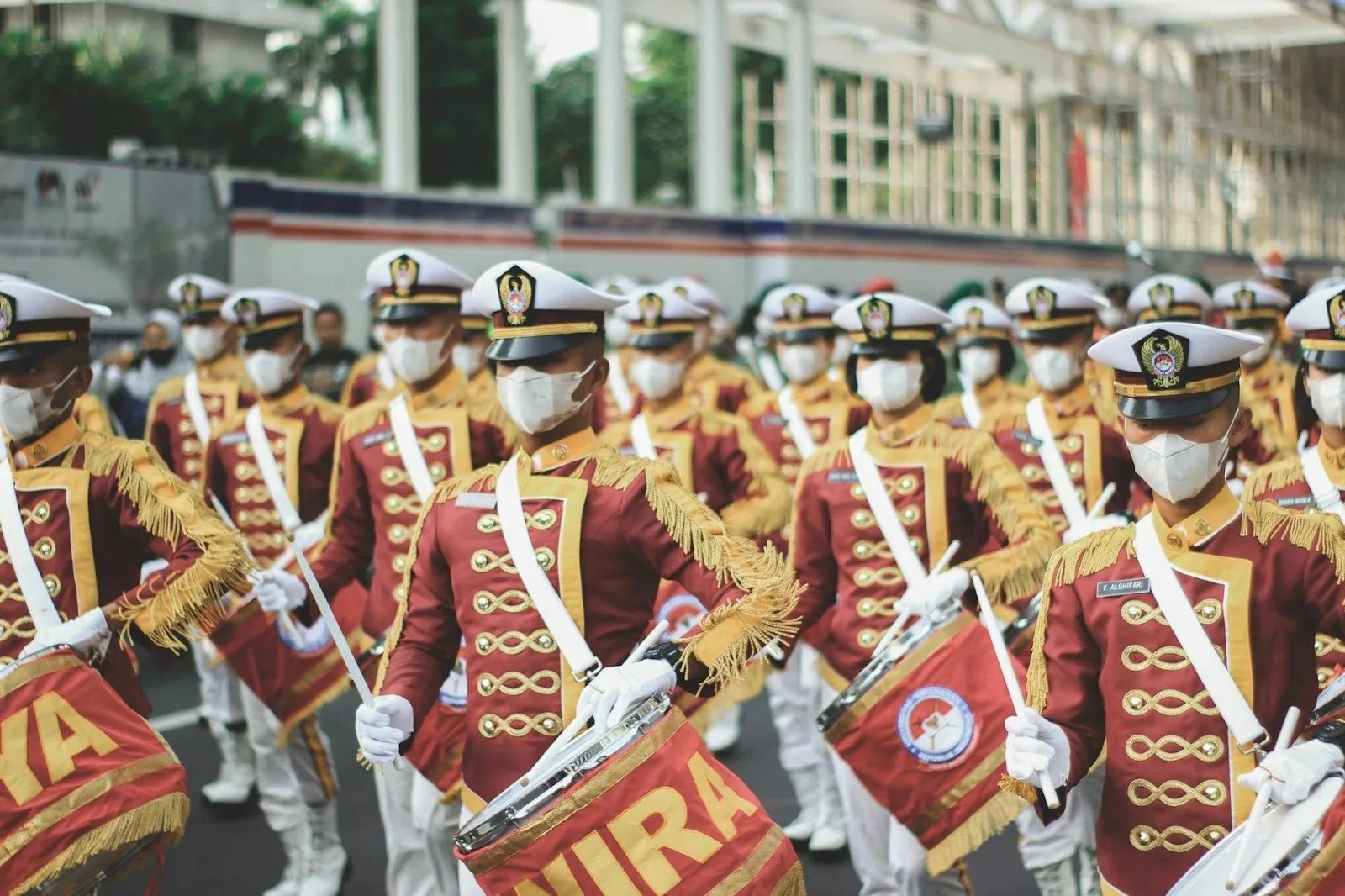
Ceremonial music is the soundtrack of military traditions, often performed during events like flag-raising ceremonies, state visits, funerals, and parades.
It serves both practical and symbolic purposes: setting the pace for marching troops, honouring dignitaries, and fostering a sense of unity among participants and spectators alike.
Military bands achieve this through a carefully orchestrated blend of instruments, each chosen for its unique tonal qualities and ability to project sound outdoors.
From the piercing clarity of trumpets to the thunderous resonance of bass drums, every instrument has a specific role to play.
How Did Military Bands Become Synonymous With Ceremonial Music
Source: Pexels
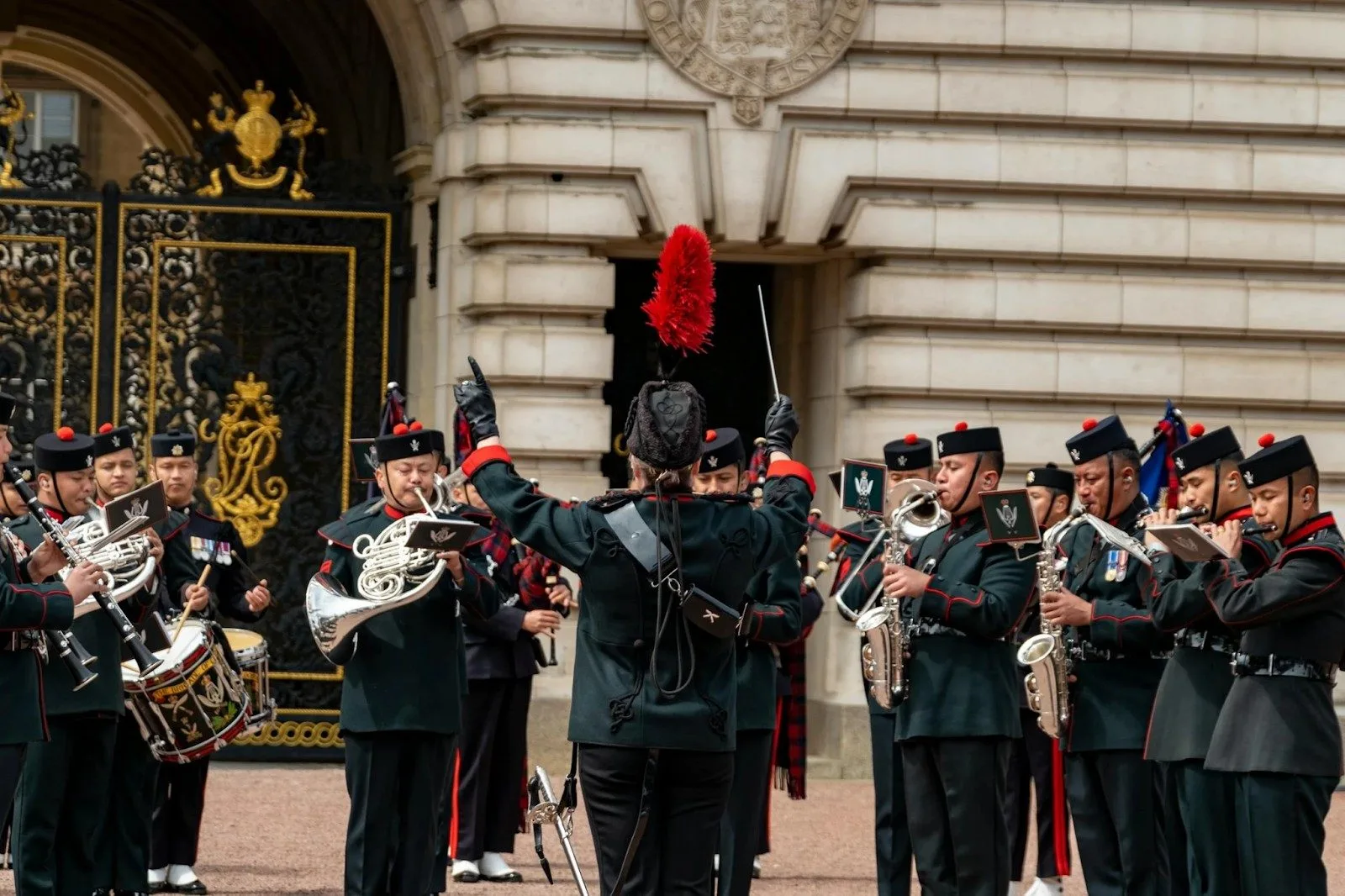
The tradition of military bands dates back centuries, originating as drum-and-fife corps that provided rhythm for marching soldiers.
Over time, these ensembles grew in size and complexity, incorporating brass and woodwind instruments to create richer harmonies and melodies.
Today, military bands are synonymous with national pride, performing anthems and marches that have become ingrained in cultural identity.
Pieces like “The Star-Spangled Banner” (USA) and “God Save the Queen” (UK) are prime examples of how music can elevate ceremonial occasions to moments of profound significance.
But what makes these performances so impactful?
The answer lies in the distinct roles played by each section of the band.
The Intended Roles Of Instruments In Ceremonial Music
Brass Instruments Are The Powerhouse Of Military Bands
Source: Pexels
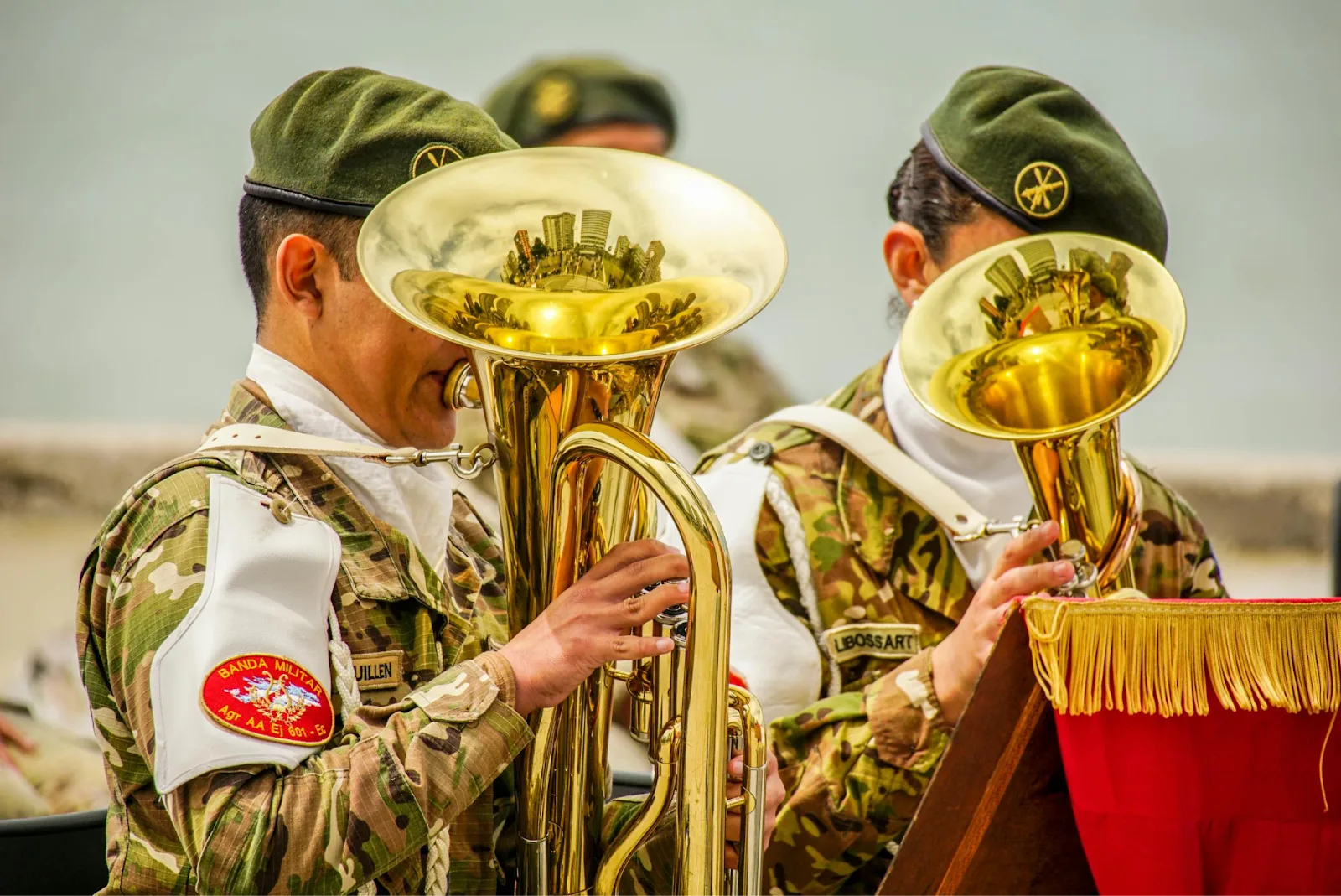
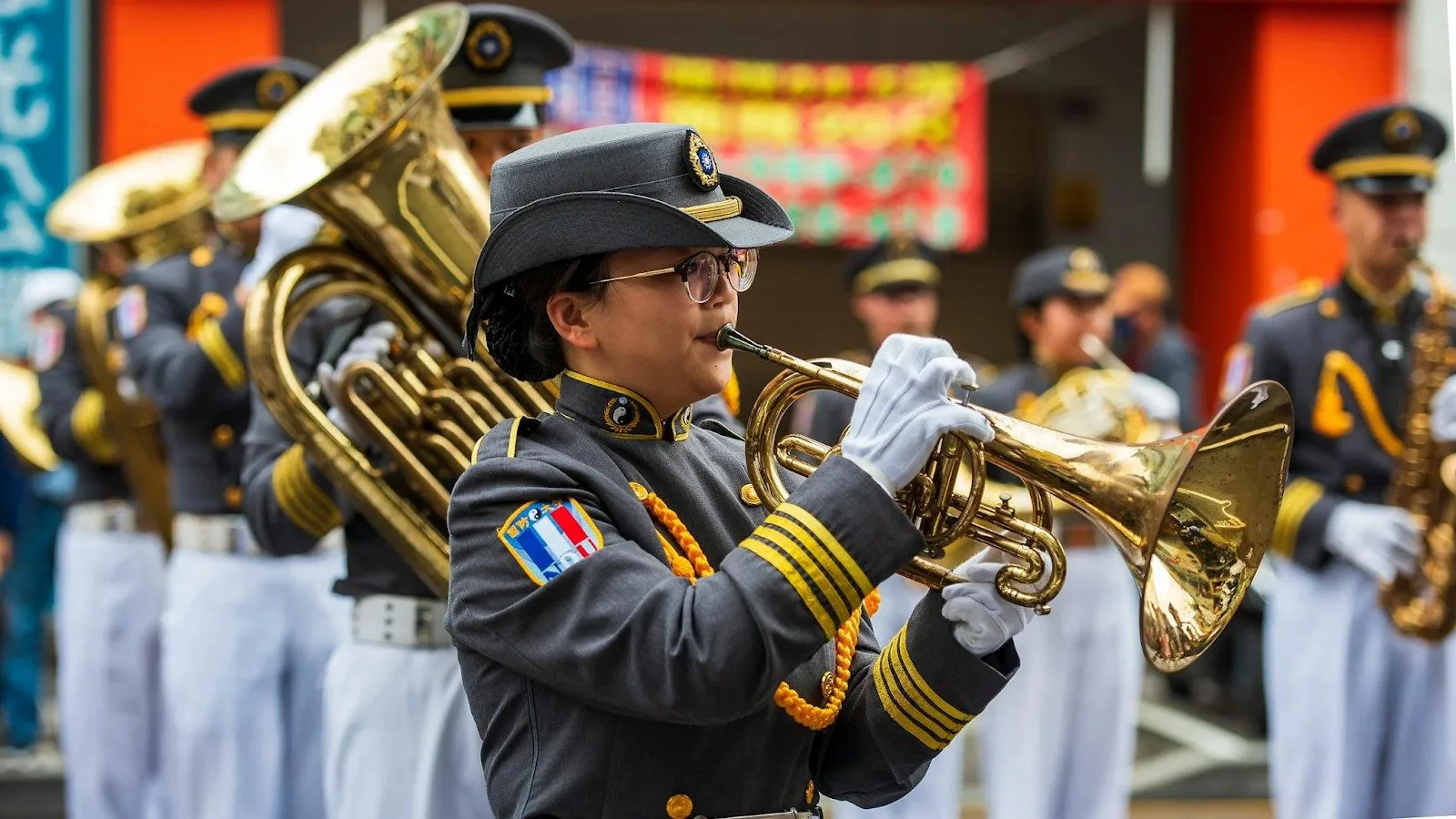
Brass instruments dominate military bands due to their bold, commanding sound that projects well in outdoor settings.
Trumpets, known for their bright, piercing tones, often carry the melody in anthems and marches.
In “The Star-Spangled Banner,” for example, trumpets lead the charge with crisp, ascending lines that symbolise triumph and resilience.
The French horn, with its warm, mellow timbre, provides harmonic support, filling out the middle register and adding depth to the overall sound.
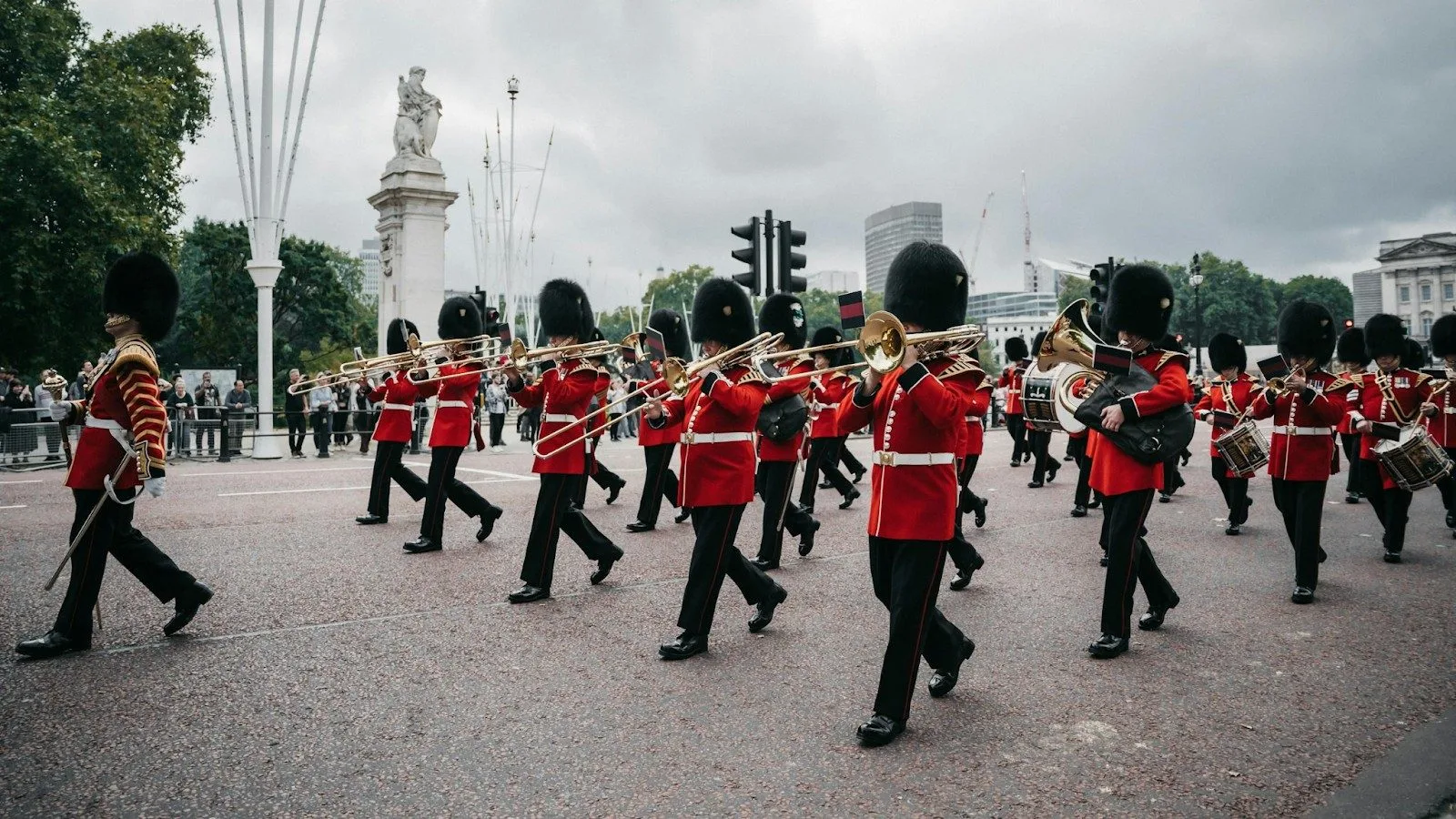
Trombones add weight and drama, particularly in slower, more solemn pieces.
Their sliding mechanism allows for expressive phrasing, making them ideal for emotional crescendos.
As the foundation of the brass section, the tuba supplies the bass notes that anchor the harmony and give the music its grandeur.
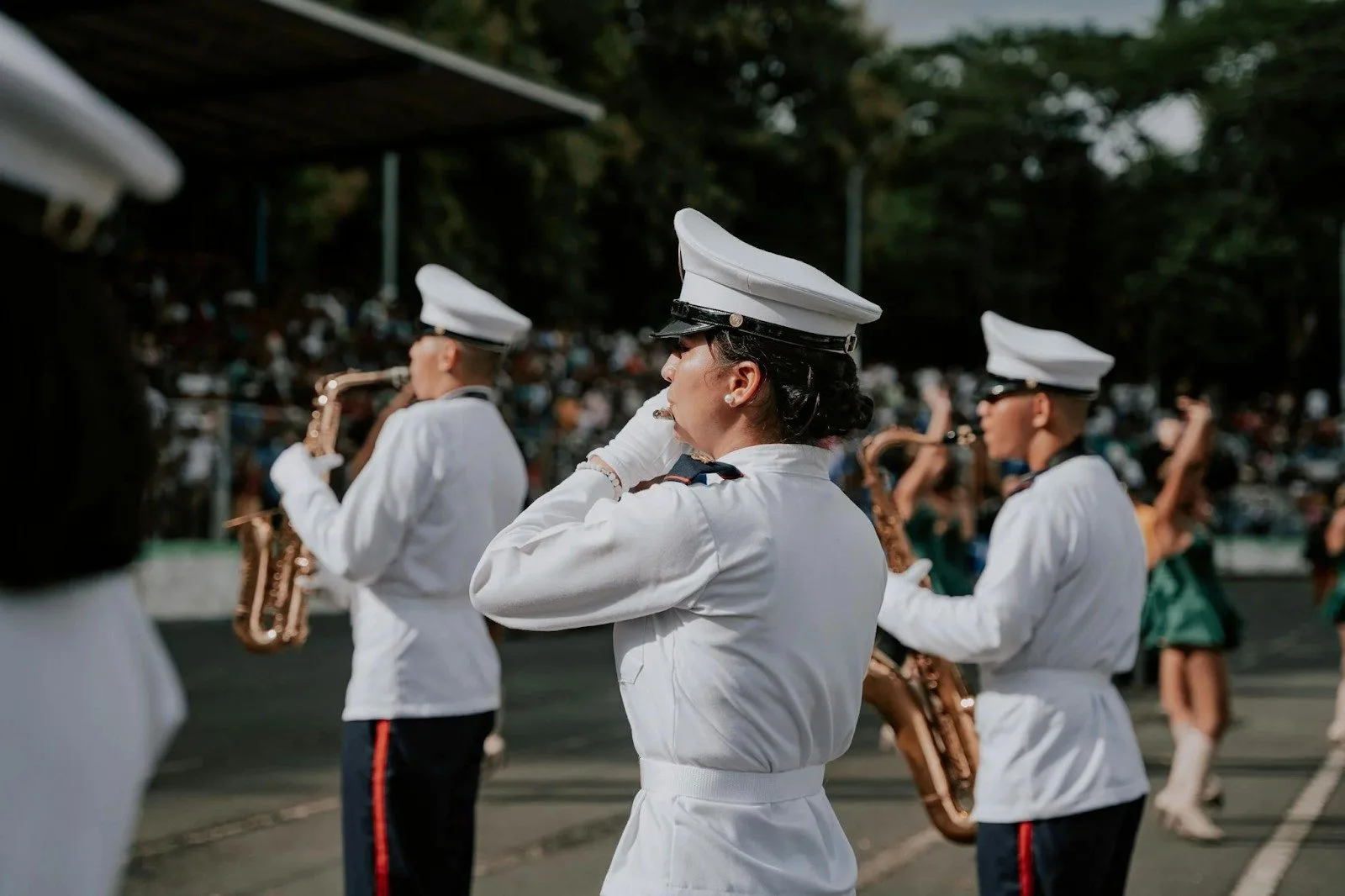
Woodwinds Add Texture And Nuance To Military Band Performances
Source: Pexels
Woodwinds bring a lighter, more delicate quality to military band music, balancing the heaviness of brass instruments.
The piccolo, often doubling the melody an octave higher, adds brilliance and sparkle to marches.
Its high-pitched notes cut through the ensemble, ensuring clarity even in large outdoor spaces.
Clarinets provide smooth, lyrical passages that complement the brass while maintaining rhythmic precision.
They’re especially effective in softer sections of ceremonial music.
Though less common, oboes occasionally appear in military bands to deliver poignant solos or harmonies, adding a touch of elegance.
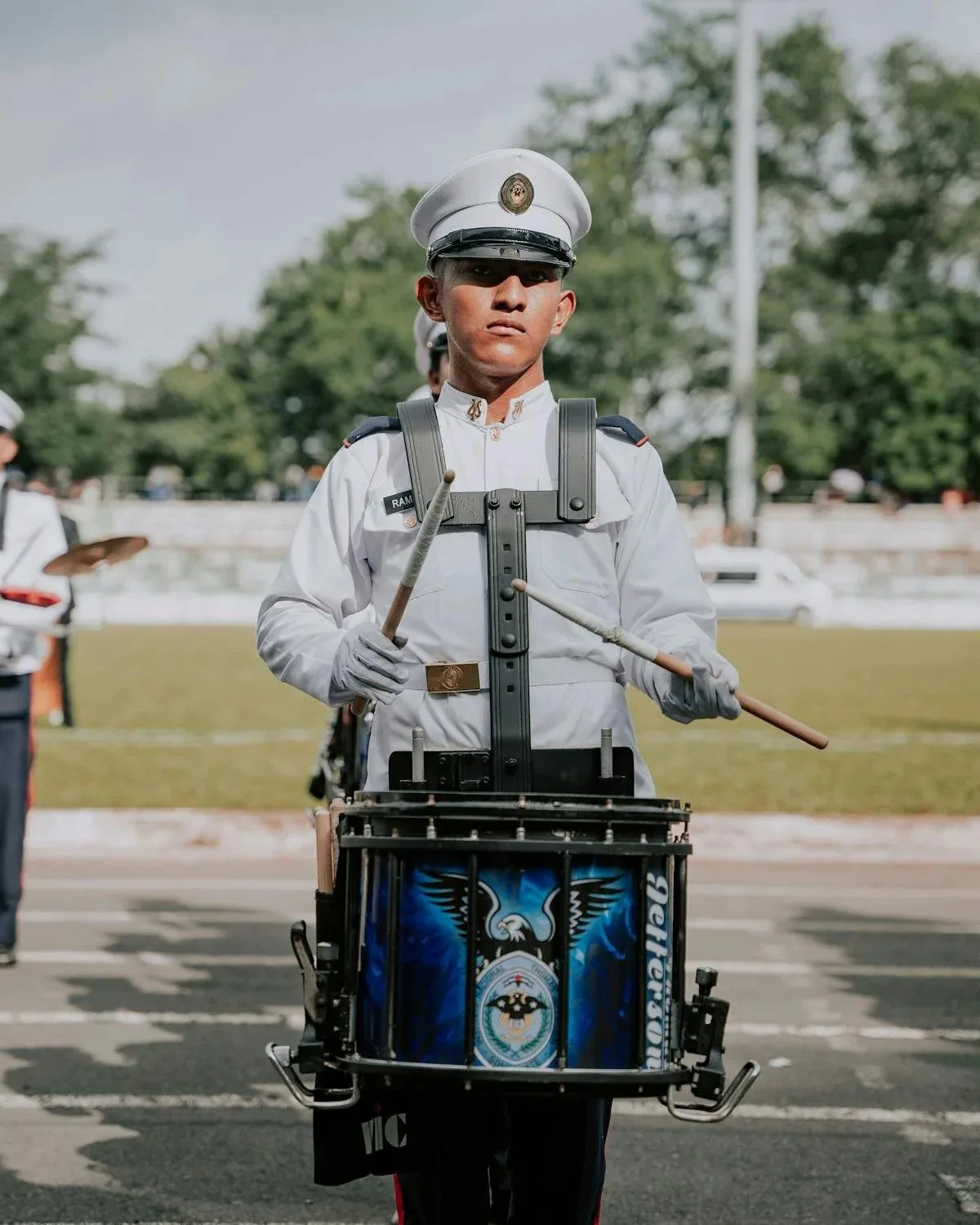
Percussion Sets The Tempo And Drives Energy In Military Band Music
Source: Pexels
Percussion instruments are the backbone of any march or parade, providing rhythm and momentum.
The snare drum establishes the steady beat that guides marching troops.
Its sharp, staccato strokes ensure synchronisation and discipline.
The bass drum reinforces the downbeat, creating a sense of gravity and power.
Its deep thuds resonate across open spaces, grounding the music.
Cymbals, used sparingly, add dramatic accents and climactic flourishes.
For instance, crashing cymbals might punctuate the final note of a national anthem, leaving a lasting impression.
Timpani contribute tonal depth, enhancing dramatic shifts in dynamics and mood.
Analysing Iconic Pieces Performed By Military Bands
The Star-Spangled Banner Showcases The Full Range Of A Military Band’s Capabilities
This American anthem showcases the full range of a military band’s capabilities.
Trumpets soar on the opening line (“Oh say can you see”), capturing the spirit of hope and defiance.
Tubas and trombones provide a solid foundation, underpinning the soaring melodies with rich, resonant harmonies.
Percussion maintains a steady pulse, ensuring the piece remains cohesive despite its challenging intervals.
God Save The Queen Exudes Regality And Poise Through Instrumentation
This British classic exudes regality and poise, thanks to the interplay between instruments.
French horns shine in the mid-range, delivering smooth, flowing phrases that evoke dignity and grace.
Clarinet and flute embellish the melody with subtle ornamentations, adding refinement.
Timpani and bass drums reinforce the majestic feel, underscoring key moments with authoritative thuds.
Unintended Challenges In Ceremonial Performances By Military Bands
Source: Pexels
Despite meticulous preparation, military bands face unique challenges during live performances.
Outdoor acoustics can distort sound, requiring musicians to adjust their dynamics accordingly.
Playing while marching demands exceptional coordination, as musicians must maintain pitch accuracy and rhythm without visual cues from sheet music.
Extreme weather conditions, such as heat or cold, can affect instrument tuning and player stamina.
Striking The Perfect Balance In Ceremonial Music Performed By Military Bands
Source: Pexels
Much like finding the right sit-stand balance at work, achieving harmony in ceremonial music requires careful coordination between all sections of the band.
While brass instruments often take the lead, woodwinds and percussion must support without overpowering.
Subtle changes in volume keep listeners engaged, whether it’s a soft, reflective passage or a triumphant finale.
Percussionists act as the “conductors” of the rhythm section, ensuring everyone stays in sync, even during complex transitions.
By striking this balance, military bands transform ceremonial music into an immersive experience that resonates with audiences on a deeply emotional level.
Related To Military Bands:
Falling Down the Musical Rabbit Hole: A How-to Guide to Discovering Tunes
How Strings, Winds, And Percussion Shape The Sound Of A Chinese Orchestra