
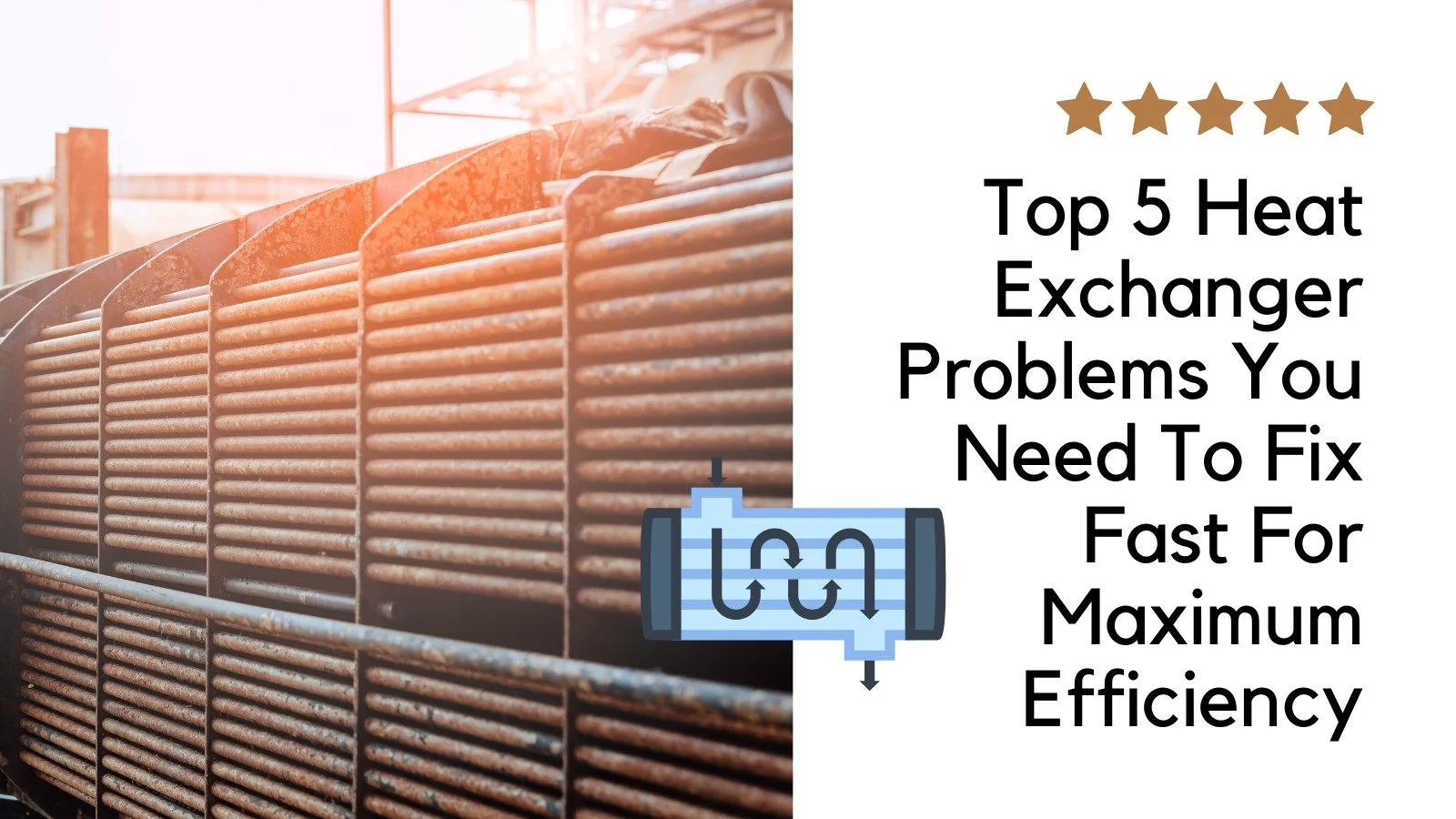

Heat exchangers play a critical role in maintaining efficiency across a wide range of industries, from power generation to Heating, Ventilation, and Air Conditioning (HVAC) systems.
These devices are responsible for transferring heat between fluids, ensuring that systems operate at optimal temperatures.
However, over time, even the most well-maintained heat exchangers can develop issues that compromise their performance.
Ignoring these problems can lead to reduced efficiency, higher operational costs, unexpected downtime, and, in the worst-case scenario, complete system failure.
In this article, we’ll delve into the top 10 most common heat exchanger problems, their causes, and proven solutions to ensure your equipment continues to operate at peak performance, minimizing costs and maximizing reliability.
Top 5 Heat Exchange Issues Every Professional Must Know to Avoid Costly Mistakes
Fouling And Scaling
Fouling and scaling occur when unwanted materials, like dirt, minerals, or biological growth, build up on heat exchanger surfaces.
This buildup reduces heat transfer efficiency, forcing the system to work harder and increasing energy costs.
The process of fouling develops in five stages: activation, surface transfer, addition, extraction, and maturity.
Factors like pH, temperature, and surface composition can influence how quickly fouling occurs.
Chemically Induced Corrosion
Source: Pexels
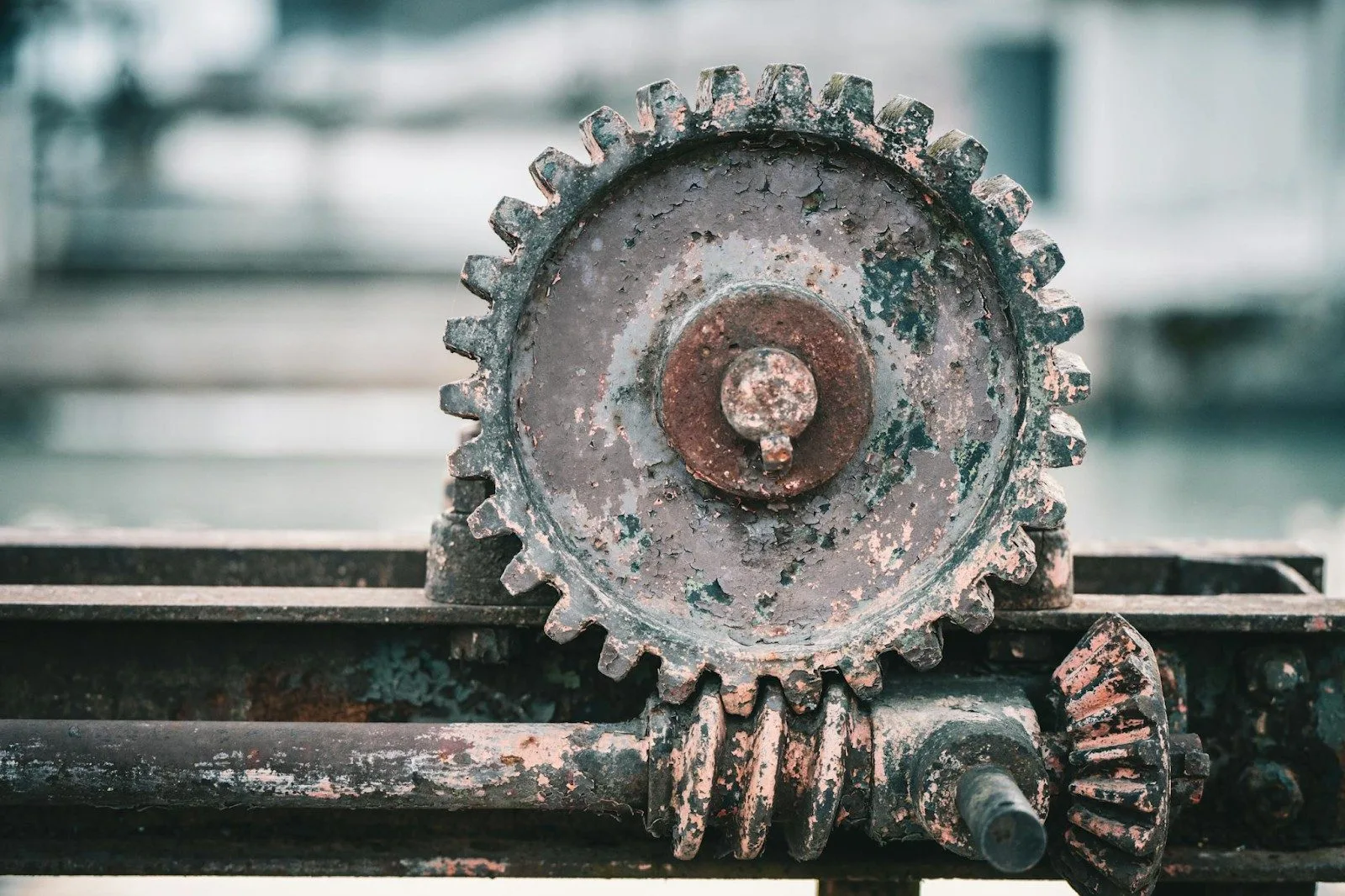
Corrosion is a major problem for heat exchangers, often caused by exposure to harsh chemicals, moisture, or extreme temperatures.
It’s especially damaging to materials like iron and alloys, causing them to degrade and potentially fail.
One of the key culprits behind corrosion is wet vapor pressure drops, which lead to uniform corrosion or erosion-corrosion, particularly in unalloyed metals.
Chemical exposure can also break down protective coatings, speeding up the deterioration of critical components.
Pitting Of Tube
Chemical-induced corrosion can even cause heat exchanger tubes to develop pits, eventually leading to pinholes and leaks.
This pitting happens due to an electrochemical reaction created by a concentration cell, where differences in oxygen and other substances cause the metal surface to degrade.
The oxygen-rich area acts as an anode, and the metal surface becomes the cathode, leading to the metal being slowly eaten away.
Pitting is often caused by an electrochemical gradient of oxygen (O2) and carbon dioxide (CO2), along with excess chemicals like chlorides and sulfates found in poorly treated cooling water.
Over time, these reactions weaken the tube walls, causing leaks and potential system failure.
Vibration-Induced Failure
Excessive friction from equipment like air compressors or cooling machines can create vibrations that seriously damage heat exchanger tubes.
These vibrations cause stress at contact points, particularly where the tubes meet the baffle plates, which can lead to cracks or tube collapse.
When this happens, the heat exchanger becomes less efficient and, in some cases, could fail.
Thermal Fatigue
Thermal fatigue is a serious issue that occurs when repeated heating and cooling cycles create cumulative stress in heat exchanger tubes, especially in the vulnerable U-bend sections.
Constant temperature fluctuations can cause the tube to bend, generating forces that gradually exceed the material’s compressive strength.
This stress leads to cracks and fractures, often starting at the bends and spreading lengthwise through the tube.
Once these cracks form, they weaken the integrity of the entire tube, making it prone to failure.
The result is not just downtime for repairs but potentially costly damage to the system.
Powerful Solutions To Eliminate Heat Exchanger Failures And Maximise Efficiency
To eliminate heat exchanger failures and maximize efficiency, industries must adopt scientifically proven strategies that prevent damage before it starts.
Using high-performance materials like titanium and stainless steel drastically reduces corrosion, while cathodic protection and specialized corrosion inhibitors shield components from chemical attacks.
Optimizing fluid flow minimizes vibration damage, preventing premature tube failure.
Advanced cleaning techniques like both chemical and mechanical can eliminate fouling and scaling, ensuring peak heat transfer efficiency.
Predictive maintenance tools, such as eddy current testing and real-time monitoring, detect early signs of wear before they escalate into costly breakdowns.
By implementing these cutting-edge solutions, businesses can extend equipment lifespan, slash energy costs, and maintain uninterrupted operations.
Related To Heat Exchange: