

They’re these magical, colourful waves of light that dance across the sky, and honestly, they look like something out of a fairytale.
The science behind them is super cool.
It’s all about the Sun, Earth’s atmosphere, and a bit of cosmic drama.
Oh, and guess what—there’s a Southern Hemisphere version too, called the southern lights!
Let’s dive into how they happen, where you can see them, and how they’re kinda similar but also different. 🌌
Why Northern Lights Happen
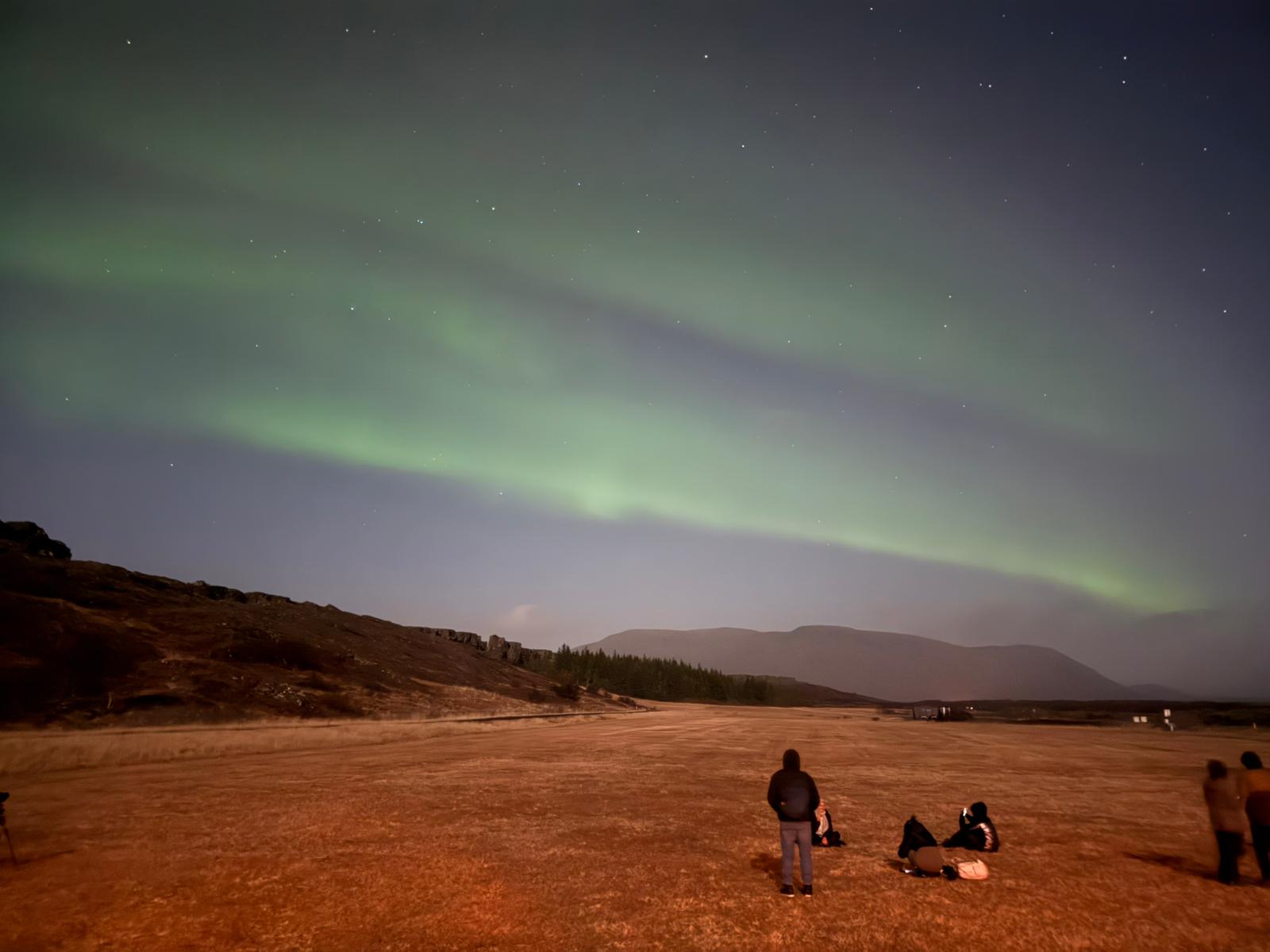
Okay, so the northern lights happen because of solar wind—sounds fancy, right?
Source: Shao Yang
Basically, the Sun sends out these charged particles (like little solar sparks) toward Earth. ☀️
When they hit Earth’s magnetic field, they’re like, “Let’s head to the poles!” because that’s where the field is strongest.
Once they’re in our atmosphere, they start bumping into gases like oxygen and nitrogen.
These collisions?
They’re what make the lights!
Kind of like when you rub your hands together and feel heat, but way prettier.
Different gases = different colours, too.
Oxygen gives us those famous green and red shades, while nitrogen throws in blue and purple.
Can Northern Lights Be Seen With the Naked Eye?
Source: Pexels
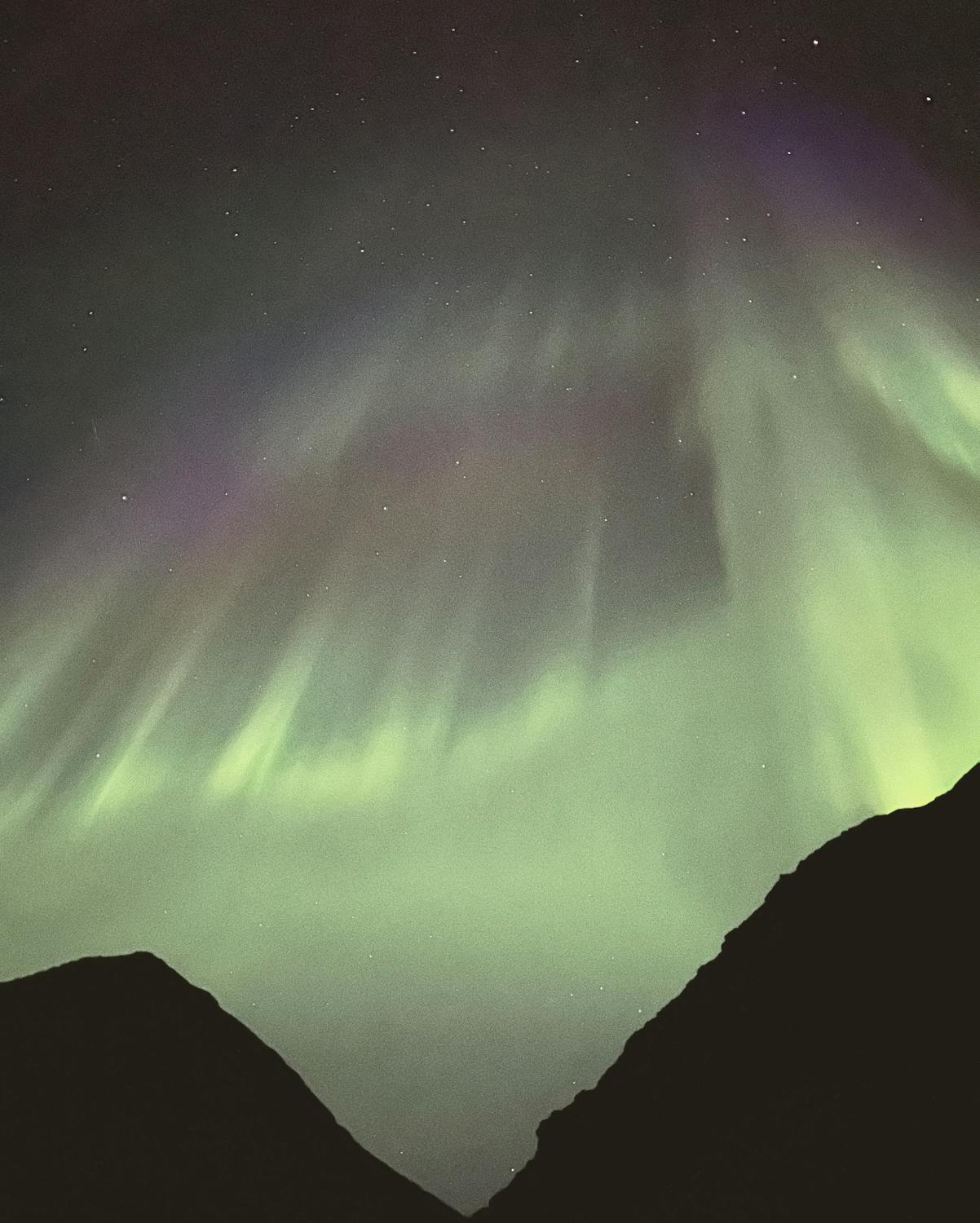
Absolutely, you can totally see them without any fancy gadgets!
But here’s the catch—they need to be bright enough, and the sky needs to be clear and dark. (So, city folks, sorry, but light pollution ruins the view)
They won’t appear as obvious as how they look in pictures.
You might only see a faint glow unless you use a camera to enhance the colours.
Winter is the best time because the nights are long, and darkness is your friend.
But be prepared to wait long into the night in freezing temperatures and strong breezes. 🥶
Which Country to See Northern Lights?
Source: Pexels
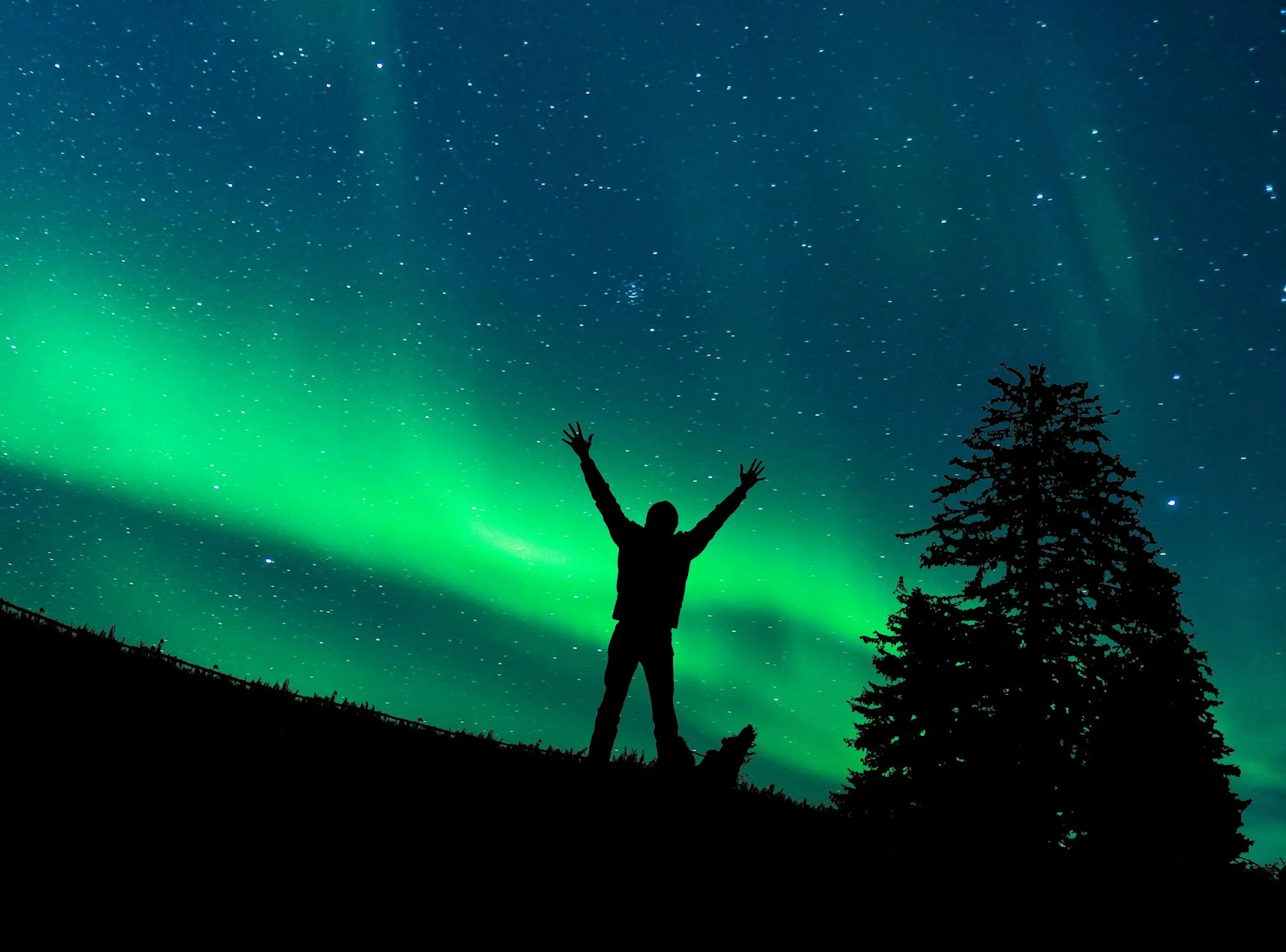
Oh, there are so many great spots to catch the northern lights!
Head somewhere remote, like the countryside or a national park. 🌲
In places like Norway, Iceland, or Canada, they’re often so bright you can’t miss them.
Norway is a big favourite—Tromsø is like Aurora Central.
Sweden and Finland are also amazing, especially in Lapland. You can even stay in a glass igloo to watch the lights from bed! 🛏️✨
Iceland’s another top pick, with its dramatic landscapes adding to the vibe.
Imagine seeing the lights over a glacier.
Cool, right?
Northern Lights Are More Famous Than Southern Lights
So, the northern lights light up the sky in the Northern Hemisphere, while the southern lights do their thing in the Southern Hemisphere.
Same concept—charged particles meet gases—but they’re happening at opposite poles. 🌎🌏
Northern lights get all the hype because they’re way easier to see.
More people live up north, and the viewing spots are more accessible.
Southern lights?
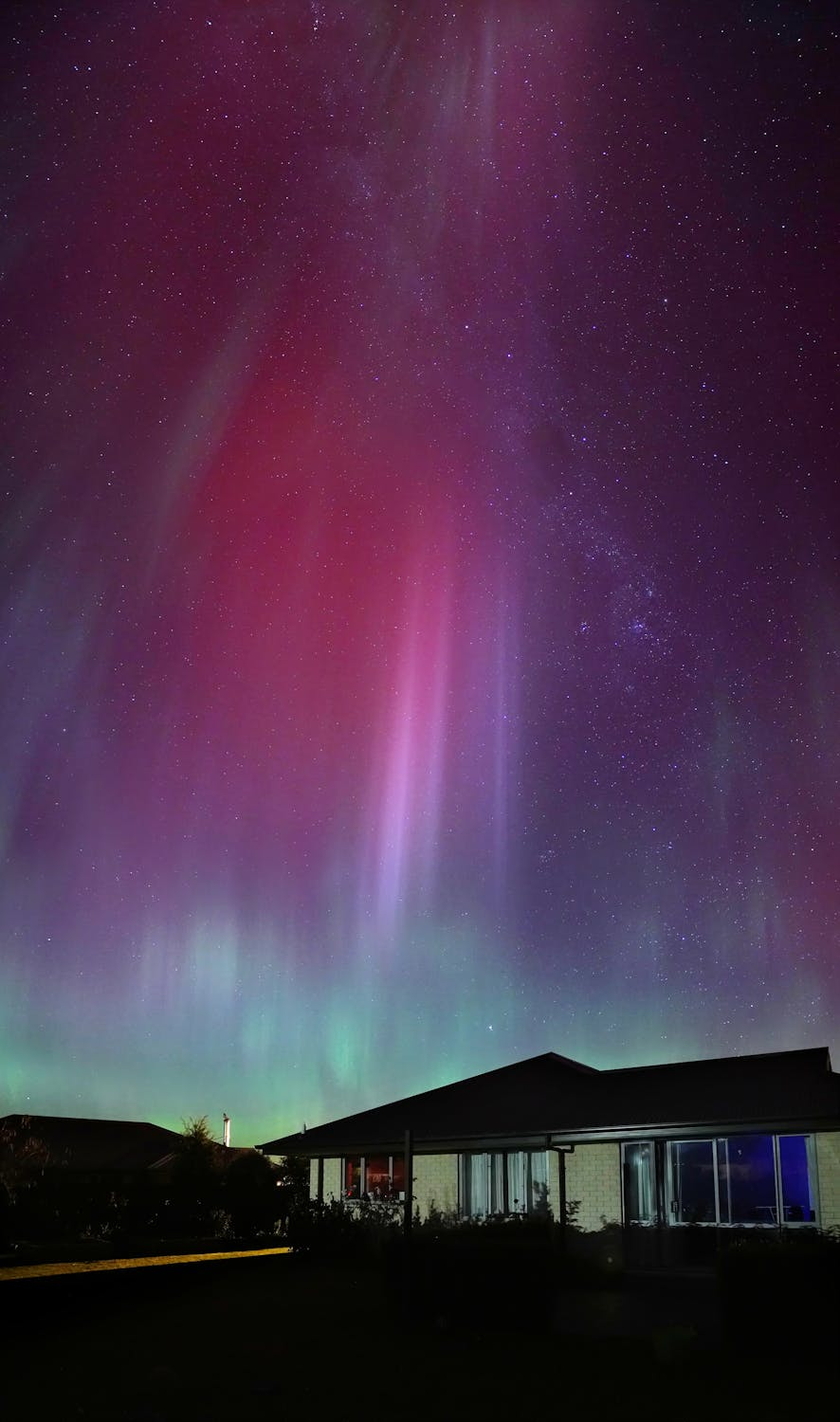
Not as famous, but they’re just as stunning! You can see them in places like Tasmania, New Zealand’s South Island, or even Antarctica if you’re feeling adventurous.
Northern Lights Has An Even More Extravagant Palette Of Colours Than Southern Lights
Their colours and patterns are similar, but the northern lights tend to be brighter and more often seen.
Both types of auroras can appear as waves, arcs, or patches across the sky.
The colors?
A mix of greens, reds, purples, and blues. 🎨
Whether you get to see the north or south’s magical lights, these displays will always be a captivating wonder!
Source: Pexels
But here’s the thing—northern lights are usually larger and more intense.
Why?
More solar activity up north and easier places to watch them.
Southern lights happen in remote areas, so fewer people get to see them.
Still, if you ever spot them, they’re just as breathtaking.
So, whether it’s the northern or southern lights, these natural wonders are like Earth’s way of showing off. 🌟
They are not just pretty but a reminder of how connected we are to the universe.
Some Surprising Things About The Beautiful Lights
Firstly, some Cultures have beautiful legends about them.
In Finland, the northern lights are called “revontulet,” which means “fox fires.”
The story goes that a magical fox runs across the snowy hills, sweeping its tail and sparking lights in the sky.
How dreamy is that?
Also, they don’t always dance like in photos.
Sometimes the northern lights are slow and steady, almost like a glowing band across the sky.
Other times, they swirl and dance in crazy patterns.
Do you know: That intense “dancing” auroras happen during high solar activity, which you can track using aurora forecast apps like My Aurora Forecast.
If you ever get a chance to see them—do it!
These bright lights are worth every bit of effort.
Whether you’re up north in Norway or down south in New Zealand, these lights will leave you speechless.
Related to Northern Lights:
Heartland Travel Series: The Unexplored And Explored Areas In Sengkang
Heartland Travel Series: Venture Into The Sports Filled Adventures At Kallang