

The modern world is faced with an unprecedented crisis – the overwhelming amount of packaging waste generated by food stores and restaurants providing takeout and delivery services.
The situation is becoming increasingly unsustainable, with over 40% of all plastics manufactured globally being used to wrap food and beverages.
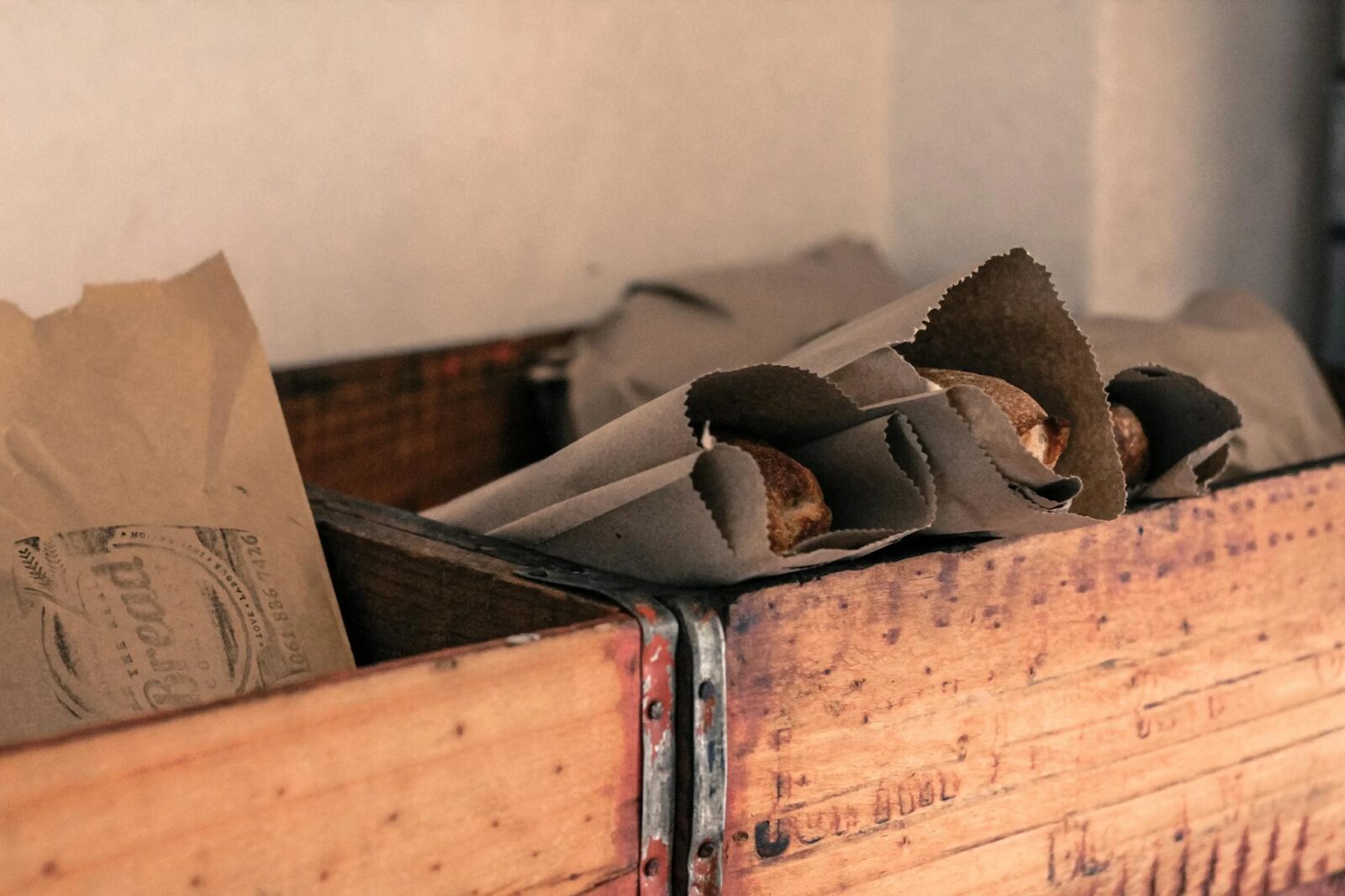
Source: Pexels
The Unsustainable State of Food Packaging
While consumers are often rebuked for not making mindful choices when shopping for food, they are frequently denied options.
Some food products are over-packaged or restaurants rely on single-use containers to transport and takeaway dishes.
Supermarkets and restaurants must step up to break this loop.
Getting started with one of these environmentally friendly food packaging firms is a great idea, but the question remains – why do we need sustainable food packaging?
Every day, hundreds of millions of single-use foil cans and trays are used to bag goods, and non-biodegradable containers, straws, and plastic cutlery used in food takeout and deliveries are wasted worldwide.
Despite their convenience, some of the most fashionable food packaging materials are, however, harmful to the environment.
The Harmful Effects of Traditional Food Packaging Materials
We recently analysed some of the most commonly used food packaging materials, such as glass, paper, paperboard, metal, and of course, plastic.
Despite its significant environmental imprint, the low cost and adaptability make it a popular choice among food manufacturers.
Although glass and metal have a smaller environmental impact, the chemical compounds in them make them exceedingly deadly once discarded.
Even paper and paperboard, which are frequently mistaken for more environmentally friendly materials, require up to three times the energy required to create plastic and are practically hard to recycle after coming into contact with food.
The Quest for Sustainable Food Packaging Alternatives
While none of the traditional and most widely used food packaging materials are sustainable, the situation is not all bad.
A growing number of companies and startups are developing packaging materials that are easy to recycle, reuse, compost, or biodegrade.
The result is food packing that has a low environmental impact.
Biodegradable Packaging from Avocado Pits
In order to develop more sustainable alternatives to conventional materials while reducing food waste, an increasing number of companies have discovered ways to use agro-industrial waste to manufacture food packaging.
A company from Mexico, Biophase, has successfully created a one-of-a-kind technology for converting avocado pits into biodegradable products, as a substitute for plastic cutleries.
Rather than dumping them, the company gathers pits and converts them into bioplastic.
This is then transformed into cutlery, plates, straws, and containers that may disintegrate easily and naturally in landfills or on land. .
Unlike petroleum-based plastics, which disrupt the natural carbon cycle, the carbon in the company’s products is reintegrated into the natural cycle.
Sustainable Beverage Packaging Solutions
Sustainable beverage packaging is another area that has witnessed significant innovation.
Aluminium, cardboard, glass, and plastic beverages are packed in a variety of ways all across the world.
Every year, we use 180 billion cans of beer and soda, over 6,700 cans every second, and 1 million plastic bottles per minute.
Fortunately, some companies have transformed the beverage sector by offering considerably more environmentally friendly packaging solutions.
British Garçon Wines, for example, has designed flat bottles made of recycled PET plastic that are 87% lighter than glass.
Because of the novel shape and exceptionally lightweight material, the company is able to pack bottles tightly into cartons without the need for additional packaging.
The switch to sustainable food packaging options is long overdue.
With the harmful effects of traditional packaging materials on the environment, businesses must take action.
The innovative solutions and companies leading the way are a beacon of hope for a more sustainable future.
It’s time for us to take responsibility and make a change – for the planet, and ourselves.
If you’re looking for the perfect fit for your frozen food packaging? Best Green’s eco-friendly options are a top choice you won’t want to miss!
Related to Sustainable Food Packaging:
Singapore’s Waste And What You Can Do To Help Make A Greener Singapore