


Chinese cuisine is famous for its rich flavours and diverse textures, and its desserts are no exception.
Whether you have a sweet tooth or just love trying new delicacies, Chinese desserts offer a delightful mix of tradition and taste.
These treats not only satisfy cravings but also tell stories of history, culture, and innovation.
Here are seven must-try Chinese desserts that will leave you craving more.
Mango Sago: A Refreshing Tropical Dessert From Hong Kong
A refreshing and creamy dessert, Mango Sago is a beloved treat in Hong Kong that is made with mango puree, chewy sago pearls, and evaporated milk.
This tropical delight is perfect for beating the heat and satisfying your fruit cravings.
If you’re searching for a cooling Chinese dessert recipe, this one is a must-try!
Mango Sago has become a modern classic. It is often served during summer months or as a light conclusion to dim sum meals.
The sago pearls, which are small tapioca balls, add a fun textural element, making the dessert both visually appealing and enjoyable to eat.
For those who prefer dairy-free options, coconut milk can be substituted for evaporated milk to create a vegan-friendly version.
In addition to its popularity in Hong Kong, Mango Sago has gained traction worldwide thanks to its simplicity and versatility.
Many dessert shops now experiment with variations, incorporating ingredients like lychee, passionfruit, or even durian for adventurous palates.
Tangyuan (Glutinous Rice Balls): Traditional Chinese Dessert For Festive Celebrations
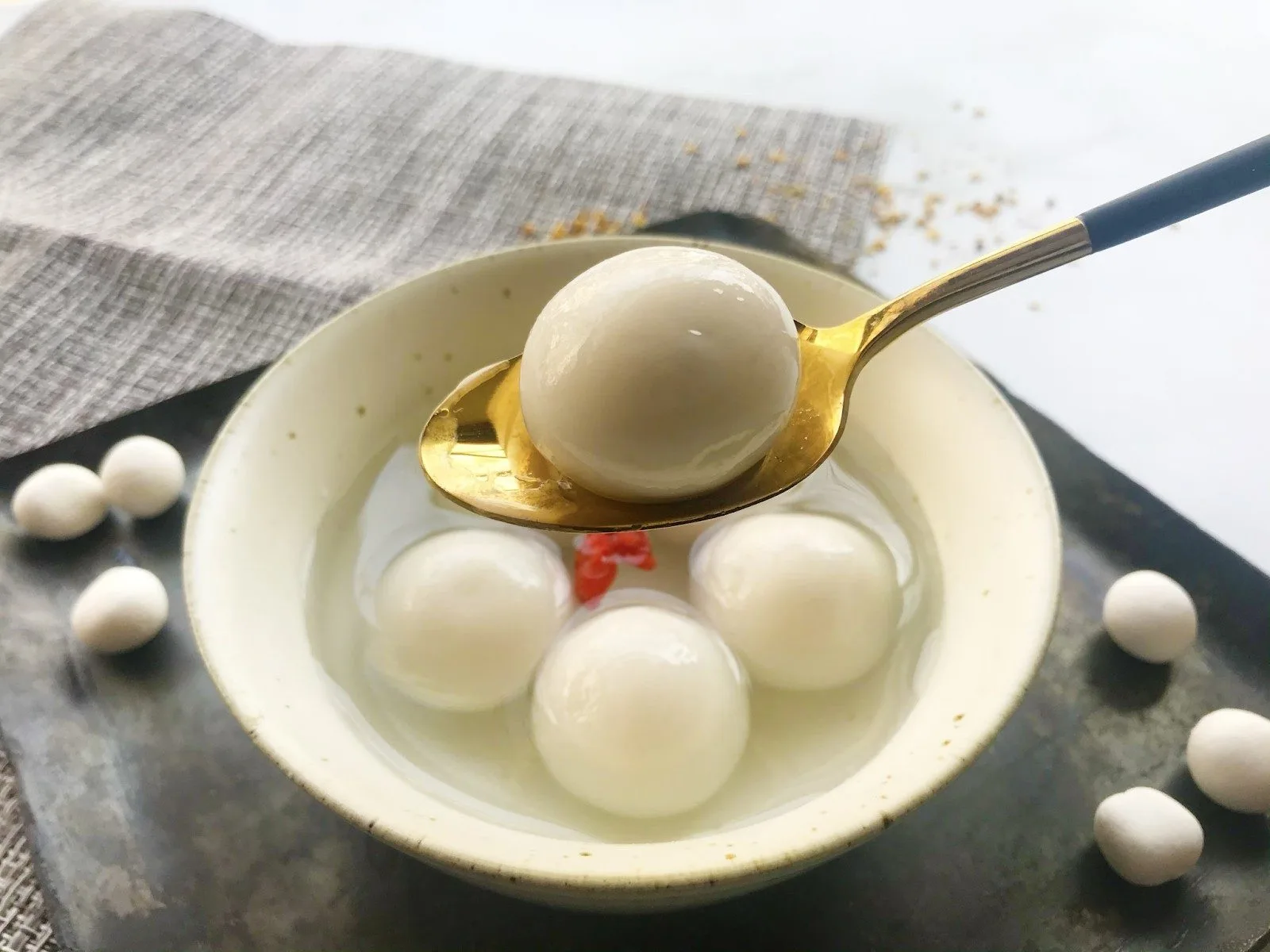
Source: Unsplash
Symbolising unity and togetherness, Tangyuan is a dessert that consists of chewy glutinous rice balls filled with black sesame, red bean, or peanut paste.
Often served in warm ginger soup, these delightful spheres are a staple during the Lantern Festival.
Looking for a traditional Chinese dessert for special occasions?
Tangyuan is an excellent choice, and businesses like Ah Chew Desserts offer expertly crafted versions that highlight the authentic flavors and textures of this beloved treat.
The preparation of Tangyuan involves rolling sticky rice dough into small balls, either plain or stuffed with sweet fillings.
When cooked, they develop a soft, chewy texture that pairs beautifully with the fragrant warmth of ginger-infused syrup.
In some regions, Tangyuan is also enjoyed during Winter Solstice celebrations, symbolizing family harmony and prosperity.
Beyond their symbolic significance, Tangyuan offers a comforting experience, especially during colder months.
Its simplicity makes it accessible for home cooks, and many families enjoy making Tangyuan together as a bonding activity.
For those who prefer a ready-to-enjoy option, Ah Chew Desserts provides a convenient way to savor this timeless dessert without compromising on quality or tradition.
Chinese Egg Tarts: The Perfect Blend Of Flaky Crust And Creamy Custard
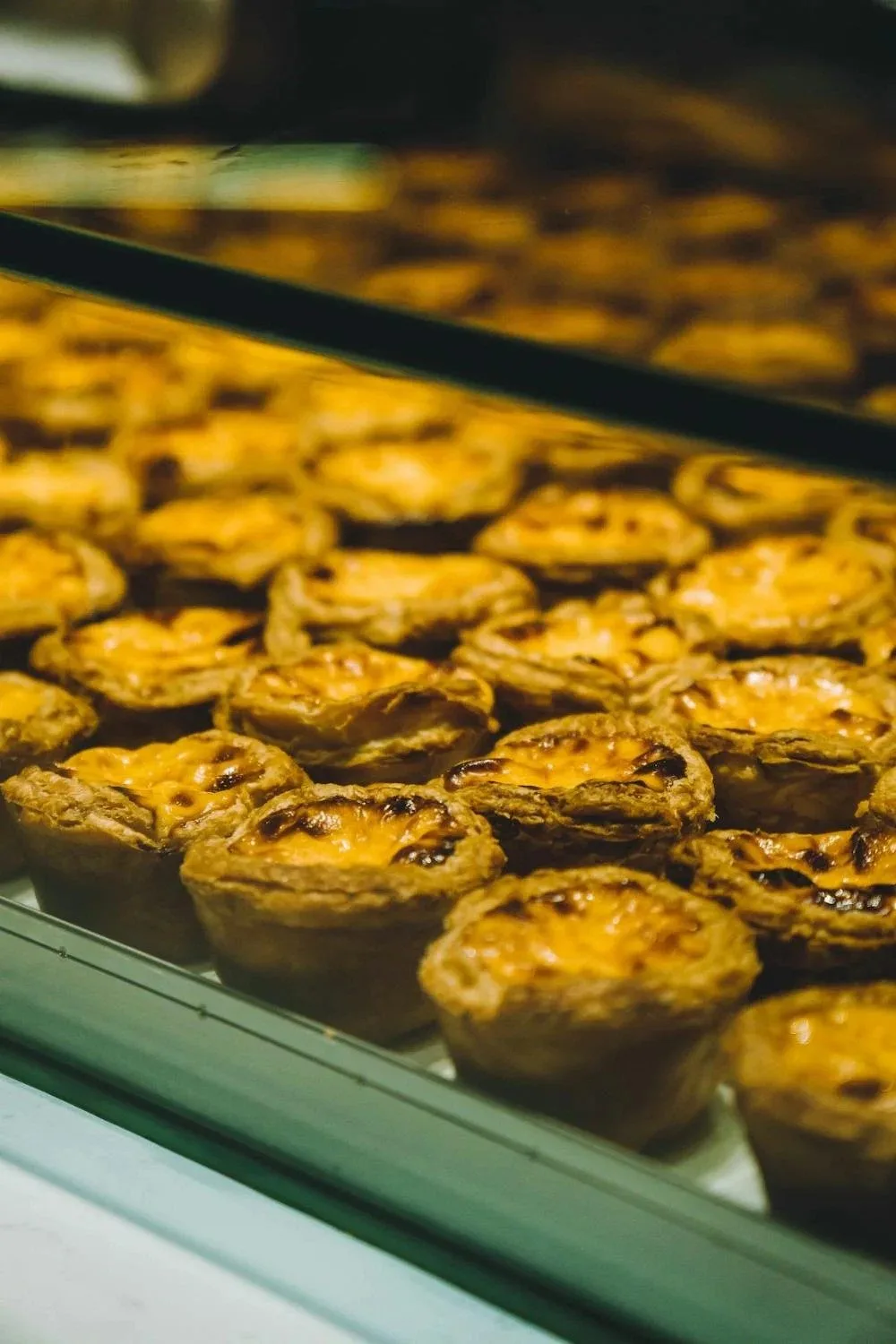
Source: Pexels
With a buttery, flaky crust and a smooth, custard-like filling, Chinese Egg Tarts are a popular dim sum dessert.
Inspired by Portuguese pastel de nata, they offer a satisfying blend of sweetness and richness in every bite.
Searching for the best Chinese egg tart recipe?
These tarts are sure to impress.
Egg Tarts first gained popularity in Guangzhou before spreading across China and beyond.
They come in two main varieties: the Cantonese style, featuring a shortcrust pastry shell, and the Hong Kong style, which uses puff pastry for an extra flaky finish.
Both versions boast a golden custard filling that strikes the perfect balance between creamy and wobbly.
In recent years, creative bakers have introduced innovative twists on the classic Egg Tart.
Some incorporate matcha powder for a green tea flavour, while others infuse the custard with taro or pandan essence.
No matter the variation, Egg Tarts remain a timeless favourite among dessert enthusiasts.
Osmanthus Jelly: A Light And Floral Chinese Dessert With Health Benefits
Light, floral, and subtly sweet, Osmanthus Jelly is a refreshing jelly dessert infused with fragrant osmanthus flowers and goji berries.
This cooling treat is perfect after a heavy meal and is often enjoyed for its health benefits.
If you’re looking for a healthy Chinese dessert option, try making Osmanthus Jelly at home.
Osmanthus flowers are prized for their delicate aroma and purported medicinal properties, including anti-inflammatory and antioxidant effects.
Paired with goji berries, known for their high vitamin content, this dessert offers both taste and wellness.
Its translucent appearance and elegant presentation make it a popular choice for banquets and formal gatherings.
For those interested in exploring traditional Chinese herbal remedies through food, Osmanthus Jelly serves as a gateway.
The subtle sweetness ensures it won’t overpower other dishes, making it an ideal palate cleanser.
Sesame Balls (Jian Dui): Crispy On The Outside, Chewy On The Inside
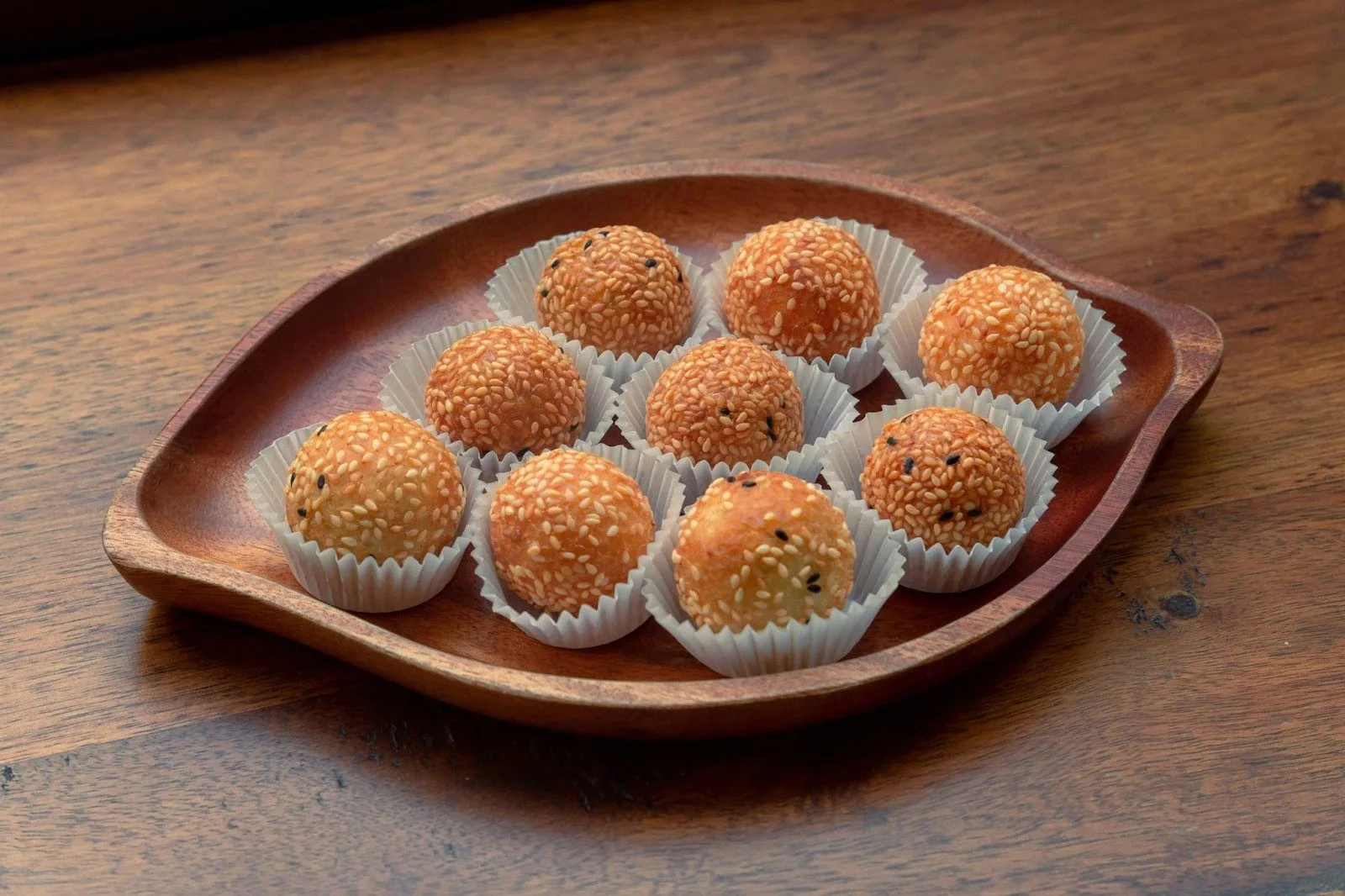
Source: Pexels
Crispy on the outside and chewy on the inside, these deep-fried glutinous rice balls are coated with sesame seeds and filled with sweet lotus or red bean paste.
They’re a classic at Chinese bakeries and festive gatherings.
For fans of crunchy Chinese desserts, Sesame Balls are a must-eat.
Sesame Balls, or Jian Dui, are believed to have originated in southern China and are often associated with good fortune due to their round shape.
Their preparation requires skill, as achieving the right balance between crispiness and chewiness can be tricky.
Once fried, the sesame coating turns golden brown, creating a striking contrast against the soft interior.
While traditionally filled with lotus seed paste, modern interpretations include chocolate, custard, or even salted egg yolk centres.
These adaptations cater to evolving tastes while preserving the dessert’s original charm.
Snow Skin Mooncakes: Soft, Mochi-Like Treats For The Mid-Autumn Festival
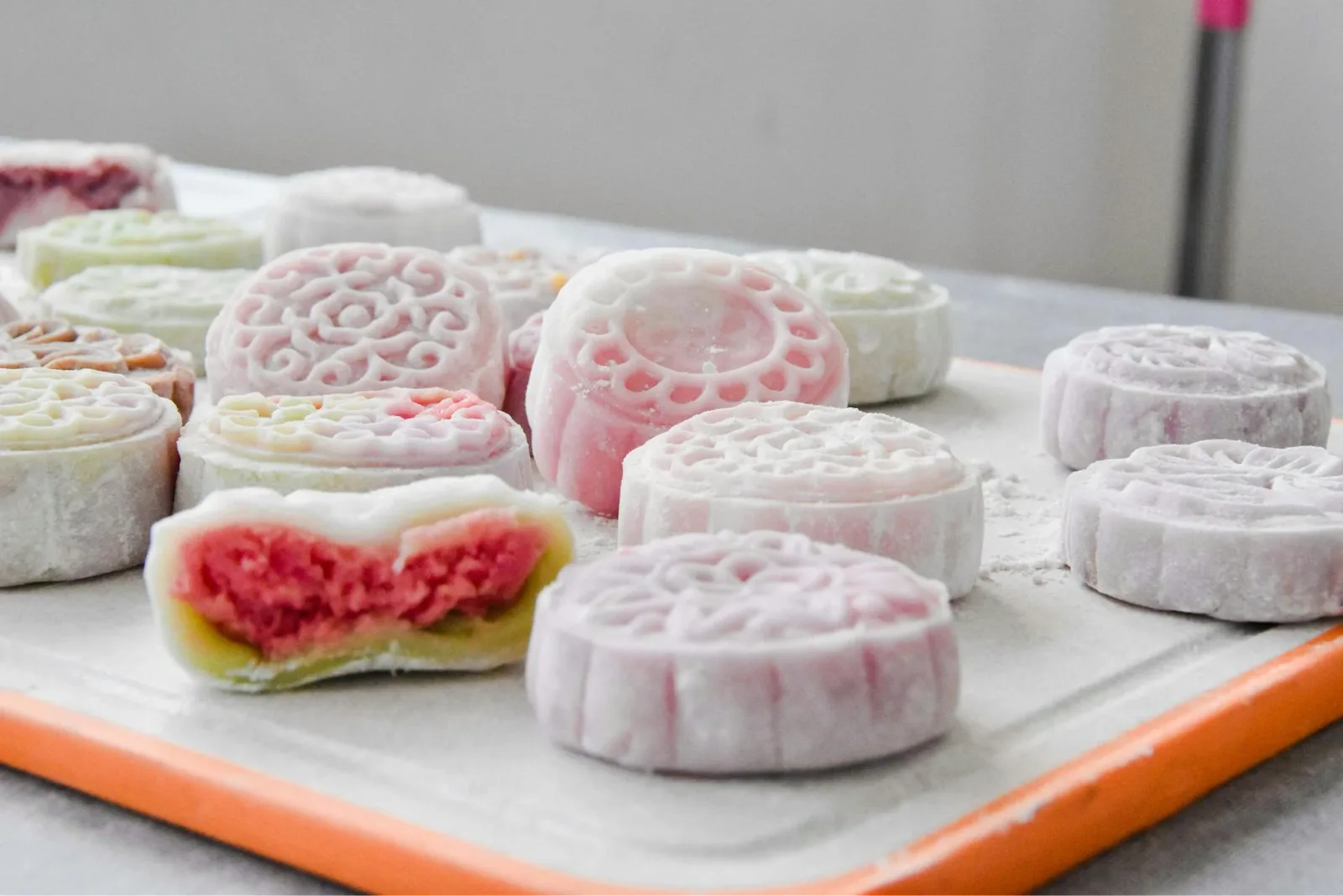 Source: Pexels
Unlike traditional baked mooncakes, Snow Skin Mooncakes have a soft, mochi-like exterior and come in a variety of flavours such as matcha, durian, and chocolate.
These colourful treats are especially popular during the Mid-Autumn Festival.
If you’re curious about modern twists on traditional Chinese desserts, Snow Skin Mooncakes are a great place to start.
The Mid-Autumn Festival celebrates the harvest moon and emphasizes family reunions.
Mooncakes, whether baked or snow skin, play a central role in these festivities.
While baked mooncakes are dense and rich, Snow Skin Mooncakes provide a lighter alternative, appealing to those who prefer less indulgent sweets.
Their vibrant colours and intricate designs make them highly Instagrammable, contributing to their growing popularity among younger generations.
DIY kits are also available, allowing people to craft personalized Snow Skin Mooncakes at home.
Chendol: A Southeast Asian-Inspired Chinese Dessert With Pandan And Coconut Milk
A Southeast Asian favourite with Chinese origins, Chendol features green pandan jelly, red beans, shaved ice, and coconut milk, drizzled with rich gula melaka (palm sugar syrup).
The mix of textures and flavours makes it a truly irresistible dessert.
If you’re exploring unique Chinese-inspired desserts, don’t miss out on Chendol.
Chendol’s roots trace back to Fujian Province in China, where similar desserts were made using local ingredients.
Over time, it evolved in Malaysia, Singapore, and Indonesia, incorporating regional flavours like palm sugar and coconut milk.
Today, Chendol stands as a testament to the cross-cultural exchange that defines much of Asian cuisine.
With a layered composition, Chendol creates a unique sensory experience.
Soft pandan jelly, creamy coconut milk, crunchy red beans, and finely shaved ice all come together in harmony.
It’s no wonder Chendol remains a crowd-pleaser in hawker centres and dessert cafes alike.
What Is The Cultural Significance Of Traditional Chinese Desserts In Modern Celebrations
Source: Pexels
Chinese desserts are more than just sweet treats; they carry deep cultural meanings and reflect the values of Chinese society.
Many desserts are tied to specific festivals or rituals, emphasizing themes like unity, prosperity, and longevity.
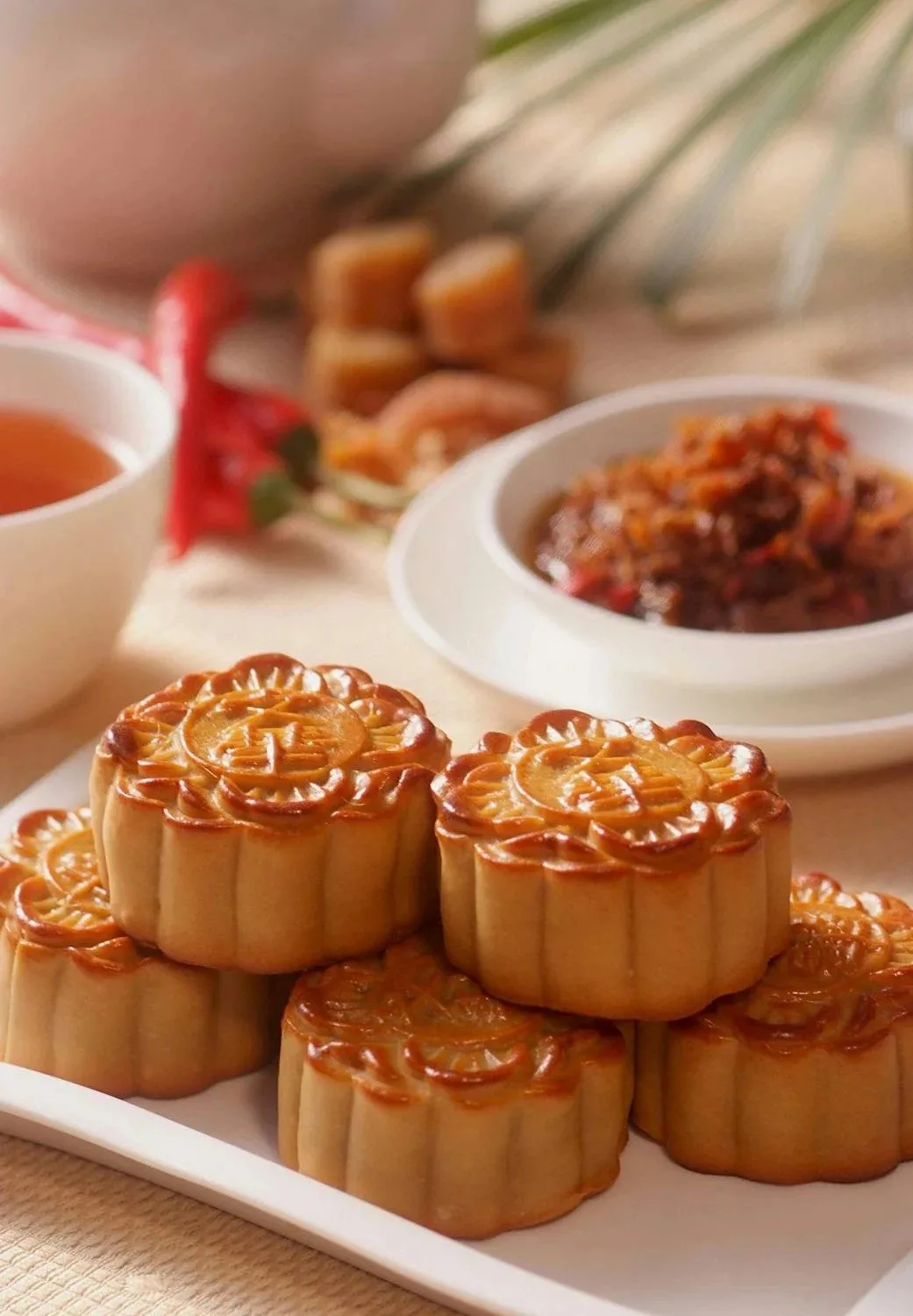
For instance, Tangyuan represents completeness, while Mooncakes symbolize reunion under the full moon.
Moreover, Chinese desserts highlight the importance of balance in Chinese philosophy.
Ingredients are carefully chosen not only for their flavours but also for their health benefits.
Herbal elements like osmanthus flowers and goji berries exemplify this holistic approach to food.
Why You Should Give Chinese Desserts A Try
Source: Pexels
Exploring Chinese desserts opens up a world of flavours and experiences.
From the delicate artistry of Snow Skin Mooncakes to the comforting warmth of Tangyuan, each dessert tells a story.
Whether you’re dining at a local dim sum restaurant or experimenting with recipes at home, there’s always something new to discover.
For those in Singapore, Ah Chew Desserts is a go-to spot for indulging in both traditional and modern Chinese sweets.
Known for its silky steamed milk pudding and tangy mango pomelo sago, Ah Chew offers a taste of nostalgia paired with innovative twists.
If you’re looking to experience authentic Chinese desserts crafted with care, this dessert shop is a must-visit.
Related To Chinese Desserts:
9 No-Bake Dessert Recipes For Everyone
A Celebration Of Family And Fortune: The Heart Of Chinese New Year