

Have you ever wondered what kind of beverage could be timeless and cherished across cultures and generations, dating back to ancient emperor times?
With its origins rooted in Asia, tea has evolved into countless variations, each uniquely reflecting the traditions and preferences of the region it represents.
In Singapore, tea isn’t just a drink but a vibrant part of the nation’s multicultural identity.
Here in this little red dot, tea evolves into “teh”, a beverage steeped in history and local ingenuity.
“Teh” is the Hokkien word for “tea” in Singapore and is commonly used when ordering tea in “kopitiams”, which are Malay-Hokkien for coffee shops.
Singapore’s “Teh” Obsession: Why It Is More Than Just A Drink
Tea has been deeply embedded in Singapore’s social culture and food heritage for centuries, with its preparation and consumption varying across different communities.
Known as “teh” in Malay, 茶 (cha) in Chinese, or தேநீர் (theneer) in Tamil, tea is a cherished element of the nation’s diverse cultural tapestry.
Every community has its own spin on tea, like a chill cup at home to fancy religious rituals.
It’s not just about drinking; it’s about bonding, celebrating, or even just taking a breather.
The vibe is the same: comforting and familiar.
Whether you prefer a traditional “teh” or a contemporary twist on this classic beverage, Singapore offers a tea experience to suit every palate and occasion.
Singapore’s Teh vs Other Worldwide Teas
Tea has been an integral part of many cultures, dating back to ancient China.
It was first consumed as a medicinal drink but soon became popular among the aristocracy.
Today, tea is enjoyed all over the world, with each region having its own unique tea culture.
| Singapore “Teh” | Tea Worldwide |
| “Teh”: Traditional hot tea sweetened with condensed milk and sugar. | Sweeter and creamier Milk Tea. |
| “Teh” C: Hot tea made with evaporated milk and sugar for a lighter, creamier taste. | Latte but with a lighter and creamier texture. |
| “Teh” O: Black tea sweetened with sugar, without any milk. | Black Tea with sugar. |
| “Teh” O Kosong: Pure black tea, served without milk or sugar. | Unsweetened Black Tea. |
| “Teh” Siew Dai: A less-sweetened version of hot tea with reduced sugar. | Lightly sweetened Milk Tea. |
| “Teh” Tarik: The classic “pulled tea,” made frothy with condensed milk and sugar, often found at Indian or Malay food stalls. | Frothy Chai Latte but richer and sweeter. |
| “Teh” O Tarik: A frothy pulled tea, prepared with sugar only, no milk. | Sweetened and frothy Black Tea. |
New Wave Of Teas: Newer Special Brews That Are Turning Heads
Source: Pexels
How The Shortage Of Matcha Tea Leaves Is Fueling A Global Matcha Frenzy
Matcha is a type of powdered green tea popular in Japan.
It can be consumed on its own when whisked with water and can also be added to lattes, smoothies, and baked goods.
Having a smooth and rich flavour complements its notes of umami and that hint of bitterness.
But here’s the tea: matcha is in serious demand, and it’s causing a worldwide shortage.
People are lining up outside shops in Tokyo, and even the big names like Marukyu Koyamaen and Ippodo Tea are struggling to keep up.
Fans of Matcha are not giving up though.
Some are buying it online, while others are stocking up during trips to Japan.
Boba Tea Craze: How Boba Tea Took The World By Storm
Source: Pexels
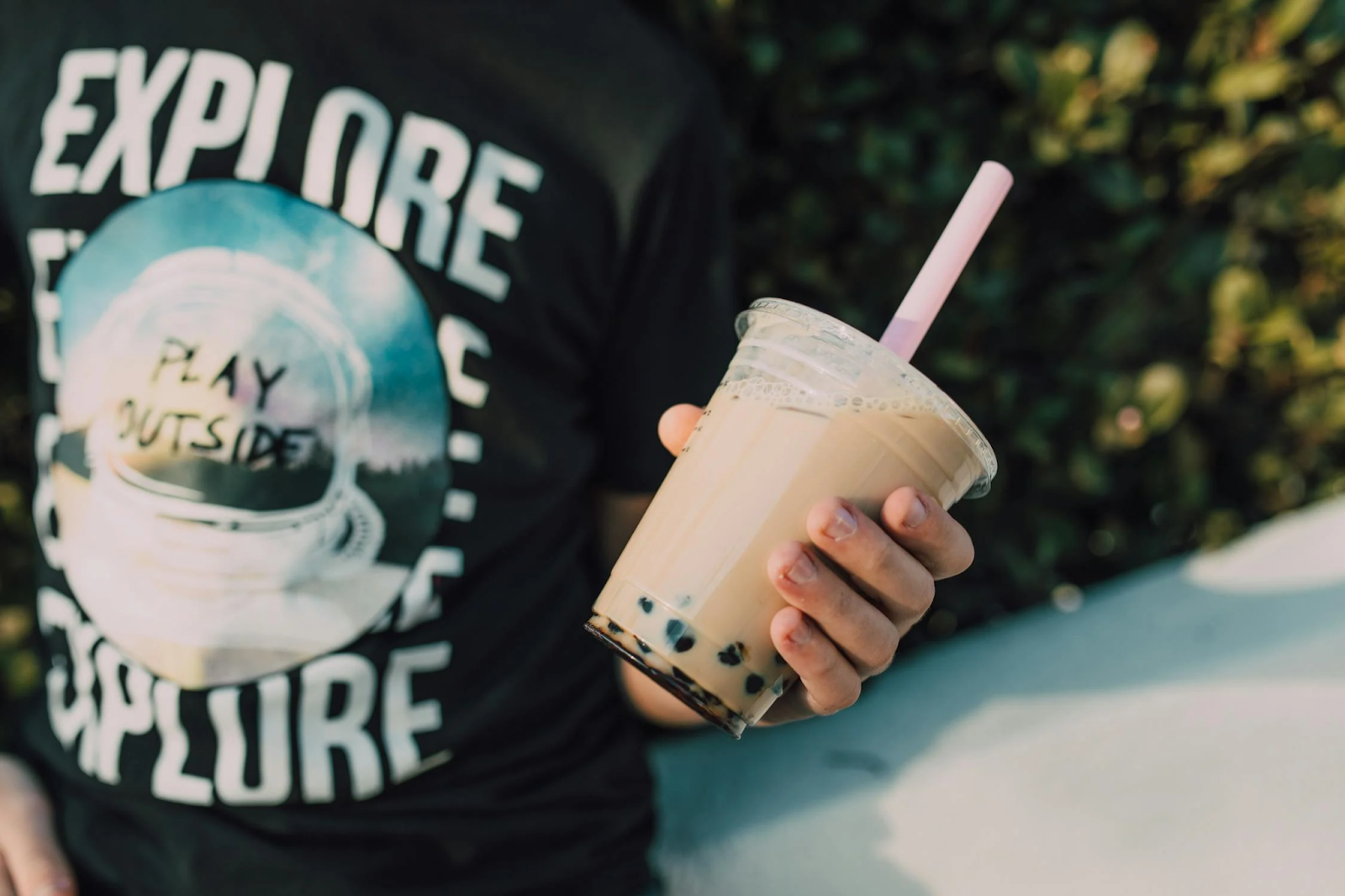
Boba tea, also known as bubble tea, is a popular drink that originated in Taiwan.
It is made by brewing black tea and then adding milk, sugar, and tapioca pearls.
This drink, often served cold, is one of the most popular drink choices among young people.
Herbal Teas In Singapore Are A Cooling Remedy For The Tropics
Herbal tea is another popular version of tea that can be found in Singapore; it is made with tea leaves and various Traditional Chinese Medicine (TCM) herbs.
This type of tea is believed to carry cooling properties, making it ideal for the country’s humid climate.
Tea is more than a beverage; it’s a universal language of warmth, connection, and tradition.
While it has taken countless forms across the globe, Singapore’s “teh” stands out as a rich testament to the country’s multicultural fabric and culinary creativity.
As tea continues to adapt and thrive in modern settings, Singapore’s “teh” remains a celebration of flavour, culture, and community, proving that the simplest traditions can bring the greatest joy.
Related to Tea:
Western Medicine vs. Traditional Chinese Medicine: Can They Coexist? – Guidesify