


You’ve probably heard the debate before: CDs versus vinyl.
On one side, you have the crisp, technically superior sound of compact discs, offering a level of clarity and precision that digital technology promises.
On the other hand, there’s the warm, rich analogue sound of vinyl records, paired with the tactile experience of handling something tangible.
But which is truly better?
Or is it all just a matter of personal preference?
The battle between CDs and vinyl isn’t just about sound quality.
It’s about how we connect with music.
Let’s dive into the strengths and weaknesses of each format, explore why people are so passionate about their choice, and uncover whether one really reigns supreme.
Why CDs Are Technically Superior With Cleaner Sound And Higher Dynamic Range

Source: Pexels
Compact Discs (CDs) revolutionised the music industry when they were introduced in the early 1980s.
Using digital technology, CDs store audio as binary code (ones and zeros), which eliminates many of the imperfections associated with analogue formats like vinyl.
This results in a cleaner, more precise sound that’s free from pops, crackles, and surface noise.
A standout feature of CDs is their higher dynamic range
Dynamic range refers to the difference between the quietest and loudest sounds a format can reproduce.
CDs can handle a wider range than vinyl, allowing for more nuanced and detailed recordings.
For genres like classical or jazz, where subtleties in performance matter, CDs are an attractive option.
Additionally, CDs are far more durable than vinyl.
They’re less prone to physical damage, don’t degrade with repeated plays, and are easier to store and transport.
For audiophiles who prioritise technical accuracy and convenience, CDs are often seen as the gold standard.
Why Vinyl Offers A Warmer, More Analogue Sound And Tactile Experience
Source: Pexels
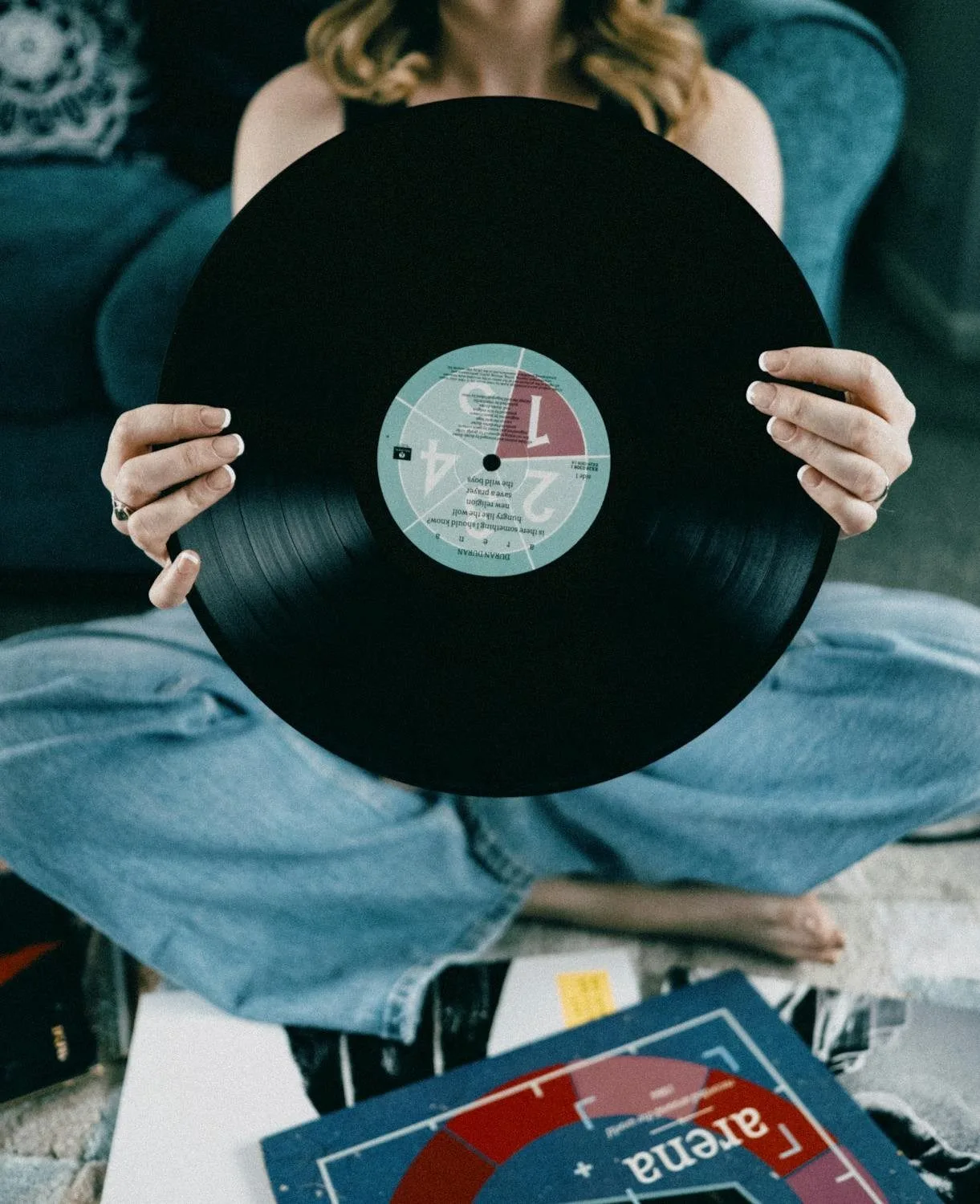
Despite the technical advantages of CDs, vinyl has experienced a remarkable resurgence in recent years, and for good reason.
Vinyl records offer a listening experience that’s deeply rooted in nostalgia and authenticity.
The analogue nature of vinyl reproduces sound waves in a continuous, unbroken stream, creating what many describe as a “warmer” and more natural sound.
This warmth comes from the way vinyl captures the full spectrum of frequencies, including harmonics and overtones that digital formats sometimes struggle to replicate.
For some listeners, this makes vinyl feel more alive and immersive, especially when played on high-quality turntables with proper equipment.
Beyond the sound itself, vinyl offers a tactile experience that CDs simply can’t match.
From carefully sliding a record out of its sleeve to placing it on the turntable and gently lowering the needle, every step feels intentional and ritualistic.
Album artwork, liner notes, and even the size of the packaging add to the charm, making vinyl not just a medium for music but also a piece of art.
Why Personal Preference Plays A Huge Role In Choosing Between CDs And Vinyl
The Appeal Of Technical Precision Versus Emotional Connection
Source: Pexels
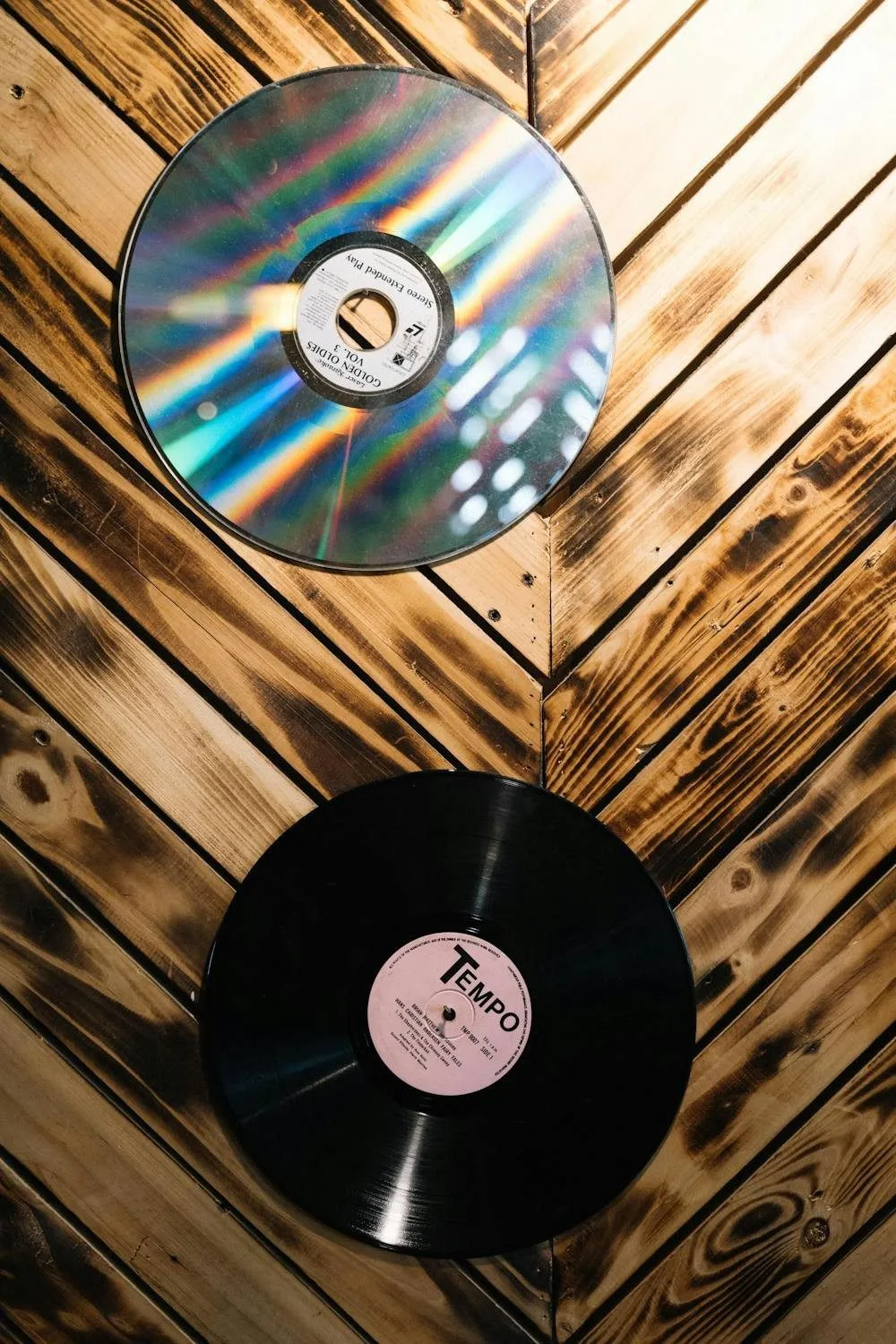
At the heart of the CD vs vinyl debate lies a fundamental question: What do you value more in your listening experience?
If you prioritise technical precision, convenience, and portability, CDs might be your go-to choice.
Their ability to deliver consistent, high-fidelity sound without the hassle of maintenance appeals to those who want a no-nonsense approach to enjoying music.
On the other hand, if you crave a deeper emotional connection to your music, vinyl could be the winner.
The act of physically engaging with a record, from choosing it to playing it, creates a sense of intimacy that digital formats often lack.
Many vinyl enthusiasts argue that the slight imperfections, like the occasional pop or crackle, add character and make the experience feel more human.
How Generational Differences Influence Preferences

Source: Pexels
It’s worth noting that generational factors play a role in this debate.
Older listeners who grew up with vinyl may associate it with fond memories of flipping through record stores or gathering around the stereo with friends.
Younger generations, however, might view CDs as a nostalgic nod to the ’90s or early 2000s, while embracing streaming services as their primary way of consuming music.
Ultimately, personal preference often boils down to what resonates most with you emotionally and practically.
Some people love the convenience of building a CD collection, while others find joy in curating a library of vinyl records.
There’s no right or wrong answer.
It’s all about what enhances your connection to the music.
Examples Where CDs And Vinyl Shine In Different Scenarios

Source: Pexels
Imagine you’re hosting a dinner party and want background music that’s crystal clear and easy to manage.
In this case, a CD player or even a streaming service would be ideal.
You can queue up playlists, skip tracks effortlessly, and enjoy pristine sound quality without needing to change discs constantly.
Now, picture yourself unwinding after a long day, craving a moment of mindfulness.
You pull out your favourite vinyl record, admire the artwork, and take a few minutes to set it up on your turntable.
As the needle drops and the first notes fill the room, you’re transported to another world.
The warmth of the sound and the deliberate process of playing a record create a meditative atmosphere that’s hard to replicate with any other format.
Both scenarios highlight the unique strengths of each medium.
CDs excel in situations where practicality and precision matter, while vinyl shines when you want to immerse yourself in the ritual and romance of listening to music.
Why Modern Technology Has Blurred The Lines Between CDs And Vinyl
Source: Pexels
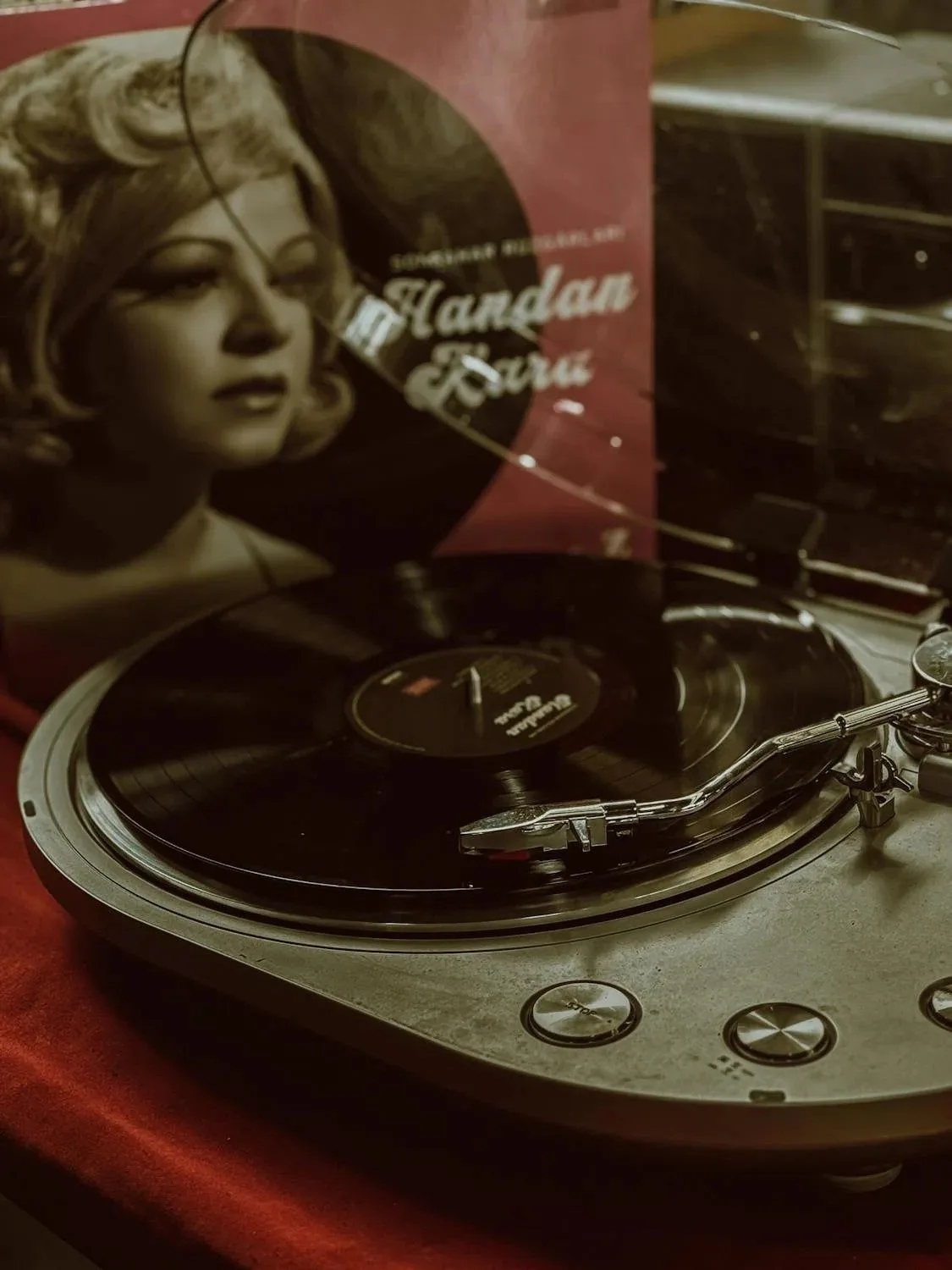
With advancements in technology, the lines between CDs and vinyl have become increasingly blurred.
High-resolution digital files and streaming platforms now rival the sound quality of CDs, while modern turntables and phono preamps have elevated the performance of vinyl systems.
For example, some audiophiles combine the best of both worlds by ripping vinyl records to digital formats, preserving the analogue warmth while enjoying the convenience of digital storage.
Conversely, there are companies that press CDs with remastered versions of classic albums originally released on vinyl, appealing to fans of both formats.
This blending of old and new technologies shows that the CD vs vinyl debate isn’t necessarily a zero-sum game.
Instead, it reflects the diverse ways people engage with music in an ever-evolving landscape.
Related To CDs And Vinyl:
Falling Down the Musical Rabbit Hole: A How-to Guide to Discovering Tunes
The Soulful Journey Of The Saxophone: How The Instrument Became Jazz’s Voice