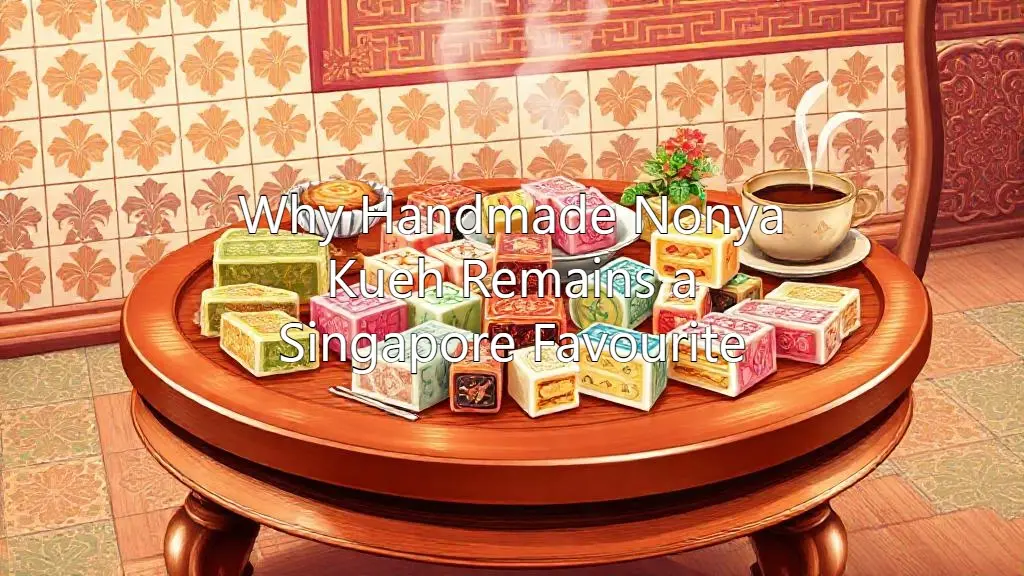


Desserts serve as a reflection of cultural values, traditions, and culinary preferences.
In this article, the differences between Chinese and Western desserts are analysed through flavours, textures, preparation methods, and cultural context.
The focus is on providing insights into how these elements shape dessert consumption in both regions.
Flavour Profiles: Subtle Sweetness Vs. Bold Indulgence
Source: Pexels
Chinese desserts often feature subtle sweetness levels, achieved through ingredients like red bean paste, lotus seed paste, and glutinous rice.
These ingredients emphasise natural flavours rather than intense sugar content, aligning with traditional Chinese dietary principles that prioritise balance and moderation.
For those in Singapore looking to experience this delicate balance firsthand, Sweetpot offers an impressive selection of authentic Chinese desserts.
Their red bean mochi and sesame dumplings are crafted with precision, showcasing how traditional recipes can highlight understated elegance without overwhelming the palate.
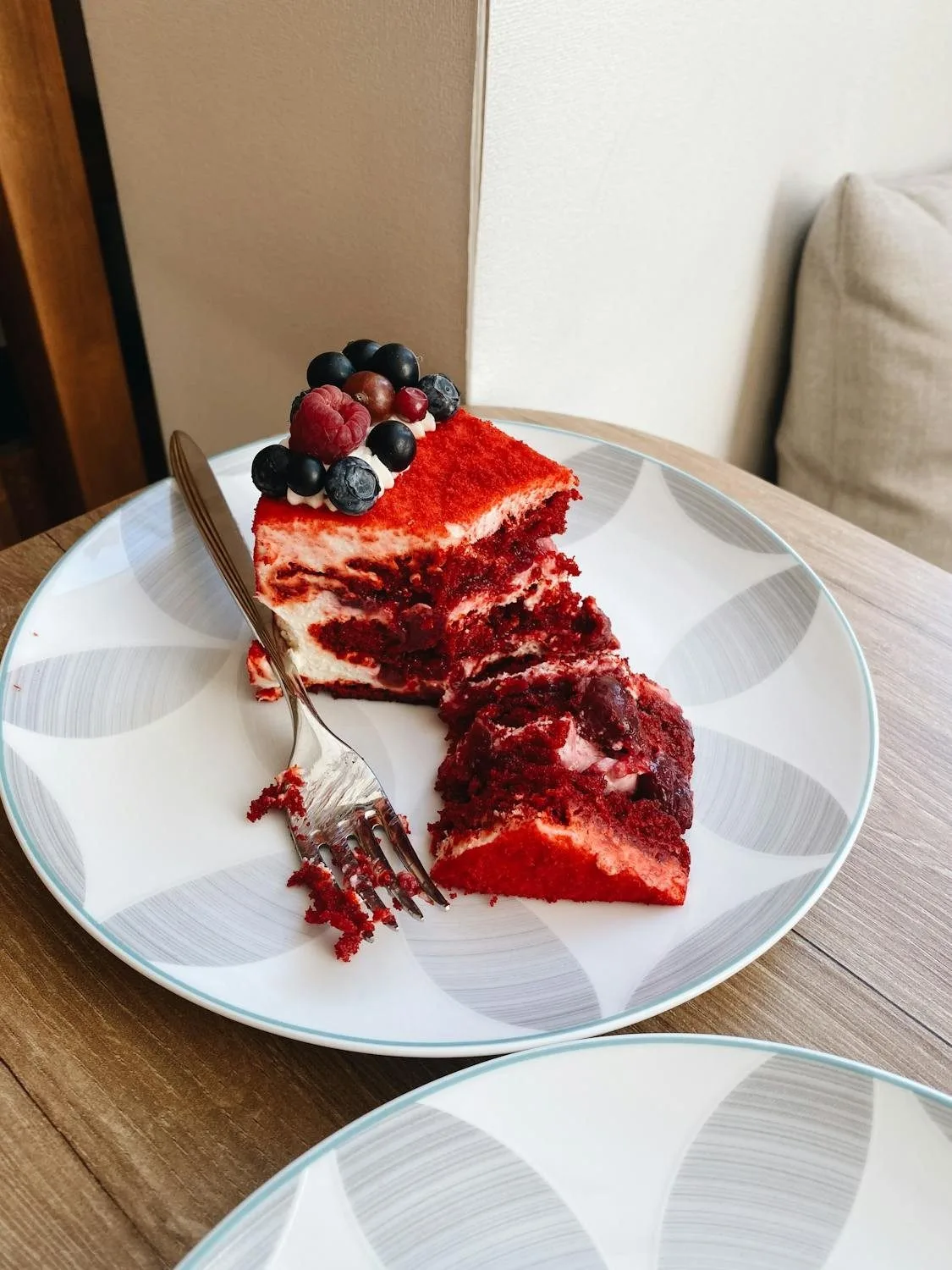
This approach contrasts sharply with Western desserts, which tend to be sweeter and more indulgent, often incorporating refined sugars, chocolate, and cream to create rich, decadent flavours.
The difference in sweetness levels highlights distinct approaches to dessert enjoyment.
Chinese desserts cater to those who appreciate subtlety, while Western sweets appeal to cravings for bold indulgence.
Texture Variations: Chewy, Soft, And Creamy Contrasts
Source: Pexels
Texture plays a significant role in the appeal of desserts.
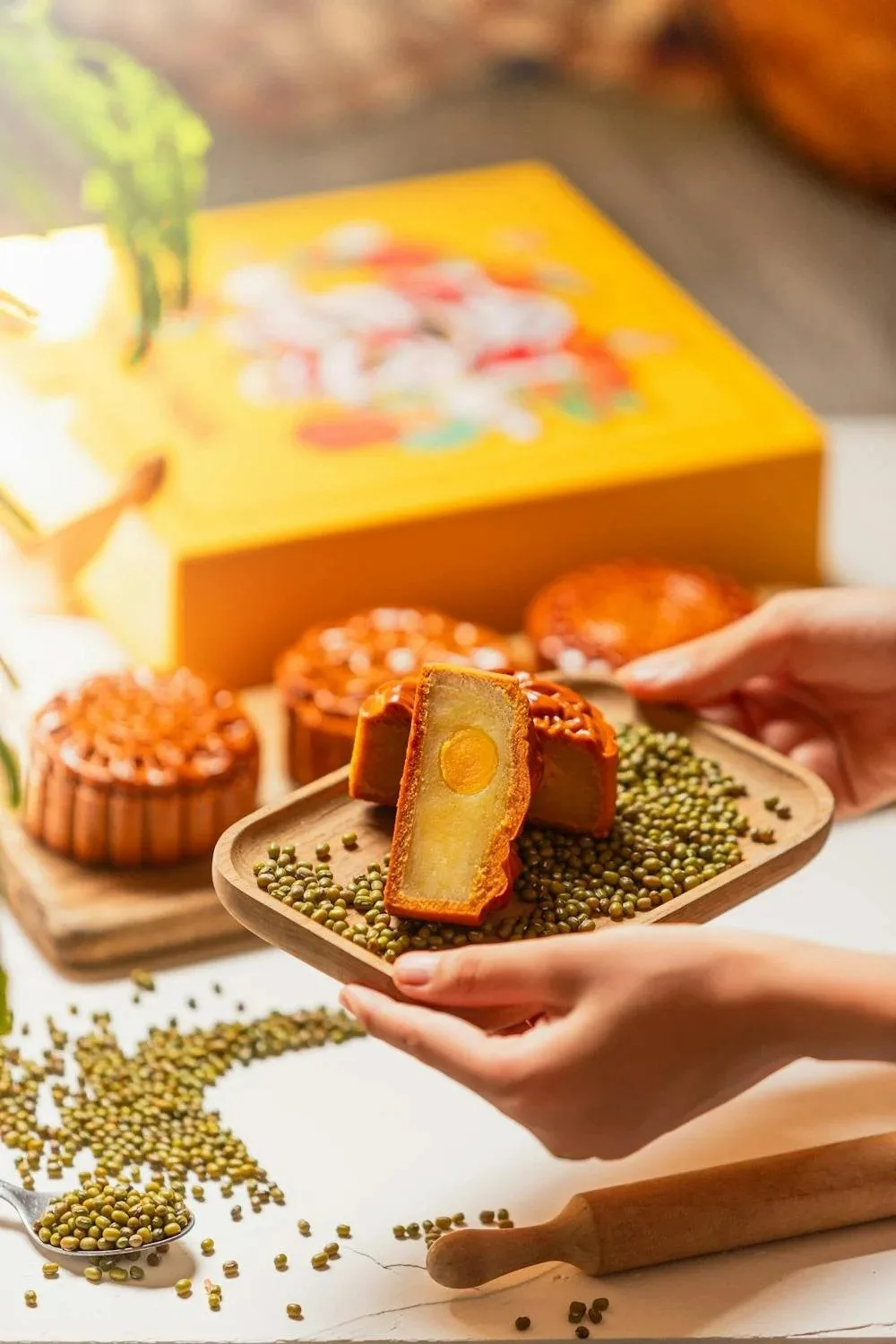
Chinese desserts frequently incorporate chewy or sticky textures, achieved through ingredients like glutinous rice and tapioca.
Examples include mochi and tangyuan, which offer a unique mouthfeel not commonly found in Western cuisine.
Western desserts, on the other hand, often emphasise creamy or crumbly textures.
Custards, mousses, and cheesecakes provide smooth, velvety experiences, while cookies and scones deliver a satisfying crunch.
These textures align with the Western preference for variety and experimentation in dessert design.
The contrast in textures underscores differing culinary priorities.
Chinese desserts focus on simplicity and tradition, while Western creations embrace innovation and diversity.
Preparation Methods: Steaming, Baking, And Beyond
Source: Pexels
Chinese desserts are often prepared using steaming or boiling techniques.
Steamed buns filled with sweet fillings, such as custard or red bean paste, exemplify this approach.
These methods preserve the integrity of ingredients and result in lighter, less greasy desserts.
Baking dominates Western dessert preparation, enabling the creation of cakes, pies, and tarts.
Baking the dessert in an oven allows for caramelisation and browning, which enhance flavour complexity.
Western desserts also frequently involve layering and assembly, as seen in multi-tiered cakes or intricate pastries.
The choice of preparation methods reflects broader cultural practices.
Chinese techniques emphasise health-consciousness and efficiency, while Western methods celebrate craftsmanship and presentation.
Cultural Context: Symbolism And Social Significance
Source: Pexels
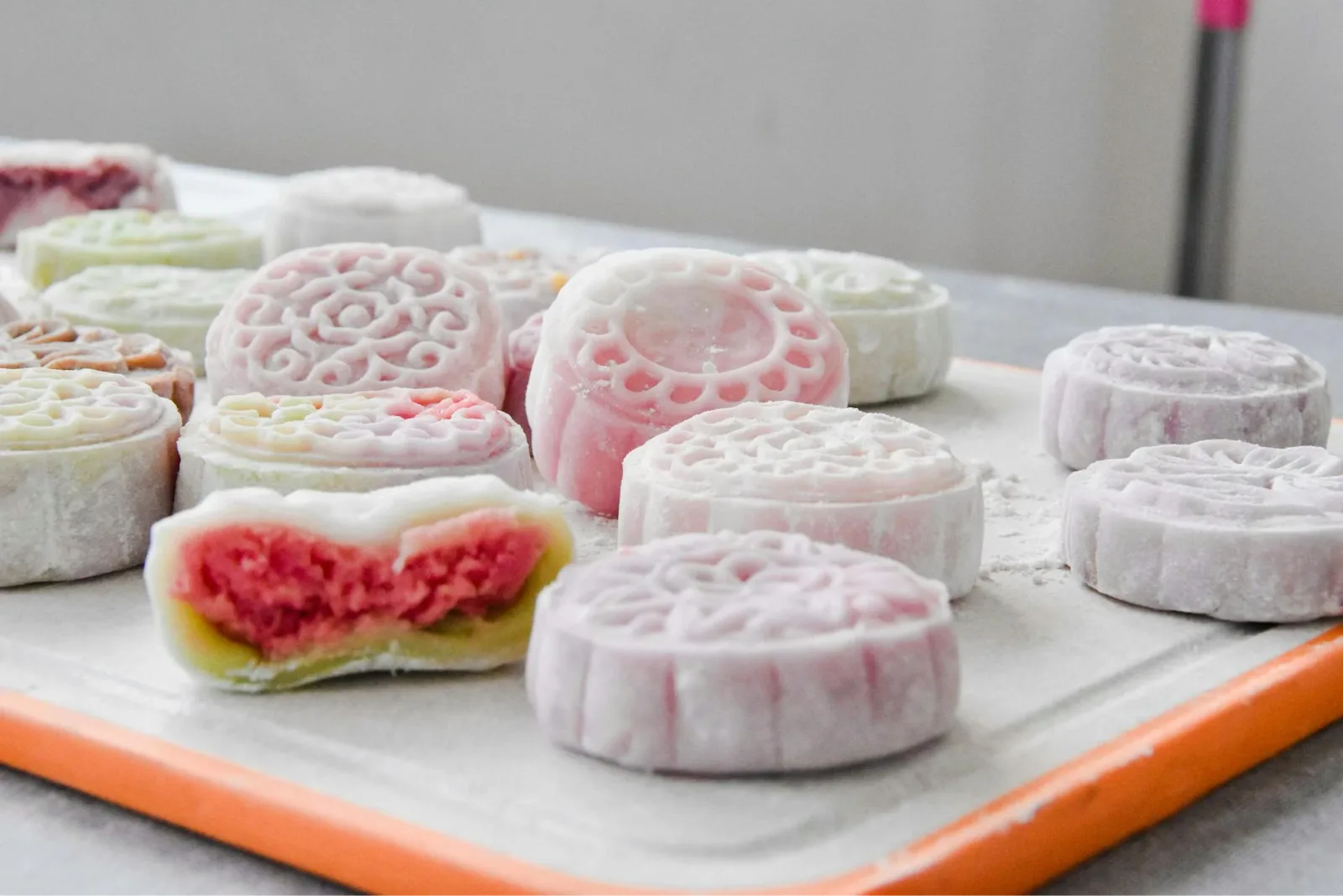
Desserts hold symbolic meaning in Chinese culture.
Many traditional sweets are associated with festivals and celebrations.
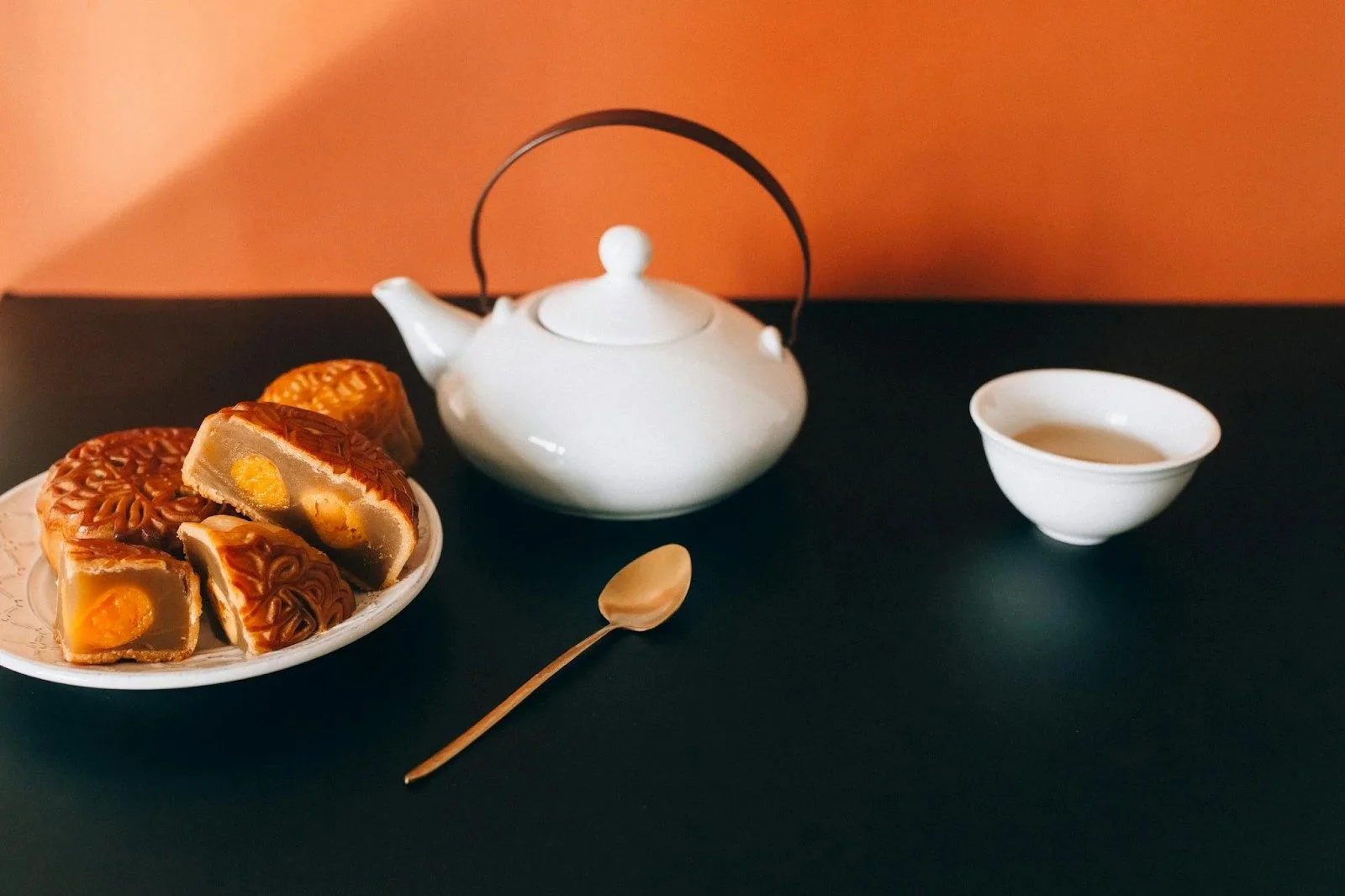
For instance, mooncakes are integral to the Mid-Autumn Festival, symbolising unity and family harmony.
Similarly, longevity noodles and sweet dumplings carry auspicious connotations during the Lunar New Year.
In Western cultures, desserts are often linked to personal milestones and social gatherings.
Birthday cakes, wedding cakes, and holiday treats serve as markers of joyous occasions.
The act of sharing desserts fosters connection and reinforces communal bonds.
These cultural contexts shape how desserts are perceived and consumed.
Chinese desserts emphasise symbolism and tradition, while Western sweets celebrate individuality and shared experiences.
Presentation Styles: Minimalism Vs Elaborate Designs
Source: Pexels
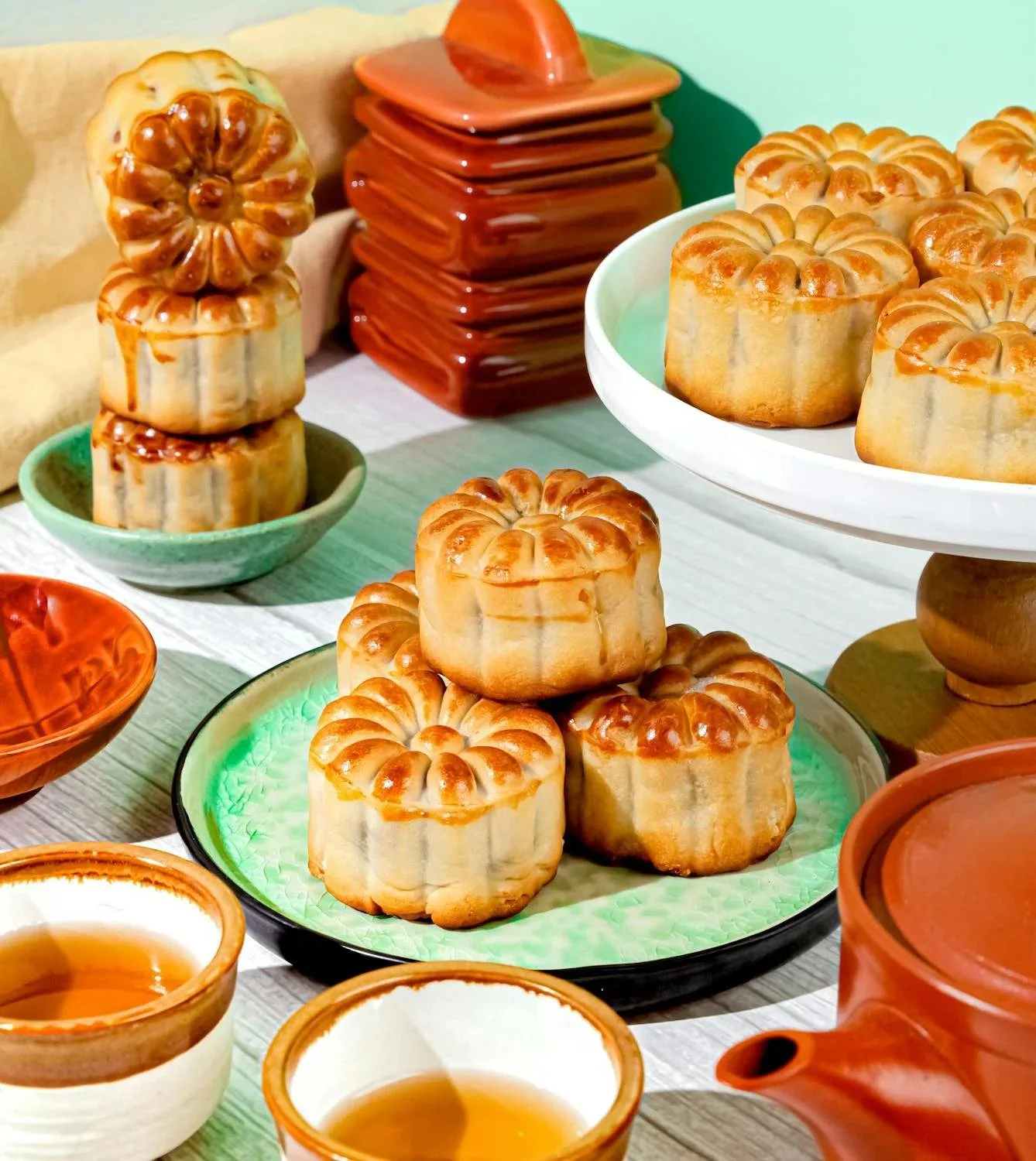
Chinese desserts typically feature a minimalist presentation.
Aesthetic appeal is achieved through simplicity and natural colours, as seen in translucent jelly desserts or delicate pastries.
This understated style reflects a cultural appreciation for subtlety and restraint.
Western desserts often prioritise elaborate designs and vibrant colours.
Decorative elements like fondant sculptures, piped frosting, and edible flowers transform desserts into visual masterpieces.
This approach caters to a culture that values creativity and spectacle.
The divergence in presentation styles mirrors broader artistic sensibilities.
Chinese desserts embody elegance, while Western creations embrace theatrical flair.
Exploring Traditional Chinese Desserts In Singapore
Source: Pexels
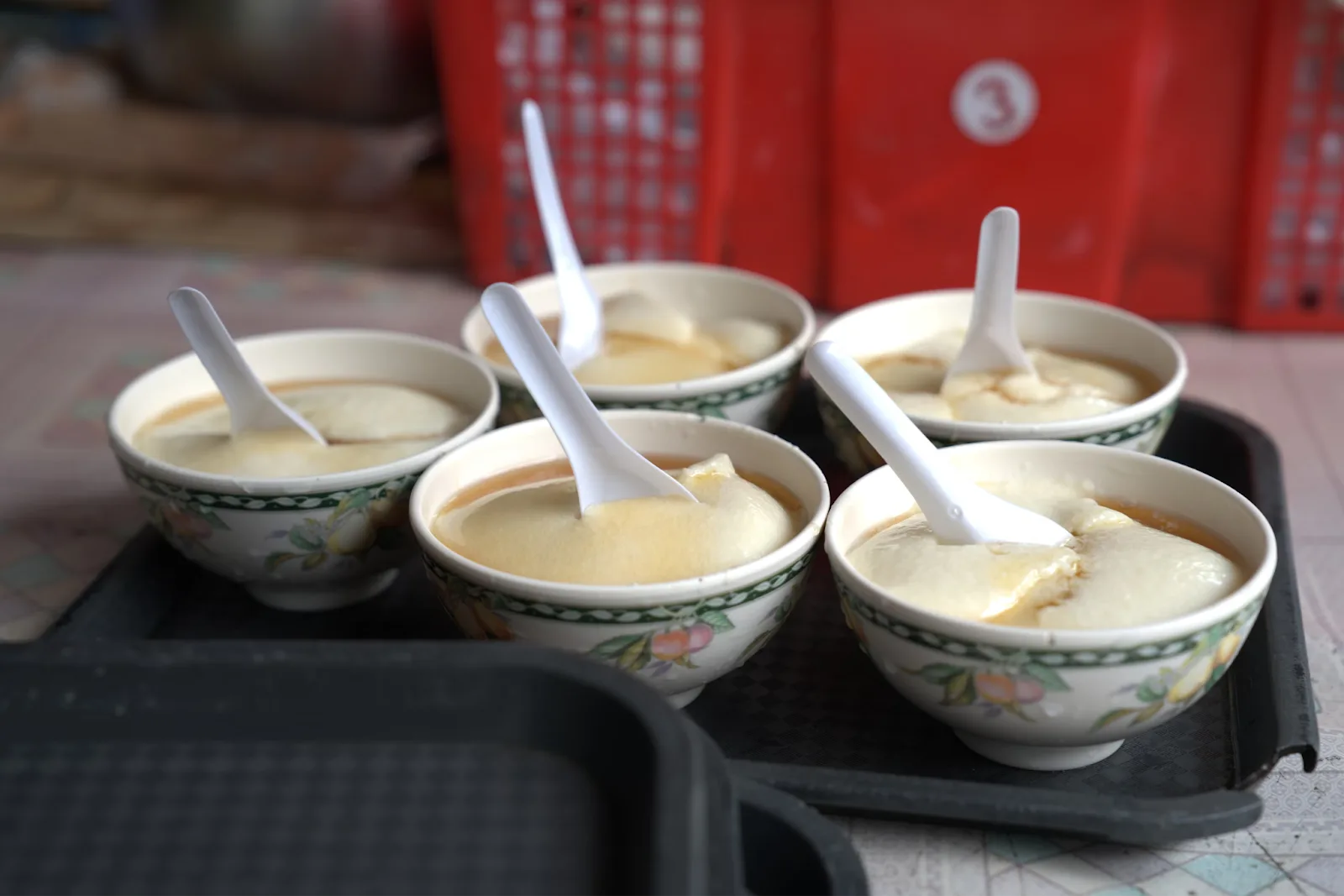
For dessert enthusiasts in Singapore, Sweetpot provides an excellent opportunity to delve into the world of traditional Chinese sweets.
Their menu features time-honoured favourites like sesame dumplings and red bean mochi, each crafted with attention to detail and authenticity.
Sweetpot’s offerings allow customers to experience the subtle flavours and unique textures that define Chinese desserts.
Beyond their classic selections, Sweetpot also introduces modern interpretations of traditional recipes, appealing to contemporary tastes while preserving cultural heritage.
Whether you’re new to Chinese desserts or looking to revisit familiar flavours, Sweetpot stands out as a destination that honours tradition while embracing innovation.
Related To Desserts:
9 No-Bake Dessert Recipes For Everyone
Effective Tips To Stop Eating Junk Food And Start Living Healthier