


In recent years, the global tourism industry has undergone a significant shift towards more sustainable and responsible practices.
This movement has given rise to two prominent trends: eco-tourism and regenerative tourism.
These new paradigms have departed from traditional tourism models focused solely on profit and exploitation of cultures and natural resources.
Instead, they emphasise fostering a deep connection between travellers and the environments they visit, promoting regeneration and sustainability.
Understanding Eco-Tourism And Its Role In Sustainability

Source: Pexels
Ecotourism, as defined by The International Ecotourism Society (TIES, 2015), is responsible travel to natural areas that conserves the environment, supports local communities, and promotes education for both visitors and staff.
It emphasises sustainability by minimising negative impacts, fostering cultural and environmental awareness, and ensuring beneficial experiences for both tourists and hosts.
The Key principles of Ecotourism include financial contributions to conservation efforts, economic benefits for local communities, low-impact infrastructure, and respect for Indigenous rights and traditions.
By integrating these principles, ecotourism aims to create a balanced approach that benefits nature, local people, and travellers alike.
How Regenerative Tourism Became A Leading Trend In Sustainability

Source: Pexels
Regenerative tourism is a progressive approach to travel that goes beyond sustainability by actively revitalising and improving destinations.
Unlike traditional sustainable tourism, which aims to minimise harm, regenerative tourism seeks to leave a place better than it was before.
This concept fosters a positive cycle of environmental restoration, economic growth, and cultural preservation. Examples include restoring degraded landscapes, conserving biodiversity, and supporting local communities through eco-conscious initiatives.
By shifting from mere sustainability to regeneration, this model enhances human and ecosystem health, offering transformative experiences for travellers while ensuring long-term benefits for destinations.
Eco-Tourism Vs. Restorative Tourism: Are They Same?
As sustainability becomes a growing trend, the terms eco-tourism and restorative tourism have become interchangeable for most. But are they the same?
Well, the short answer is no.
At its core, Eco-Tourism and Regenerative Tourism go beyond simply adding elements of nature or sustainable design.
These new paradigms place a strong emphasis on promoting regeneration and sustainability, representing a fundamental reimagining of the relationship between travellers, communities, and the environment.
According to The International Ecotourism Society (TIES), eco-tourism can be defined as “responsible travel to natural areas that conserve the environment, sustains the well-being of the local people, and involves interpretation and education.”
Regenerative tourism takes this concept a step further by actively restoring and revitalising ecosystems and communities affected by tourism.
Eco-tourism seeks to minimise negative impacts while maximising positive contributions to conservation efforts and community development.
This means promoting activities such as wildlife and biodiversity education and delivering memorable interpretative experiences that help raise sensitivity to a host community’s political, environmental, and social position.
However, regenerative tourism goes beyond mere sustainability to actively contribute to the regeneration of natural resources, cultural heritage, and local economies.
| Eco-Tourism | Restorative Tourism |
| Travelling responsibly and sustains local culture | Further enhances and restores the ecosystem and community |
| Minimising negative impacts and focusing on maximising contributions | Focuses on regenerating natural resources and cultural heritage etc. |
Eco-tourism and Restorative Tourism Are Vital In Ensuring The Sustainability Of The Tourism Industry
For tourism businesses, embracing eco-tourism and regenerative tourism represents both a challenge and an opportunity.
It requires rethinking traditional business models and practices to align with principles of sustainability and responsibility.
The United Nations World Tourism Organisation (UNWTO) has defined sustainable tourism as “tourism that takes full account of its current and future economic, social, and environmental impacts, addressing the needs of visitors, the industry, the environment, and host communities.”
Beyond this, Ecotourism Australia suggests that sustainability principles must refer to the sustainable management, environmental, economic, and socio-cultural aspects of tourism development.
Restorative Tourism Goes Beyond Minimising Negative Aspects Of Tourism
Source: Pexels
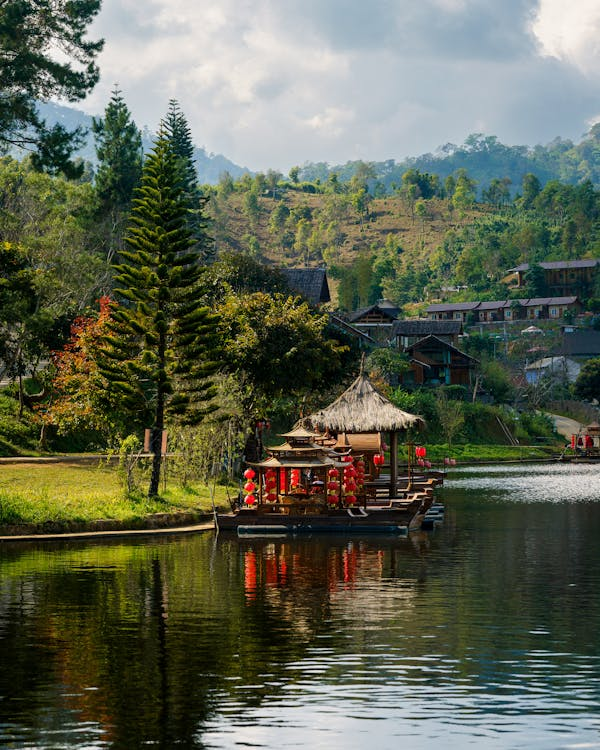
To start with, restorative tourism will involve environmental stewardship, not only minimising negative impacts on the environment but actively contributing to its restoration and enhancement.
For example, businesses may implement measures to reduce their carbon footprint, conserve water and energy, and minimise waste generation.
Additionally, they may participate in conservation efforts and support biodiversity initiatives in the regions they operate.
However, much more than this, eco-tourism and regenerative tourism must include a social dimension of sustainability, collaborating with local communities to ensure their participation and benefit from tourism activities.
Tourism businesses must strive to empower and uplift local communities, respecting their cultures, traditions, and rights. This might involve partnering with indigenous groups, supporting local artisans, or investing in community infrastructure and education.
It will also mean carefully selecting contributors who are committed to similar environmental and social values, fostering partnerships with local businesses and suppliers, and ensuring that tourism benefits are equitably distributed.
Eco-tourism And Restorative Tourism Is Changing The Way People Travel Today
Embracing eco-tourism and regenerative tourism represents a transformative shift in the way we think about and engage with travel.
They offer a holistic approach that seeks to balance the needs of tourists, communities, and the environment, ensuring that tourism can be a force for good in the world.
For businesses in the tourism sector, embracing these new paradigms is not only a moral imperative but also a strategic opportunity to thrive in a rapidly changing industry.
As we move forward, tourism businesses need to embrace the principles of eco-tourism and regenerative tourism wholeheartedly, actively advocating for policies that support responsible tourism at a global level.
Related To Tourism:
Why Increasing Tourist Taxes Might Not Solve Japan’s Overtourism – Guidesify
Travelling to Johor Bahru? Here’s a Travel Guide to skip the jam into JB! – Guidesify