
As Christmas rolls around, what are you planning to do? 🎄
Likely you are buying presents and decorating Christmas trees, exactly like what you did the year before.
Humans tend to repeat the past, and slowly they become known as traditions.
Traditions give us a way to remember our history and the things that brought us to where we are today.
Despite that, many have also blamed traditions as the enemy of humanity’s progress.
So what exactly is tradition, and why is it integral in shaping our identities, values, and cultures? 🤔
What Constitutes Tradition?
Source: Pexels
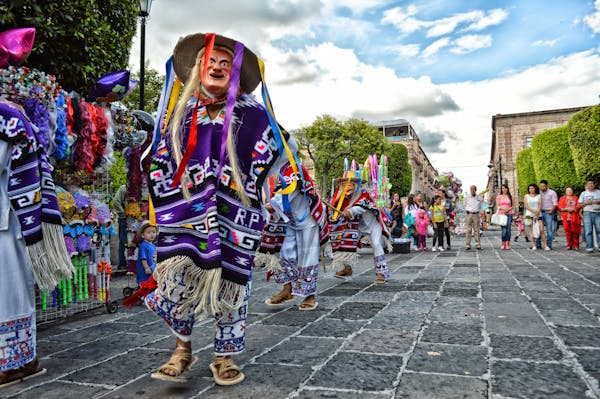
Tradition serves as a mediator to remember and celebrate the past while shaping our way of life. 🪇
It could also be a set of rules passed down by our ancestors, enabling us to better understand our purpose.
For thousands of years, traditions can endure and change—the word tradition itself comes from the Latin tradere, which literally means to pass on, to provide, or to offer for safekeeping!
The Integral Role of Tradition in Impacting the Arts
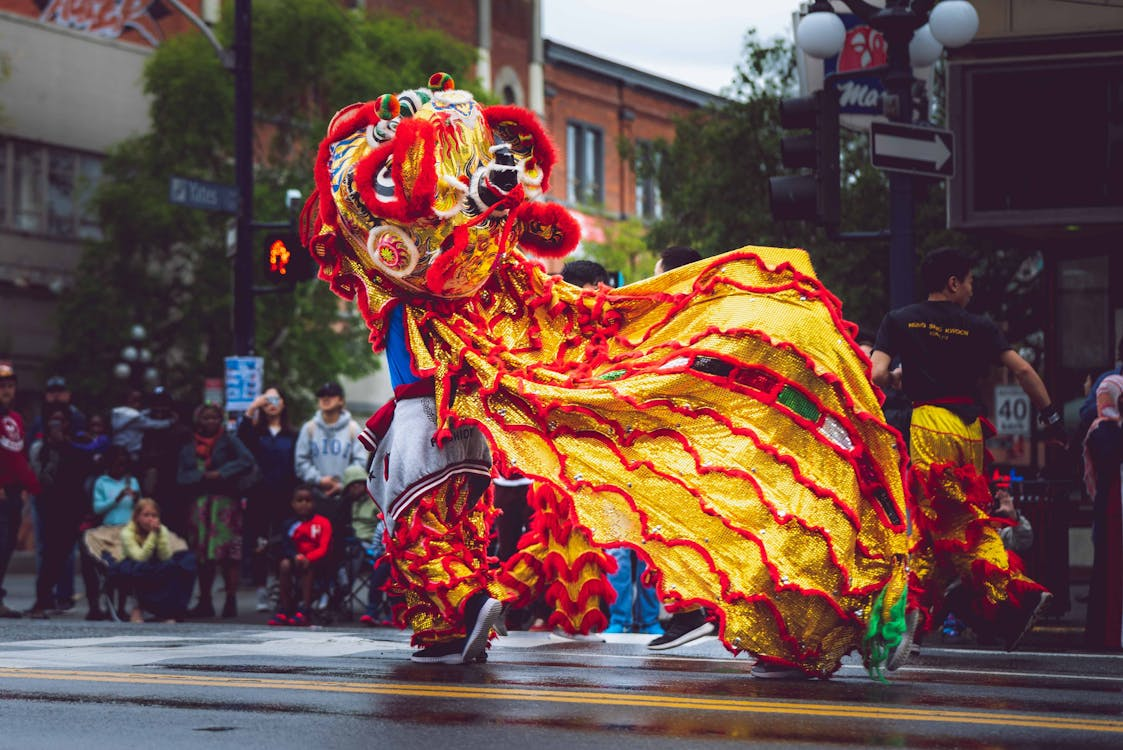
On the other hand, writers and artists can draw inspiration from tradition as well.
By drawing from the rich cultural legacy of our history, artists can create works that are both important and current, greatly influencing the development of the arts.
Source: Pexels
Tradition Preserves Cultural Heritage
Traditions enable us to embrace diversity and inclusiveness while preserving our distinct cultural identities in a time of globalisation and cross-cultural interaction.
Cultural festivals and rituals, for example, frequently represent a culture’s narratives and symbols, strengthening a sense of community and shared identity.
The Role of Tradition in Maintaining Social Stability
Tradition provides comfort and security, providing a shared, secure base for individuals and communities to develop.
Such stability can be particularly significant in these recent times of political instability because it promotes peace and unity.
Moreover, traditions such as dance and music allow individuals of various backgrounds to socialize with one another! 💃
Tradition Facilitates Cultural Exchange

Source: Pexels
Traditions from various cultures interact and impact one another, forming a unique hybrid tradition.
When individuals from many diverse backgrounds come together, customs can converge and change, resulting in new cultures and traditions.
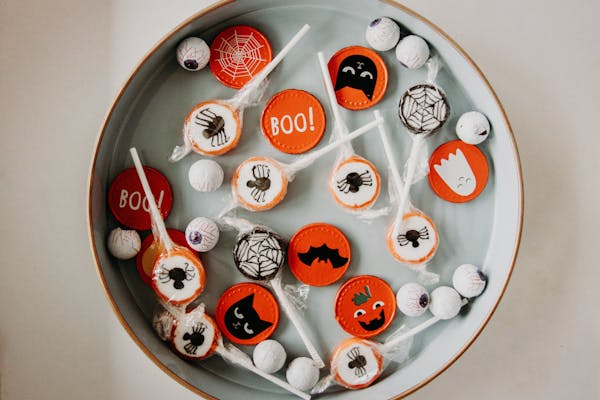
For instance, cultural holidays like Deepavali and Halloween have changed over time by merging aspects of other customs and cultures. 🎃
Modern Evolution of Tradition
Source: Pexels
Traditions are dynamic and change to reflect shifting social mores and advances in technology
This development guarantees that customs continue to have significance and relevance in modern settings.
Several cultural festivals, for example, have changed to include contemporary themes and messages to make them more approachable and interesting for younger generations.
Tradition Vs Culture
Are culture and tradition interchangeable? Both terms have distinct meanings and are frequently used interchangeably, leading to misunderstandings. ☯️
| Tradition | Culture |
| One aspect of culture that has been transmitted down generations. | shared values, social relationships, and beliefs within a community. |
| Traditions aid individuals in comprehending their position within society. | Culture is the vacuum that gives our life form and vibrancy. |
Conflicts Between Progress and Tradition
Source: Pexels
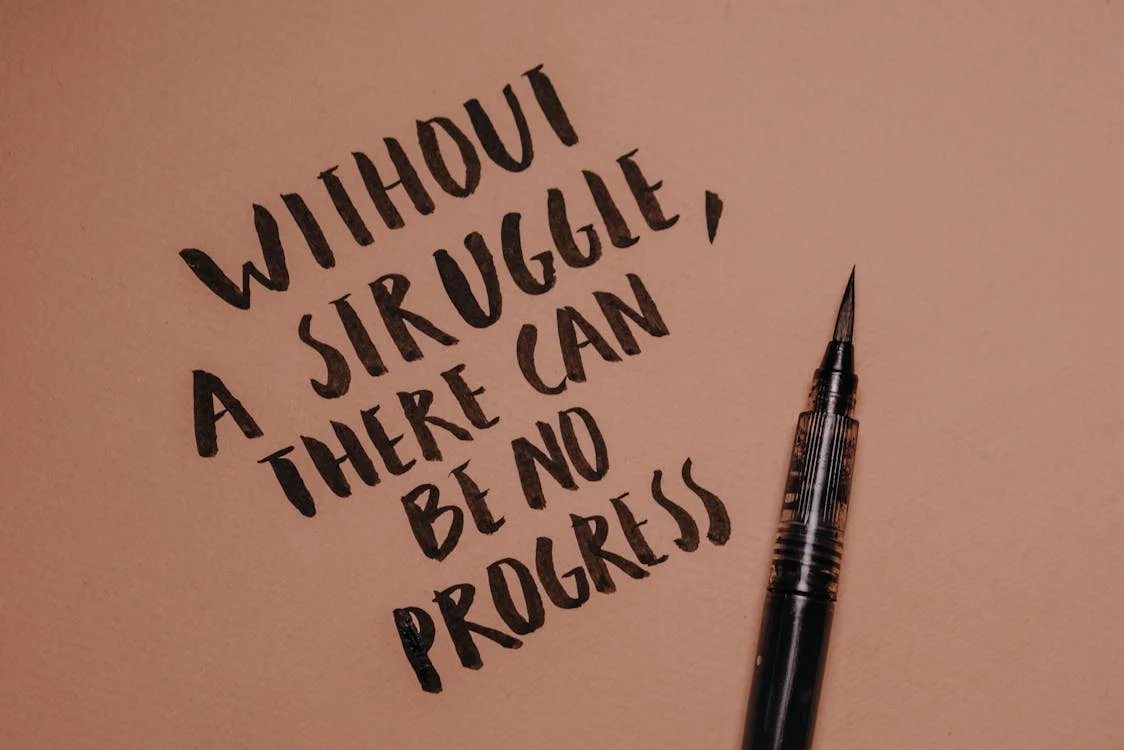
Tradition can be viewed as a drive that builds upon one’s personal identity and ties us to our community and cultural roots.
However, tradition can also restrict our creativity, hindering societal advancements.
Following social norms runs the risk of stifling innovation and growth in favour of stability.
Conversely, nonconformity fosters our creativity and makes it possible to investigate novel ideas and innovations. 💡
Resolving Tension Between Tradition and Nonconformity
Our relationship with tradition changes as we get older and more experienced.
We start to wonder about everything, look for deeper solutions, and discover the meaning of our existence.
Being nonconformist is being open to challenging, questioning, and improving tradition rather than rejecting it outright.
In addition, the nonconformist mindset inspires us to live according to our ideals and beliefs and to embrace our spirituality.
Educating Tradition to New Generations

Source: Pexels
Additionally, education is essential in forming our perspective on the world and how we relate to tradition. 🧑🏫
Although education can give us a strong sense of community, it can also discourage originality and promote conformity.
The actual goal of education ought to be to enable people to question presumptions, think critically, and cultivate their special abilities.
How Can Tradition Become Contemporary?
Source: Pexels
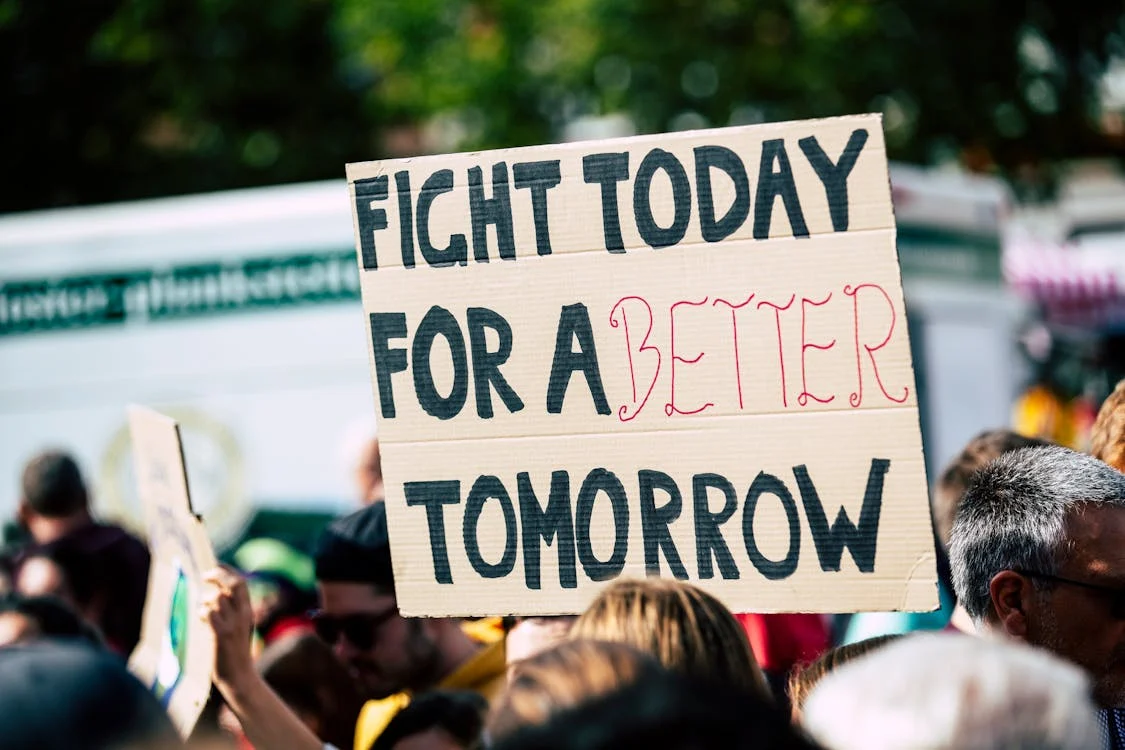
Ultimately, the impact of tradition on societal progress is dependent upon the nature of the tradition and its relevance to contemporary society.
Helping people understand what a group is is a crucial first step to feeling like they belong to it because we are social creatures.
Bonding between individuals enjoying traditional practices is the most significant benefit that both adults and children can derive from adhering to customs.
Only by constantly adapting our perception of our traditions can we move forward and embrace the past.
As a society, there is a growing need to advance and positively impact the world but we must not forget to preserve the core values of tradition.💪
Related to Tradition:
http://guidesify.com/where-to-find-traditional-indian-wear-for-weddings-in-singapore/
http://guidesify.com/traditional-advertising-vs-digital-advertising-fools-following-fools/