
Craving something sweet that tells a story?
Chinese desserts aren’t just treats.
They’re tiny, edible ambassadors of culture, history, and symbolism, all wrapped up in gooey, chewy, or creamy goodness.
Whether it’s glutinous rice balls whispering secrets of family unity or mooncakes plotting their annual comeback during the Mid-Autumn Festival, these desserts pack more meaning than your average brownie (no offense, chocolate).
In this article, we’ll take you on a whirlwind tour through the sugary highs and herbally refreshing lows of Chinese dessert culture.
From traditional recipes older than your grandma’s favourite wok to modern twists that might just blow your bubble tea-loving mind, consider this your golden ticket to understanding why Chinese desserts are the unsung heroes of culinary tradition.
Where To Find Authentic Chinese Desserts In Singapore
Singapore’s multicultural food scene offers a wealth of opportunities to explore Chinese desserts.
Local dessert shops and stalls cater to diverse tastes, providing both traditional and innovative options.
Ingredients like coconut milk, pandan leaves, and red bean paste are commonly featured, blending seamlessly with Southeast Asian flavours.
For those seeking an authentic experience, Sweetpot stands out as a destination for high-quality Chinese desserts.
Their menu includes handmade treats crafted with care, using quality ingredients to deliver a true taste of tradition.
Whether you’re craving the comforting warmth of red bean soup or the refreshing coolness of grass jelly, Sweetpot offers something for everyone.
Chinese desserts are a testament to the richness of culinary heritage and the adaptability of tradition.
From their symbolic meanings to their regional diversity and modern innovations, these treats continue to captivate people around the world.
Enjoyed during festivals or as everyday indulgences, Chinese desserts remain a cherished part of life for many, blending tradition, flavour, and cultural significance into every bite.
The Cultural Significance Of Chinese Desserts: Symbolism And Tradition
Chinese desserts are more than just sweet treats; they often carry deep symbolic meanings tied to prosperity, unity, and good fortune.
Many are associated with festivals and rituals, making them an integral part of cultural celebrations.
Tangyuan: The Symbolic Dessert Of Family Togetherness During The Lantern Festival
Source: Unsplash
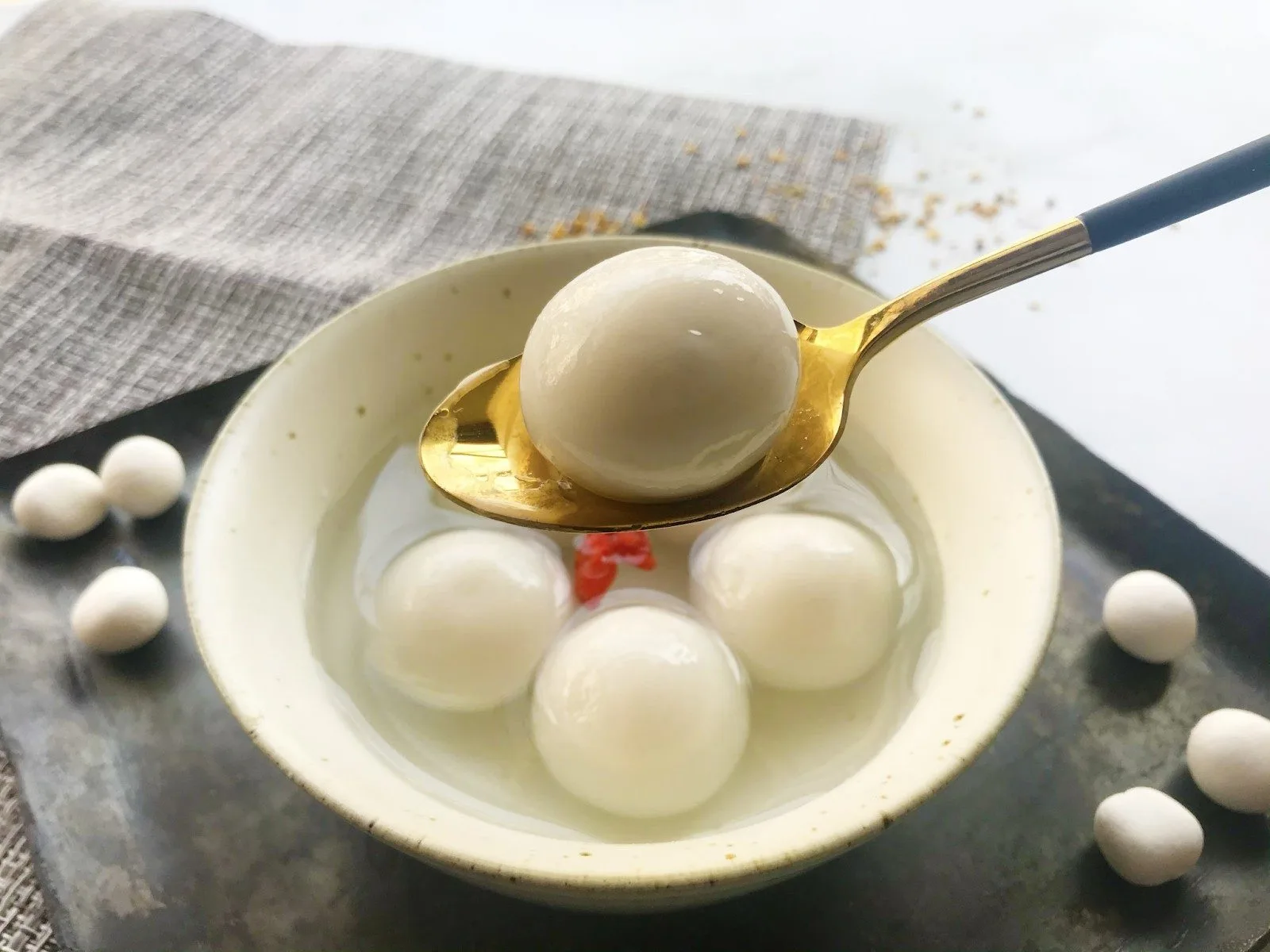
Tangyuan is a bowl of small glutinous rice balls, often filled with sweet sesame or red bean paste, symbolising family togetherness and traditionally eaten during the Lantern Festival.
Their round shape represents completeness and harmony.
Nian Gao: The Sticky Rice Cake That Brings Good Fortune During Chinese New Year
A sticky rice cake consumed during Chinese New Year, nian gao signifies growth and progress.
Its name translates to “year cake,” but it also carries the homophonic meaning of “higher year,” symbolising aspirations for improvement and success.
Mooncakes: Traditional Chinese Pastries Perfect For Mid-Autumn Festival Celebrations
Source: Pexels
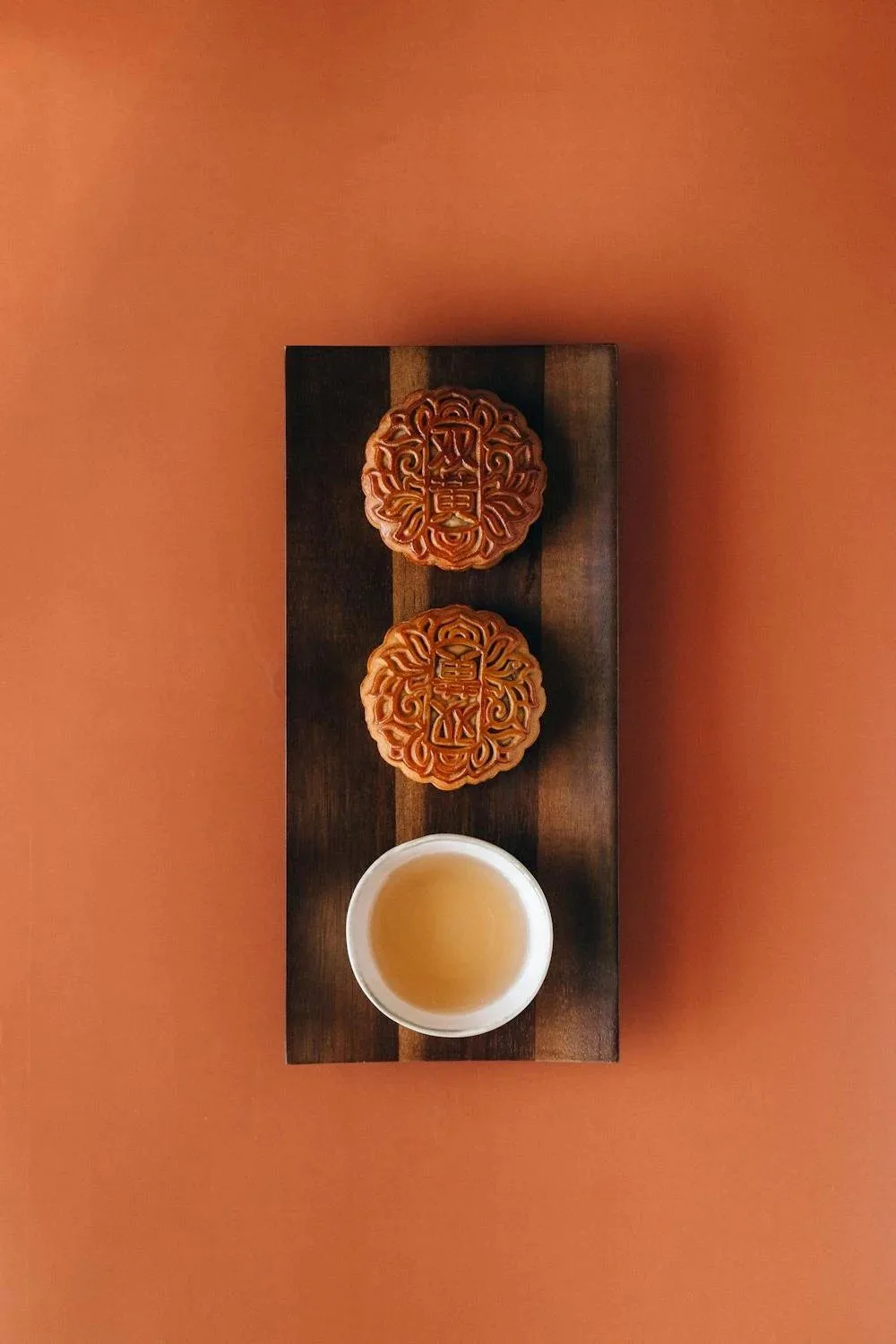
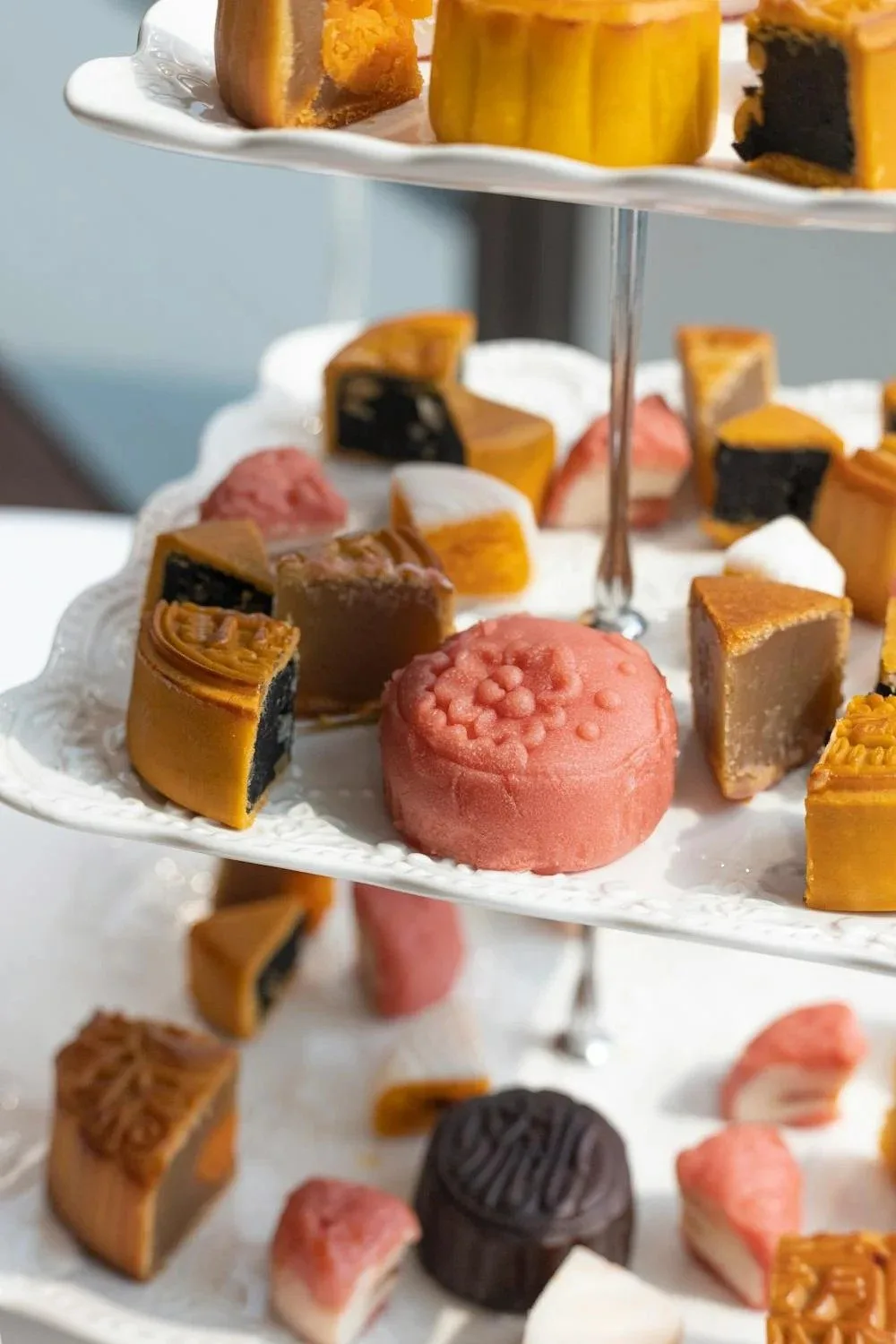
Rich pastries filled with lotus seed paste or red bean, mooncakes are synonymous with the Mid-Autumn Festival.
Often containing a salted egg yolk to represent the full moon, these desserts are shared among family and friends to celebrate unity and gratitude.
These desserts are not merely enjoyed for their taste but also for the values and traditions they embody.
They serve as a reminder of cultural heritage and the importance of community.
Exploring Regional Diversity In Chinese Desserts: From Southern To Northern Flavours
Source: Pexels
China’s vast geography has given rise to a wide variety of desserts, each reflecting the unique flavours and ingredients of its region.
Southern and northern China, in particular, showcase distinct preferences:
Southern China Desserts: Refreshing And Cooling Treats For Hot Climates
Source: Pexels
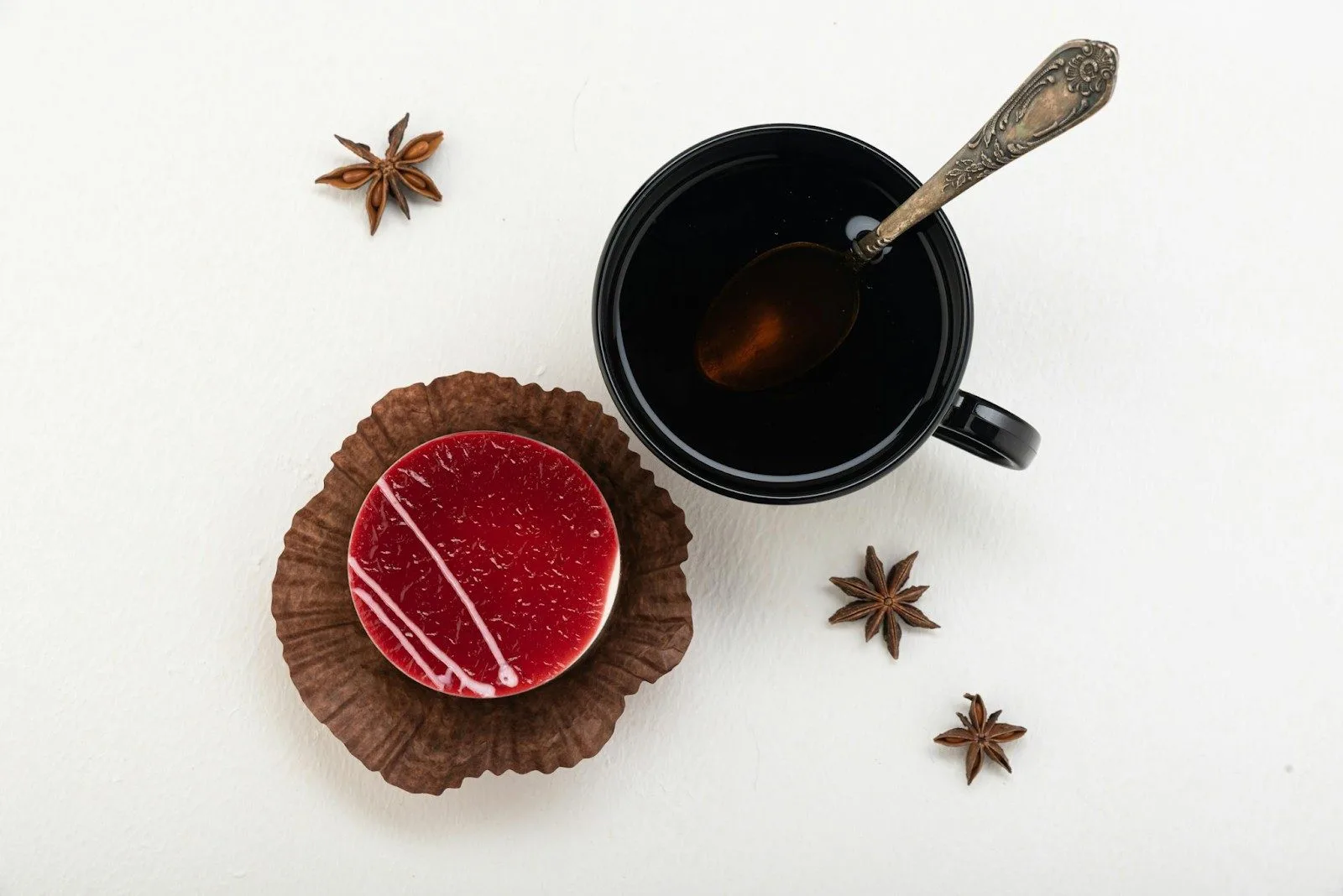
Known for their humid climate, southern regions favour refreshing and cooling desserts.
Herbal jellies like grass jelly and aiyu jelly are popular choices, often served cold to provide relief from the heat.
Coconut milk and pandan leaves are frequently used to add subtle sweetness and aroma.
Northern China Desserts: Crispy Wheat-Based Snacks Perfect For Tea Time
Source: Pexels
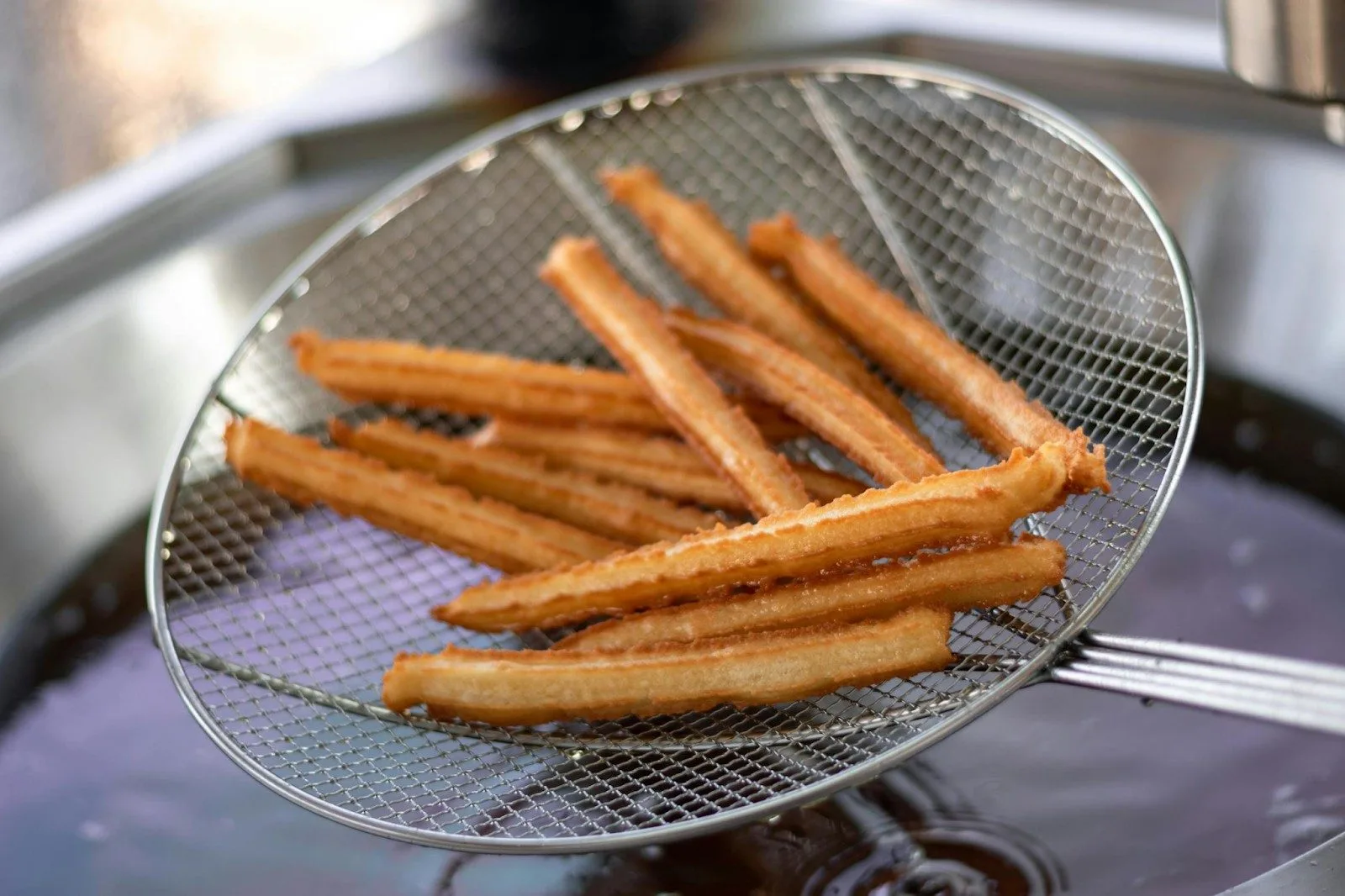
In contrast, northern regions lean toward wheat-based sweets.
Fried dough twists, known as mahua, are a common snack, offering a crispy texture and satisfying crunch.
Commonly enjoyed with tea, these crispy treats are a staple of casual gatherings.
Ingredients such as red bean paste, lotus seeds, and sesame are staples across regions, providing a comforting familiarity while allowing for creative variations.
This regional diversity highlights the adaptability of Chinese desserts to local climates and tastes.
Health Benefits Of Chinese Desserts: Combining Taste With Wellness
Many Chinese desserts incorporate elements of traditional medicine, blending indulgence with perceived health benefits.
Ingredients like goji berries, dried longan, and snow fungus are commonly used in herbal soups and jellies.
These desserts are believed to nourish the body and promote well-being, appealing to those who seek both flavour and functionality.
Double-Boiled Dessert Soups: A Nourishing Treat Rooted In Tradition
By combining ingredients like red dates, lotus seeds, and dried longans, double-boiled dessert soups provide a soothing and nourishing treat for everyone.
The slow cooking process enhances the natural sweetness of the ingredients, eliminating the need for added sugar.
Herbal Jellies In Chinese Cuisine: Refreshing And Cooling Desserts For Every Season
Using ingredients like mesona (a type of mint) or aloe vera, these jellies offer a refreshing and cooling effect.
They are particularly popular during warmer months and are often enjoyed as a light dessert or snack.
This focus on health-conscious desserts reflects the integration of traditional practices into modern culinary trends, making Chinese desserts appealing to a wide audience.
Modern Innovations In Chinese Desserts: Fusion Treats For The New Generation
Source: Pexels
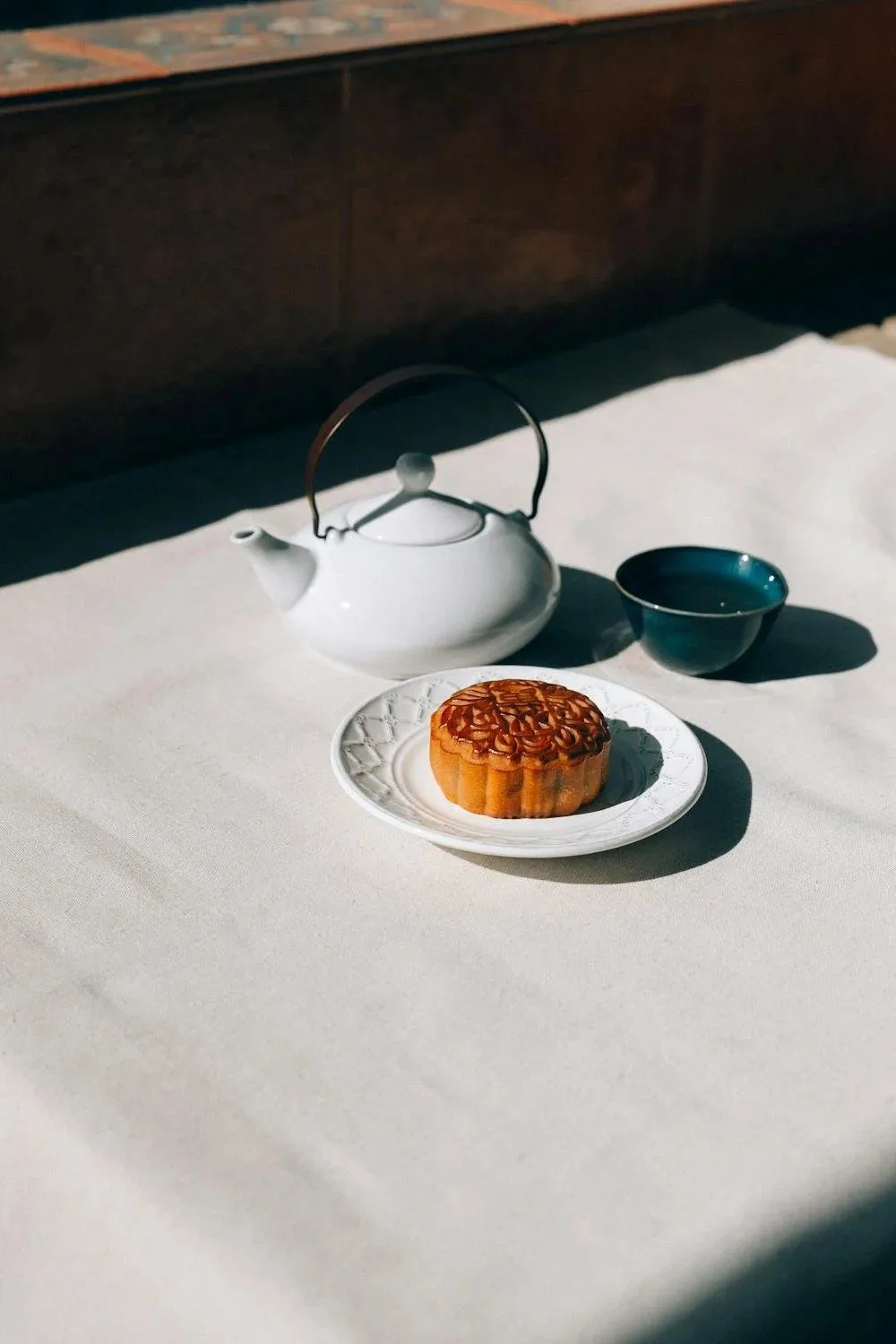
While traditional recipes remain beloved, modern interpretations of Chinese desserts have gained popularity, especially in urban areas like Singapore.
Bakeries and dessert shops have begun experimenting with new flavours and presentations, attracting younger generations while preserving the essence of classic treats.
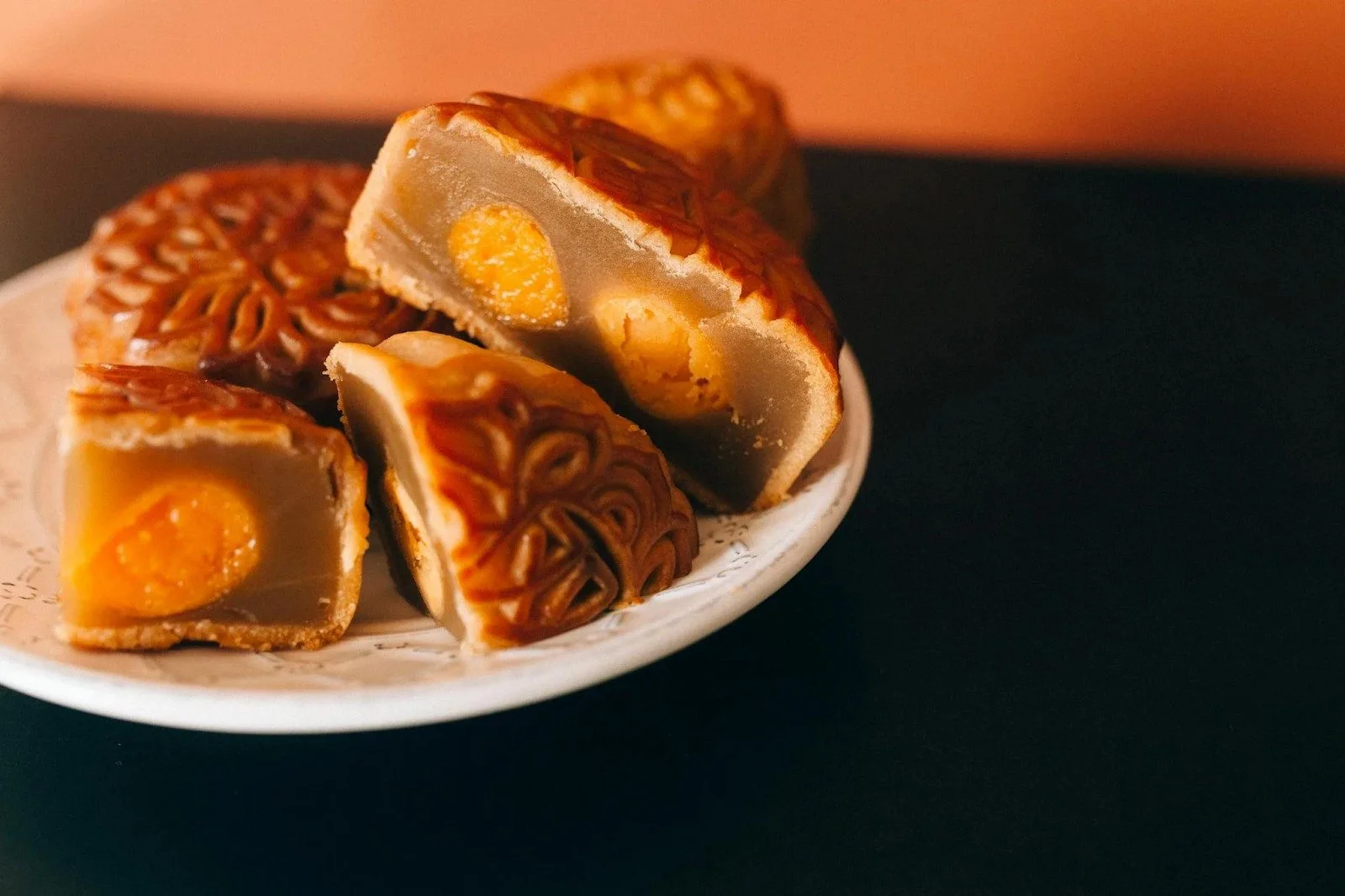
Innovative Mooncakes: Creative Varieties For The Modern Palate
Source: Pexels
Once limited to traditional fillings like lotus seed paste, mooncakes now come in creative varieties such as durian, matcha, and even ice cream-filled options.
These adaptations appeal to adventurous palates while maintaining the symbolic significance of the dessert.
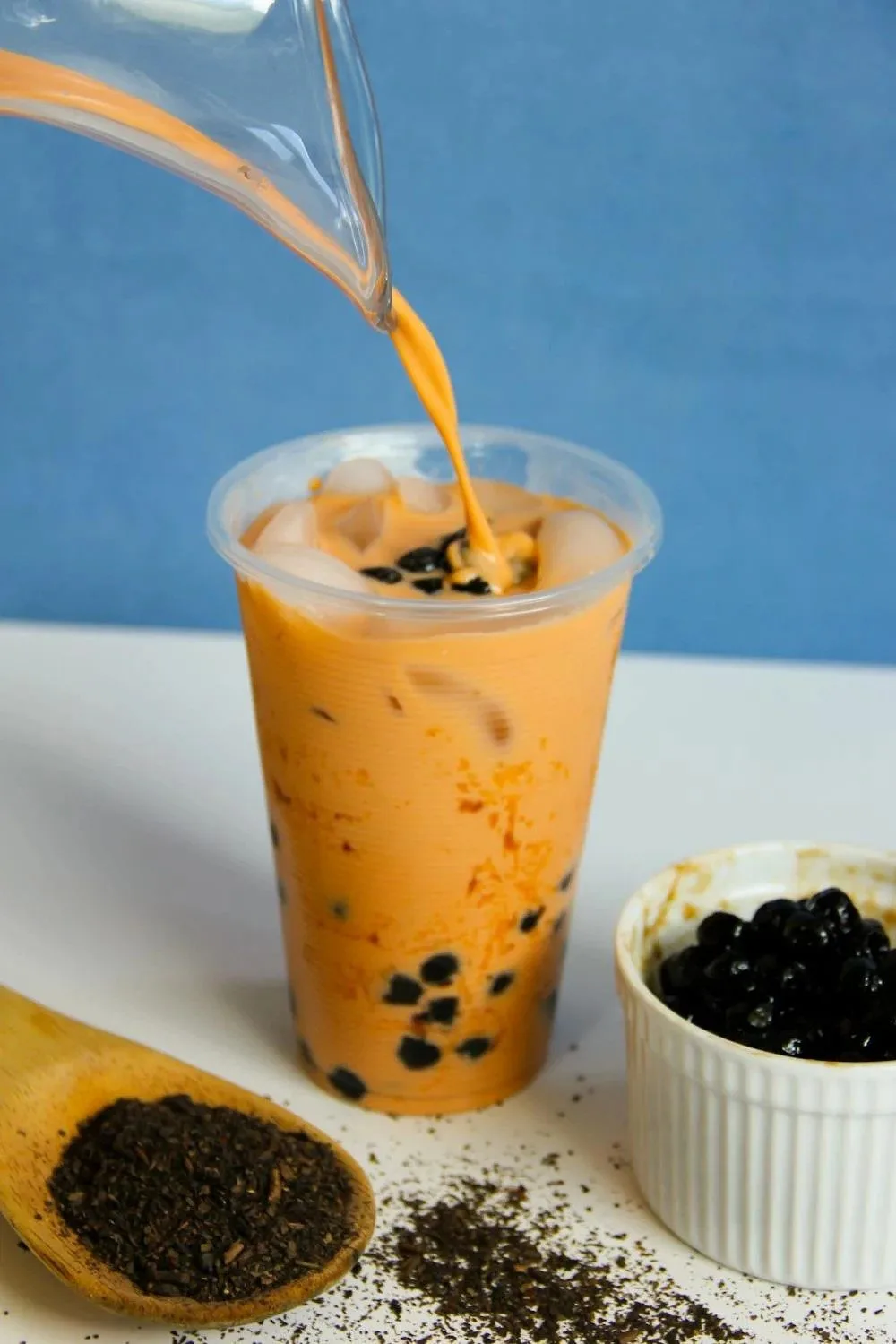
Bubble Tea-Inspired Chinese Desserts: Fusion Trends You Need To Try
Source: Pexels
The global popularity of bubble tea has influenced dessert menus, with tapioca pearls and grass jelly finding their way into cakes, puddings, and shaved ice desserts.
Thanks to the versatility of traditional ingredients, there has been a significant number of new fusion dessert treats that are influenced by the international bubble tea craze.
By combining time-honoured techniques with contemporary flair, modern Chinese desserts continue to evolve, ensuring their relevance in today’s fast-paced world.
For dessert enthusiasts looking to experience both the traditional and the innovative, Sweetpot stands out as a must-visit destination.
Their menu thoughtfully balances classic recipes with modern twists, making it the perfect spot to indulge in the best of both worlds.
Related To Chinese Desserts: