
It’s wild to think that COVID-19 hit the world years ago, yet it still feels like it was just yesterday.
Somehow, 2020 doesn’t seem that far away, even though so much has changed since then.
One moment, we were hoarding toilet paper, next, it’s somehow 2025.
If you’ve ever wondered, “Wait, wasn’t that just last year?” You’re not alone.
So why does it still feel like COVID was just yesterday?
Let’s dive into the psychological and real-world reasons behind this bizarre time warp.
COVID-19 Messed With Our Sense Of Time
@meili_zzz also this month has felt like it’d never end so thank god it’s almost over #2020 #pov #relatable #throwback #relatablevideos #covid #memories ♬ original sound – MEILI ZHANG
People everywhere, from social media to everyday conversations, have been saying the same thing: time doesn’t feel the same anymore. And science backs this up.
Cindy Lustig, a psychology professor at the University of Michigan, explains that how we remember events can stretch or compress time in strange ways.
It’s something called telescoping, where certain memories feel way closer than they actually are, while others seem like they happened ages ago. Here’s what it means.
The early days of the pandemic were a huge, shocking change, creating what psychologists call event boundaries in our brains.
When something big or unexpected happens, our minds automatically separate that event from everything else, making it feel like it happened much longer ago than it really did.
At the same time, much of the pandemic itself (lockdowns, working from home, endless Zoom calls) became repetitive and blurred together, making it harder to distinguish one day from the next.
Before, life had built-in markers like morning commutes, office chats, and the transition back home at the end of the day.
These natural cues helped to signal the passage of time.
With many of these routines disrupted or removed, time now feels unstructured, making the past few years seem both distant and strangely compressed.
How Social Media Distorted Our Sense Of Time
Source: Pexels
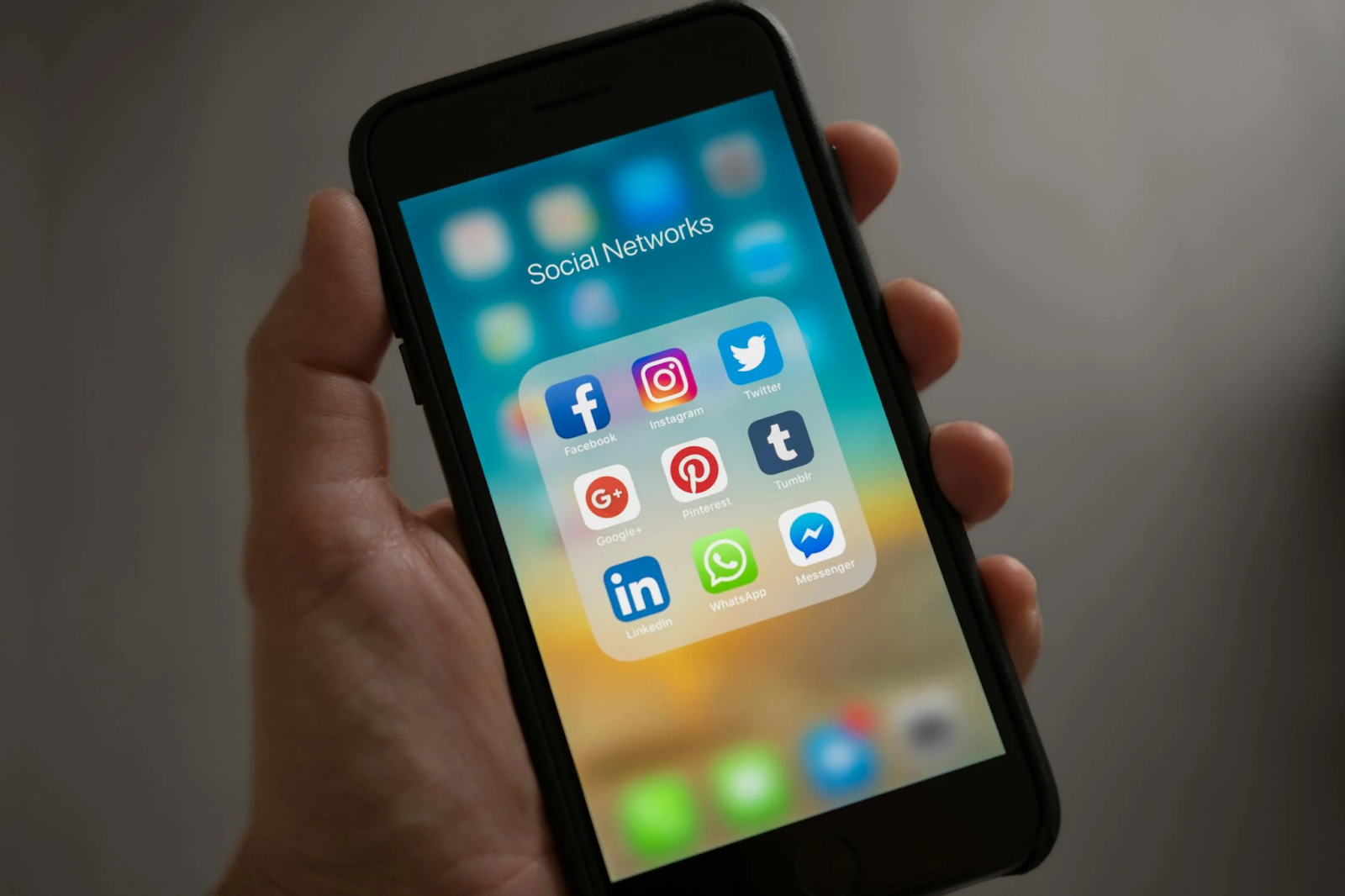
Even now, pandemic-era jokes, throwback posts, and discussions about COVID-19 regularly resurface, making those days feel much closer than they actually are.
Algorithms thrive on engagement, and because the pandemic was a shared global experience, content from that time keeps getting recycled.
Each time we see a lockdown meme or a post about “remember when we couldn’t leave our homes?” Our brains are tricked into feeling like it wasn’t that long ago.
But here’s the kicker.
While social media keeps the past alive, it also speeds up everything that happens after.
Trends move at lightning speed, cultural shifts happen in the blink of an eye, and major world events pile on top of each other so fast that it’s hard to process how much time has actually passed.
In this digital whirlwind, post-pandemic life has felt like a blur, making it even harder to mentally separate ourselves from the COVID era.
How Pandemic Stress Changed The Way We Experienced Time
Source: Pexels
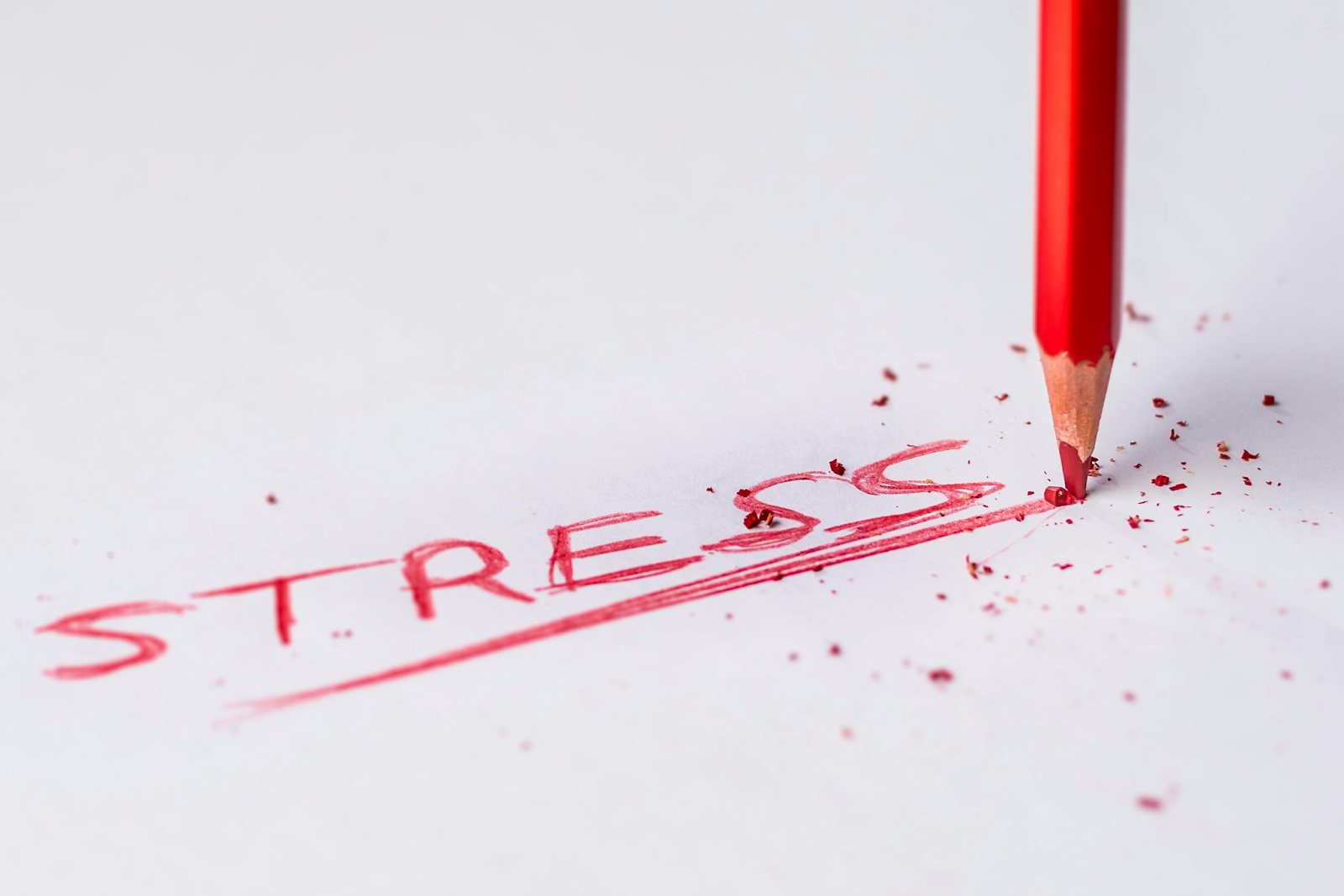
Our mental state can profoundly influence how we perceive time, which became especially clear during the early days of the pandemic.
The uncertainty, fear, and isolation brought on by the pandemic activated our body’s stress response system.
With constant health concerns, rapidly changing news, and the emotional weight of living through a global crisis, many found themselves trapped in a cycle of heightened alertness.
As a result, people found themselves hyper-aware of the present moment, but unable to process it fluidly.
This fixation on the now, combined with the lack of external events and markers of time, created a sense that each day was dragging on.
But when looking back at the pandemic, many felt that time had moved incredibly fast. This is because, while the present felt long, the brain struggled to organise and reflect on the full picture of events.
COVID-19’s Lasting Impact
Source: Pexels
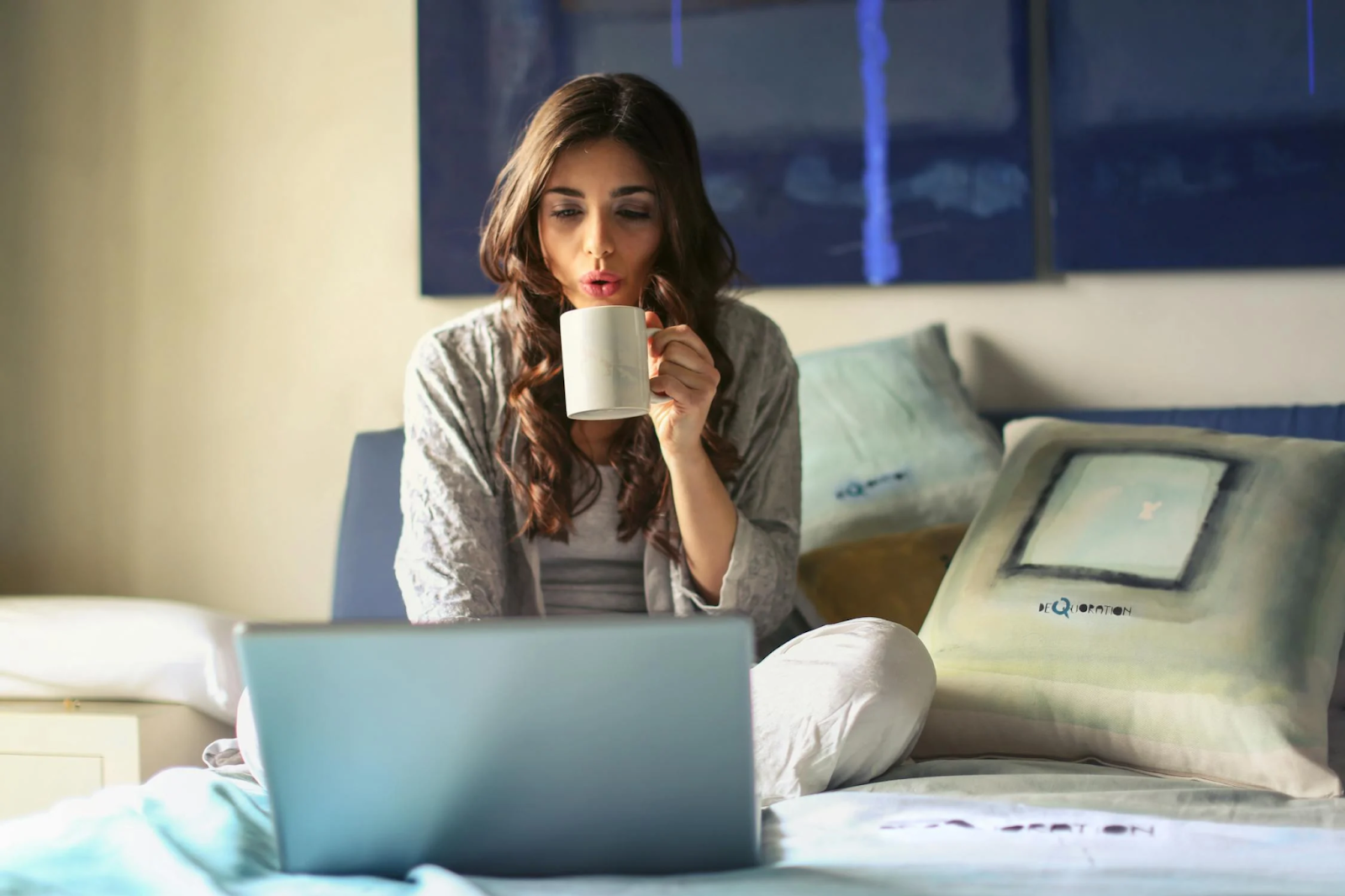
Living in the In-Between World of Remote Work and New Routines
Our routines never fully snapped back to what they were before, despite the world’s reopening.
Many people are still working remotely.
In fact, remote work in Singapore has settled at around 20%, slightly surpassing pre-pandemic levels.
When you add in the flexibility and convenience of remote work, it creates a sense of continuity from the pandemic era.
While we have adjusted to new routines, many of those adjustments still feel fresh, as if they just happened.
The lack of major transitions back to office culture, combined with the fact that so many people are still working from home, makes the line between pre-pandemic life and today somewhat blurry.
It’s like we are living in this ongoing in-between phase, where the past and present seem to overlap.
The Psychology Behind Our Post-Pandemic Experience
This ongoing adaptation, whether it’s continuing remote work, social distancing, or changing travel habits, reinforces the feeling that we haven’t fully moved on from the pandemic.
Our new normal, though different, is still shaped by the world we were living in just a short time ago.
It’s almost as if the pandemic hasn’t entirely ended in our daily experience.
So, if you’ve ever wondered why time feels so strange post-pandemic, now you know—it’s not just you, it’s how human memory works!
Next time someone says, “Wow, doesn’t 2020 feel like yesterday?” you can hit them with some cool psychology facts and impress them with your knowledge.
Related to Covid-19:
Recovering From A Pandemic: Understanding COVID-19’s Impact on Q2 2020
6 Suggestions for E-Commerce Startups to Survive the Pandemic Crisis