


Imagine walking through a city where you don’t have to constantly check your pockets, worry about drinking tap water, or feel unsafe walking alone at night.
Sounds too good to be true? Well, welcome to Singapore—one of the safest places on the planet!
The 2022 Global Peace Index (GPI) ranked Singapore as the safest and most peaceful country in Asia and the ninth safest worldwide, surpassed only by famously tranquil nations like Iceland, Denmark, and New Zealand.
With its low crime rates, strict laws, and world-class infrastructure, Singapore isn’t just safe: it sets the gold standard for urban security.
So, whether you’re planning a visit or considering a move, keep reading to discover why Singapore stands out as one of the world’s most secure destinations!
Why Is Singapore One Of The Safest Countries In The World?
Source: Pexels
Singapore isn’t just safe—it’s one of the safest countries in the world, and that’s no coincidence.
With one of the lowest crime rates globally, thanks to strict laws and an ultra-efficient police force, criminals think twice before breaking the law.
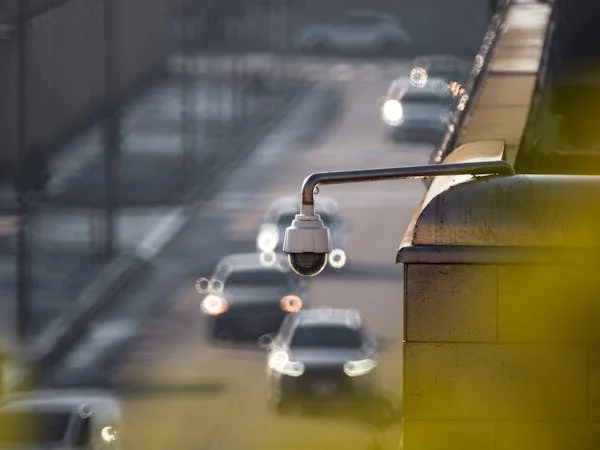
The city is also blanketed with CCTV cameras, ensuring that public spaces are constantly monitored, adding an extra layer of security.
But it’s not just the low crime that makes Singapore worry-free because it’s practically immune to natural disasters! Unlike many other countries, Singapore is free from earthquakes, hurricanes, and major weather threats, making it a haven of stability.
A Small Country With Nowhere To Hide
Source: Pexels
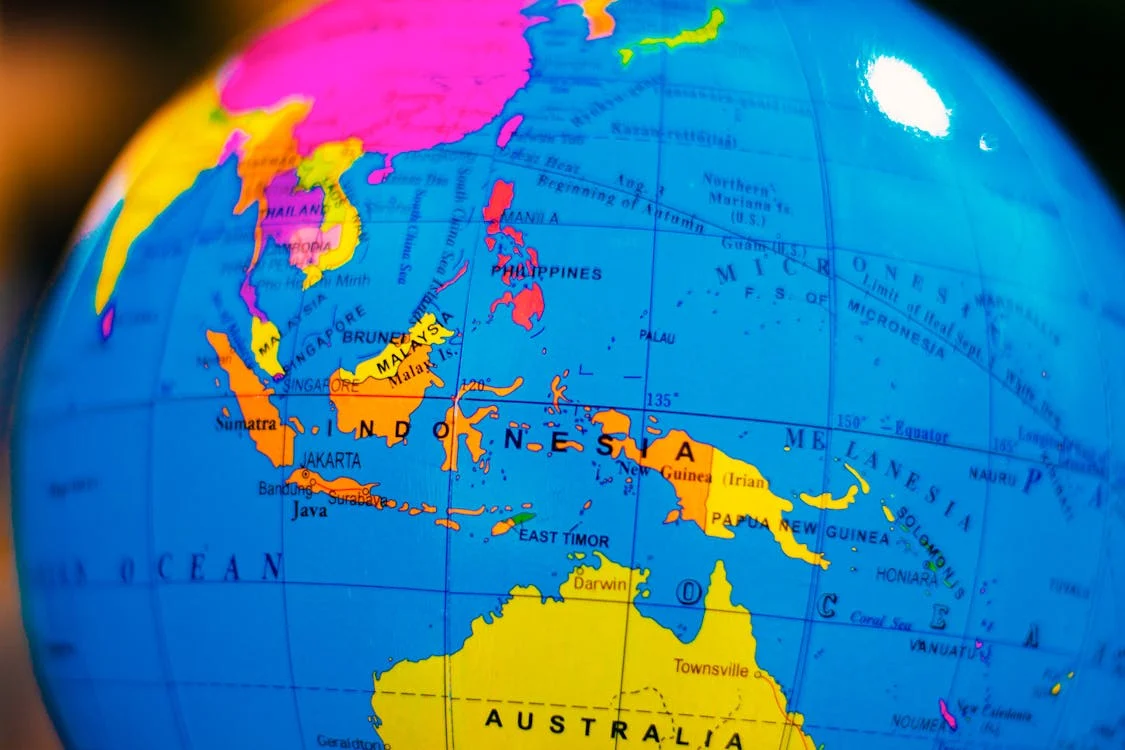
Singapore’s compact size also plays a big role in keeping crime under control.
With a land area of just 734 square kilometers, there’s little room for criminals to operate unnoticed.
The country’s dense urban landscape, coupled with an extensive network of surveillance cameras and a highly responsive police force, makes it incredibly difficult to get away with illegal activities.
Whether on the streets, in public transport, or even in residential areas, Singapore’s small size ensures that law enforcement can act swiftly, leaving little wiggle room for crime to thrive.
Is Singapore A Safe Place For Women? Absolutely!
Source: Pexels
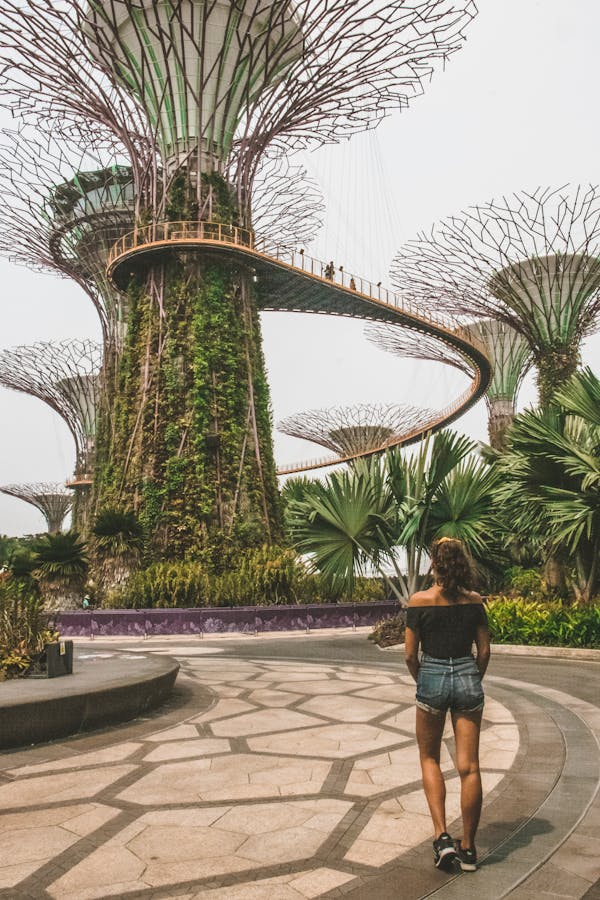
When it comes to women’s safety, few places in the world can rival Singapore.
One of the biggest reasons? Crime simply isn’t tolerated here.
Singapore enforces some of the harshest penalties in the world, where crimes like assault and harassment are met with severe punishments, including hefty fines and caning, keeping offenders off the streets.
This zero-tolerance approach keeps criminals at bay, making violent crimes against women extremely rare.
Is Singapore Safe For Tourists? A Stress-Free Travel Experience!

Source: Pexels
Unlike many major cities where tourists are common targets for pickpockets, Singapore’s top attractions like Marina Bay Sands, Gardens by the Bay, and Sentosa are remarkably safe.
Thanks to strict laws, heavy surveillance, and a strong police presence, petty crimes like pickpocketing are rare. This allows you to focus on making unforgettable memories instead of staying on high alert!
What makes it even safer?
Singapore’s world-class healthcare and emergency services. Hospitals and clinics are highly advanced, with English-speaking doctors and quick-response emergency teams available 24/7.
Whether it’s a minor issue or a medical emergency, help is always close by.
Is Singapore Safe At Night? Walk Freely Without Worry!
Source: Pexels
Unlike many cities where walking alone after dark can feel risky, Singapore remains incredibly safe, even late at night.
Whether you’re soaking in the breathtaking Marina Bay skyline, experiencing the vibrant energy of Clarke Quay, or indulging in a late-night feast at a hawker center, you can do so with total peace of mind.
And getting home? That’s just as safe and easy.
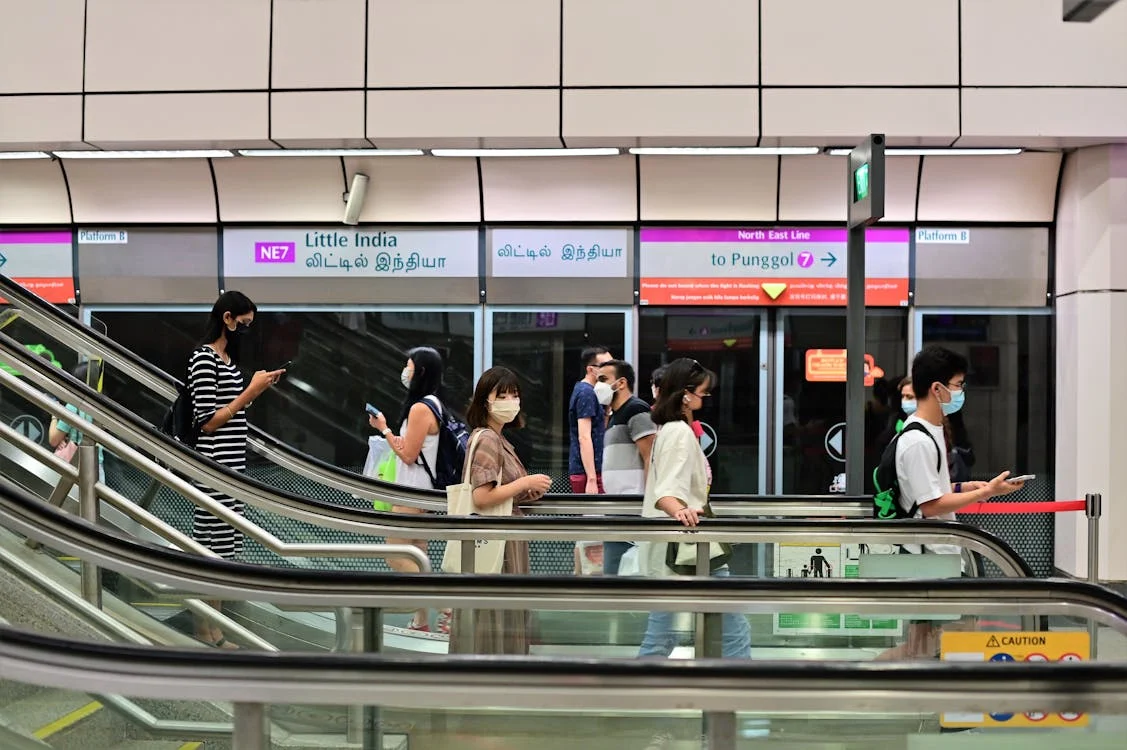
Singapore boasts a well-connected and reliable public transport system. The MRT (Mass Rapid Transit) and buses operate until around midnight, ensuring that night owls have a secure way to get home after an evening out.
On Fridays, Saturdays, and the eve of public holidays, select MRT lines and bus services run extended hours, catering to late-night commuters.
For those staying out even later, taxis and ride-hailing services like Grab are widely available, strictly regulated, and incredibly safe.
With CCTV-monitored stations, well-lit transport hubs, and a strong law enforcement presence, Singapore’s transportation network adds an extra layer of security, making nightlife exciting and worry-free.
Can You Drink Tap Water In Singapore? Of Course!
Source: Pexels
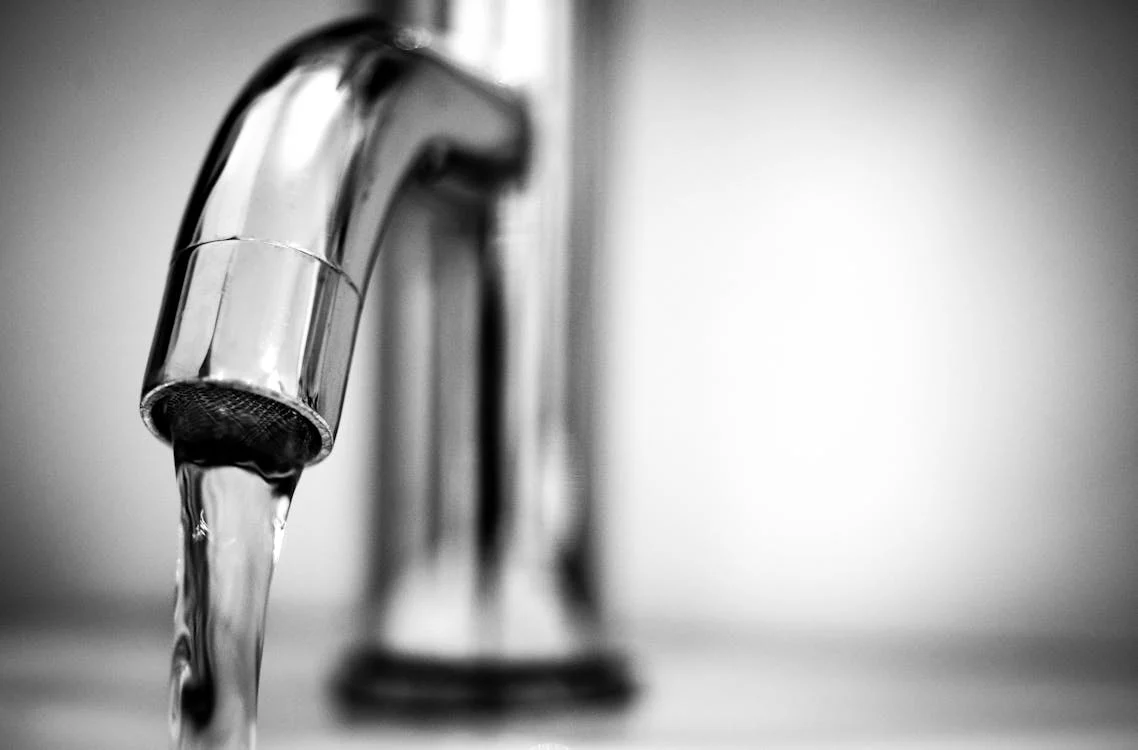
In Singapore, tap water is not just safe—it’s among the cleanest in the world!
The Public Utilities Board (PUB) takes water quality seriously, conducting daily water samplings and rigorous testing to ensure it meets strict international standards, including those set by the World Health Organization (WHO).
Singapore’s water undergoes a multi-step purification process, including filtration and disinfection, to eliminate any contaminants.
With constant monitoring and high-quality treatment, you can drink straight from the tap with complete confidence—no need for bottled water!
Final Verdict: Singapore Is One Of The Safest Places On Earth!
Singapore sets the gold standard for safety, thanks to its strict laws, technological surveillance, and efficient law enforcement.
Whether you’re a local, a solo female traveller, or a first-time visitor, you can explore the city with peace of mind.
However, while Singapore is one of the safest destinations in the world, no place is 100% crime-free.
In fact, Singapore’s crime rate has recently risen by 4.1%, proving that even the safest places are not immune to crime.
It’s always wise to stay alert, be aware of your surroundings, and take basic precautions—just as you would anywhere else.
Related to Singapore:
Chingay Parade: A Spectacular Celebration of Singapore’s Multicultural Heritage