


Singapore’s logistics and distribution network has been harmoniously orchestrated to become a global hub, with over 130,000 companies relying on its infrastructure.
The city-state’s strategic location at the crossroads of Asia, Europe, and the Americas has evolved into a critical nexus for international trade, handling a staggering 30 million containers annually.
Singapore’s strategic location, advanced port infrastructure, and strong regulatory framework have made it one of the world’s leading logistics hubs. A key factor behind this success is the presence of specialised logistics providers that support both regional and international trade.
Companies such as New Port Duty Free contribute to this ecosystem by offering services ranging from bonded warehousing to maritime supply logistics, enabling businesses to operate efficiently within Southeast Asia and beyond.
Optimising Logistics Routes Through Singapore’s Strategic Geographical Location
Singapore’s unique position at the southern tip of the Malay Peninsula makes it an ideal hub for logistics and trade, connecting major shipping lanes and providing unparalleled access to key markets in Asia, Europe, and the Americas.
The country’s well-developed infrastructure, including its world-class airport and seaport, further solidifies its position as a logistics powerhouse.
By leveraging Singapore’s strategic location, businesses can streamline their supply chains and improve delivery times.
- Strategic trade agreements with neighbouring countries and global partners enhance Singapore’s appeal as a logistics hub.
- State-of-the-art infrastructure supports the efficient movement of goods, reducing costs and increasing competitiveness.
- By optimising logistics routes through Singapore, businesses can reduce transit times and improve overall supply chain efficiency.
Singapore’s Port Excellence: Advanced Terminal Operations and Expansion Capacity Plans
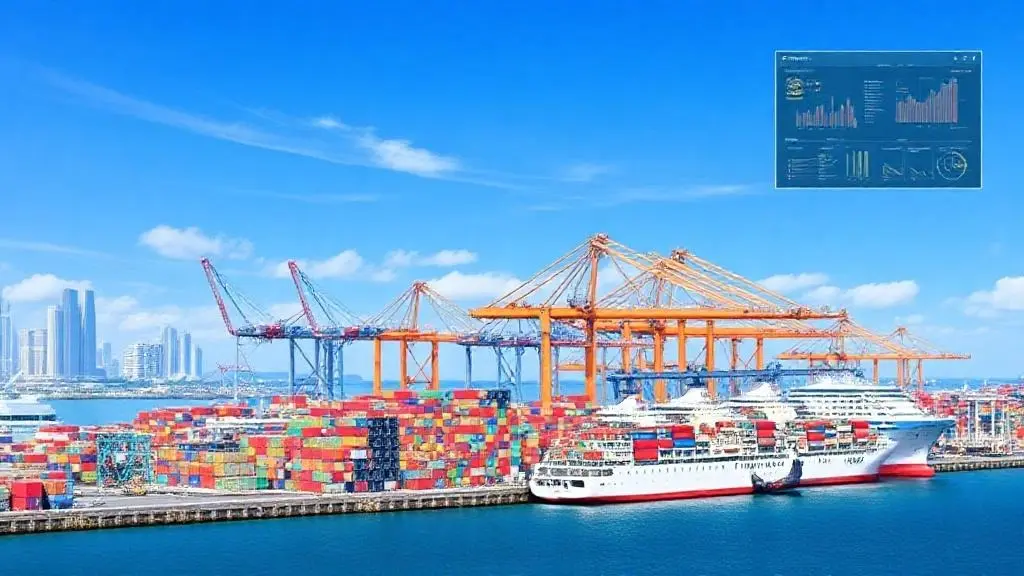
The secret to Singapore’s port excellence lies in its advanced terminal operations and expansion capacity plans, which enable the ports to handle increasing volumes of cargo while minimising delays and congestion.
This is achieved through the use of cutting-edge technology, such as automated cranes and advanced navigation systems, as well as strategic planning and investment in new infrastructure.
By leveraging these advancements, Singapore’s ports are able to provide fast, reliable, and cost-effective services to businesses and traders.
Unlocking ASEAN Market Potential Through Singapore’s Regional Centrality
The key to unlocking the ASEAN market potential lies in Singapore’s well-developed infrastructure and business-friendly environment, which provides companies with a launchpad for regional expansion.
By establishing a presence in Singapore, businesses can tap into the country’s extensive network of trade agreements, including the ASEAN Free Trade Area and the Comprehensive and Progressive Agreement for Trans-Pacific Partnership.
Singapore’s regional centrality also offers companies access to a highly skilled and multilingual workforce, allowing them to navigate the complexities of the ASEAN market with ease.
Mitigating Seasonal Disruptions with Equatorial Efficiency in Logistics
Equatorial logistics is the unsung hero that saves the day, like a trusty sidekick, always ready to lend a helping hand, mitigating seasonal disruptions with ease and finesse.
By leveraging the unique geographical advantage of being near the equator, logistics companies can create a seamless and efficient supply chain that hums like a well-oiled machine, unaffected by the harsh winters or scorching summers that plague their counterparts in temperate regions.
Harnessing the Power of Automation in Container Port Operations and Management

The integration of automation in container port operations has revolutionized the way goods are handled and transported, significantly increasing efficiency and reducing costs.
By leveraging advanced technologies such as artificial intelligence, blockchain, and the Internet of Things (IoT), ports can optimize their processes, enhance safety, and improve customer satisfaction.
Streamlining Air Cargo Handling at Changi Airport for Global Connectivity
Enhancing logistics efficiency is crucial for Singapore’s economic growth.
- Implementing automated sorting systems to reduce manual errors
- Utilising data analytics to optimise cargo routing and scheduling
- Enhancing security measures to prevent cargo theft and damage
- Developing strategic partnerships with global airlines and freight forwarders
- Investing in cutting-edge technology to improve cargo tracking and monitoring
By streamlining air cargo handling, Changi Airport can increase its competitiveness and reinforce Singapore’s position as a global logistics hub.
Technological Innovations in Singapore’s Logistics Sector for Enhanced Efficiency
The implementation of technological innovations in Singapore’s logistics sector has been a crucial factor in enhancing efficiency, with the integration of artificial intelligence, blockchain, and the Internet of Things (IoT) enabling real-time tracking, automated processes, and improved supply chain management.
As Singapore continues to solidify its position as a global hub for logistics and distribution, the city-state’s strategic location, world-class infrastructure, and highly skilled workforce remain essential factors in its success.
Looking ahead, the rise of e-commerce and the increasing demand for rapid and reliable delivery are likely to further propel Singapore’s logistics industry.
With its sights set on innovation and sustainability, Singapore is poised to stay at the forefront of the logistics landscape, much like a well-oiled machine, where every cog and wheel works in harmony to keep the wheels of global trade turning.
Related to Logistics:
Why Businesses Are Switching to Sustainable Options For Food Packaging
Why Strategic Warehousing Is the Backbone of Modern Supply Chains