


You probably know about BMI or body mass index, the standard way to classify weight as underweight, overweight, or healthy.
But have you ever stopped and thought about it: Is this really the best way to measure health?
The answer to this question is not straightforward.
While BMI is helpful in some ways, it also has its fair share of drawbacks.
Let’s dive into what BMI actually measures, why it’s used everywhere, and where it falls short. 🤔
What is BMI?

Source: Pexels
BMI is the ratio of your weight to that of your height squared, which is often expressed in units of kilograms per square meter (kg/m²).
This mostly gives an approximation of how fat one is.
The World Health Organization (WHO) categorises BMI as follows:
- underweight (BMI < 18.5)
- normal weight (BMI = 18.5-24.9)
- overweight (BMI = 25-29.9)
- and obese (BMI ≥ 30).
Healthcare professionals commonly use BMI as an indicator of the risk of chronic conditions such as diabetes, hypertension, and heart disease.
Although useful as a general indicator, one needs to remember that BMI does not directly measure per cent body fat or muscle mass.
For example, muscular athletes may have a very high BMI without being overweight. 💪
Similarly, persons with low muscle mass could have a normal weight and still be considered obese.
Why is BMI Important?
BMI is a very important measure in population health as it allows for the estimation of populations that are at risk due to chronic diseases.
This is an easy and inexpensive way to screen for possible weight-related health issues.
Its broad application is in research studies to understand the relation between body weight, diet, and the outcome of diseases.
In addition to this, BMI is utilised by practitioners as a guide for advising patients regarding appropriate weight management and lifestyle modification.
Why BMI is Not Always Accurate
Source: Pexels
One of the major limitations of BMI is that it fails to differentiate between lean body mass and body fat.
This means persons with a lot of muscle mass are being labelled as overweight and obese.
However, low muscle mass might make one be defined as a normal weight while having a high percentage of body fat.
Besides that, BMI does not take into consideration age, sex, or ethnicity which may determine body composition and health risk.
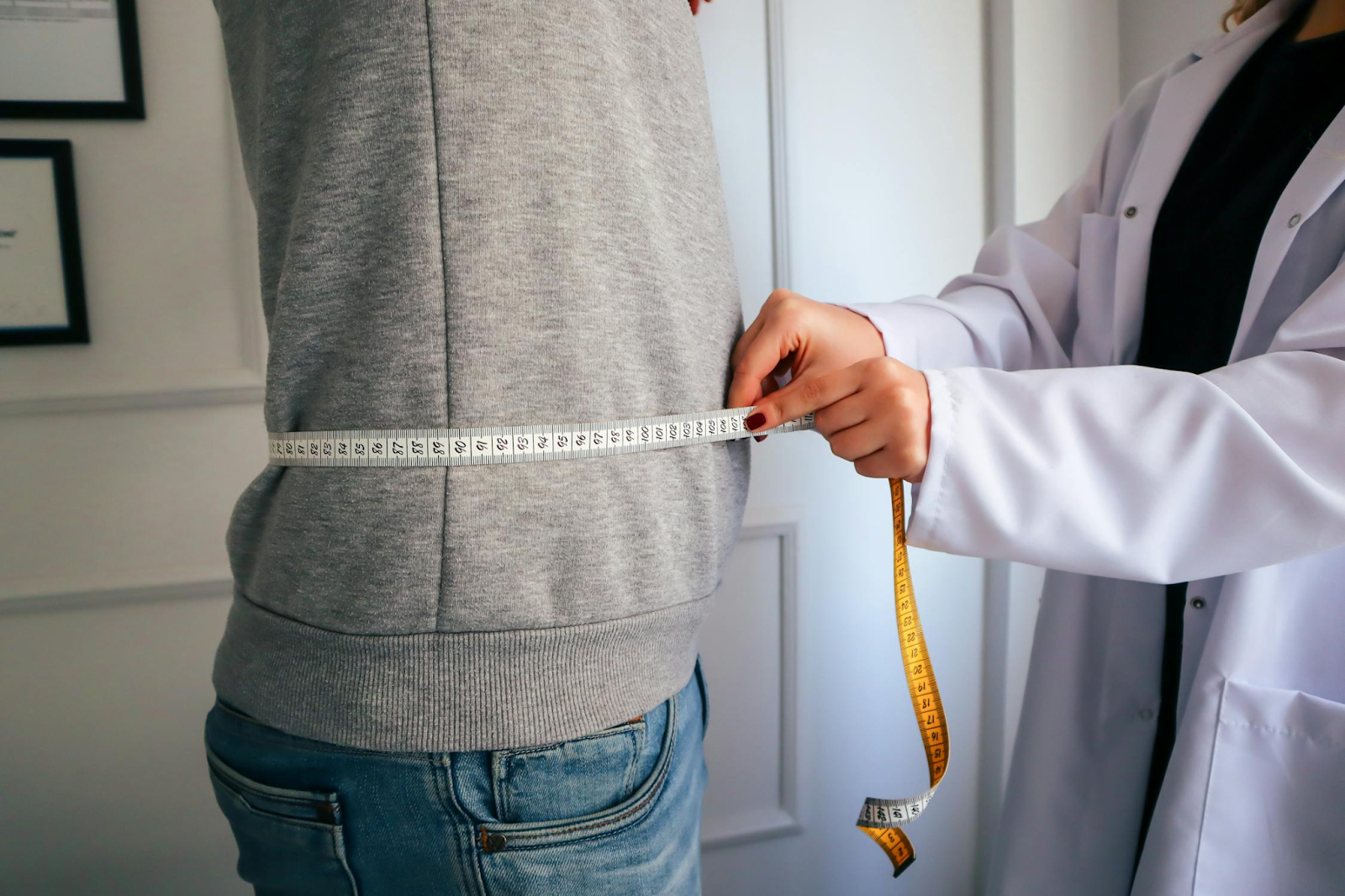
Another weakness of BMI is that it does not give any indication of waist circumference, which is a very important determinant of health risks.
Excess fat around the waist is linked to an increased risk of chronic diseases, including heart disease and type 2 diabetes. ❤️🔥
Therefore, relying only on BMI can lead to incomplete health assessments.
Some Examples Where BMI is Not Accurate

Source: Pexels
Imagine a professional athlete containing a lot of muscle mass, for example, a football player or a bodybuilder. ⚽
Due to their muscular content, their BMI may fall in the range of being overweight or even over a healthy weight range
However, they are actually quite healthy and their body fat percentage might be really low.
On the contrary, an individual may have a normal BMI but actually have a high percentage of body fat and be in jeopardy of chronic diseases.
Another good example could be people with high bone density, like those with osteosclerosis. 🦴
Their BMI can be due to the bone density and need not necessarily possess excess body fat.
Similarly, seniors may possess a normal BMI but can still have a high percentage of body fat due to age-associated loss of muscle mass.
Other Alternatives to Check Health Other Than BMI
What, then, are the alternative ways for assessing health other than using BMI?
The body fat percentage measurements by DXA or skinfold will be one way.
Another important measure would be the waist circumference, which gives an estimate of central obesity with its associated risks.
The other alternative approaches are the assessments of muscle mass, bone density, and metabolic health markers expressed by blood glucose and lipid profiles.
By these measures, a better outlook on health status can be achieved for the individual.
Additionally, health professionals can use clinical assessments like the waist-to-hip ratio and the body shape index (BSI) to evaluate health risks.
The Importance of Clinical Assessments

Source: Pexels
Clinical assessments are very important in the evaluation of one’s health status beyond BMI.
Body fat percentages can be used with various body measurements to assess overall risks in health and provide relevant, personalised advice.
Moreover, it can also establish a way through which one who has a chance of getting any chronic diseases can be discovered and start the needed interventions and preventive measures on time.
One should look beyond BMI and re-conceptualise health more holistically.
The Role of Technology in Health Assessments
Source: Pexels
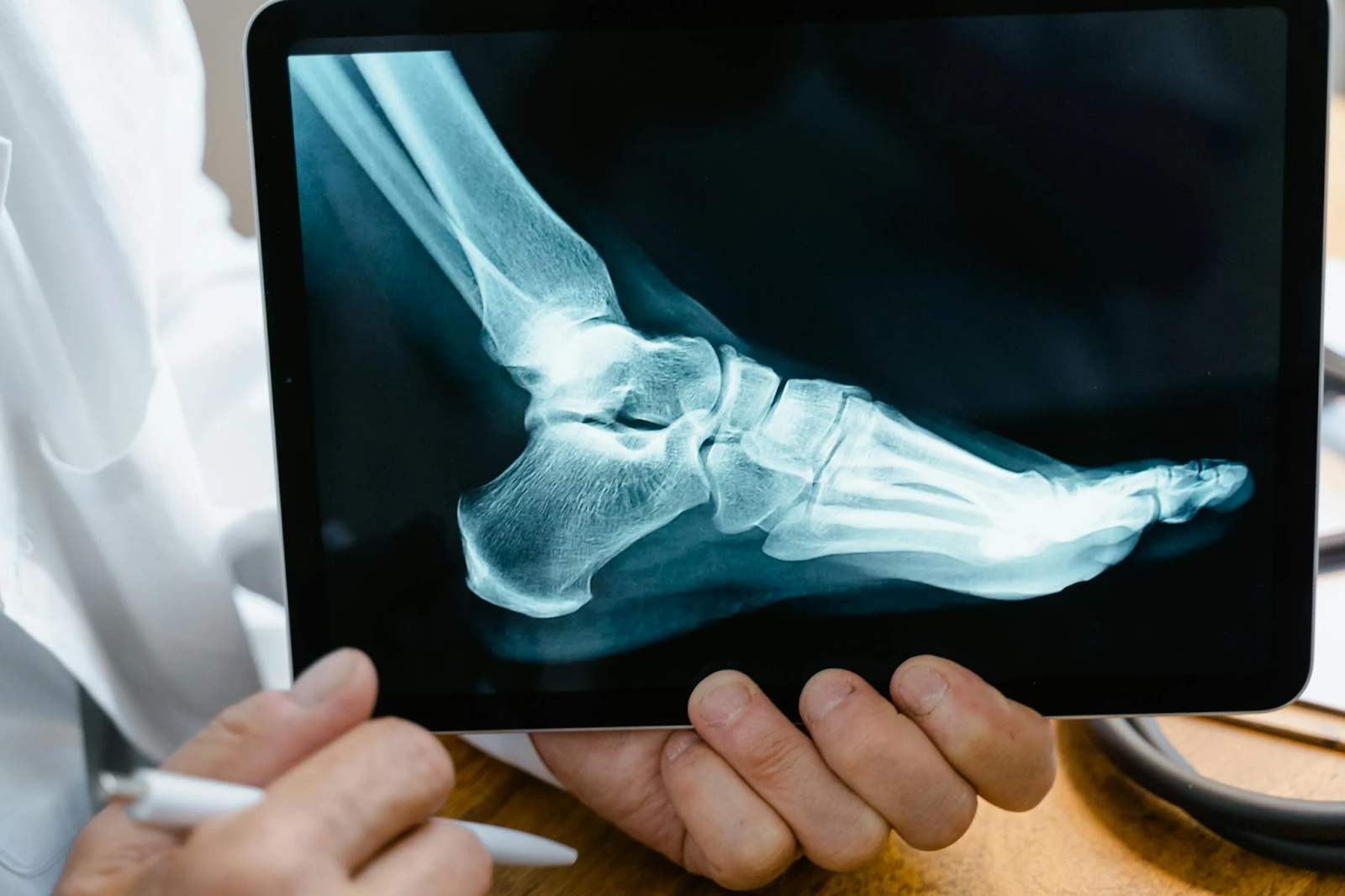
Technological changes have widely revolutionised health assessments, making more accurate and convenient methods possible.
(Some providers, like Tecfams, provide state-of-the-art height and weight measuring devices that calculate BMI with precision and integrate into broader health assessment tools.)
For example, mobile apps and smartwatches are used to track body fat percentage, muscle mass, activity, sleeping and other health-related parameters.
AI can also play an important role in health assessments by enabling large amounts of data to be analysed in order to find patterns that predict health outcomes.
Moving Beyond BMI: A New Era of Health Assessments
In the final analysis, BMI might provide a general idea of weight status, but its limitations need to be recognised and surpassed.
With the addition of other methods such as body fat percentage, waist circumference, and clinical assessment, the picture of an individual’s health status can be better comprehended.
As technology keeps evolving, so do means of health assessment that will become increasingly accurate and easier to use.
Now, the need is to shift this focal point from BMI towards a more holistic approach to health and wellness.
This could build a culture of health and well-being that has nothing to do with weight loss but instead with overall well-being.
Related to BMI: