


Hollywood films love to portray dramatic plane crashes with massive fireballs, explosions on impact, and wreckage consumed in flames.
These intense, cinematic moments keep audiences on the edge of their seats, but the reality is far more complex.
In actual aviation accidents, not every crash ends in a fiery explosion, and many passengers walk away unharmed.
The outcome depends on factors like fuel, impact forces, and environmental conditions.
Understanding these elements helps separate fact from fiction and reveals why some crashes end in flames while others do not.
What Causes An Aircraft To Explode?
Source: Pexels
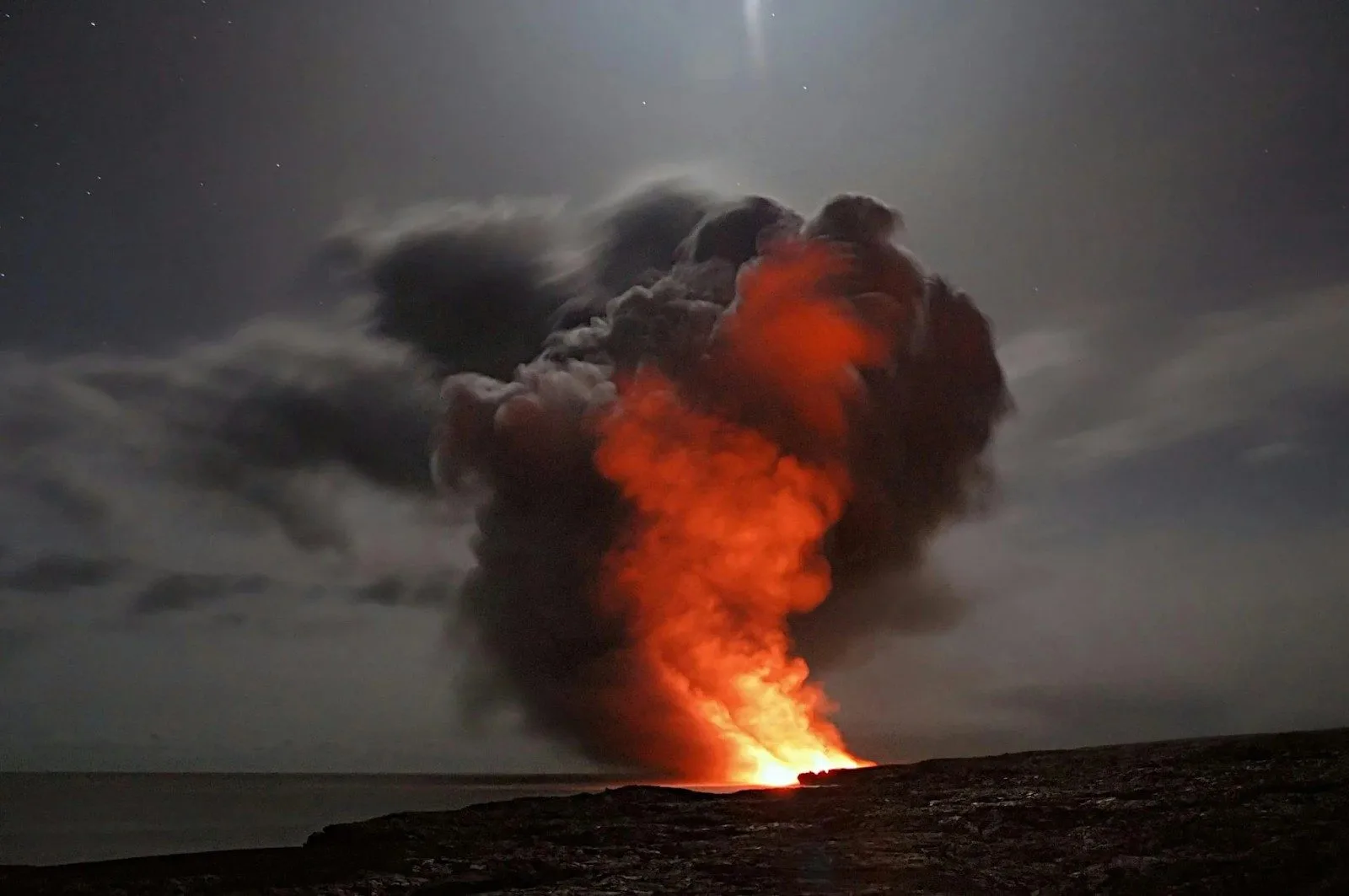
Generally, aircraft do not explode when they crash.
If they do, it is usually because the impact is so large that it causes the fuel tank to rupture.
When this happens, the fuel is released and can quickly vaporize, and if the vapor comes into contact with a heat source, such as electrical sparks or friction from metal parts, it can ignite, leading to a massive fireball.
Only Two Made It Out Alive Of The Jeju Plane Crash Explosion
On December 29, 2024, Jeju Air Flight 2216, a Boeing 737-800, embarked on its journey from Bangkok’s Suvarnabhumi Airport to Muan International Airport in South Korea.
The tragedy unfolded in a devastating sequence of failures, beginning with a bird strike that crippled both engines and the landing gear.
Forced into a belly landing at Muan International Airport, the aircraft overshot the runway and crashed into a reinforced concrete structure, rupturing its fuel tanks.
With a heavy impact, leaking fuel and exposed electrical sparks, it triggered a catastrophic explosion that left 179 dead, with only two survivors.
Do Bigger Aircraft Have A Greater Likelihood Of Exploding?
Source: Pexels
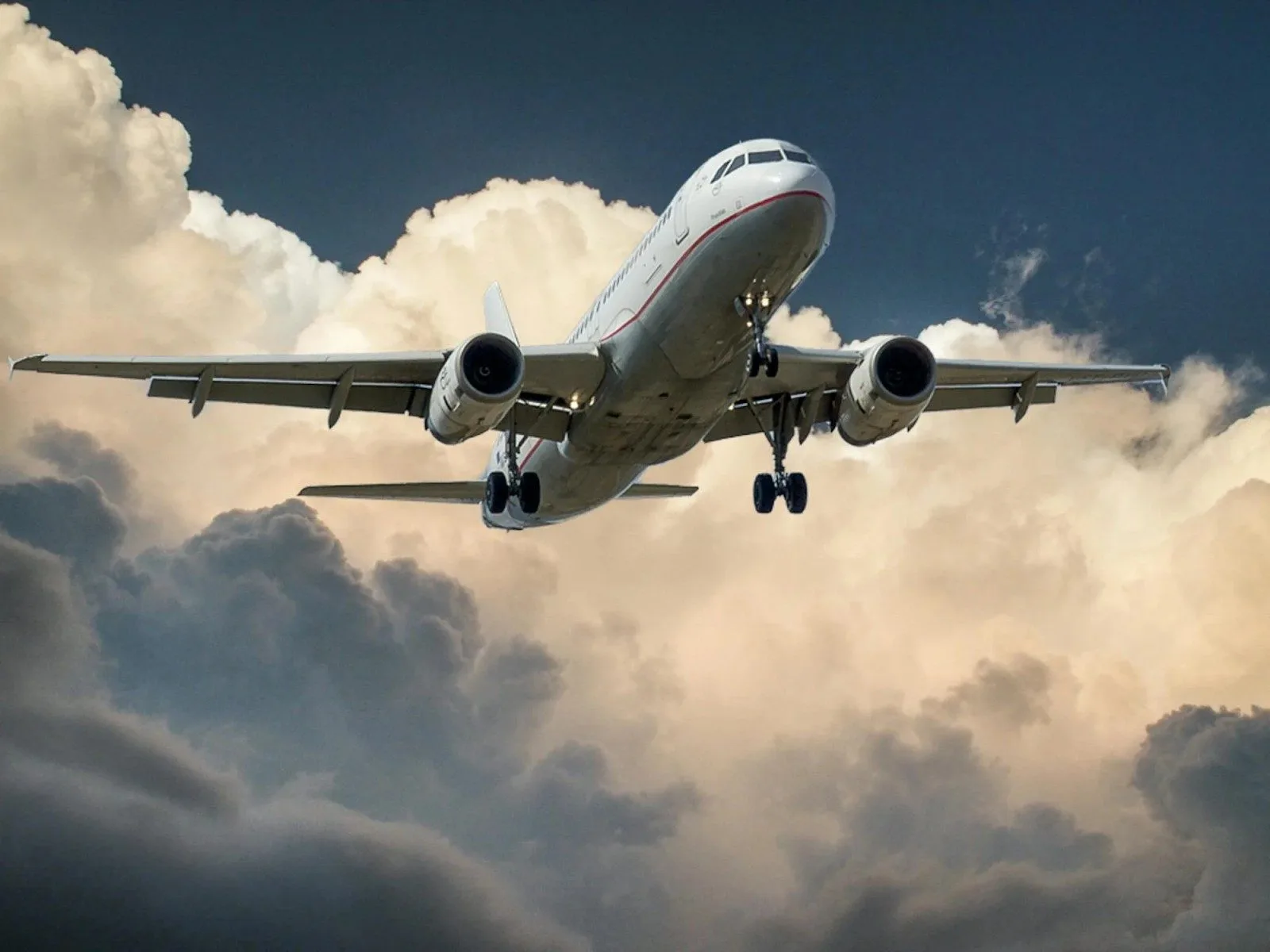
Larger aircraft, designed for long-haul flights, often carry vast amounts of fuel, which increases the chances of a dramatic outcome in the event of a crash.
A Boeing 737, for instance, can hold up to 26,000 liters of fuel, while a smaller plane like the Cessna 172 only carries around 158 liters.
With this massive fuel load, the potential for an explosion or intense fire is much higher.
On top of that, bigger planes typically fly at faster speeds, and when they crash, the higher velocity increases the likelihood that fuel tanks will rupture.
Once the tanks break open, the chances of ignition and a massive fireball skyrocket.
Tipping Points That Increase Your Chances Of Survival
Source: Pexels
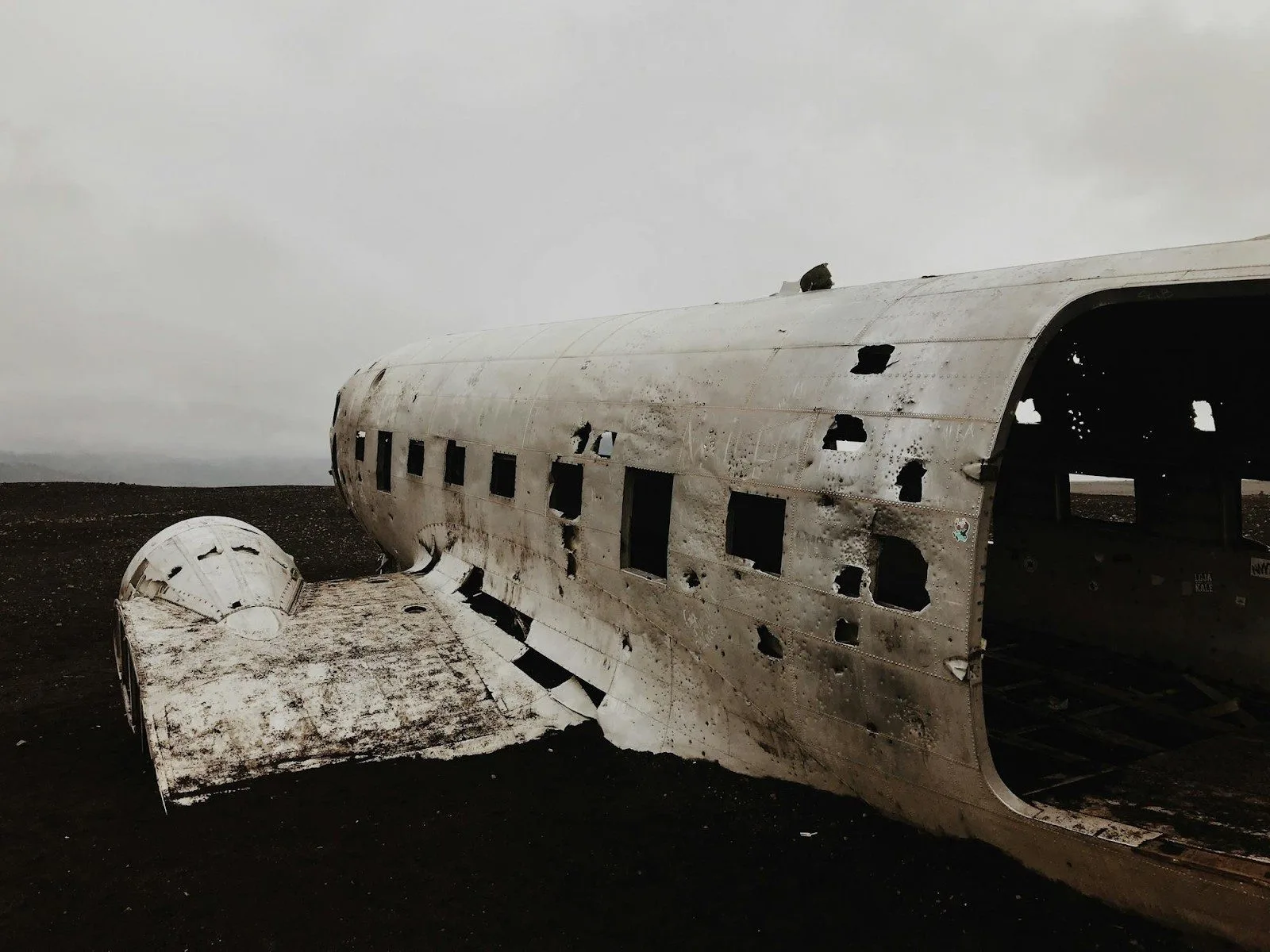
In the critical moments after a plane crash, survival often hinges on several key factors.
These include the impact severity, crash location, the plane’s safety features, and how passengers behave during the emergency.
Crash Landing Location
The location of the crash is a crucial factor.
A plane that crashes in an open field or a body of water provides a safer environment for survivors because fewer obstacles, such as buildings or trees, can exacerbate the damage or fuel a fire.
On the other hand, a crash in a densely populated area or a forest can lead to additional hazards, significantly reducing the chances of survival.
In some cases, a crash over water can increase survival chances due to the reduced risk of fire and the fact that water landing may help cushion the impact.
However, if the crash causes the plane to break apart on impact, survivors still face the challenge of reaching safety before hypothermia or other dangers set in.
Impact Severity And Angle
Crashes at high speeds or steep angles tend to cause more extensive damage to the aircraft, making it more likely to catch fire.
However, if the plane can land in a controlled manner or at a gentle speed, the chances of survival increase dramatically.
Crashing, where the aircraft is allowed to glide to a controlled landing or come to rest slowly, offers more opportunities for passengers to survive.
Sudden, high-velocity impacts, on the other hand, increase the forces acting on the body, leading to a higher likelihood of severe injuries or fatalities.
Aircraft Safety Measure
Reinforced seats and seatbelts are designed to absorb impact forces, while fire-resistant materials in the cabin help slow the spread of flames.
Strategically placed emergency exits and lighting systems guide passengers to safety during evacuations.
Additionally, fuel tank designs minimize the risk of rupture upon impact, reducing the chances of fire and explosions.
These critical safety measures are especially effective in controlled crash landings, giving passengers a higher likelihood of escaping unharmed.
Related to Airlines :
Why Don’t Airlines Have Parachutes for Passengers? The Shocking Truth Behind In-Flight Safety