

Movies often depict dramatic mid-air escapes, where characters strap on parachutes and leap to safety just in time.
This fuels the common misconception that commercial airlines should carry parachutes for emergencies.
However, reality is far different from Hollywood’s action-packed scenarios.
Airline emergencies rarely unfold in a way where parachutes would be useful—let alone practical. Instead, modern aircraft are equipped with advanced safety systems designed to prevent accidents altogether.
Yet, for many nervous flyers, air travel can be unsettling. Every bump of turbulence, unexpected lurch, or chime from the cockpit can trigger a wave of anxiety.
It’s only natural to wonder: If safety is the top priority, why aren’t parachutes available for passengers?
Skills And Practice Matters

Source: Pexels
Skydivers undergo hours of training before making a jump. They learn how to control their descent, deploy a parachute, and land safely.
Most airline passengers have zero experience in skydiving, making it nearly impossible for them to operate a parachute—let alone execute a safe jump in a high-stress emergency.
Even for trained professionals, jumping from a commercial airliner at cruising altitude presents extreme dangers.
At 35,000 feet, temperatures can drop as low as -30°F (-34°C), causing exposed skin to freeze almost instantly.
The lack of oxygen would render most people unconscious within seconds, while the rapid expansion of gases in the lungs could lead to fatal internal injuries.
Surviving such conditions would be nearly impossible, making parachutes a nonviable safety option.
The Science Of Safe Skydiving vs. Commercial Flights
Source: Pexels
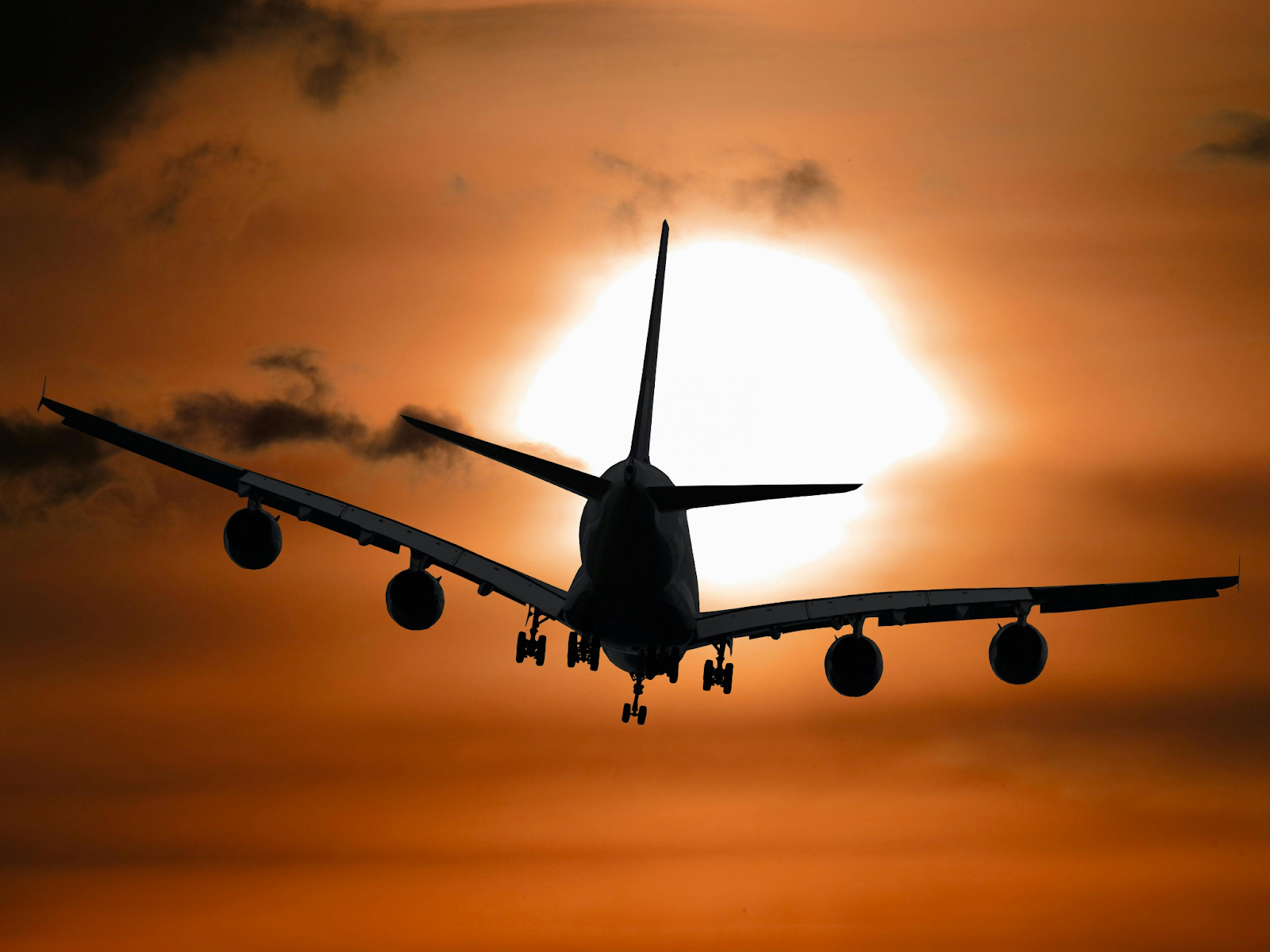
Professional skydivers leap from altitudes of 10,000 to 15,000 feet, where the air is breathable, and speeds are safe enough for a controlled descent.
But commercial airliners operate in an entirely different realm—cruising at 35,000 feet, where oxygen is scarce, and temperatures plunge to a bone-chilling -60°F (-51°C).
If the cabin were to depressurize suddenly, passengers would lose consciousness within seconds without supplemental oxygen.
And even if someone managed to stay alert, speed is another problem.
Commercial jets soar through the sky at over 500 mph, meaning that stepping out of one wouldn’t be a graceful skydive but a violent, uncontrollable disaster.
Unlike the carefully planned jumps of professional skydivers, exiting an airliner mid-flight wouldn’t just be risky—it would be fatal.
The Practical Challenges Of Parachutes On Planes

Source: Pexels
At first glance, handing every passenger a parachute might seem like a smart safety precaution—but in reality, it is impractical and costly.
A single parachute weighs between 15 to 30 pounds, and with hundreds of passengers on board, that extra weight would send fuel consumption (and ticket prices) soaring.
Not to mention, storing them would take up valuable cabin space already squeezed for comfort.
Why Parachutes Would Do More Harm Than Good
Even if parachutes were available on planes, using them would be chaotic.
Imagine hundreds of panicked passengers scrambling to strap into a parachute while turbulence rattles the aircraft.
The narrow aisles, limited space, and sheer confusion would make an orderly evacuation nearly impossible.
In a real emergency, where every second counts, the last thing you need is a stampede of terrified people trying to figure out how to jump out of a plane at 35,000 feet.
The Real Safety Measures That Save Lives
Source: Pexels
Rather than relying on impractical solutions like parachutes, airlines invest in proven safety measures that save lives.
Every commercial aircraft undergoes rigorous maintenance checks to ensure it’s in peak condition before takeoff.
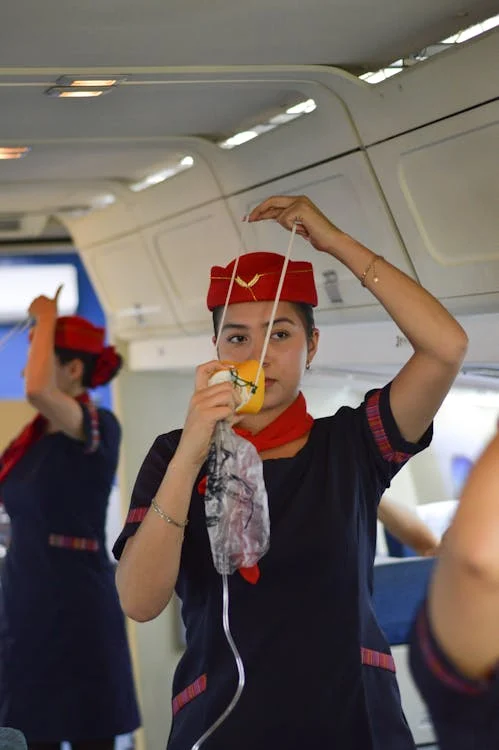
Pilots receive extensive training to handle emergencies, from severe turbulence to engine failures, while flight attendants are highly skilled in crisis management, ensuring passengers stay calm and follow critical safety procedures.
Modern planes are also designed with multiple backup systems to prevent disasters.
Reinforced cabins, emergency oxygen supplies, and advanced navigation technology all work together to keep passengers safe.
In the rare event of an emergency, structured evacuation plans and well-rehearsed crew responses give passengers the best possible chance of survival, unlike parachutes.
Could Future Technology Make Passenger Parachutes A Possibility?

Source: Pexels
While parachutes for airline passengers seem impractical today, the future of aviation safety is constantly evolving.
Some companies have experimented with full-aircraft parachutes for small planes, successfully bringing entire aircraft down safely.
Futuristic concepts, such as detachable cabin escape pods, have also been proposed for larger commercial jets, potentially offering a controlled way to evacuate in extreme emergencies.
However, for now, the safest way to survive an airline emergency isn’t by jumping out—it’s by staying inside.
Modern aircraft are designed to withstand severe conditions, and highly trained pilots and crew follow strict safety protocols to protect passengers.
As technology advances, new safety innovations may emerge, but for the foreseeable future, trusting in the systems already in place remains the best bet for survival.
Related to Airlines: