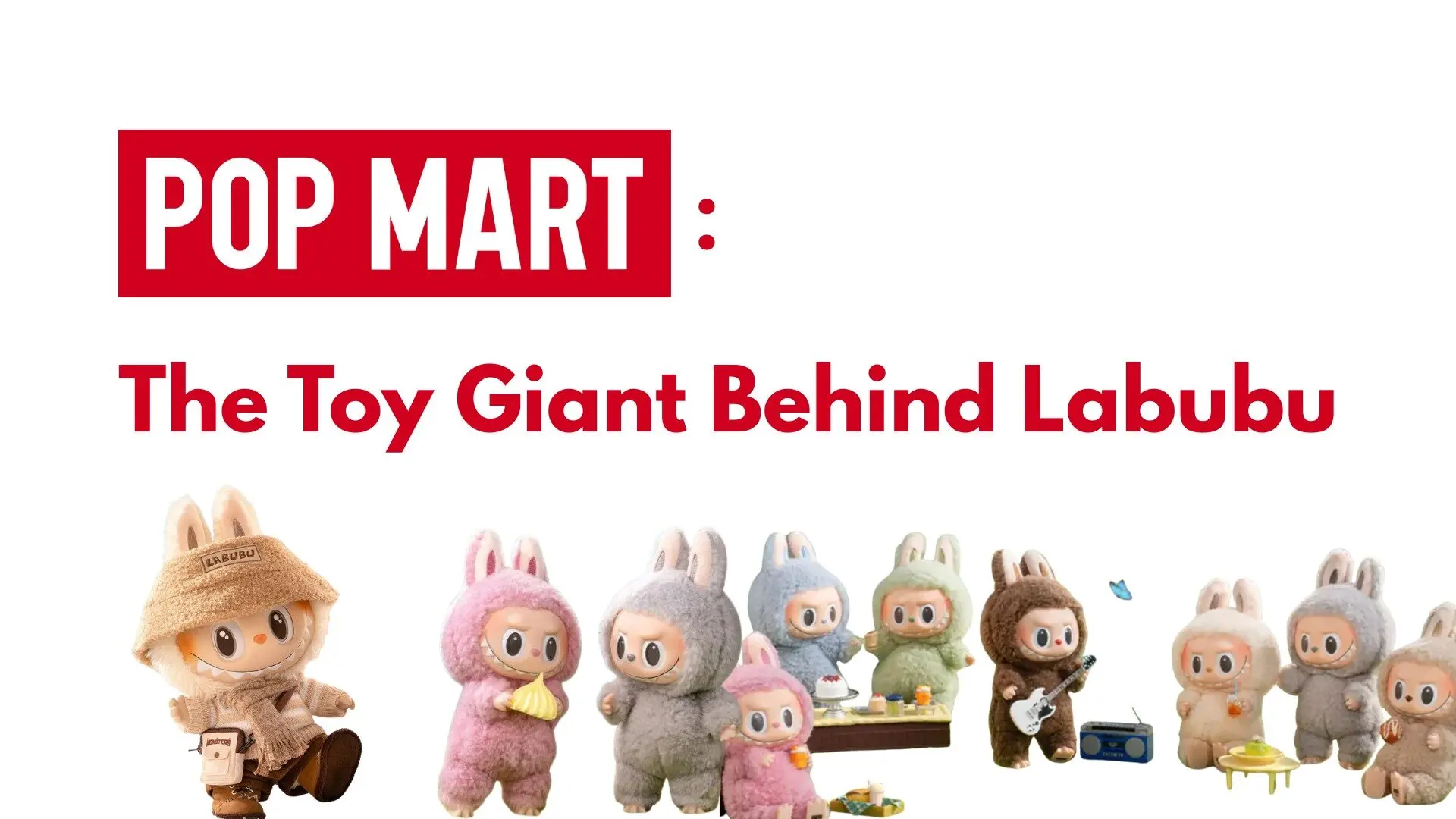

If you’ve ever seen those adorable, wide-eyed figurines in a mystery box and felt the urge to collect them all, you’ve already been swept up in the Pop Mart wave.
Let’s take a stroll through how this Chinese brand went from a tiny Beijing shop to a worldwide pop culture juggernaut.
How It All Started
Back in 2010, a young entrepreneur named Wang Ning opened the first Pop Mart store in Beijing’s Zhongguancun district, a place often called China’s Silicon Valley.
At first, Pop Mart was just a variety store selling all sorts of trendy knick-knacks, but business was tough and the store struggled to stand out.
The real turning point came in 2016.
That’s when Wang Ning and his team decided to try something new: blind box toys. I
nstead of knowing exactly what you were buying, you’d get a sealed box with a surprise collectible inside.
The first big hit? Molly, a pouty, blue-eyed character designed by Hong Kong artist Kenny Wong. Molly’s debut was a smash, and fans couldn’t get enough of the thrill of unboxing and the hunt for rare figures.
Fun Facts About Wang Ning

Source: South China Morning Post
Wang Ning’s journey from a small-town entrepreneur to the founder of a global collectible toy empire deeply influenced Pop Mart’s unique branding and approach.
The founder grew up in Henan, China, where his parents ran a small commercial business selling watches and records.
This gave Wang early exposure to retail, consumer preferences and the importance of trend-driven products.
Wang studied advertising at Zhengzhou University, graduating in 200, giving him a strong grasp of branding, visual storytelling and consumer psychology: key skills that later defined Pop Mart’s marketing and product design.
His training helped him to understand how to create emotional resonance with consumers, a key reason why Pop Mart’s characters and blind box experiences feel so personal and engaging.
What Makes Pop Mart So Addictive?
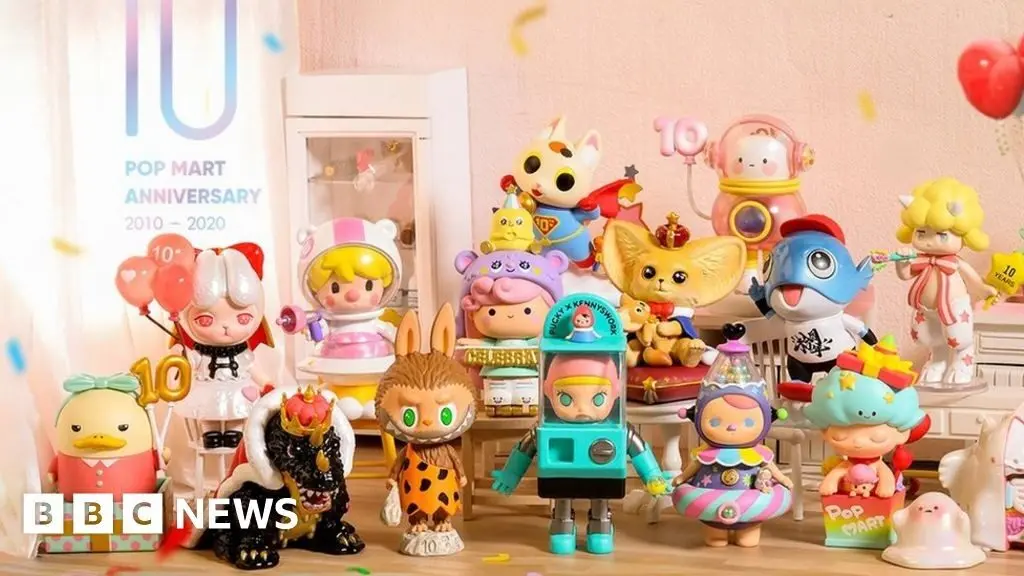
Source: BBC
- Blind Box Magic: Every purchase is a game of chance. Will you get the rare one? The suspense is half the fun.
- Unique Characters: Pop Mart collaborates with top artists to create instantly recognizable figures like Skullpanda, Labubu, and Dimoo. Each has its own personality and style, making them more than just toys, but collectibles with attitude.
- Community & Self-Expression: Fans see themselves in these characters. Whether it’s Skullpanda’s edge or Molly’s stubborn charm, there’s a figure for every mood.
- Exclusivity: Limited editions and region-specific releases make some figures ultra-coveted, fueling a lively secondhand market and serious FOMO.
The Rise to Success
Pop Mart’s blind box formula was an instant hit with China’s millennials and Gen Z.
By 2017, the company’s sales had skyrocketed, and by 2020, Pop Mart went public on the Hong Kong Stock Exchange with a valuation of $7 billion.
The IPO made Wang Ning a billionaire almost overnight.
But Pop Mart didn’t stop there.
The company has since expanded to over 500 stores worldwide and 2,300+ “robo-shops” (vending machines that dispense mystery boxes) in high-traffic spots like malls and airports.
Popmart has hit the global market, opening stores in over 21 countries, including the U.S., U.K., Australia, Malaysia, and more.
They also launched Pop Land, a theme park in Beijing, bringing their characters to life in a larger-than-life way.
The Secret Sauce: Why Pop Mart Keeps Winning

Source: Jing Daily Culture
The secret to Popmart’s increasing success may not be trade secrets after all.
Analysing their business tactic, Popmart employs a fast development cycle, taking just four to seven months to go from concept to shelf, keeping things fresh and exciting.
Like many other brands, Popmart does multi-channel sales, selling through physical stores, vending machines, and online platforms, which make their toys easily accessible.
To keep their product lineup fresh and diverse, Popmart constantly collaborates with established and up-and-coming designers alike.
Just How Successful Is Popmart?
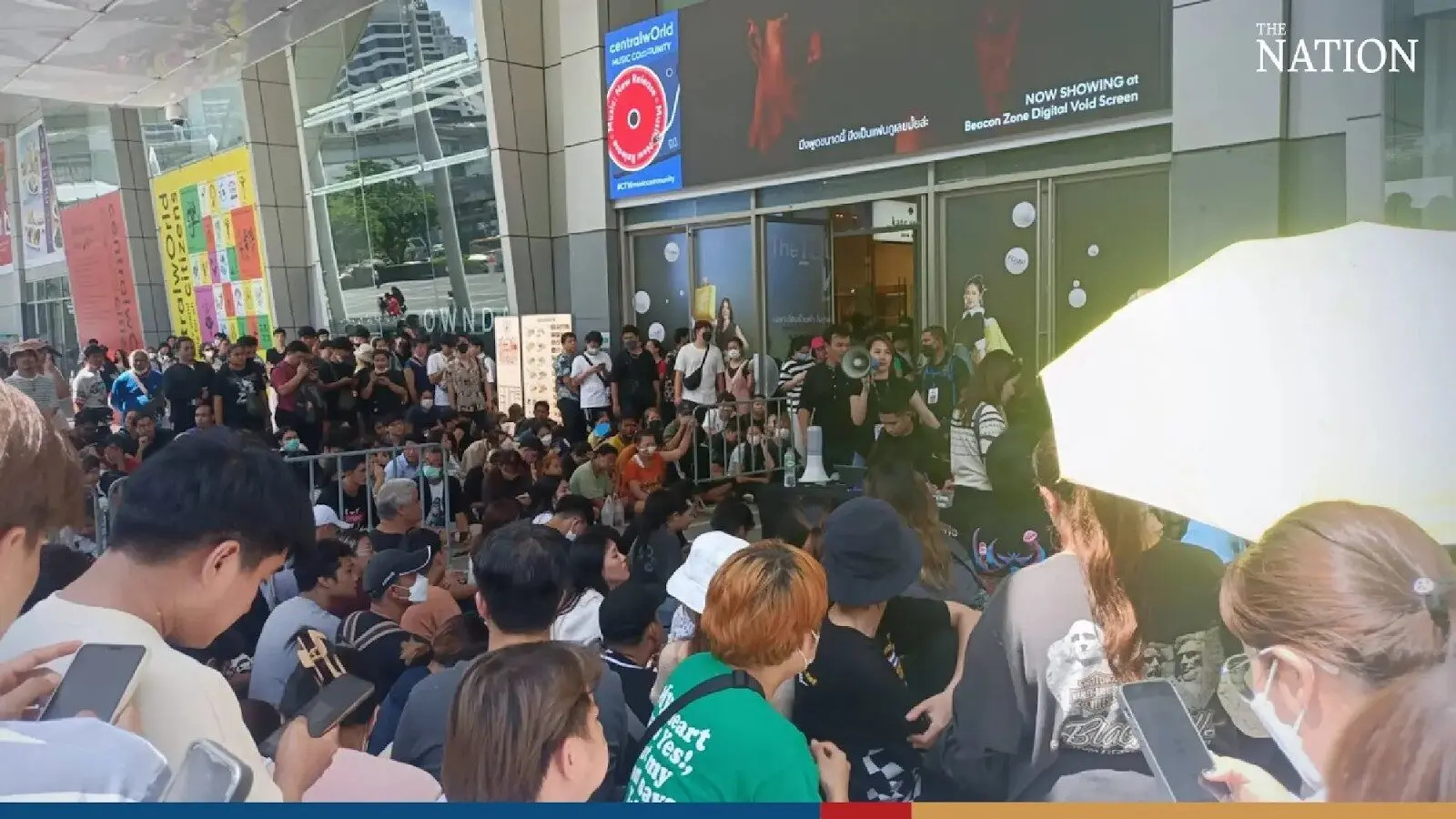
Source: Nation Thailand
Pop Mart made $1.8 billion in revenue in 2024, with overseas sales growing by a whopping 375% that year, with net profit soaring 185.9% to over $470 million.
The brand also has a significant cultural impact, amassing over 46 million members in its loyalty program in China alone.
Some rare figures can fetch hundreds of dollars on the resale market, turning collecting into a serious financial investment, especially with the buy-and-sell market making these product flips the main driver of their business model.
Challenges and Risks
Pop Mart might look unstoppable, but it has its headaches.
The company faces challenges like tighter regulations around blind box sales, especially rules aimed at protecting children from impulsive buying and “gambling-like” habits.
There’s also the threat of counterfeit goods flooding the market, which not only hurts sales but can damage the brand’s reputation.
On top of that, as Pop Mart expands globally, it needs to keep up with different safety standards and cultural tastes in every new country.
Final Thoughts
Pop Mart isn’t just selling toys, it’s selling excitement, nostalgia, and a sense of community.
Whether you’re a casual collector or a hardcore fan, there’s something irresistible about the brand’s blend of surprise, artistry, and fun.
With rising challenges, Pop Mart has to keep innovating, playing by the rules to make sure the magic stays alive.
Related To Pop Mart:
How Labubu Is Taking Over Pop Culture
Recession Pop: How Economic Uncertainty is Shaping Music Again