


If you’ve been paying attention to the latest office trends, you’ve probably noticed the rise of standing desks.
These contraptions, once touted as the perfect solution to counter the health risks of sitting all day, have made their way from office spaces to home offices and even bedrooms.
While they were initially hailed as a game-changer for both health and productivity, the backlash wasn’t far behind, some claim they lead to knee pain and discomfort.
Despite the mixed reviews, standing desks continue to grow in popularity, with millions still swearing by them.
So, are they really as effective as they’re cracked up to be?
What Exactly Is A Standing Desk?

Source: Pexels
A standing desk (a.k.a. your ticket out of chair jail) is an ergonomic setup that lets you work on your feet instead of being glued to your seat all day.
It helps you avoid the health horrors of sitting too long, such as obesity, heart disease, and type 2 diabetes.
So if your chair has become a second spine, it might be time to level up, literally.
How Did Standing Desks Come About?
Standing desks aren’t exactly a modern invention.
In fact, some of history’s most famous thinkers, writers, and leaders swore by them to improve posture and boost focus.
Icons like Thomas Jefferson, Ernest Hemingway, and Charles Darwin worked while standing, proving that this concept has been around for centuries.
Studies have shown that prolonged sitting increases mortality rates, making standing seem like the perfect solution.
But here’s where things get tricky. While it’s clear that sitting isn’t great for your health, we’re still not entirely sure why.
We know it messes with posture, circulation, and can be linked to obesity (though that’s more lifestyle-related than sitting itself).
So, with these issues in mind, do standing desks really offer the fix we’ve all been waiting for? The answer, it seems, isn’t as simple as standing up.
Prolonged Sitting Might Be The Silent Health Killer
Sitting for long periods, whether at a desk, behind the wheel, or in front of a screen, can silently harm your health.
Research links extended sitting to obesity and metabolic syndrome, which includes high blood pressure, blood sugar, excess belly fat, and poor cholesterol.
Prolonged sitting also raises the risk of heart disease and cancer.
Studies show that sitting more than eight hours a day without physical activity can increase your risk of death to levels similar to smoking and obesity.
But here’s the good news: just 60 to 75 minutes of moderate activity daily can offset the effects.
The Intended Benefits Of Standing Desks
Lowers Risk Of Obesity
While hitting the gym is the fastest way to torch calories, swapping your seat for a standing desk can still make a difference.
Studies show that standing for an afternoon instead of sitting can burn over 170 extra calories.
That adds up to nearly 1,000 extra calories a week just by staying on your feet during the workday.
Reduce Back Pain
Back pain is a frequent issue for office workers stuck sitting all day.
To see if standing desks could help, researchers studied employees with chronic back pain and the results were promising.
After just a few weeks of using standing desks, participants reported up to a 32% reduction in lower back pain.
Unintended Consequences Of Standing Desks: Are They Really Worth The Hype?
The idea that standing automatically engages your muscles more than sitting seems intuitive, but that’s not quite how things play out.
Most people at a standing desk tend to lock their knees and shift their weight to one hip, falling into a passive posture.
This stance deactivates many of the muscles that should be supporting the spine and pelvis, much like sitting does.
In the end, you’re not standing tall, you’re just standing still.
Thus, your metabolic rate barely increases when switching from sitting to standing as the body isn’t actually doing much more work.
Striking the Perfect Sit-Stand Balance at Work
Source: Pexels
Finding that sweet spot between sitting and standing isn’t just about switching positions, it’s about creating a flow that supports both your body and your brain.
Instead of standing all day or parking yourself in a chair for hours, aim to alternate between the two throughout your workday.
Try sitting for 30–60 minutes, then standing for 15–30 minutes, and repeat.
This balance keeps your muscles engaged, your circulation flowing, and your focus sharp.
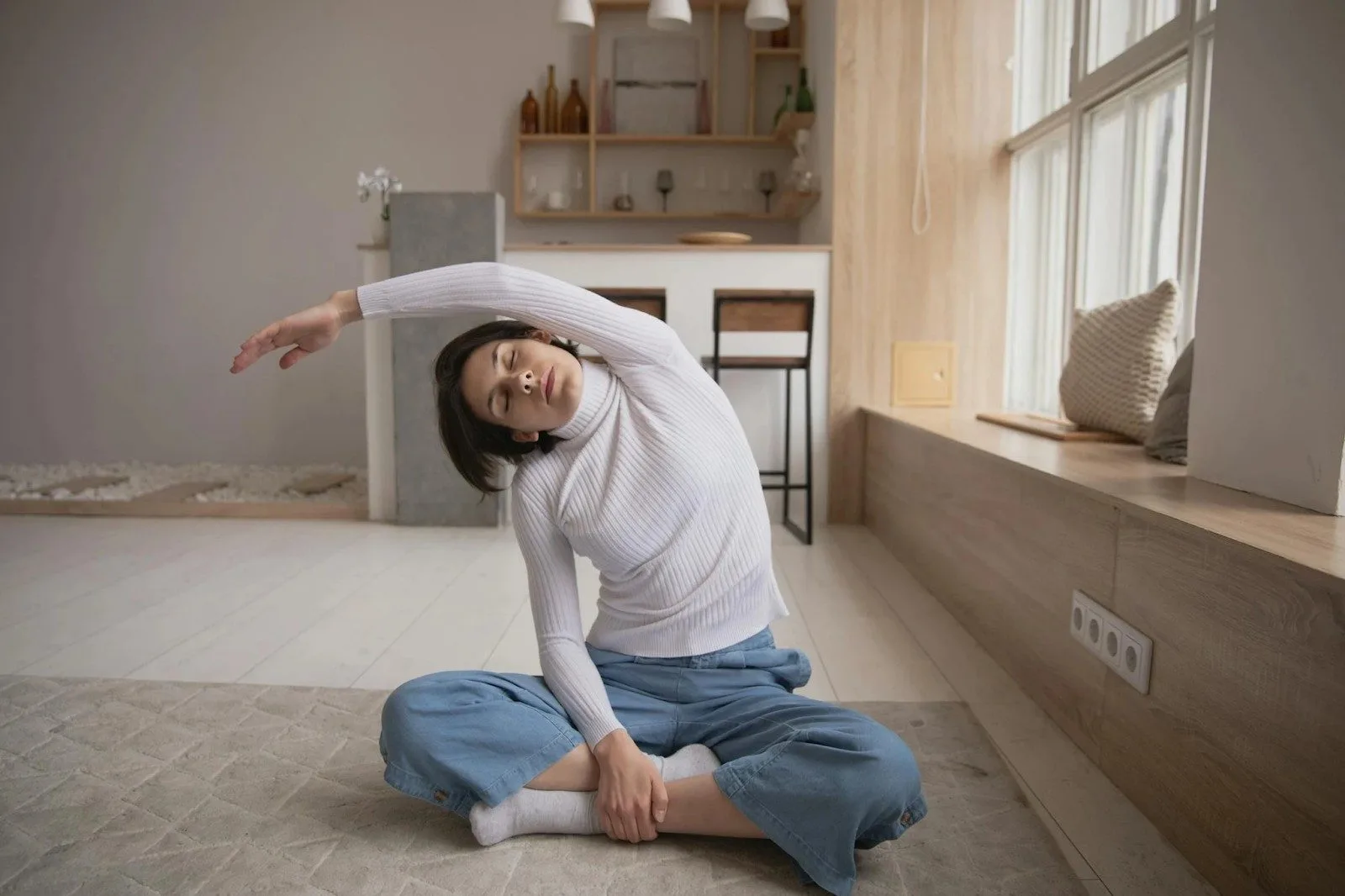
Throw in some quick stretch breaks, a short walk, or even a water refill run to stay active without disrupting your workflow.
The goal isn’t to stand more, it’s to move more and avoid being stuck in any one posture for too long.
With the right intervals and a setup that supports good ergonomics, your desk can become a space that boosts both comfort and productivity.
Related To Standing Desks:
Top 5 Affordable Laptops For University Students In Singapore That Can Handle Multiple Tabs
Reasons Why Your Laptop Plays Random Music On Its Own And How To Solve Them