
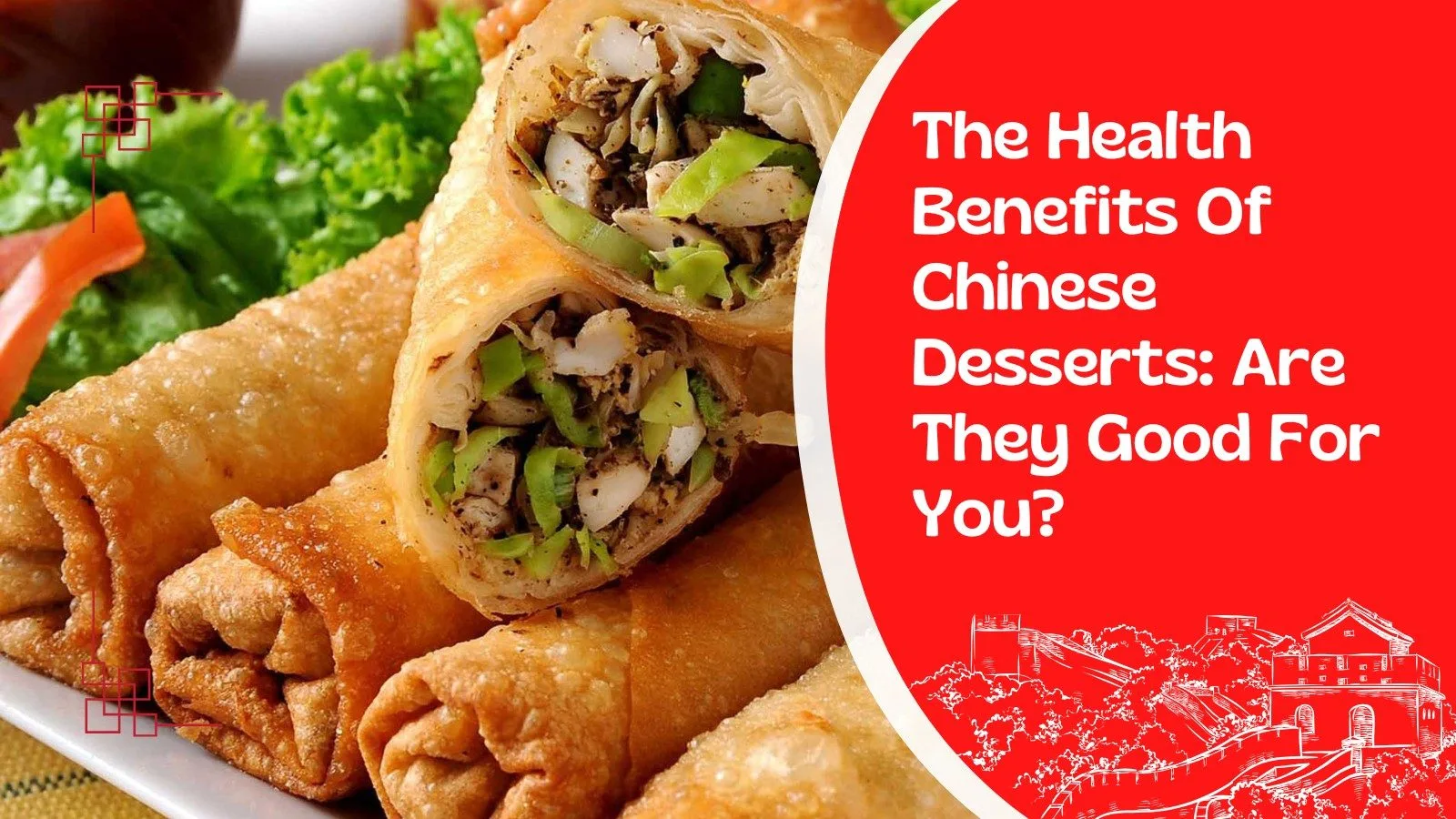

Chinese desserts often stand apart from Western sweets due to their unique ingredients, preparation methods, and cultural significance.
While they are frequently associated with indulgence, many traditional Chinese desserts offer nutritional benefits that can support well-being.
This article examines the health aspects of Chinese desserts, focusing on ingredients like black sesame, goji berries, and mung beans, as well as healthier preparation techniques, such as steaming or using natural sweeteners.
What Makes Healthy Chinese Desserts Different From Western Sweets?
Source: Pexels
Chinese desserts differ from many Western confections in terms of sweetness levels and ingredient choices.
Instead of relying heavily on refined sugar, many recipes incorporate natural sweeteners like honey, dates, or rock sugar.
These alternatives provide a gentler flavor profile while avoiding excessive spikes in blood sugar levels.
Steamed desserts represent another healthy approach.
Unlike fried or baked options, steaming preserves nutrients and reduces fat content.
Examples include steamed buns filled with red bean paste or glutinous rice cakes.
Desserts that are steamed are able to deliver satisfying textures without the added calories associated with frying.
Nutritional Benefits Of The Key Ingredients In Chinese Desserts
Source: Pexels
Certain ingredients commonly found in Chinese desserts have notable health benefits.
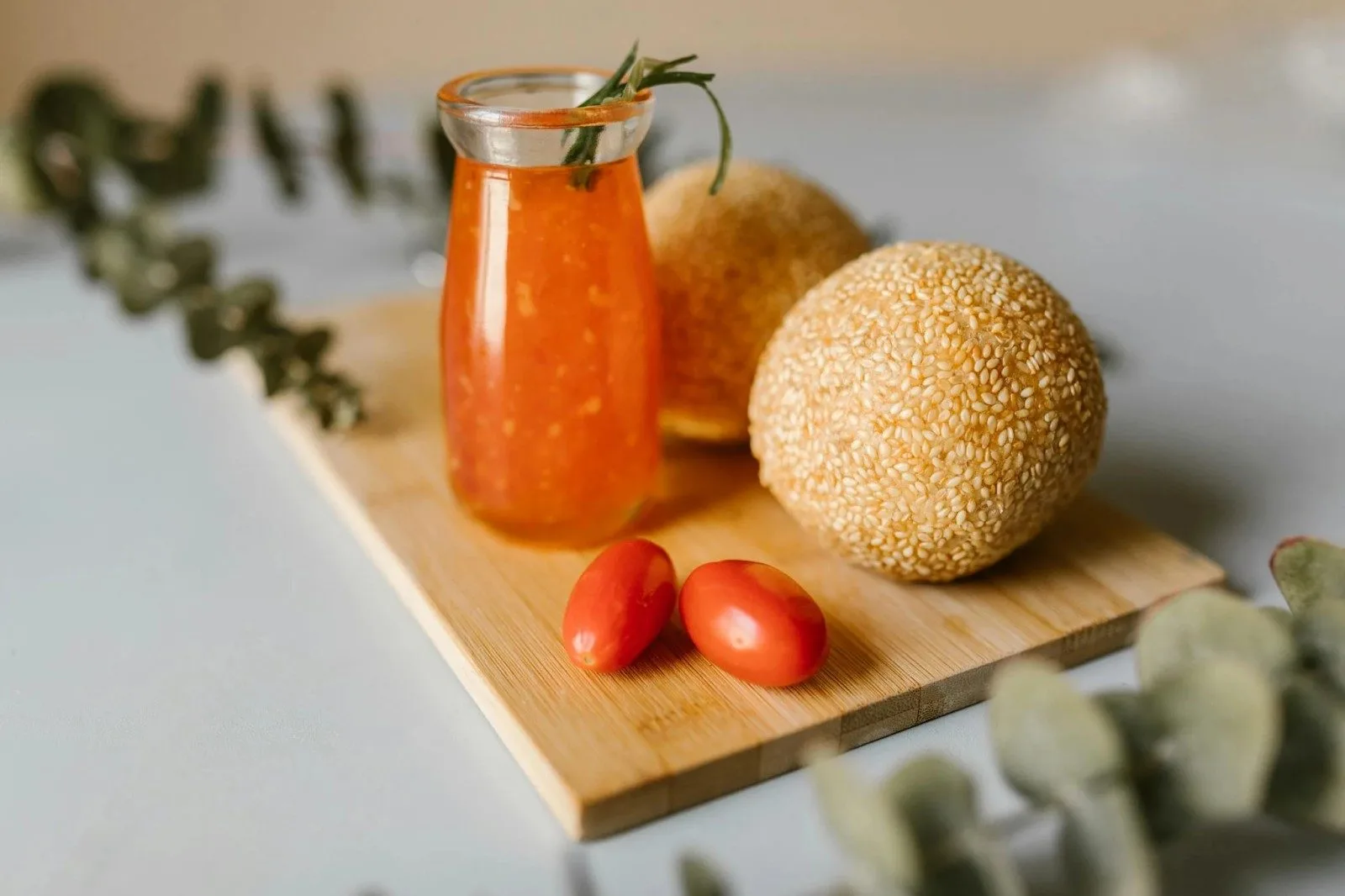
Black sesame seeds, for instance, are rich in antioxidants and healthy fats.
They also contain calcium, which supports bone health, and magnesium, which aids muscle function and energy production.
Desserts like black sesame soup or balls showcase this ingredient’s versatility and nutritional value.
Similarly, goji berries are packed with vitamins A and C, as well as fiber and iron, making them a popular choice for boosting immunity.
If you’re curious about how these ingredients are incorporated into modern recipes, Ah Chew Desserts offers a variety of desserts that highlight the natural goodness of such components, providing a delicious way to enjoy their health benefits.
Debunking Myths About Sugar Content In Chinese Desserts
Source: Pexels
A common misconception is that all Chinese desserts are excessively sugary.
While some recipes do include sugar, many rely on balanced flavors rather than overwhelming sweetness.
For example, almond tofu, a chilled dessert made from almond milk and agar-agar, has a mild sweetness that appeals to those seeking low-calorie Asian sweets.
Another myth involves the assumption that all traditional desserts are unhealthy due to their carbohydrate content.
However, dishes made with ingredients like taro, lotus root, or sweet potato provide complex carbohydrates that release energy gradually.
These starchy vegetables contribute to satiety and offer additional nutrients compared to refined flour-based sweets.
Healthier Preparation Techniques For Low-Calorie Asian Sweets
Source: Pexels
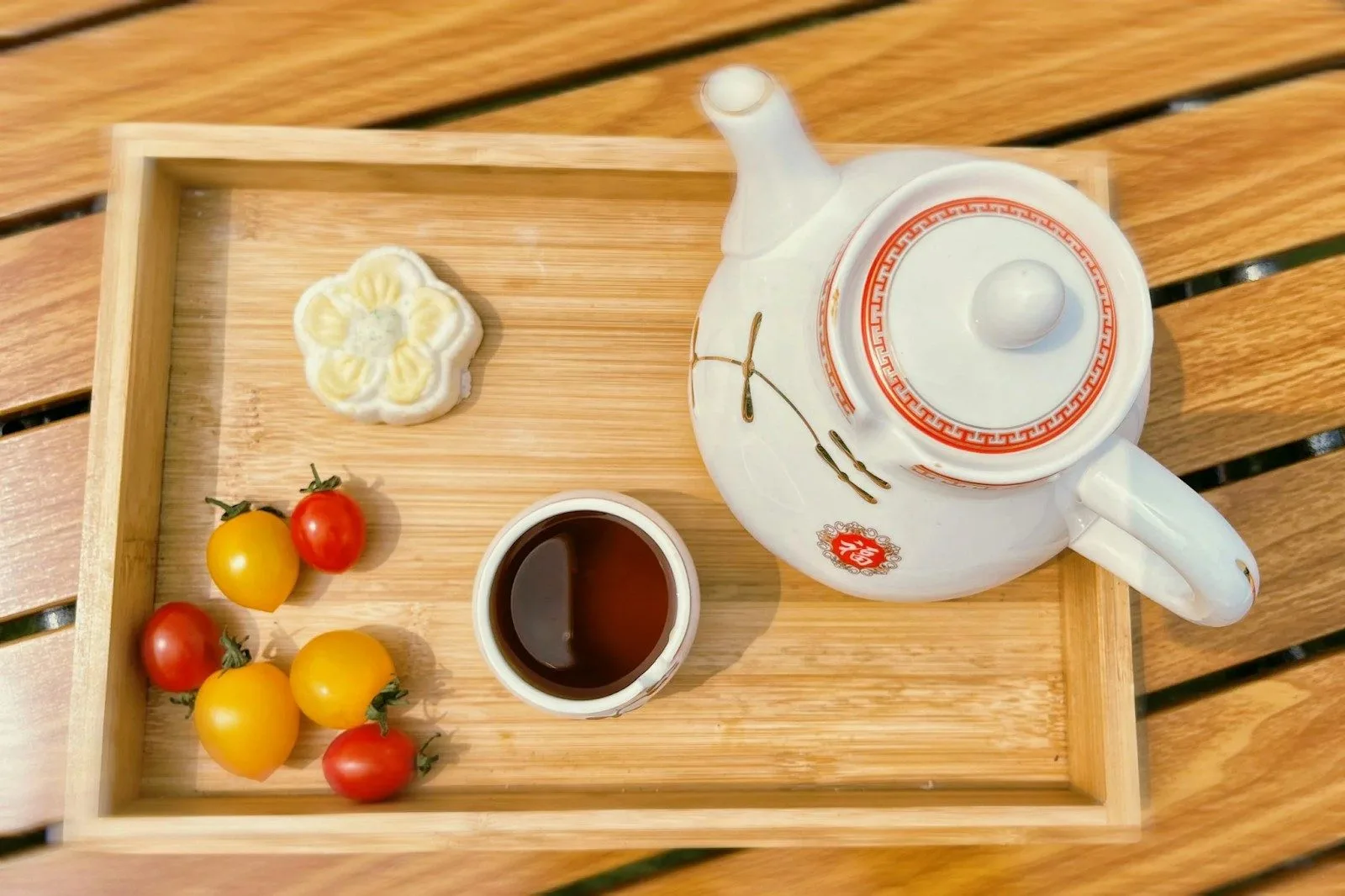
The method of preparation plays a significant role in determining the nutritional value of Chinese desserts.
Steaming is one of the healthiest techniques, as it minimizes oil usage while retaining moisture and flavor.
Glutinous rice dumplings (tangyuan) and steamed egg pudding are examples of nutritious treats prepared through this method.
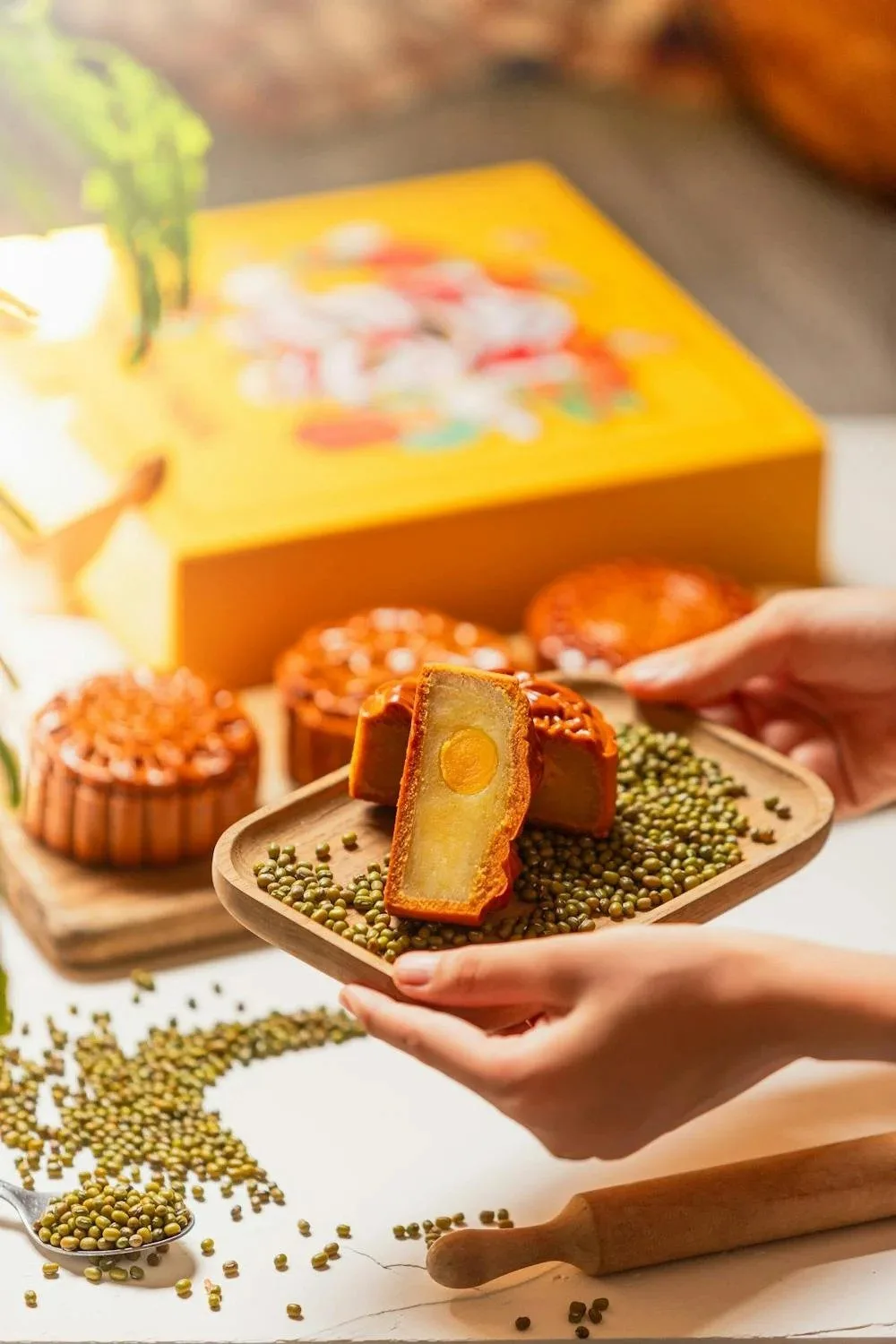
Baking is another alternative healthy dessert preparation technique that is gaining popularity.
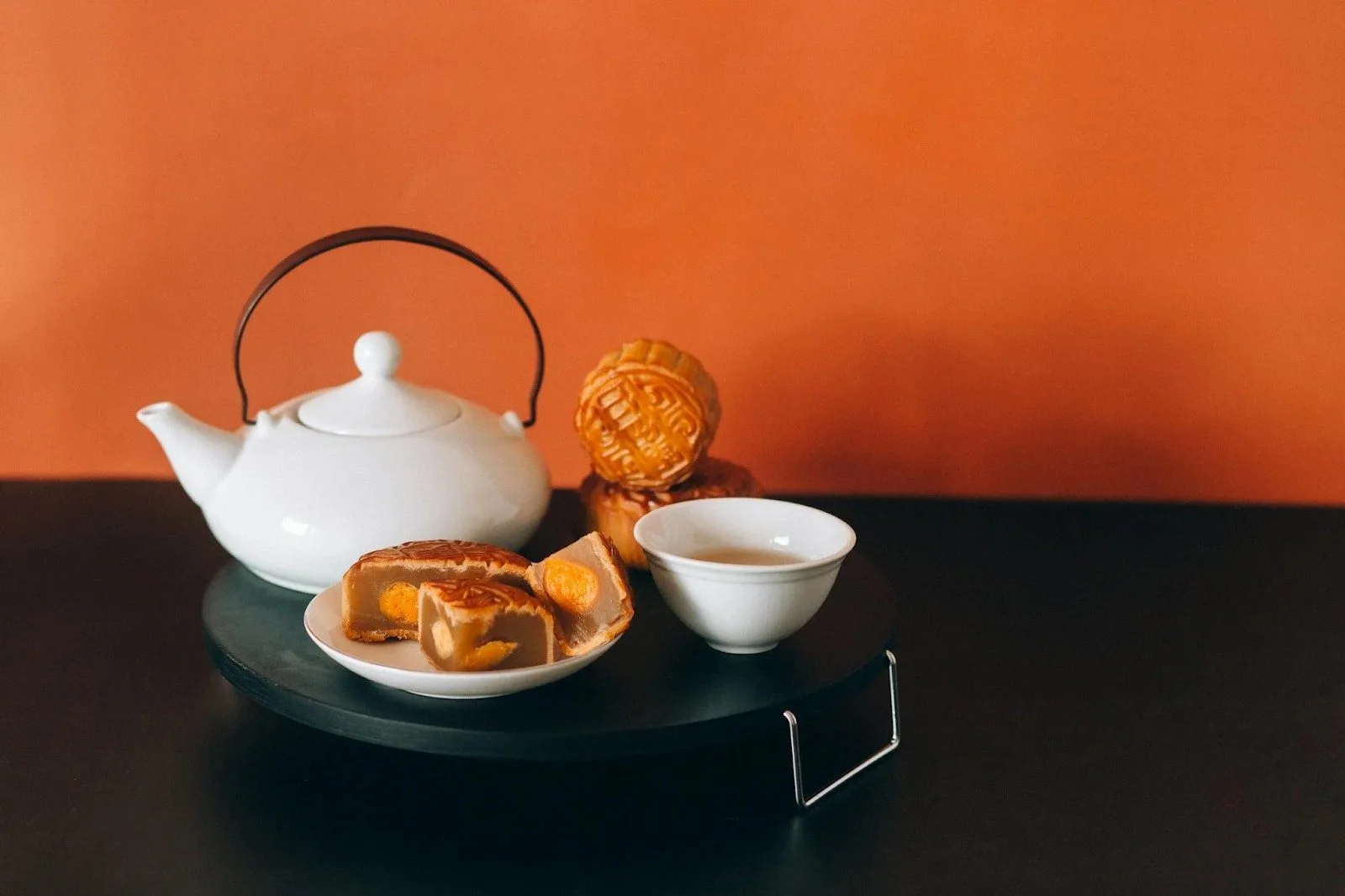
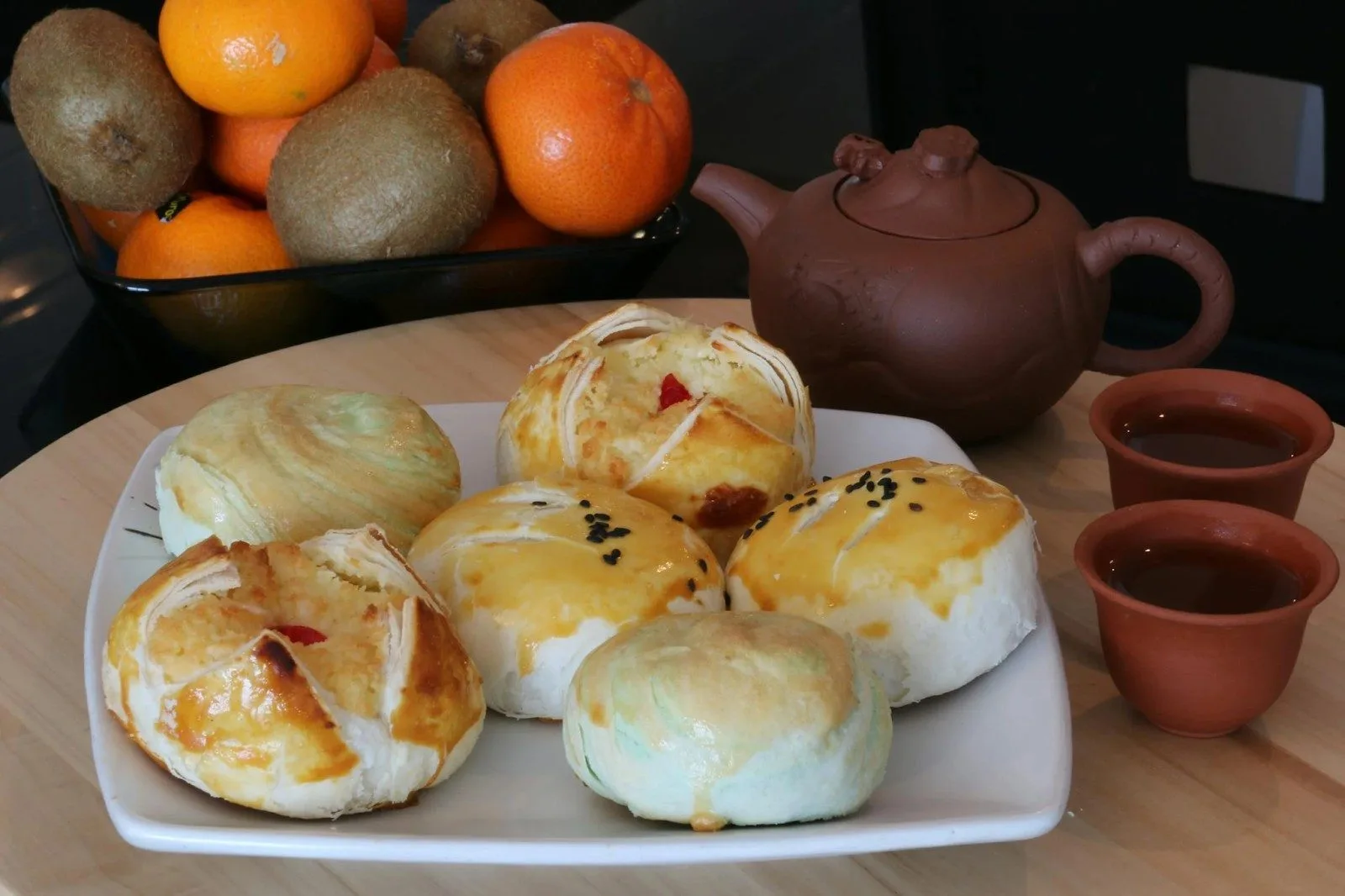
Pastries and mooncakes prepared using baking methods contain less fat compared to their deep-fried alternatives.
Substituting artificial additives with natural ingredients enhances both taste and nutritional profiles.
For those looking to explore authentic Chinese dessert options, businesses like Ah Chew Desserts provide a range of treats that emphasise traditional preparation methods and wholesome ingredients, ensuring a balance between flavor and nutrition.
How To Choose Healthy Chinese Desserts Without Overindulging
Source: Pexels
For individuals monitoring calorie intake, portion control remains key when enjoying any dessert.
Many Chinese desserts are naturally lower in calories than cream- or butter-heavy Western options.
Items like grass jelly and sago pudding provide lighter alternatives suitable for those seeking healthy Chinese desserts.
It’s worth noting that moderation is essential regardless of the dessert type.
Even nutrient-dense options should be consumed mindfully to avoid overindulgence.
Pairing smaller servings with activities like mindful eating ensures enjoyment without compromising dietary goals.
Exploring Natural Sweeteners In Traditional Chinese Desserts
 Source: Pexels
Natural sweeteners play a central role in creating healthier Chinese desserts.
Dates, for example, add sweetness and texture while supplying potassium and fiber.
Red bean paste, a popular filling for buns and pancakes, contains fewer refined sugars than processed jams or spreads.
Honey serves as another versatile ingredient.
Beyond its sweet taste, honey offers antibacterial properties and trace amounts of vitamins and minerals.
When combined with other wholesome components like oats or nuts, honey-based desserts become more than just treats.
They transform into functional foods that nourish the body.
Modern Adaptations Of Traditional Chinese Desserts For Health-Conscious Consumers
Source: Pexels
Chinese desserts carry deep cultural meaning, often tied to festivals or family gatherings.
Mooncakes symbolize unity during the Mid-Autumn Festival, while Tangyuan signifies harmony during the Lantern Festival.
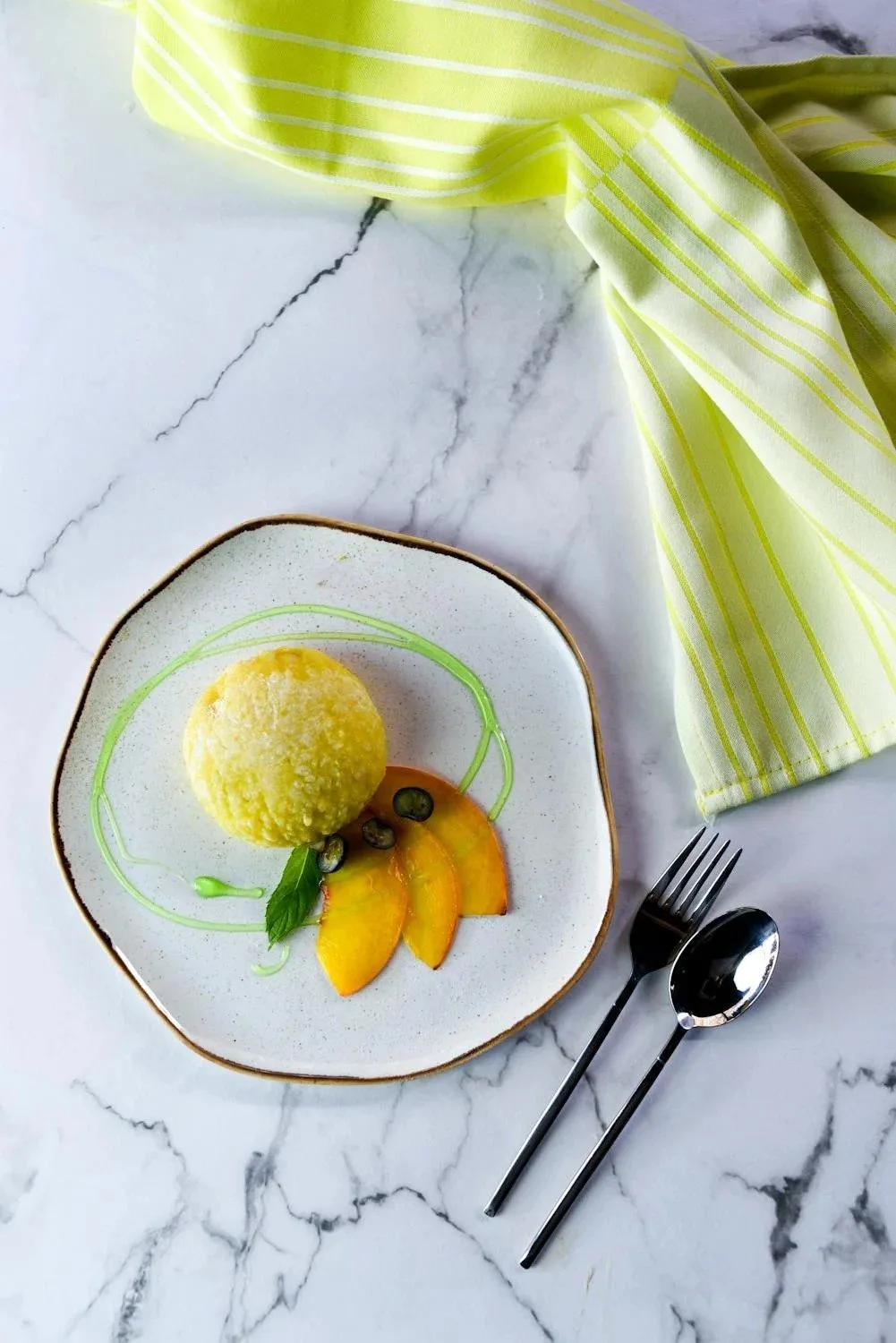
While these traditions remain cherished, modern adaptations cater to evolving dietary preferences.
Contemporary chefs experiment with plant-based ingredients, gluten-free flours, and reduced-sugar formulations to align with current health trends.
Such innovations ensure that classic recipes remain accessible to diverse audiences without sacrificing authenticity.
Practical Tips For Finding Healthy Chinese Desserts Near You
Source: Pexels
When selecting Chinese desserts, consider the following guidelines:
- Opt for items featuring whole grains, seeds, or legumes.
- Choose steamed or baked varieties over fried ones.
- Look for desserts incorporating natural sweeteners instead of refined sugar.
- Pay attention to portion sizes to manage calorie intake effectively.
These strategies enable you to enjoy flavorful treats while prioritizing your health.
If you live in Singapore, you’re in luck.
Ah Chew Desserts offers a range of traditional and modern Chinese sweets that align with these principles, making it easier to find options that are both delicious and nutritious.
By exploring their menu, you can discover desserts crafted with wholesome ingredients and thoughtful preparation methods, ensuring a satisfying yet health-conscious experience.
Related To Health Benefits Of Chinese Desserts:
Effective Tips To Stop Eating Junk Food And Start Living Healthier