


Imagine a warm, fluffy cloud that melts in your mouth, leaving behind a trail of sweetness and comfort.
This is what favourite baked goods can evoke, but have you ever wondered what secret ingredients make them truly irresistible?
Just as a master painter combines colours to create a masterpiece, a skilled baker blends ingredients to craft a culinary experience that tantalises the taste buds and leaves you craving for more.
The art of baking is a delicate balance of science and magic, where a pinch of this and a dash of that can elevate a simple recipe into a sublime delight.
As we delve into the world of baking, we discover that it’s not just the obvious ingredients like sugar, flour, and butter that make our favourite treats so addictive, but a handful of lesser-known elements that add depth, texture, and an unmistakable je ne sais quoi.
From the sweetness of vanilla to the richness of dark chocolate, these secret ingredients are the unsung heroes of the baking world.
Uncovering the Role of Vanilla Bean Paste in Enhancing Bakery Products’ Quality
The incorporation of vanilla bean paste in bakery products has been a long-standing practice, with its rich, creamy flavour and aromatic scent elevating the overall quality of various sweet treats.
Vanilla bean paste is made from high-quality vanilla beans, which are carefully selected, extracted, and blended to create a smooth and consistent paste.
The use of vanilla bean paste in baking offers a more intense and nuanced flavour profile compared to using vanilla extract alone.
As the demand for premium and artisanal bakery products continues to rise, the role of vanilla bean paste in enhancing the quality and appeal of these treats has become increasingly significant.
Here are some key insights:
- Vanilla bean paste can add depth and complexity to cakes, cookies, and pastries.
- High-quality vanilla beans are essential for producing a rich and creamy vanilla bean paste.
- The consistency and flavour of vanilla bean paste make it an ideal ingredient for professional bakers and home enthusiasts alike.
Exploring Almond Flour as a Viable Option for Gluten-Free Baking Recipes
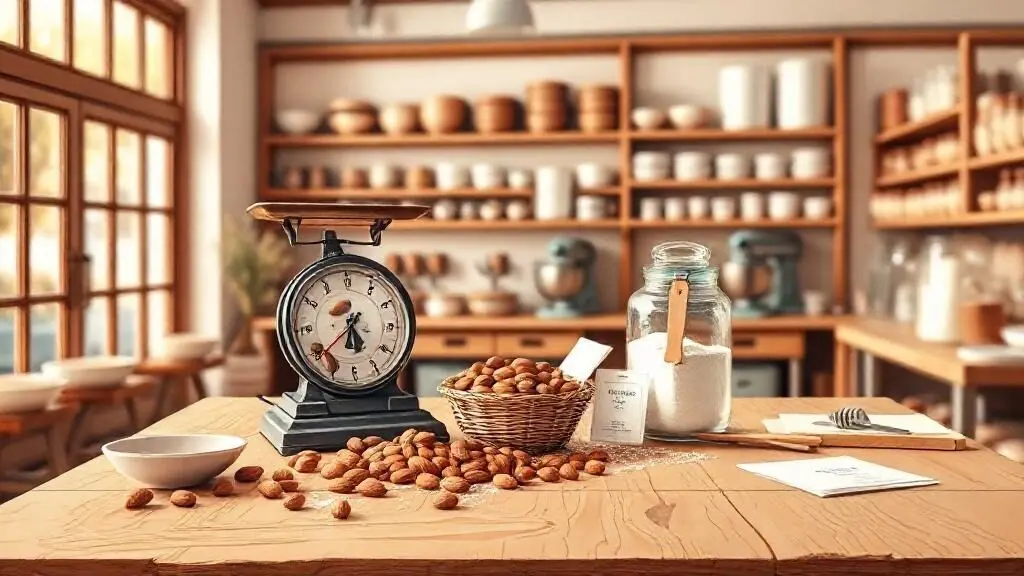
You’re standing in your kitchen, eager to whip up a delicious cake for a friend with gluten intolerance, but you’re unsure where to start.
Your conventional flour stash won’t cut it, and you’re on the hunt for a reliable substitute.
As you browse through recipes, almond flour catches your eye, promising a gluten-free alternative with a nutty twist.
As you delve into the world of gluten-free baking, it’s essential to understand that almond flour is a popular choice among bakers, offering a delicate flavour and tender texture.
However, it’s crucial to note that almond flour behaves differently from traditional flour, requiring adjustments in ratios and recipes.
With a little practice and patience, you’ll be able to craft mouthwatering treats that cater to various dietary needs.
Boosting Baked Goods with Greek Yoghurt Substitutions
In a small bakery in Singapore, the owner discovered that substituting sour cream with Greek yoghurt in their famous cheesecake recipe resulted in a moist and creamy texture that customers loved.
This simple swap not only reduced calories but also added a boost of protein to the dessert.
The bakery’s sales soared as health-conscious customers flocked to try the revamped cheesecake.
As word spread, the bakery owner began experimenting with Greek yoghurt in other recipes, replacing butter with it in muffins and cakes.
Greek yoghurt’s high water content and acidity make it an ideal substitute for sour cream or butter in baked goods, as it helps to keep them tender and fresh.
By using Greek yoghurt, bakers can reduce the overall fat content of their recipes while maintaining flavour and texture, making it a great option for those looking for a healthier alternative.
How Espresso Powder Can Intensify the Flavour of Chocolate in Baked Goods
The addition of espresso powder to chocolate-based baked goods is a game-changer, akin to adding a rich, velvety layer to a decadent cake, elevating the flavours to new heights.
As the espresso powder mingles with the cocoa, it’s like a match made in heaven, with the deep, dark notes of the espresso expertly balancing the sweetness of the chocolate, creating a harmonious union that’s greater than the sum of its parts.
The bitterness of the espresso powder also serves to balance out the sweetness, much like a master conductor leading an orchestra, resulting in a more complex and nuanced flavour profile that’s sure to delight the senses.
Furthermore, the espresso powder can enhance the aroma of the baked goods, releasing a fragrant bouquet that’s like a warm hug on a cold winter’s day, enticing everyone to take a bite.
The Unique Flavour Profile of Brown Butter and Its Applications in Baking
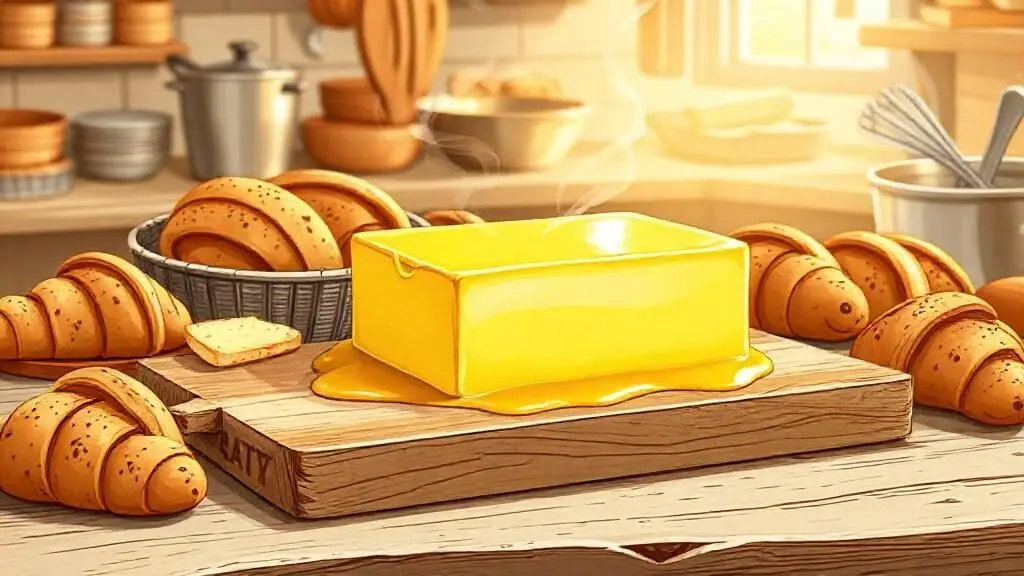
Brown butter, also known as beurre noisette, has a distinct nutty and caramel-like flavour profile that enhances the taste of various baked goods.
It is made by cooking butter to a point where the milk solids turn golden brown, giving it a rich and intense flavour.
This process of browning butter is a simple yet effective way to add depth to baked goods, such as cakes, cookies, and pastries.
By incorporating brown butter into recipes, bakers can create unique and delicious treats that stand out from those made with regular butter.
Adding Sophistication to Baked Goods with the Distinct Flavour of Cardamom
Infusing cardamom into baked goods can elevate their flavour profile significantly.
- Enhancing traditional recipes with cardamom’s unique taste and aroma
- Combining cardamom with other spices to create complex flavour profiles
- Incorporating cardamom into sweet treats like cakes and cookies
- Pairing cardamom with fruits like citrus or berries for a refreshing twist
- Experimenting with different types of cardamom, such as green or black, for varied flavours
With cardamom’s distinctive flavour, bakers can add a touch of sophistication to their creations, making them stand out from the ordinary.
Reducing Sugar Content with Coconut Sugar in Baking for Healthier Options
Consuming high amounts of sugar can lead to various health problems — so it’s time to rethink our baking habits.
A better alternative to traditional sugar is needed: in walks coconut sugar, a low-glycemic sweetener that has been gaining popularity.
Using coconut sugar in baking can significantly reduce the sugar content of your favourite treats, making them a healthier option for you and your family.
With its rich, caramel-like flavour, coconut sugar can add depth and complexity to a wide range of baked goods, from cakes and cookies to muffins and breads — all while providing a lower glycemic index than traditional sugar.
The Importance of Using Quality Ingredients Like Fresh Eggs and Unbleached Flour
Contrary to popular belief, using low-quality ingredients does not necessarily lead to cost savings in the long run, as the negative impact on health and taste can be significant.
Many assume that the difference between generic and premium ingredients is negligible, but this couldn’t be further from the truth.
In reality, the distinction is quite pronounced, with quality ingredients often resulting in better texture, flavour, and nutritional value.
For instance, baked goods made with fresh eggs and unbleached flour tend to have a richer taste and finer texture compared to those made with lower-grade alternatives.
This quote highlights the significance of prioritising quality ingredients in cooking and baking, a factor often overlooked in the pursuit of convenience and cost-effectiveness.
Optimising Baking Results through Precision Measurement and Secret Ingredient Combinations
To achieve exceptional baking results, it is essential to combine precision measurement techniques with the strategic selection of secret ingredient combinations, as this synergy enables bakers to refine their recipes and adapt to various palates and dietary preferences.
The incorporation of precision measurement tools, such as digital scales and thermometers, allows bakers to accurately quantify ingredients and monitor temperature variations, thereby minimising errors and ensuring consistency in their products.
Furthermore, the judicious selection of secret ingredients, including unique spices, herbs, and flavour enhancers, can elevate the complexity and depth of baked goods, setting them apart from more mundane creations.
By mastering the art of precision measurement and secret ingredient combinations, bakers can refine their craft and develop a distinctive style that resonates with their target audience.
As we peel back the layers of our favourite baked treats, we’re reminded that the true magic lies not just in the ingredients but in the way they come together to evoke emotions and create memories.
The secret to exceptional bakes lies in quality ingredients, and Hana Sweets exemplifies this perfectly. Their commitment to using premium ingredients in every creation, from Florentines to other baked treats, ensures a delicious and unforgettable experience for every customer.
As the aroma of freshly baked goods wafts through the air, it’s clear that the art of baking is a never-ending journey of discovery and delight.
Related to Sweets:
The Sweet History Behind Florentines: From Renaissance Tables To Modern Bakeries
Why Handcrafted Pastries Are Worth the Wait: The Art of Baking with Passion