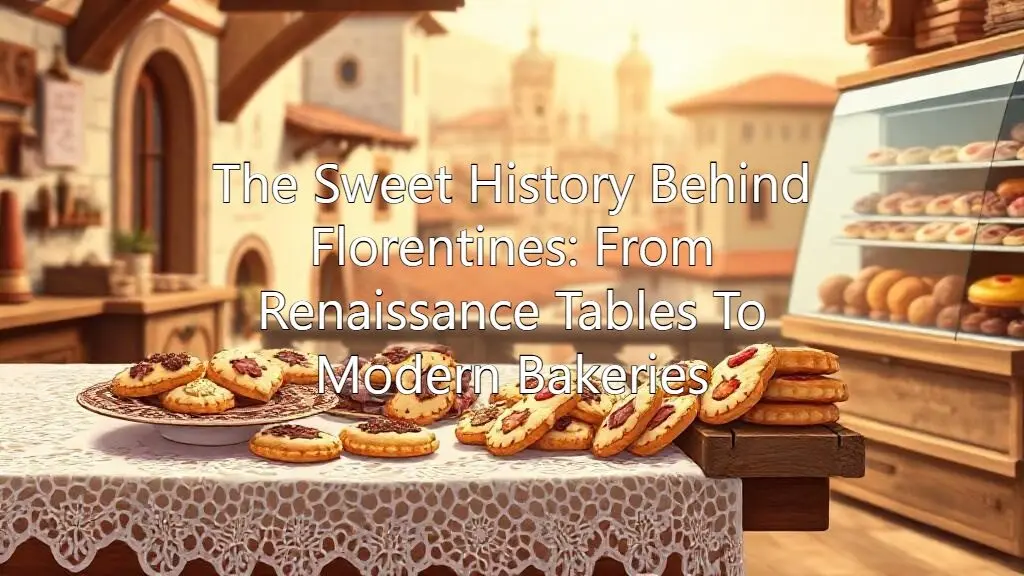

The layers of caramelised sugar, nuts, and dried fruit that adorn a Florentine create a masterpiece of flavour and texture, evoking the rich artistic heritage of the Renaissance.
With origins dating back to 16th-century Italy, the Florentine has traversed centuries and continents, adapting to the tastes and techniques of each era while retaining its essence.
Discovering the Renaissance Roots of Florentine Cookies in Tuscany, Italy
The Renaissance city of Florence, Italy, is renowned for its rich history, art, and cuisine, including the traditional Florentine cookies that have been a staple in Tuscan bakeries for centuries.
These delicate treats are typically made with ground almonds, sugar, and egg whites, and are often flavoured with citrus zest or other regional ingredients.
- The medieval spice trade played a significant role in shaping the flavours and ingredients used in traditional Florentine cookies.
- Regional ingredients such as almonds, honey, and citrus fruits are still used in many Tuscan cookie recipes today.
- The Renaissance tradition of decorative baking has influenced the intricate designs and patterns often found on Florentine cookies.
Exploring the Medici Family’s Influence on Traditional Florentine Desserts
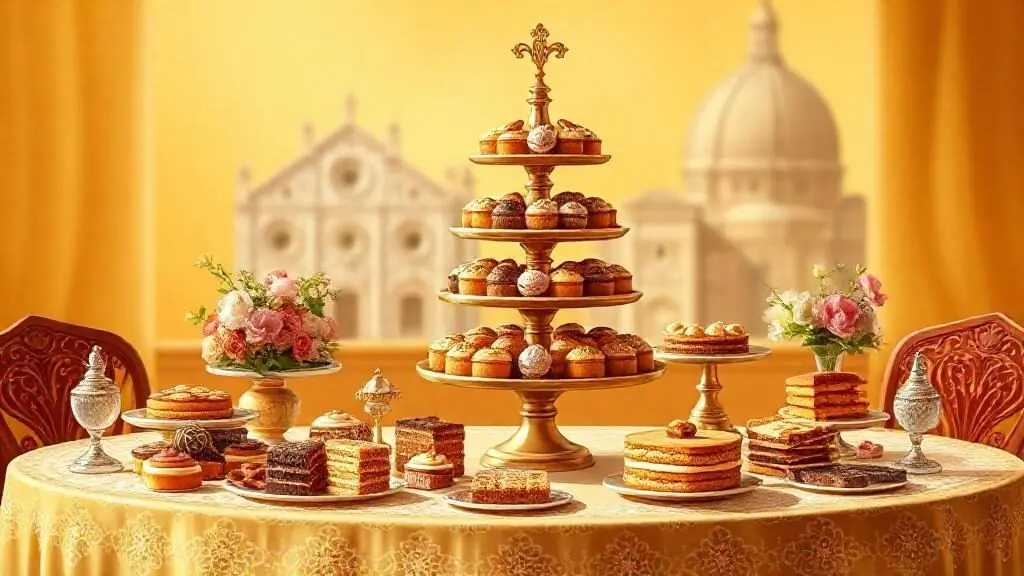
The Medici family’s legacy is palpable in every bite of traditional Florentine desserts, a testament to their enduring influence on the city’s culinary landscape.
Their love for opulent feasts and extravagant celebrations led to the creation of intricate and delicious desserts, which have been passed down through generations.
The family’s influence can be seen in the use of traditional ingredients, such as honey, almonds, and citrus fruits, which are still used in many Florentine desserts today.
Uncovering the Cultural Significance of Cantuccini and Vin Santo in Florence
Cantuccini, small almond biscuits dipped in Vin Santo, a sweet dessert wine, is a classic pairing that is often served at the end of a meal, providing a sweet conclusion to a delicious Italian feast.
The story of Cantuccini and Vin Santo is deeply rooted in Tuscan tradition, with the wine being produced in the region since the Middle Ages.
As the biscuits are dipped into the wine, the flavours and textures come together in perfect harmony, creating a truly unforgettable experience.
Tracing the Origins of Gelato and Schiacciata Fiorentina in Renaissance Florence
The origins of gelato can be traced back to the Medici family, who in the 16th century commissioned a chef to create a frozen dessert that would rival the popular sorbets of the time.
Schiacciata fiorentina, a traditional Florentine flatbread, has its roots in the peasant cuisine of the region, where it was often served as a simple yet satisfying snack, filled with ingredients like olive oil, salt, and rosemary.
Understanding the Difference Between Italian and French Florentine Cookie Recipes
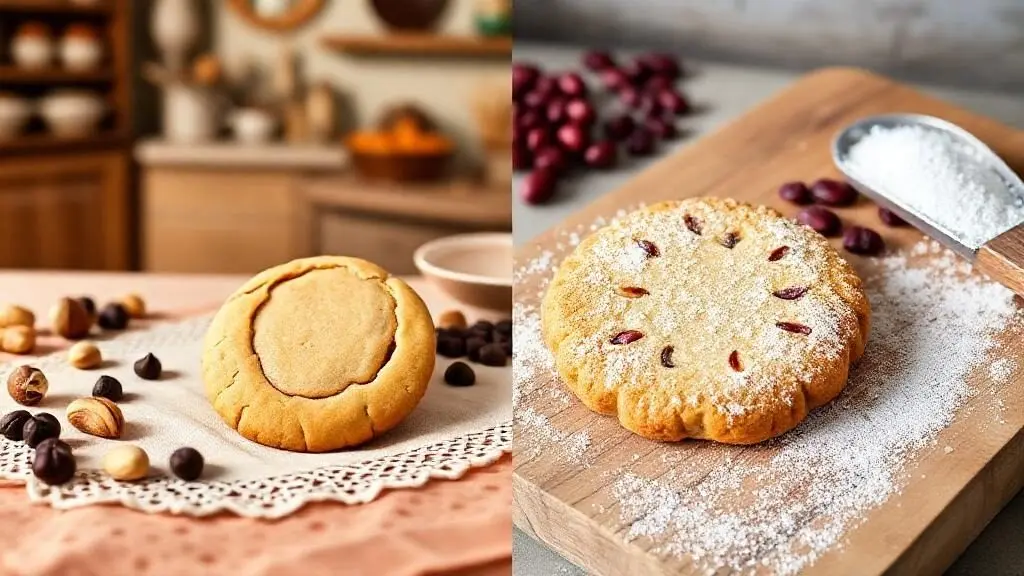
The main distinction between Italian and French Florentine cookie recipes lies in the ingredients and preparation methods used.
Italian Florentine cookies typically consist of ground almonds, hazelnuts, or pistachios, which provide a crunchy texture and nutty flavour.
Learning About the Traditional Ingredients and Preparation of Classic Florentines
Classic Florentines require precise preparation, featuring candied fruits and nuts, and combining honey and sugar to create a caramelised glaze.
Incorporating dark chocolate for a velvety smooth finish and requiring patience to achieve the perfect balance of crunch and chew are also key elements in making classic Florentines.
Mastering the Art of Tempering Chocolate for Dipping Florentine Cookies
Tempering chocolate is a delicate process that requires patience, as the reward is well worth the effort, with perfectly tempered chocolate adding a professional finish to dipped Florentine cookies.
Adapting Mary Berry’s Florentines Recipe for American Bakers and Ingredients
Traditional British recipes like Mary Berry’s Florentines can be easily adapted for American bakers without sacrificing their iconic flavour by substituting ingredients and tweaking the recipe.
Creating Modern Variations of Florentine Cookies with Dried Fruits and Nuts
Incorporating dried fruits and nuts into Florentine cookies has become a popular trend, allowing for the creation of unique flavour profiles and textures that cater to diverse tastes and dietary preferences.
The addition of dried cranberries, cherries, or apricots can introduce a sweet and tangy element, while nuts like almonds, hazelnuts, or pistachios can provide a satisfying crunch.
As we savour the delicate, lace-like layers of a freshly baked Florentine, it’s hard not to be transported back to the grand courts of Renaissance Italy, where these sweet treats were first born.
The passage of time has only refined the art of crafting these delicate cookies, with modern bakeries continuing to innovate and push the boundaries of this beloved tradition.
As we look to the future, it’s exciting to think about the new flavours and techniques that will be infused into this timeless classic, ensuring that the sweet history of Florentines remains a vibrant and evolving narrative.
For a sweet treat that’s hard to resist, order freshly made Florentines from Hana Florentines
Related To Florentines:
Why Handcrafted Pastries Are Worth the Wait: The Art of Baking with Passion
The Secret Ingredients That Make Your Favorite Bakes Irresistible