
You’ve probably heard it before—a smooth, sultry saxophone solo that seems to wrap itself around your soul.
Or maybe you’ve felt the electrifying energy of a fiery jazz improvisation that makes your heart race.
There’s something magical about the saxophone, an instrument that feels like it was made to breathe life into music.
But have you ever stopped to wonder how this relatively young instrument became so inseparable from jazz?
The saxophone’s journey is a fascinating one.
Full of innovation, rebellion, and cultural resonance, it’s not just an instrument; it’s a symbol of freedom, creativity, and raw emotion.
Let’s dive into its history, explore why it became synonymous with jazz, and uncover what makes it so special.
What Exactly Is The Saxophone And Where Did It Come From?
Source: Pexels
Picture this: it’s the early 1840s, and orchestras are missing something.
They need an instrument that can blend the agility of woodwinds with the bold projection of brass.
Enter Adolphe Sax, a Belgian inventor with a vision.
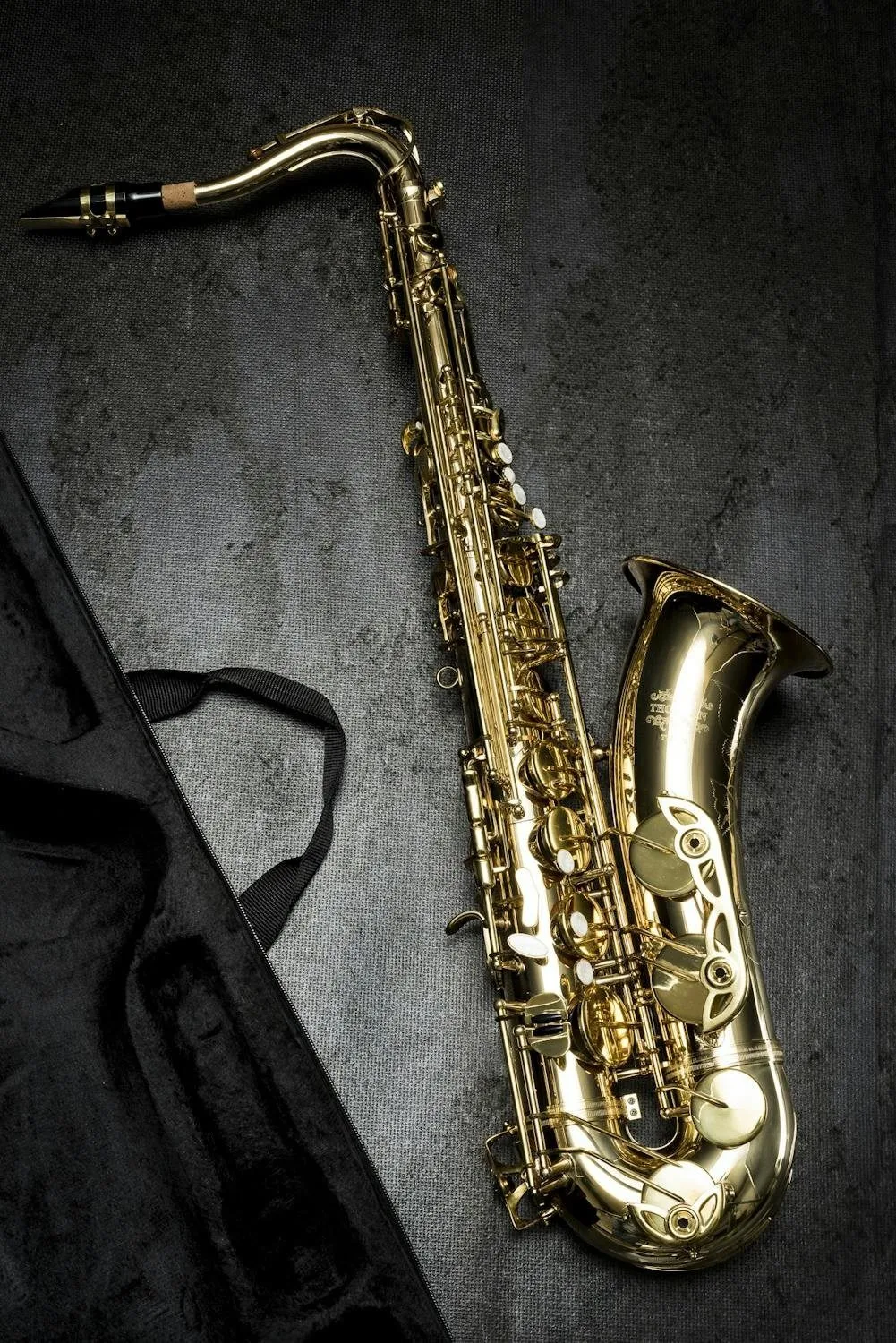
He created the saxophone, a sleek, curvaceous horn designed to fill the sonic gaps in ensembles.
At first, the saxophone found fans among classical composers like Hector Berlioz, who praised its “incomparable beauty of tone.”
But despite its promising start, it struggled to find a permanent home in classical music.
Instead, fate had other plans for the saxophone.
Across the ocean, in the vibrant melting pot of New Orleans, a new genre was brewing.
One that would embrace the saxophone’s expressive potential and make it a star.
How Did The Saxophone Become Synonymous With Jazz?

Source: Pexels
Jazz didn’t just adopt the saxophone—it transformed it.
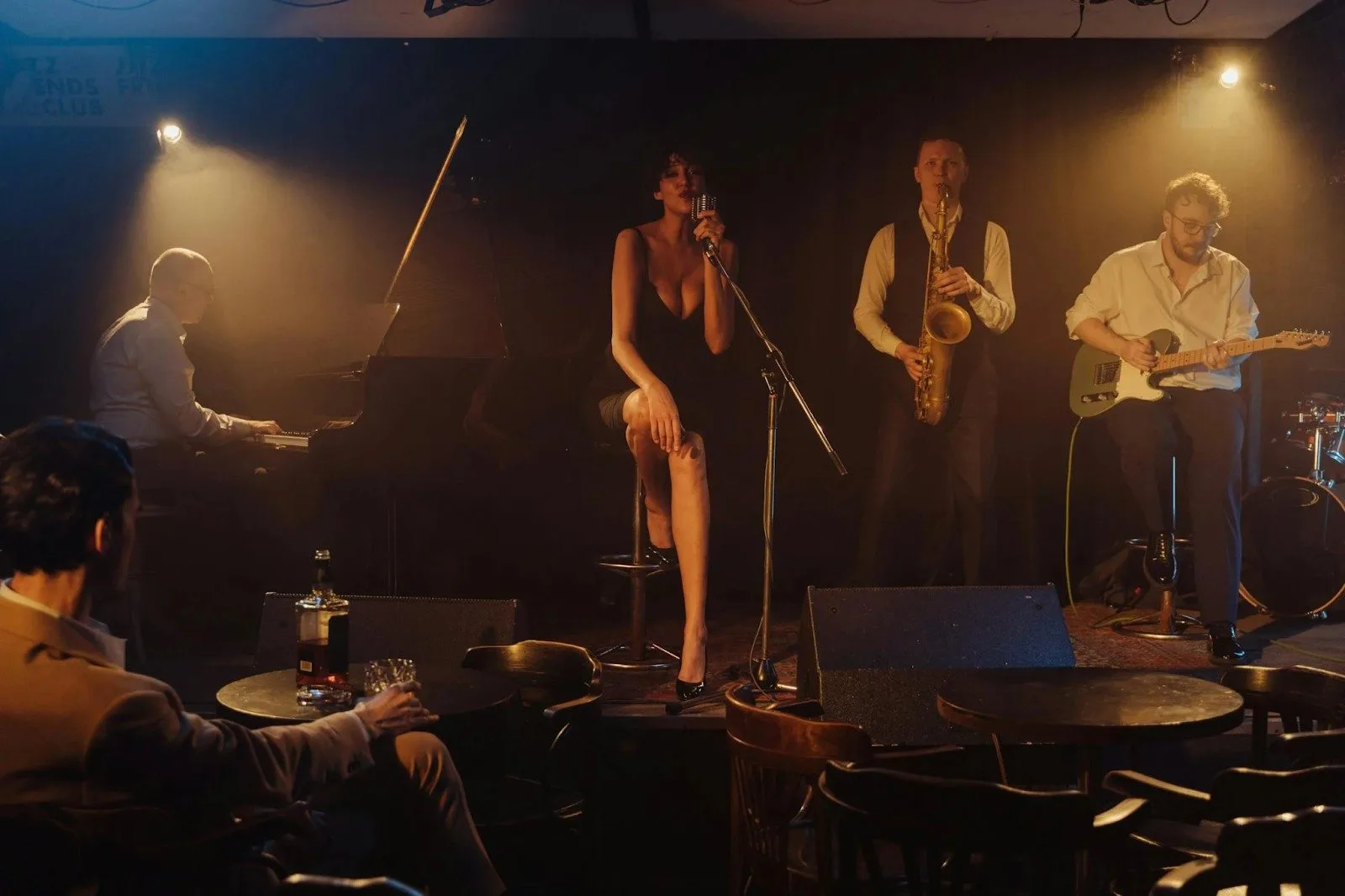
As jazz began to take shape in the early 20th century, musicians discovered the saxophone’s uncanny ability to mimic the human voice.
Its capacity for bending notes, creating vibrato, and conveying raw emotion made it a perfect match for the improvisational spirit of jazz.
Pioneering saxophonists like Sidney Bechet and Coleman Hawkins played a huge role in forging this connection.
Bechet, with his soprano saxophone, brought a lyrical, bluesy quality that resonated deeply with audiences.
Meanwhile, Hawkins, armed with the tenor saxophone, introduced harmonic complexity and a robust sound that paved the way for future generations.
By the 1930s, the saxophone wasn’t just part of jazz; it was jazz.
Why Do Jazz Musicians Love The Saxophone So Much?
Expressive Versatility Makes It Perfect For Improvisation
Source: Pexels
One of the saxophone’s greatest strengths is its unparalleled expressiveness.
Unlike many instruments, it allows players to manipulate pitch, tone, and dynamics with remarkable precision.
This flexibility makes it the ultimate tool for improvisation, a cornerstone of jazz.
Think about it: when John Coltrane played “My Favorite Things,” he wasn’t just performing.
He was telling a story.
The saxophone became his voice, weaving intricate narratives that spoke directly to the listener’s soul.
Whether it’s wailing high notes on a soprano saxophone or growling low tones on a baritone, each member of the saxophone family offers a unique palette of sounds capable of evoking joy, sorrow, excitement, or introspection.
Its Role In Shaping Jazz Subgenres
Source: Pexels
The saxophone hasn’t just shaped individual performances; it has left an indelible mark on entire subgenres of jazz.
During the swing era of the 1930s and 1940s, big band leaders like Duke Ellington and Benny Goodman used saxophones to create lush harmonies and driving rhythms that got people dancing.
Fast forward to the bebop movement of the 1940s, and you’ll find Charlie Parker redefining what the saxophone could do.
His lightning-fast runs and complex harmonies pushed the boundaries of technical virtuosity, inspiring countless musicians to follow in his footsteps.
Later, during the cool jazz and modal jazz movements, artists like Lester Young and Stan Getz explored softer textures and moods, proving that the saxophone could whisper as powerfully as it could shout.
Cultural Resonance And Iconic Performances
The saxophone’s appeal goes beyond technique.
It carries a certain mystique that resonates deeply with both musicians and listeners.
Its association with rebellion, freedom, and emotional depth aligns perfectly with the ethos of jazz.
Who can forget the haunting beauty of John Coltrane’s “Giant Steps” or the laid-back charm of Stan Getz’s rendition of “The Girl from Ipanema”?
These performances didn’t just showcase skill; they immortalised the saxophone as a symbol of artistic excellence and creativity.
Unintended Challenges Faced By The Saxophone In Jazz
Source: Pexels
Despite its meteoric rise, the saxophone faced its fair share of challenges.
Early critics dismissed it as too brash or unconventional for serious music, while some classical composers remained hesitant to include it in their works.
Even worse, the saxophone’s close ties to jazz, a genre once stigmatised as lowbrow entertainment, meant it often faced resistance in more traditional musical circles.
Yet, these obstacles only strengthened the bond between the saxophone and jazz.
As jazz evolved from underground bars to prestigious concert halls, so too did the saxophone gain recognition as a legitimate and indispensable instrument.
Today, no one questions its place in the pantheon of great musical tools.
It’s simply accepted as one of the most iconic instruments of all time.
Striking The Perfect Balance Between Tradition And Innovation

Source: Pexels
What keeps the saxophone relevant in today’s ever-changing musical landscape?
The answer lies in its ability to balance tradition and innovation.
While it pays homage to the roots of jazz through classic techniques and styles, it also embraces experimentation and modern influences.
Contemporary saxophonists like Kamasi Washington and Chris Potter are pushing the boundaries of what the instrument can do, blending jazz with elements of hip-hop, electronic music, and world music.
This duality ensures that the saxophone remains a timeless instrument.
Whether it’s played in a smoky jazz club, a state-of-the-art recording studio, or even a live-streamed virtual performance, the saxophone continues to captivate audiences with its timeless allure.
Related To Saxophone And Jazz:
Falling Down the Musical Rabbit Hole: A How-to Guide to Discovering Tunes
How Strings, Winds, And Percussion Shape The Sound Of A Chinese Orchestra