


You have probably heard about Honey, the browser extension claiming to save you money when you go to checkout by filling in coupon codes. 💸
Too good to be true, right? (yes it is)
But while millions installed Honey, thinking they got free savings, there’s a catch:
Not only is Honey not saving money, but it is also stealing affiliate commissions out of your favourite influencers’ pockets.
Now, let’s dive deep into how this fraud works and why you should probably think twice before using it. 👀
Falling For The Honey Trap
You probably saw one of those influencers promoting Honey, saying it’s like printing free money while shopping online.
Who doesn’t love saving that extra buck or two? 🤑
The idea is pretty simple: add the Honey extension, and it magically applies discount codes at checkout.
Save some time, and get the best deal that’s not to like. ⏱️
Soon, their users are hooked onto the free extension product, that makes every buy online the best deal.
Does it sound too good to be true? 🍯
The Hidden Truth Behind Honey: A Scam in Plain Sight

Source: Pexels
While it has been one of the favourite and most reliable tools for online shoppers, there is also a not-so-savvy element to Honey. 💻
You see, the extension doesn’t just apply discounts; it steals affiliate commissions that rightly belong to content creators who refer you to the product you are buying.
For example, influencers can use affiliate links whereby, for every sale that results from the link, they get a commission while promoting a product. 🛍️
This is a legitimate business practice that content creators use to earn money from their recommendations.
But once you click “Apply Discounts,” Honey claims the commission for the sale.
And the worst part is that the consumer is completely unaware that this is happening.
The Cookie Swap: How Honey Steals Affiliate Earnings

Source: Pexels
How does Honey execute this operation so efficiently?
Affiliate links work by placing a cookie in your browser when you click them. 🍪
This cookie tracks the sale and ensures that the influencer gets credit for referring you, typically lasting for 30 days.
But when you install Honey, it secretly removes the influencer’s tracking cookie and replaces it with its own.
In other words, even though the influencer referred you, Honey now claims the sale. 👤
When you complete the purchase, the commission originally meant for the influencer goes to Honey, and none the wiser.
The Sneaky Tab: The Trick Behind Honey’s Fraud

Source: Pexels
To make this process even more covert, Honey uses a technique known as “The Sneaky Tab.”
When you click “Apply Discounts,” Honey opens a hidden browser tab that simulates a referral click from Honey itself. 😦
Even though you’re already on the site and at checkout, this tab places Honey’s tracking cookie and replaces the influencer’s original cookie.
Once the new tab finishes loading, it closes automatically, being completely conspicuous.
Honey’s discounts don’t always work, but you’re convinced it’s found you the best deal, unaware that the commission has been stolen. (so now you know 🤯)
If there isn’t a discount to be applied, Honey still steals that last click by simply asking you to dismiss a notification that there are no vouchers.
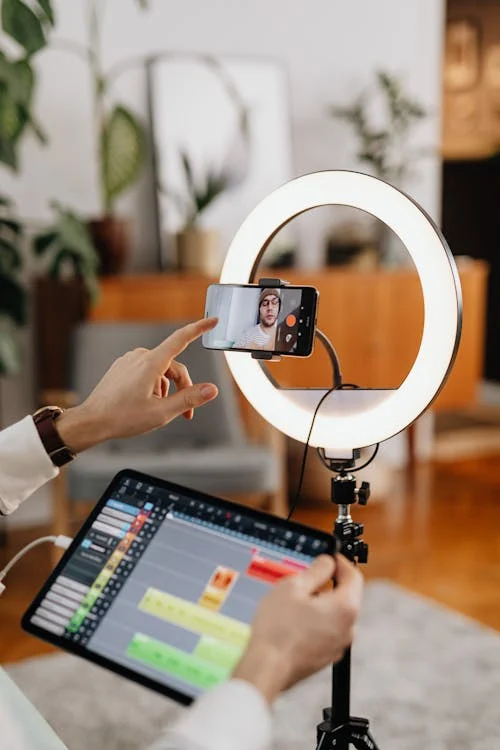
The Impact On Content Creators And Influencers
Source: Pexels
To make matters worse, PayPal owns Honey. 🍯
This indicates that PayPal’s involvement supports a practice that some might view as ethically questionable and potentially misleading.
Suppose you are in a department store to buy a television and the salesperson has just given you his referral card to get a discount.
But when you reach the checkout counter, another salesperson steps in, snatches your referral card, looks for coupons and offers you a deal. 🧑💼
The original salesperson doesn’t get credit for their work; instead, the second salesperson steals the commission.
This is what Honey is doing with its browser extension.
Honey Doesn’t Always Give You the Best Deals
Source: Pexels
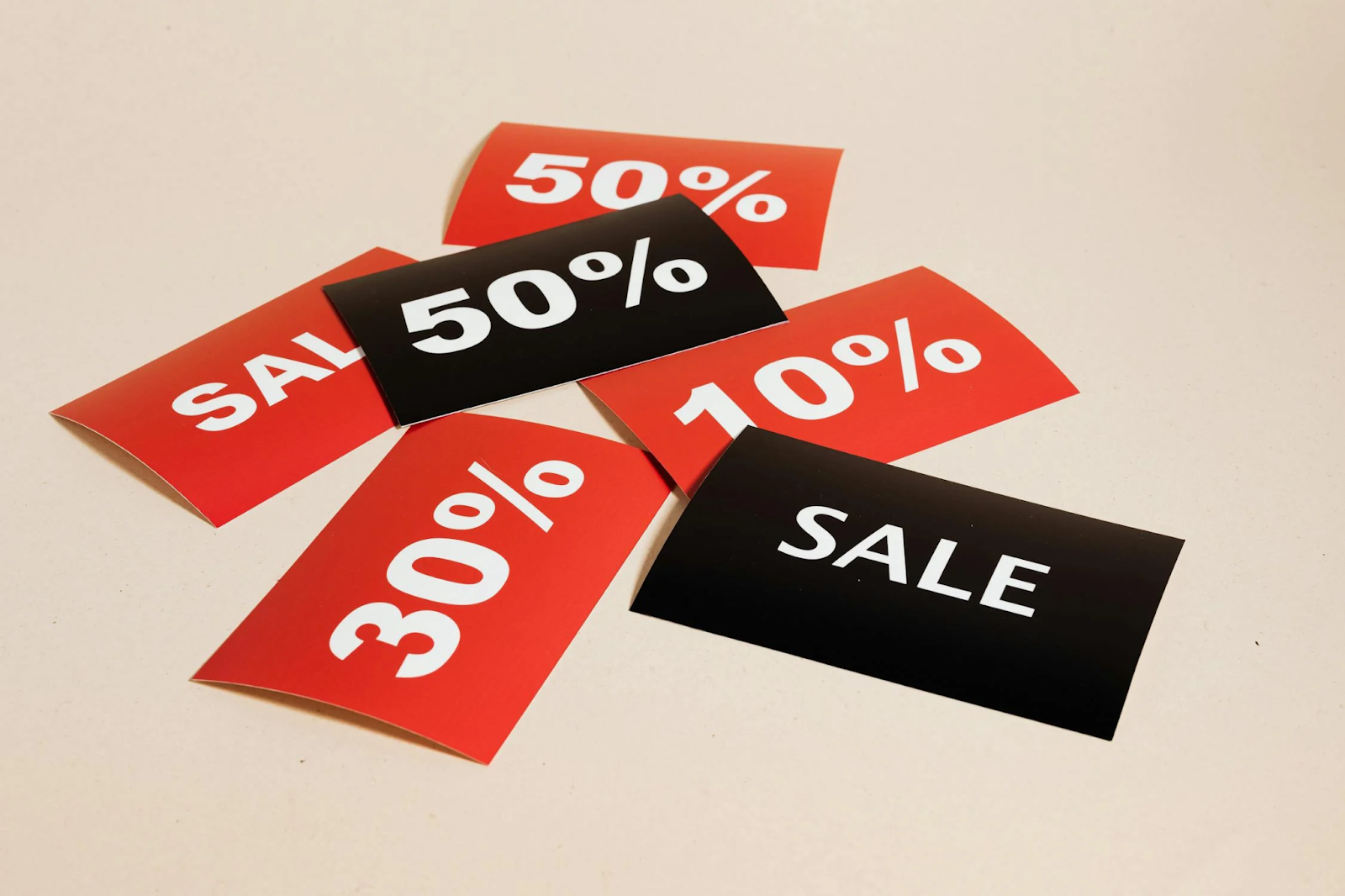
Honey claims to find the best coupon codes, but the reality is more complicated.
Partnering businesses can control which discounts Honey applies, prioritising smaller savings over higher-value codes. 💸
For example, if a 20% off coupon exists but the business only approves a 5% discount, Honey will show the smaller deal to maintain the partnership.
This arrangement benefits businesses and Honey by ensuring higher profits while misleading consumers into believing they’re getting the best deal.
Instead of prioritising shoppers, Honey focuses on its business interests, undermining its promise of finding every working coupon online. 🛜
Is It Time To Ditch Honey?
Honey is a browser extension that seems harmless, if not helpful, in trying to save money, but the truth is much darker. 👤
By stealing affiliate commissions from content creators and claiming credit for sales they don’t drive, Honey uses a misleading and unethical business model.
Even the promise of finding the best discounts is false, as Honey controls which vouchers to provide and which not to.
Using Honey is a lose-lose situation, for both affiliate marketers and consumers.☹️
The only winner? Honey.
Understanding the hidden costs of using Honey will be important in making informed decisions about where to shop and how to save. 🛍️
Related to Honey:
Is The Shopee Review System Broken?
CallApp: Leap Into A Scam-Free Future By Identifying & Blocking Scam Calls