


Pandas, the adorable black-and-white bears with their fluffy round features, have captured the hearts of millions.
From YouTube videos to countless social media posts, these gentle giants never fail to bring smiles.
Their harmless appearance and cloud-like demeanor are simply irresistible.
However, there’s an interesting fact that many may not know: Nearly all the giant pandas in the world are in fact owned by China!
China owns the vast majority of these beloved creatures, with pandas being loaned out to zoos and countries worldwide through a fascinating practice known as panda diplomacy.
This unique arrangement not only strengthens international ties but also plays a crucial role in wildlife conservation efforts, all while allowing the world to enjoy the charm of these iconic animals.
What Exactly Is China’s Panda Diplomacy?
Panda diplomacy is China’s long-standing practice of gifting or loaning giant pandas to other nations as a symbol of friendship and diplomatic goodwill.
While this tradition dates back to the Tang Dynasty (618–907 CE), it became a prominent geopolitical strategy in the 20th and 21st centuries.
In 1972, as part of a diplomatic gesture during President Richard Nixon’s visit to China, China gifted two pandas, Ling-Ling and Hsing-Hsing, to the National Zoo in Washington, D.C.
This gesture marked a turning point in China’s use of pandas as symbols of goodwill.
From that moment, panda diplomacy blossomed into a powerful tool for fostering international relationships.
How Does The Panda Lease System Work?
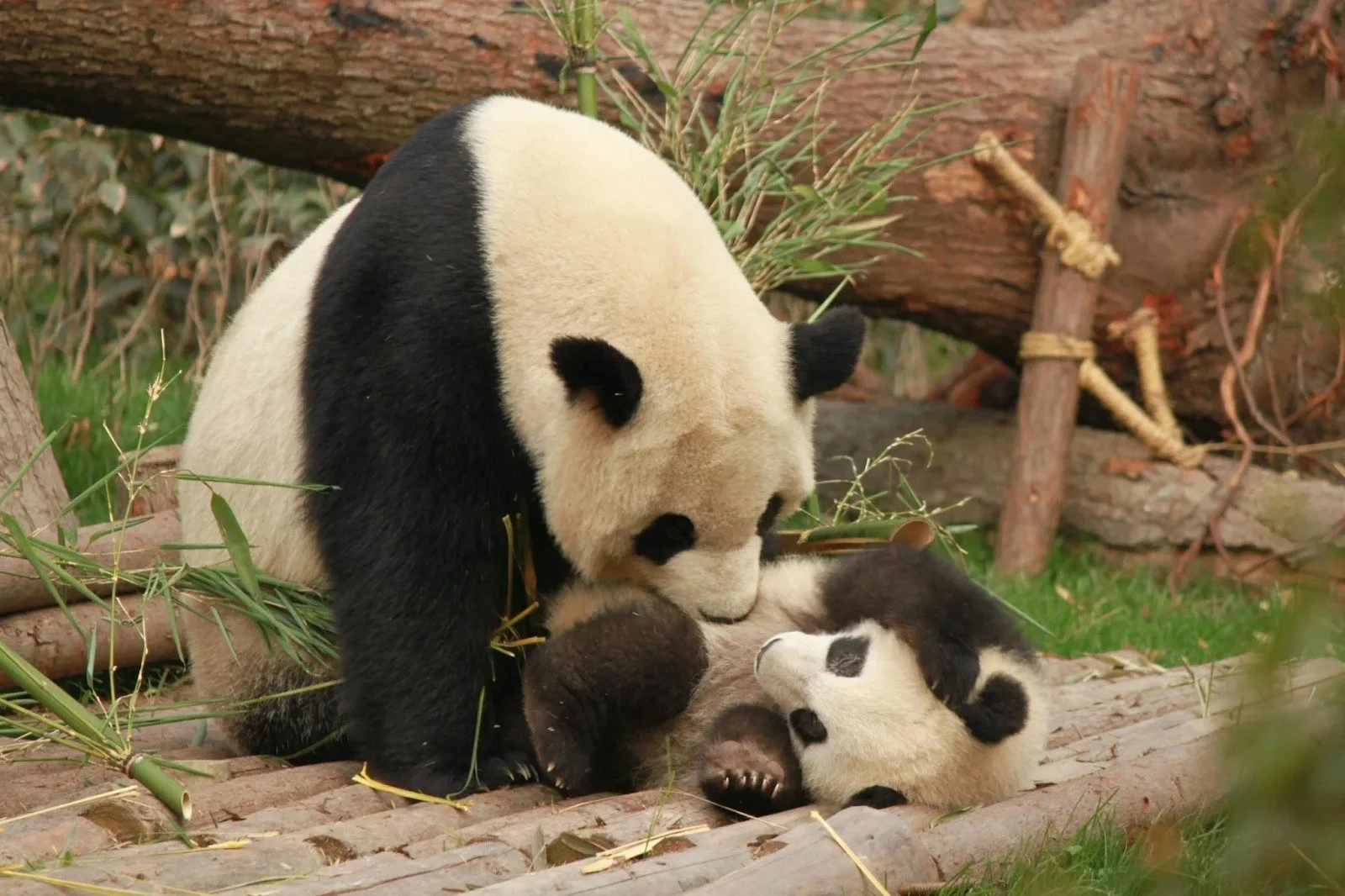
Source: Pexels
Today, most pandas are leased to foreign zoos at an annual cost of about $1 million per pair, with the funds being reinvested into panda conservation efforts in China.
This leasing system creates a mutually beneficial situation for both China and the host countries.
China receives vital funding to support conservation programs, while the host country gains the prestige of hosting such iconic animals, which generates significant public interest.
In addition to the financial arrangement, host countries are often required to collaborate with China on important research, conservation, and breeding initiatives, further strengthening the cooperative nature of panda diplomacy.
These exchanges have contributed to successful breeding programs, such as the one at the Chengdu Research Base of Giant Panda Breeding, which has helped increase the number of pandas in both captivity and the wild, supporting global conservation efforts.
Panda Diplomacy As A Catalyst For Stronger International Partnerships
Panda diplomacy has evolved into a powerful tool for building and reinforcing international relationships, often coinciding with major trade deals and diplomatic negotiations.
More recently, panda loan deals have been closely linked to lucrative trade agreements, a strategy deeply rooted in the Chinese concept of “guanxi”, a system of building relationships based on trust, loyalty, and reciprocity.
Malaysia
Following the disappearance of Malaysian Airlines Flight 370 in 2014, tensions were high as both countries navigated the aftermath.
In an effort to ease these tensions and rebuild trust, China sent two giant pandas Feng Yi and Fu Wa to Malaysia later that same year.
This gesture of goodwill was seen as a diplomatic move to foster a more positive relationship between the two nations, offering a symbol of cooperation and friendship during a difficult time.
The arrival of the pandas helped to smooth over diplomatic friction, demonstrating the power of soft diplomacy in restoring ties.
San Diego Zoo
San Diego Zoo’s recent panda loan of Yun Chuan and Xin Bao highlights the ongoing strength of panda diplomacy in fostering international cooperation.
Arriving in 2021 as part of a 10-year agreement, the pandas will support conservation breeding efforts in China.
This exchange builds on a history of collaboration between the US and China, with previous pandas born at the zoo contributing to significant research.
Greg Vicino, vice president of wildlife care at the zoo, emphasizes that true conservation success lies in building relationships, not just saving species.
Through continued cooperation, both countries strengthen their shared commitment to panda conservation.
Role Of Giant Pandas In Driving China’s Economic Growth

Source: Pexels
Panda diplomacy is not only a tool of soft power, it also brings significant economic rewards to China.
Each year, the country earns millions from breeding and leasing its iconic pandas to zoos around the globe.
These revenues help fund China’s extensive conservation efforts, ensuring the future of this beloved species.
But the economic impact doesn’t stop there. The presence of pandas in China has transformed the nation into a major tourism hotspot.
Millions of visitors travel to see these adorable creatures, boosting local economies through ticket sales, souvenirs, and the hospitality industry.
The ripple effect of panda diplomacy is undeniable, creating a thriving ecosystem of tourism, international collaboration, and wildlife conservation, all while helping China continue its path of growth and global influence.
Related To Pandas:
Why Don’t Airlines Have Parachutes for Passengers? The Shocking Truth Behind In-Flight Safety
The Ultimate Car Rental Guide From Singapore To Malaysia Without Hassle