


You know that moment—you catch a whiff of something not so great and suddenly realise… it’s coming from you.
Cue the awkward sniff check and the subtle attempt to keep your arms down for the rest of the day.
Yeah, we’ve all been there.
Body odour is normal, but that doesn’t make it any less annoying.
Sometimes it sneaks up after a workout, on a hot day, or even without any obvious reason.
Have you ever wondered why some people seem to stay fresh effortlessly while others struggle to keep the funk away? Or why does your sweat smell different depending on the situation?
Well, let’s break it down.
Why Does Body Odour Happen?
Contrary to popular belief, sweat itself doesn’t smell.
The odour comes when sweat interacts with bacteria on your skin.
Your body has two types of sweat glands.
The eccrine glands, which are found all over your body, produce mostly water and salt to help regulate body temperature.
On the other hand, the apocrine glands, found in areas like the armpits and groin, release a thicker sweat containing proteins and fats. When bacteria break down this sweat, it creates that unmistakable body odour.
Hormones, genetics, and diet also play a role in how your body produces and processes sweat, meaning some people naturally smell stronger than others.
What Causes The Stink?

Source: Pexels
There are several reasons why someone might develop a strong body odour.
Excessive sweating, a condition known as hyperhidrosis, can make a person more prone to odour, as more sweat means more bacteria interacting with it.
Stress can also contribute since anxiety-induced sweat contains more proteins, which bacteria love to feast on.
Hormonal changes, like those experienced during puberty, pregnancy, or menopause, can alter body chemistry and affect odour.
Poor hygiene plays a role too. Infrequent showers or wearing the same clothes for too long allows bacteria to thrive, leading to a stronger scent.
The Unexpected Causes Of Body Odour That You Might Not Know
Source: Pexels
Believe it or not, what you eat and wear also plays a huge role in how you smell.
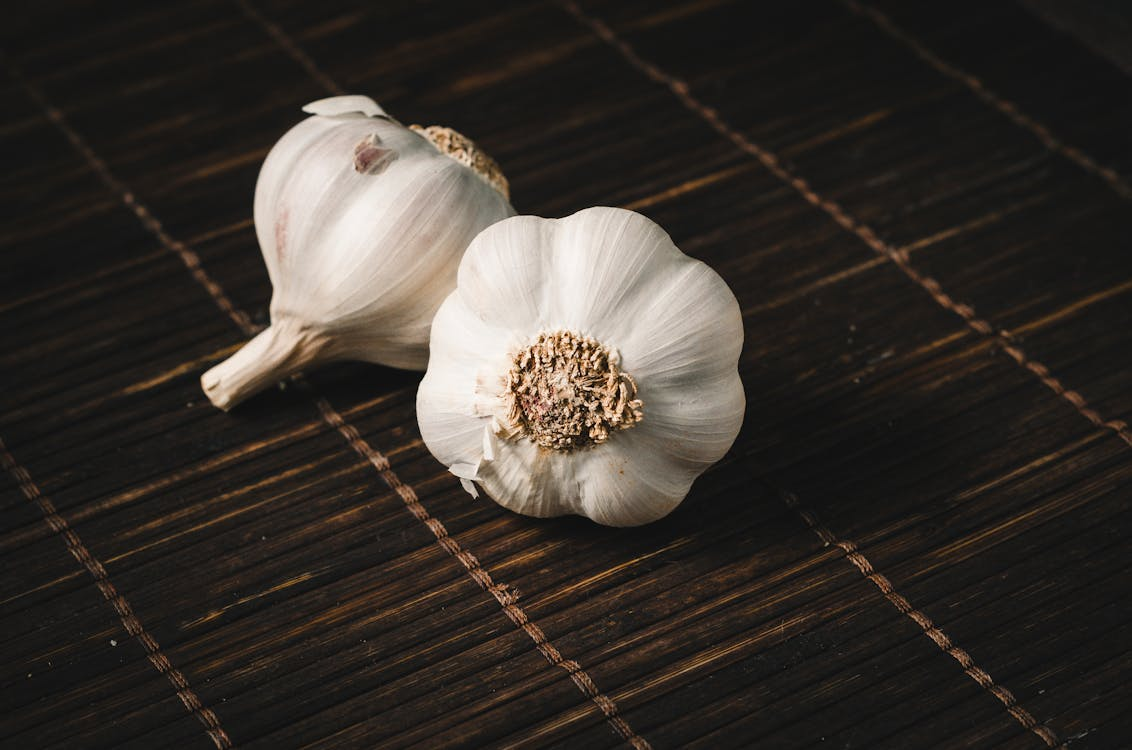
Some foods can change your body’s scent from the inside out—think garlic, onions, spicy dishes, and even red meat.
These foods contain sulfur compounds and other substances that are released through your sweat, sometimes leaving you with a stronger, muskier odour.
Dairy products can also be sneaky offenders, as they break down into compounds that may give off an unpleasant smell.
But it’s not just about what goes into your body, what you put on matters too.
Synthetic fabrics like polyester and nylon trap sweat as well as bacteria, basically turning your clothes into a breeding ground for odour.
Meanwhile, natural fabrics like cotton, linen, and bamboo let your skin breathe, reducing sweat buildup and the stink that comes with it.
Tight clothing can make things worse by locking in moisture and heat, creating the perfect storm for bacteria to thrive.
The good news? A few simple swaps in your diet and wardrobe can make a big difference in keeping unwanted odours at bay.
Lifestyle Changes vs. Drugstore Solutions: What Works Best?
Source: Pexels
Lifestyle Changes To Reduce Body Odour
The key to keeping body odour under control? A solid daily routine that tackles both sweat and bacteria before they get the chance to cause a stink!
Start your morning with a refreshing shower using antibacterial soap to wash away odour-causing bacteria.
Make sure to dry off completely. Damp skin creates the perfect environment for bacteria to thrive.
When getting dressed, opt for clean, breathable clothes made from natural fabrics like cotton or bamboo to help wick away moisture.
If you’re prone to sweating, keep a travel-size deodorant handy for midday touch-ups.
At night, slip into fresh sleepwear, exfoliate your skin weekly to remove dead skin cells (which bacteria love), and consider using an overnight antiperspirant for extra protection.
While lifestyle changes require consistency and patience, they can create long-term improvements in body odour by addressing the root causes rather than just masking the scent.
Drugstore Solutions
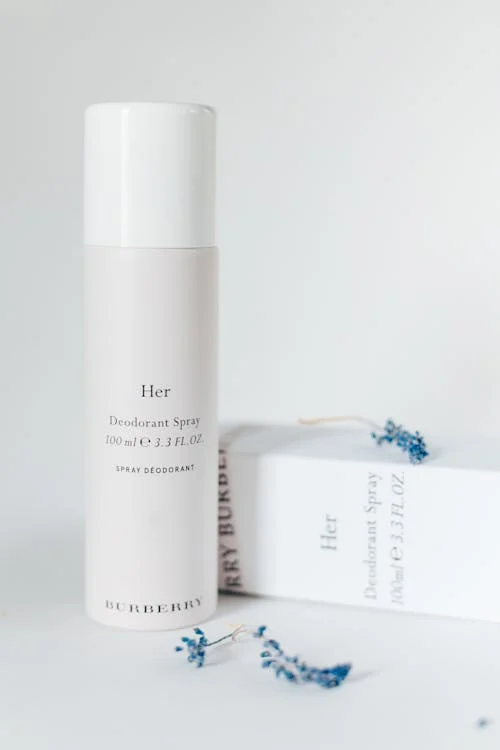
For those looking for fast and reliable odour control, drugstore solutions like deodorants and antiperspirants are the go-to options.
Deodorants work by neutralising odour and killing bacteria, while antiperspirants go a step further by blocking sweat glands to reduce moisture.
Clinical-strength antiperspirants offer even more protection for those who sweat excessively.
While these products provide immediate results, some contain artificial fragrances and aluminium-based compounds, which some people prefer to avoid due to potential skin irritation or health concerns.
However, for those who need all-day freshness without the hassle of reapplying natural alternatives, store-bought solutions are often the most convenient choice.
Which One Works Best?
Ultimately, the best approach depends on individual needs.
Lifestyle changes focus on long-term odour prevention by improving hygiene, diet, and clothing choices, while drugstore solutions provide immediate protection with minimal effort.
Many people find that maintaining healthy habits while using store-bought products when necessary delivers the best results.
At the end of the day, staying fresh is all about finding what works best for you!
Related to Body Odour:
Should You Exercise When You’re Sick? Why Or Why Not?
The Ultimate Beginner’s Exercise Guide To Building Your Dream Body