
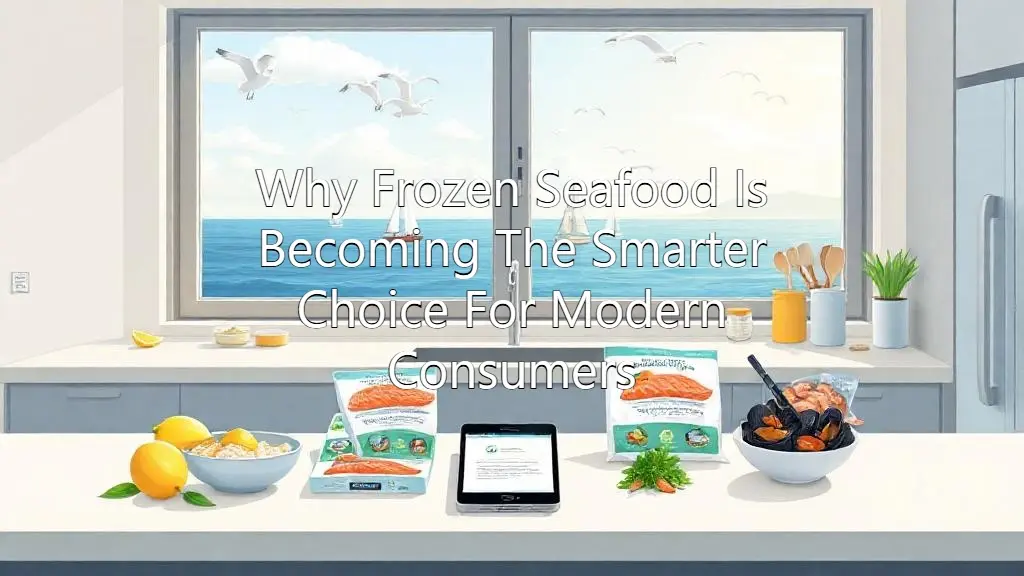

The world’s oceans are facing unprecedented threats, from overfishing to climate change, making the concept of “fresh” seafood increasingly murky.
The global frozen seafood market is projected to reach $74.36 billion by 2027, indicating a shift towards frozen seafood as a smarter, more sustainable choice for modern consumers.
Frozen seafood is not only a convenient and affordable option but also a vital key to unlocking a more sustainable food future.
With improvements in flash-freezing technology, frozen seafood today retains much of its original texture and nutritional value while offering greater convenience and longer shelf life. This has led to growing demand among both households and F&B operators looking for reliable supply options.
Businesses like Caught For Cod are part of this shift, providing accessible seafood products that cater to modern consumption habits and evolving kitchen needs.
Why Advanced Freezing Technology Is Revolutionising The Frozen Seafood Industry Today
The frozen seafood industry is undergoing a significant transformation with the advent of advanced freezing technology, which is improving the quality and sustainability of frozen seafood products.
This technology enables faster and more efficient freezing processes, preserving the natural flavours and textures of seafood.
As a result, consumers can now enjoy higher-quality frozen seafood options that are comparable to fresh seafood.
Some key insights into the benefits of advanced freezing technology include:
- Rapid freezing helps preserve the nutritional value and texture of seafood.
- Sustainable freezing technologies are being developed to reduce energy consumption and minimise the environmental impact of frozen seafood production.
- Increased efficiency in freezing processes is enabling companies to reduce costs and improve profitability, making frozen seafood more competitive in the market.
Flash Freezing Methods Preserve Freshness And Quality Of Seafood For Longer Periods
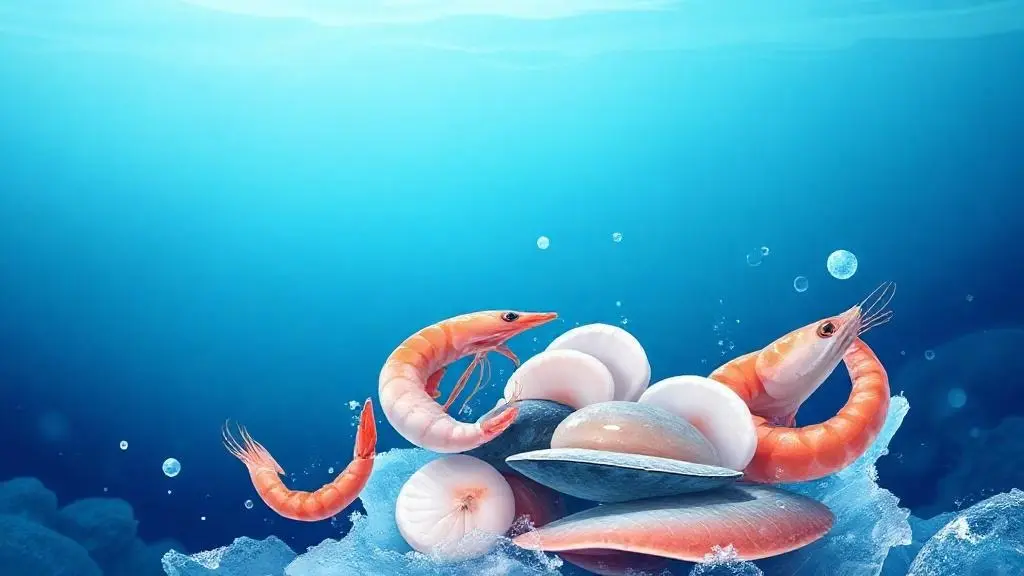
Flash freezing is a method that rapidly freezes seafood to a very low temperature, typically -30°C or lower, to preserve its freshness and quality.
This process prevents the growth of microorganisms and helps retain the seafood’s texture and flavour.
By using flash freezing, consumers can extend the shelf life of their seafood and enjoy it for a longer period.
Benefits Of Choosing Frozen Seafood Over Fresh Options For Modern Health-Conscious Consumers
Frozen seafood offers a range of advantages, including a lower risk of foodborne illnesses and a longer shelf life.
This makes it an attractive option for busy households and restaurants, where fresh seafood may not always be feasible.
In addition to its practical benefits, frozen seafood is also often rich in nutrients and low in contaminants.
By choosing frozen seafood, consumers can enjoy a healthy and balanced diet while supporting sustainable fishing practices.
Understanding The Role Of Sustainable Fishing Practices In The Frozen Seafood Market Segment
Sustainable fishing practices are the anchor that holds the frozen seafood industry steady, providing a moral and ecological compass that guides the industry towards a more responsible and environmentally-friendly horizon.
As consumers become increasingly aware of the environmental and social impact of their purchasing decisions, the demand for sustainably-sourced seafood is rising.
The role of sustainable fishing practices in this segment is not only to ensure the long-term viability of the industry but also to protect the delicate balance of the world’s oceans.
How Frozen Seafood Extends Shelf Life And Reduces Food Waste In The Supply Chain System
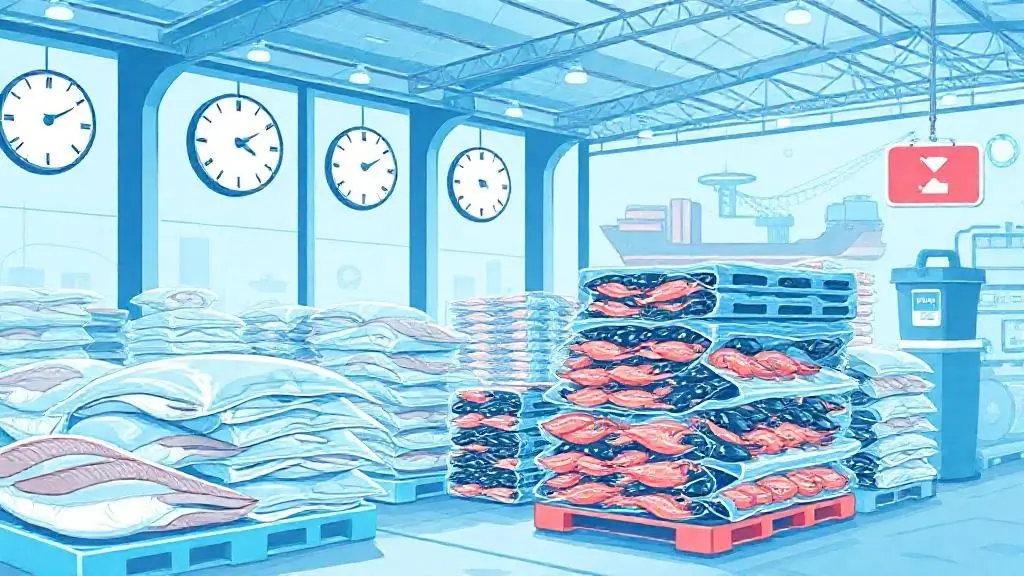
Frozen seafood plays a significant role in extending shelf life and reducing food waste in the supply chain system by allowing for the preservation of perishable products.
This method helps to prevent spoilage and maintain the quality of seafood, making it available to consumers for a longer period.
As a result, the risk of food waste is minimised, and the overall efficiency of the supply chain is improved.
The Growing Demand For Convenient And Protein-Rich Frozen Seafood Options Worldwide Trend
The frozen seafood market is expanding rapidly to meet consumer demands, with driving sales through sustainable and eco-friendly packaging options, offering a wide range of species to cater to diverse consumer preferences, creating products with high protein content and low mercury levels, incorporating innovative frozen technologies to preserve nutritional value, and meeting strict food safety standards to ensure consumer trust.
The trend towards convenient and protein-rich frozen seafood options is expected to continue, with consumers seeking healthy and sustainable food choices that fit their busy lifestyles.
Exploring The Nutritional Benefits Of Frozen Seafood Compared To Fresh Catch And Handling Methods
Frozen seafood offers numerous nutritional benefits due to its flash freezing process, which preserves the nutrients and freshness of the seafood.
The nutritional content of frozen seafood is often comparable to, if not better than, that of fresh seafood, because the freezing process helps retain the nutrients and prevent spoilage.
Frozen seafood can be just as healthy, sometimes even healthier, as fresh catch, with the key being to check the labels and look for products that are low in added preservatives and chemicals, and high in omega-3 fatty acids and other essential nutrients.
Certifications Like MSC And ASC Drive Purchase Decisions For Eco-Friendly Frozen Seafood Products
Certifications like MSC and ASC do not necessarily guarantee a product’s eco-friendliness, but they do play a role in driving purchase decisions for eco-friendly frozen seafood products.
A significant number of consumers prioritise eco-friendly options, with many opting for frozen seafood products that boast such certifications.
The Impact Of Freezing Technology On Making High-Quality Seafood Accessible To Inland Communities Globally
The advent of freezing technology has revolutionised the seafood industry, enabling the widespread distribution of high-quality seafood to inland communities globally.
This technological advancement has not only improved the accessibility of seafood but also enhanced its quality, as freezing helps preserve the freshness and nutritional value of the seafood.
The increased availability of frozen seafood has led to a rise in demand, driving the growth of the seafood industry and creating new opportunities for fishermen, processors, and distributors.
As the world grapples with the challenges of sustainable food systems, the humble freezer is emerging as an unlikely hero, with frozen seafood offering numerous benefits, from reduced waste to improved nutritional retention.
As consumers become increasingly environmentally conscious, the frozen seafood industry is poised to play a vital role in shaping the future of food production, with its potential to reduce carbon footprints and support more resilient marine ecosystems.
The smarter choice of frozen seafood may just become the catalyst for a broader shift towards a more sustainable and responsible food culture, one that prioritises the well-being of both people and the planet.
Related to Frozen Seafood:
Beyond Sushi: Creative Ways to Use Roasted Seaweed in Your Daily Diet
From Skies to Seas: Birds That Master Both Flying and Swimming