
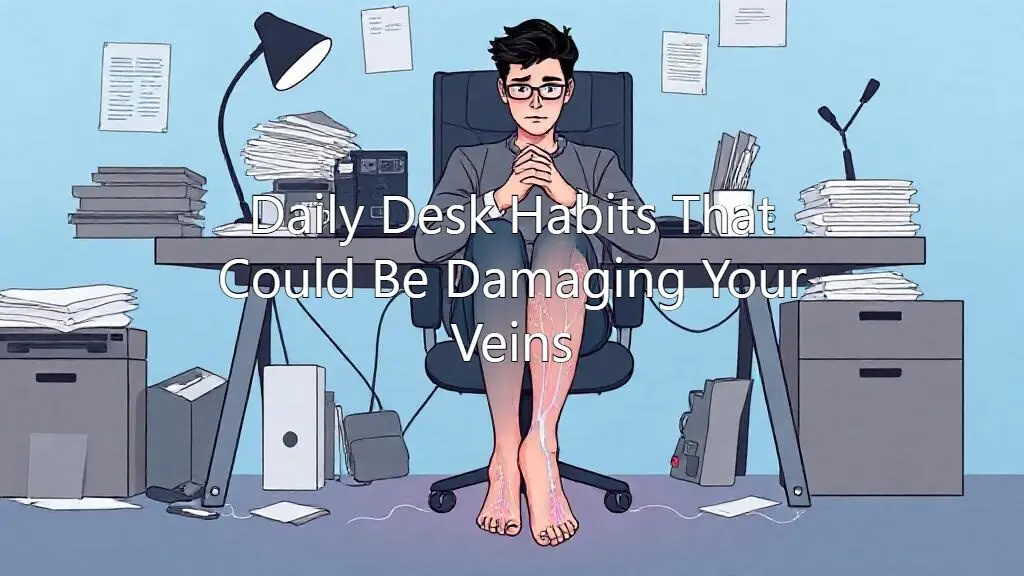

As you sit at your desk, typing away on your computer, your veins are like silent sentinels, working tirelessly behind the scenes to keep your blood flowing, yet often bearing the brunt of your daily habits.
Consider this: a staggering number of people spend upwards of 8 hours a day sitting at their desks, which can lead to a plethora of vein-related issues, from varicose veins to deep vein thrombosis.
Like a master painter, your daily habits are brushstrokes on the canvas of your vascular health, and it’s essential to be mindful of the strokes you’re making.
By being aware of the potential pitfalls, you can take proactive steps to protect your veins and maintain a healthy, thriving circulatory system.
If you’re concerned about your veins, consider visiting The Vein Clinic for an evaluation.
Sitting For Extended Periods Can Cause Poor Circulation And Vein Damage Risks

Source: Pexels
Prolonged sitting has become a common aspect of modern life, with many individuals spending hours each day seated at work, commuting, or engaging in leisure activities, which can lead to poor circulation and increased risk of vein damage.
This sedentary behaviour can have severe consequences on cardiovascular health, including the development of varicose veins, blood clots, and other vein-related disorders.
Sitting for extended periods can silently sabotage your health, leading to a ticking time bomb of cardiovascular problems.
- Prolonged sitting can cause blood to pool in the legs, increasing pressure on veins and leading to damage over time.
- Inadequate circulation can impair the delivery of oxygen and nutrients to cells, resulting in fatigue, swelling, and other symptoms.
- Regular movement and exercise can help to improve circulation, reduce vein pressure, and lower the risk of cardiovascular disease.
Regular Physical Activity Benefits For Maintaining Healthy Circulation And Preventing Issues

Source: Pexels
Regular physical activity, such as walking or jogging, can have a significant impact on maintaining healthy circulation.
By incorporating physical activity into your daily routine, you can reduce your risk of developing circulation-related issues, such as varicose veins and deep vein thrombosis.
Physical activity helps to strengthen the heart and improve blood flow, which can help to prevent circulation-related issues, such as peripheral artery disease and stroke.
Eating Unhealthy Foods That Contribute To High Blood Pressure And Vascular Problems Development

Source: Pexels
Consuming unhealthy foods is like playing with fire; it may seem harmless at first, but it can quickly spiral out of control and lead to devastating consequences, such as high blood pressure and vascular problems.
A diet laden with sodium, sugar, and saturated fats is like a ticking time bomb, waiting to unleash its fury on the cardiovascular system, causing blood vessels to become as brittle as twigs and as prone to rupture as a dam about to burst.
The relationship between diet and cardiovascular health is complex and multifaceted, like a rich tapestry woven from diverse threads, with each strand representing a different nutrient or food component that can either contribute to or mitigate the risk of developing high blood pressure and vascular problems.
Wearing Tight Clothing: Consequences For Vein Pressure And Blood Flow Restriction Risks

Source: Pexels
Tight clothing can have severe effects on our overall health, particularly concerning blood flow.
- Causing vein pressure to increase, leading to potential blood clots
- Restricting blood flow to the brain, which may result in dizziness and lightheadedness
- Damaging skin tissue due to prolonged compression, potentially causing permanent marks
- Increasing the risk of developing varicose veins, especially in the legs and feet
- Affecting nerve function, leading to numbness, tingling, and pain in affected areas
Staying Hydrated: Importance For Maintaining Good Vascular Health And Blood Flow Regulation

Source: Pexels
Drinking enough water is essential for our bodies.
Staying hydrated has a significant impact on our overall health.
It helps to maintain blood flow, regulate body temperature, and transport nutrients and oxygen to cells: all crucial functions that rely on proper hydration.
Adequate hydration is crucial for preventing dehydration, which can lead to severe health consequences.
Proper hydration is vital for maintaining healthy blood vessels and preventing cardiovascular disease.
For a professional opinion, book an appointment at The Vein Clinic.
Taking Regular Movement Breaks To Reduce Fatigue And Strain On Veins And Improve Circulation

Source: Pexels
Incorporating regular movement breaks into daily routines can have a profound impact on overall health, particularly in reducing fatigue and strain on the veins, as well as improving circulation.
By taking short breaks to stretch and move, individuals can increase blood flow and reduce pressure on their veins, which can help to alleviate symptoms of fatigue and discomfort.
Regular movement can also help to improve overall cardiovascular health, reducing the risk of chronic diseases such as heart disease and stroke.
As we settle into our daily routines, it’s essential to consider the subtle yet significant impact of our desk habits on our vein health.
Related To Veins:
Spider Veins, Gone In An Hour: What Injection Sclerotherapy Can Do