


The construction landscape in Singapore is evolving, with future-ready engineering playing a vital role in the industry’s trajectory.
City-state’s building sector accounts for nearly a quarter of its greenhouse gas emissions, making innovative, sustainable, and compliant construction practices essential.
Integration of Building Information Modelling (BIM), safety, and compliance is crucial for creating a resilient and efficient construction ecosystem.
For more information, visit Stellar Structures for their expertise.
Integrating BIM And Safety Protocols In Singapore’s Construction Sector For Enhanced Compliance
The construction sector in Singapore is witnessing a significant transformation with the integration of Building Information Modelling (BIM) and safety protocols, aiming to enhance compliance and reduce accidents.
This integration enables the creation of a digital twin of the construction site, allowing for real-time monitoring and simulation of potential hazards.
By leveraging BIM and safety protocols, construction companies can improve site safety and reduce the risk of non-compliance with regulatory requirements.
- Enhanced collaboration between stakeholders is facilitated through BIM, leading to improved safety outcomes and reduced errors.
- Real-time data analysis enables construction companies to identify and mitigate potential hazards, reducing the risk of accidents and injuries.
- Automated compliance tracking streamlines the process of ensuring regulatory adherence, freeing up resources for more critical tasks.
Leveraging CORENET X System For Real-Time Regulatory Verification And Approval Processes

CORENET X system is designed to streamline the construction project approval process, providing a one-stop platform for real-time regulatory verification and approval.
By leveraging this system, construction companies can simplify the submission and approval process, reducing the risk of errors and delays.
The system’s automated checks and real-time updates enable construction companies to track the status of their applications and receive instant notifications when approvals are granted.
Understanding ISO 19650 Standards For Uniform BIM Information Management And Collaboration
ISO 19650 standards provide a framework for uniform BIM information management and collaboration, enabling organisations to work more efficiently and effectively.
This framework is particularly useful for large-scale construction projects, where multiple stakeholders and teams need to collaborate and share information seamlessly.
The adoption of ISO 19650 standards requires a thorough understanding of the guidelines and protocols outlined in the standards.
Harnessing AI Capabilities In BIM 360 For Clash Detection And Code Compliance Analysis
Source: Pexels
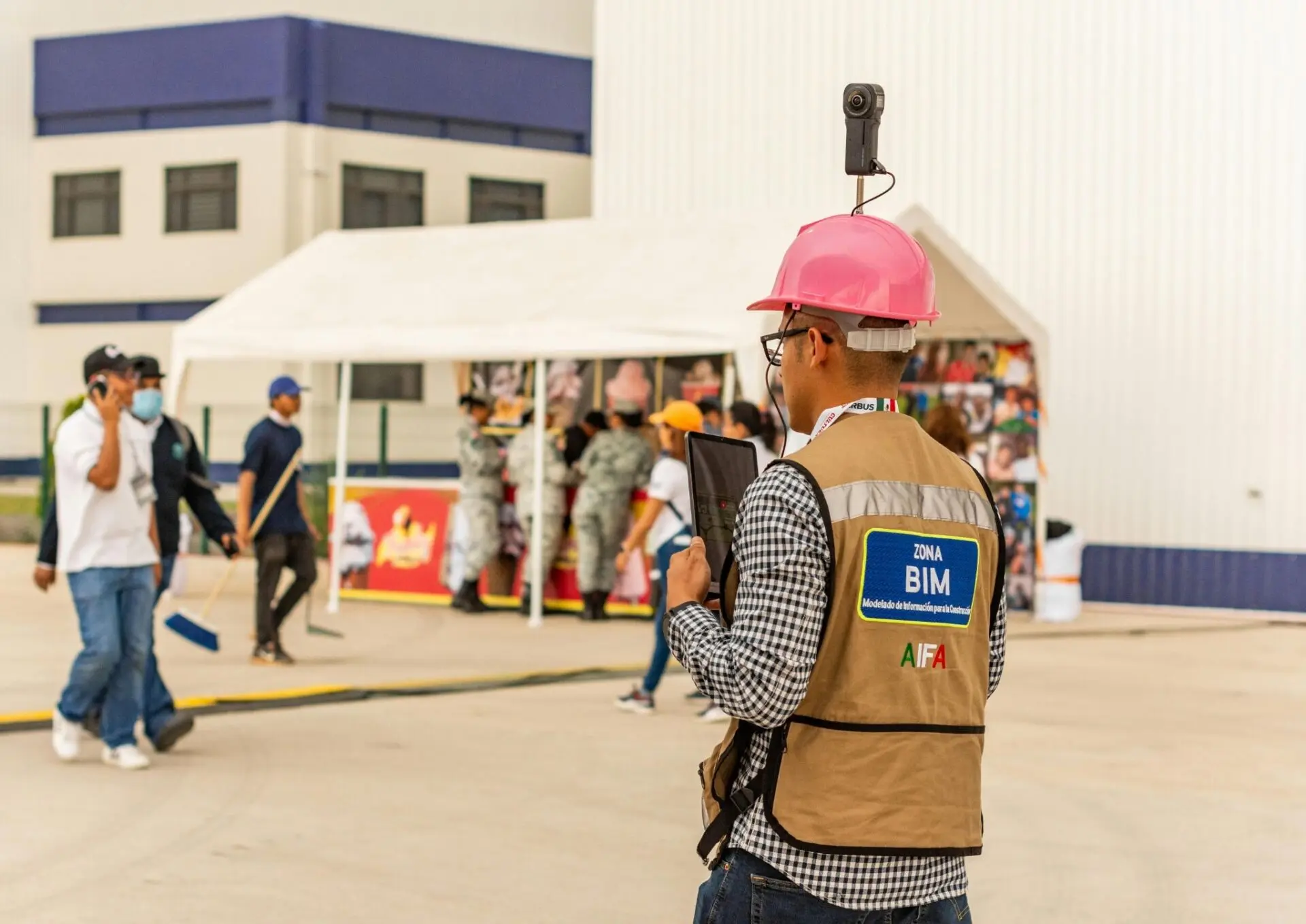
The integration of Artificial Intelligence (AI) in Building Information Modelling (BIM) 360 is significantly amplifying its capabilities, especially in clash detection and code compliance analysis.
AI orchestrates the complex data within BIM 360, ensuring that all elements work in harmony, minimising clashes that could lead to costly reworks or safety hazards.
Through advanced algorithms, AI can sift through vast amounts of data, identifying potential issues before they become major problems.
Utilising Blockchain Technology For an Immutable Ledger And Real-Time Compliance Auditing

Blockchain technology has revolutionised the way businesses approach data management and compliance auditing, offering a secure and transparent solution for companies to maintain immutable ledgers.
By utilising blockchain, organisations can ensure the integrity and accuracy of their financial records, reducing the risk of data tampering and errors.
This technology enables real-time compliance auditing, allowing companies to identify and address potential issues promptly.
Optimizing Construction Safety And Compliance Through Data Analytics And Predictive Modeling Techniques
Source: Pexels
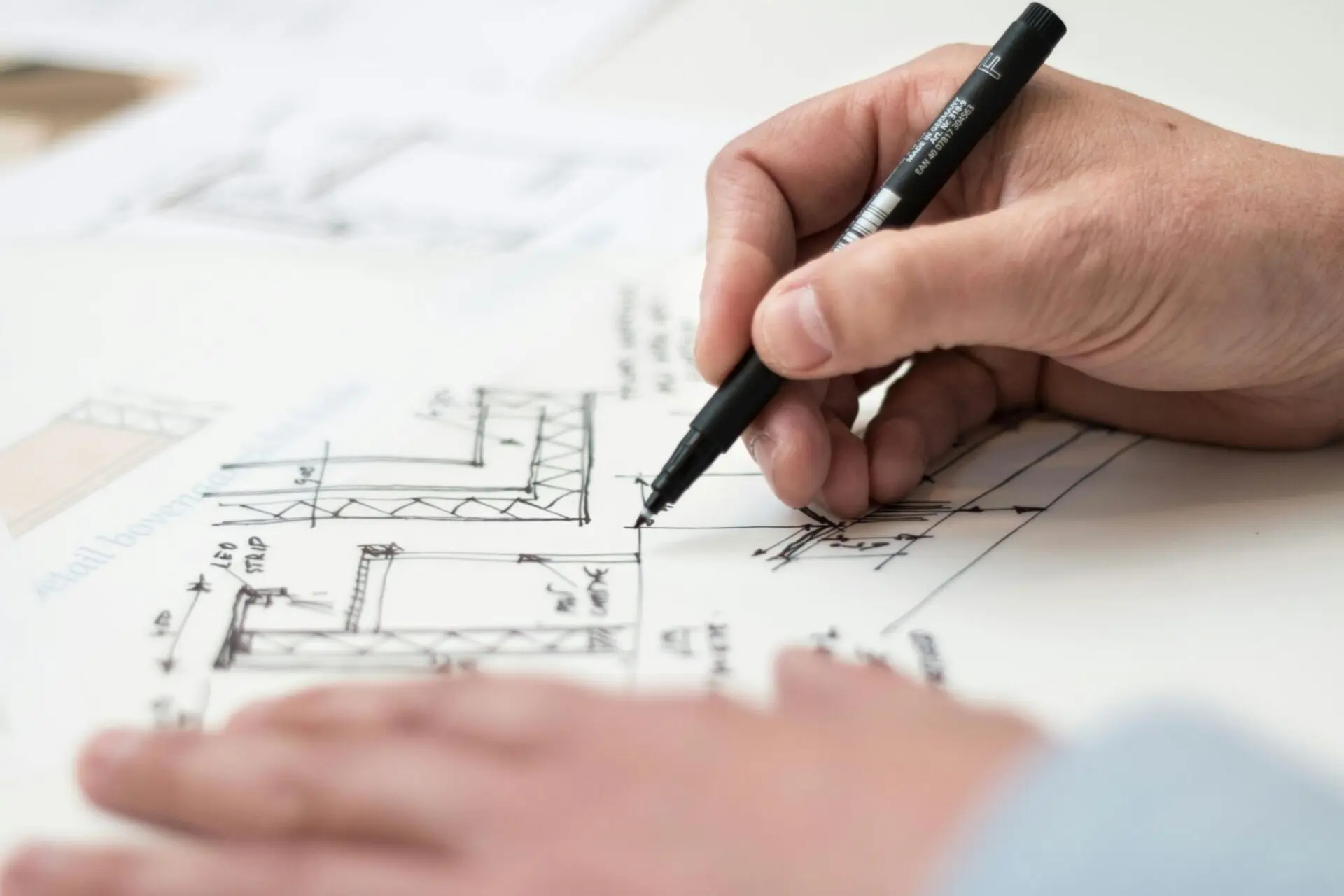
By leveraging advanced technologies such as machine learning and artificial intelligence, construction companies can analyse vast amounts of data from various sources to predict and prevent accidents.
The use of predictive modelling techniques allows construction companies to simulate different scenarios and optimise their safety protocols, resulting in a significant reduction in injury rates and associated costs.
As Singapore’s construction landscape continues to evolve, the integration of Building Information Modelling (BIM), safety, and compliance is poised to revolutionise the industry, enabling the creation of more efficient, sustainable, and resilient buildings.
The city-state’s emphasis on innovation and technological advancement will likely shape the future of construction, giving rise to a new era of future-ready engineering.
For more information, visit Stellar Structures for their expertise.
Related To Engineering:
Top 5 Reasons Why You Should Regularly Service The Engine Of Your Supercar
20 Common Pitfalls and Traps to Avoid When Dealing With Contractors in Singapore