

Why do we, as gamers, find it so hard to resist the temptation of spending money on games?
Is it the thrill of acquiring new digital goods, the rush of levelling up, or the sense of belonging to a gaming community?
The Subtle Tricks That Make In-Game Purchases So Tempting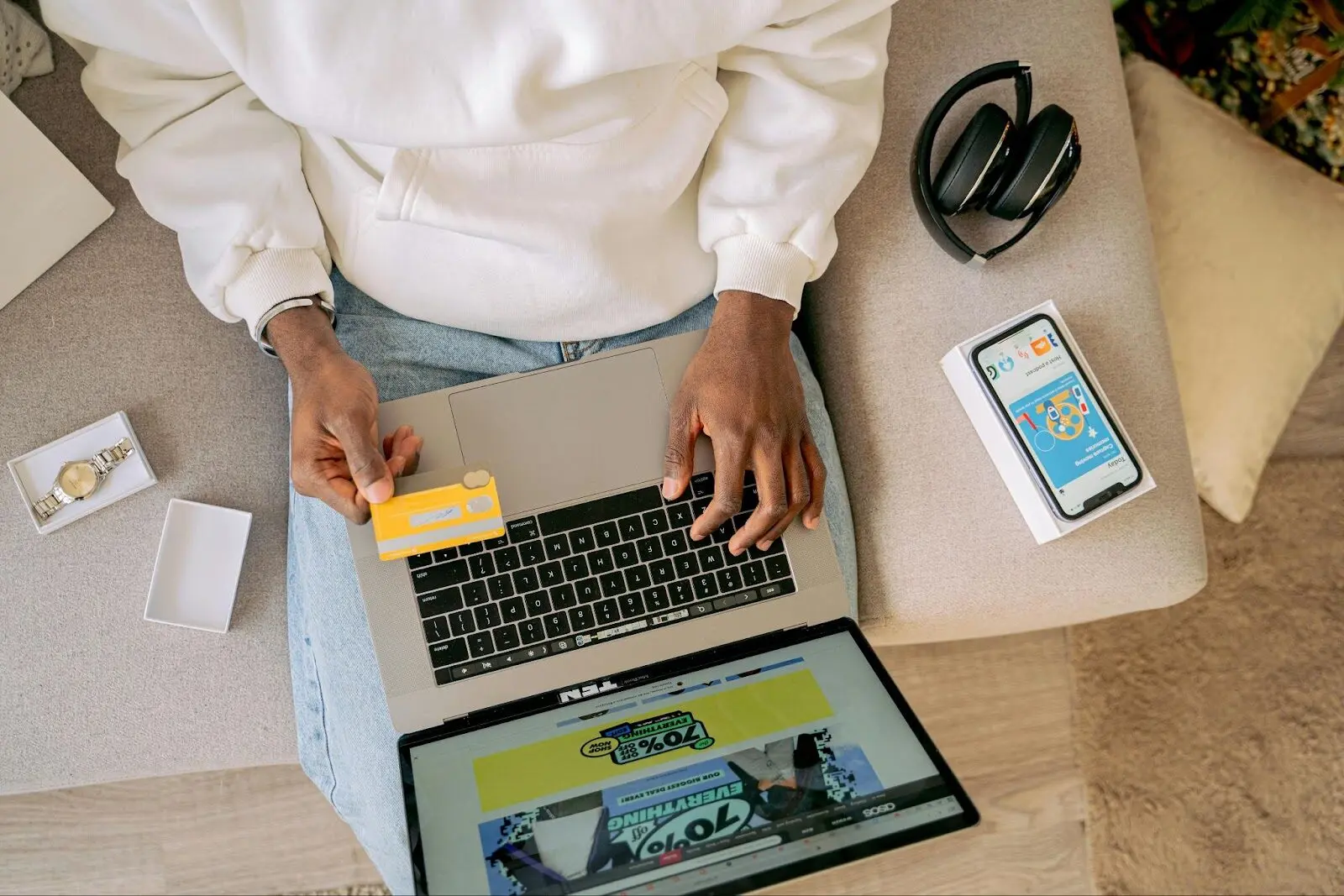
Source: Pexels
The human brain is wired to respond to instant gratification, and in-game purchases tap into this fundamental aspect of human psychology.
When we make a purchase, our brains release dopamine, a neurotransmitter associated with pleasure and reward.
This creates a cycle of craving and satisfaction, making us more likely to repeat the behaviour.
Within the realm of gaming, this can lead to a pattern of spending money to acquire new items, level up faster, or gain a competitive edge.
In-game purchases often exploit this psychological vulnerability by offering instant rewards, limited-time offers, or exclusive content.
For example, a game might offer a “limited edition” skin or a “rare” item that can only be acquired through a specific purchase.
This creates a sense of FOMO (fear of missing out) and triggers a strong impulse to buy.
GG or Get Out: The High Cost of Gaming Peer Pressure
Source: Pexels
Gaming communities play a significant role in influencing our spending habits.
Individuals often join communities to connect with like-minded individuals, share insights and tips, and engage in discussions.
These communities can also create social pressure to conform to certain standards or norms.
For instance, if everyone in a gaming community is using a particular skin or item, we might feel compelled to follow suit to avoid feeling left out or judged.
Moreover, gaming influencers and streamers often promote in-game purchases, showcasing their acquisitions and sharing their experiences.
Thus, it creates a sense of aspiration, as we aspire to emulate our favourite streamers and join the “cool kids club”.
The social proof of seeing others make purchases can make us more likely to do the same, even if we wouldn’t normally consider it.
The Cycle Of Addiction And Escalation
Spending money on games can quickly become an addictive cycle.
Everyone starts with small purchases, but as we become more invested in the game, we begin to crave more significant upgrades and items.
Trying to keep up with in-game expectations or rival players often results in progressively higher spending.
Developers often sustain this pattern by rolling out high-priced bundles that promise enhanced rewards.
Such purchases are often justified by the belief that they’re necessary to stay competitive or gain a meaningful edge.
More often than not, it’s simply an excuse we use to legitimise unnecessary spending.
The Impact On Our Finances And Well-Being

Source: Pexels
Excessive in-game spending can have serious financial consequences.
One might overspend, neglecting our real-life financial responsibilities and accumulating debt.
Feelings of guilt, anxiety, and stress may develop, which can negatively affect mental and emotional health.
Furthermore, the constant pressure to spend money can erode our sense of self-worth and autonomy.
Players might start to feel like we’re not good enough or that we need to constantly purchase items to prove ourselves.
This can lead to a distorted view of self-worth, where our identity becomes tied to our gaming persona rather than our real-life accomplishments.
The Lack Of Regulation And Oversight
Source: Pexels
The gaming industry has historically lacked strong regulation and oversight, allowing companies to exploit psychological vulnerabilities and engage in questionable business practices.
A lack of transparency and accountability enables companies to push the boundaries of what is considered acceptable, often prioritising profits over player welfare.
For example, loot boxes – a type of in-game purchase that offers random rewards – have been criticised for their similarity to gambling.
However, despite the controversy, many games continue to offer loot boxes, often disguising them as “free” or “optional”.
This lack of regulation allows companies to continue exploiting players, often targeting vulnerable demographics like children and young adults.
The Importance Of Self-Awareness And Responsibility

Source: Pexels
To break the cycle of excessive spending, we need to develop greater self-awareness and take responsibility for our actions.
We must recognise the psychological manipulation and marketing tactics employed by game developers and be honest with ourselves about our motivations and spending habits.
This means setting boundaries, tracking our expenses, and prioritising our financial responsibilities.
Gamers need to ask themselves tough questions, like “Do I need this item?” or “Is this purchase aligned with my values and goals?”
By developing greater self-awareness, we can resist the temptation of impulsive purchases and make more informed decisions about our gaming habits.
The Role Of Game Developers And Publishers

Source: Pexels
Game developers and publishers have a crucial role to play in promoting responsible gaming practices.
By designing games that prioritise player welfare and transparency, they can help reduce the incidence of excessive spending and promote a healthier gaming culture.
This includes providing clear and concise information about in-game purchases, offering flexible pricing options, and avoiding exploitative tactics like loot boxes.
Developers can also implement measures to prevent overspending, such as spending limits, warnings, and educational resources.
Hence, by taking a proactive approach, game developers can create a more sustainable and responsible gaming ecosystem.
The Power Of Community And Education

Source: Pexels
Ultimately, the solution to excessive in-game spending lies in a combination of community, education, and personal responsibility.
By fostering a culture of awareness and openness, we can promote healthier gaming habits and support those struggling with addiction.
Gaming communities can play a vital role in this process, sharing their own experiences and providing guidance to others.
Educational initiatives can also help raise awareness about the psychological and financial implications of excessive spending.
Therefore, we can create a gaming culture that values responsible spending, promotes self-awareness, and prioritises player welfare.
The reluctance to stop spending money on games is a complex issue, driven by a combination of psychological, social, and economic factors.
When these factors are acknowledged and proactively addressed, a healthier gaming culture can be fostered, leading to less excessive spending.
Honestly, it’s up to us – as gamers, developers, and community members – to work together and create a more sustainable and responsible gaming ecosystem.
Related To Gaming:
Why We should just Stop Buying FIFA (and other EA Games)?
9 Reasons Online Casinos (with Real Money) are Far Worse than Actual Gambling